A salt mine worked from the Middle Ages until 1932 and turned into a spectacular underground park: a Ferris wheel, a lake with rowing boats, an amphitheatre and salt walls 120 m below ground, near Cluj.
A lido with two salt lakes formed where old salt mines caved in, 24 km from Cluj-Napoca, plus an indoor pool of warm salt water that stays open all year.
Transylvania's largest Baroque aristocratic residence, gutted in 1944 and being brought back to life by an award-winning training site; neo-Gothic façade, lapidarium and an exhibition on Miklós Bánffy.
A summer lido on two salt lakes formed in collapsed old salt pits, 100 m from the Durgău entrance of the Turda Salt Mine. The very salty water keeps you afloat; the mine is visited separately.
A working salt mine near Dej, where salt has been dug since Roman times, with an Orthodox church carved into the salt about 80 m down. Not currently open to visitors.
Turda's historic lido, on the Roman Lake, a salt lake formed in old salt workings in the Băile Sărate district. The town's spa was born here around 1840.
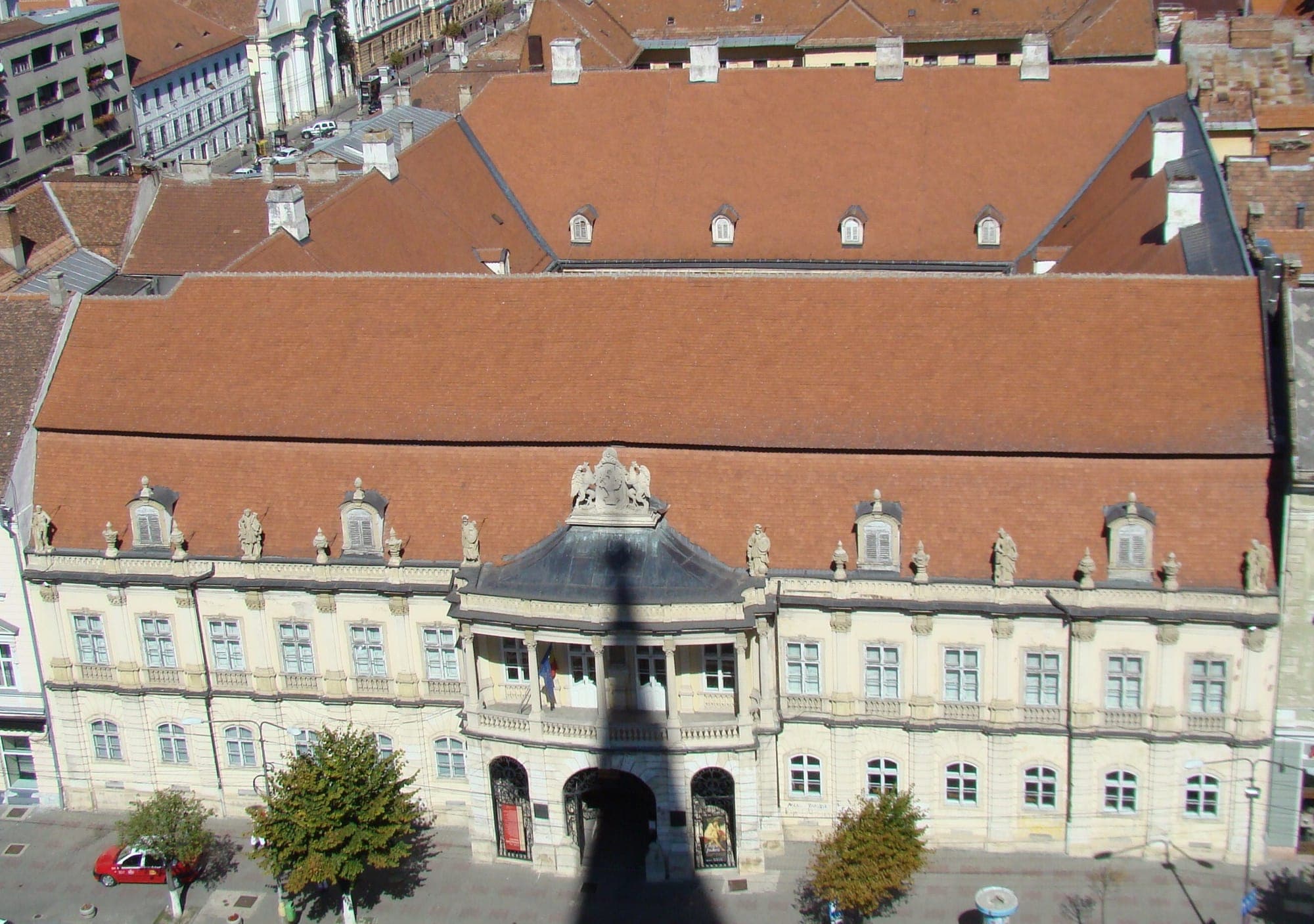
The finest Baroque palace in Transylvania, built between 1774 and 1785 on Cluj's Union Square, with classical statues along its attic; it houses the Art Museum, with five centuries of Romanian and Transylvanian painting.
A reservoir about 13 km long on the Someșul Cald in the Apuseni Mountains, at almost 1,000 m; in dry summers the ruined church of the drowned village of Giurcuța de Jos rises from the water.
A reservoir almost 9 km long on the Someșul Cald, about 30 km from Cluj-Napoca, with wooded slopes, a 97 m arch dam and sailing or kayaking on the water.
A roughly 30 m, two-tiered waterfall at the foot of the Vlădeasa massif, on the Stanciului valley near Răchițele; the water fans out over the rock like a veil, and in winter the frozen wall is an ice-climbing spot.
 Top 20