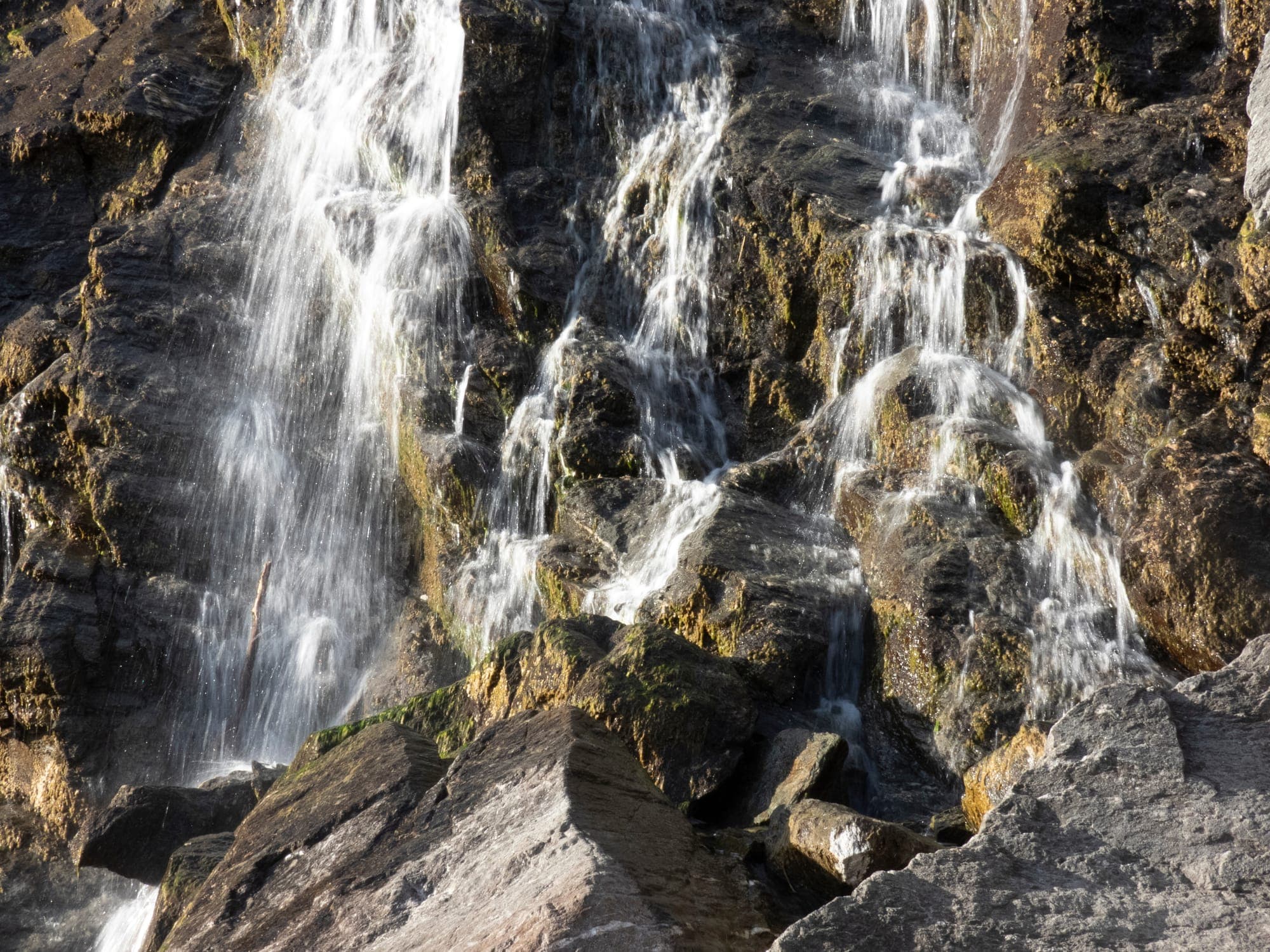
Capra Waterfall
Argeș County
A waterfall of about 40 m on the Capra stream, right beside the Transfăgărășan on the southern side of the Făgăraș Mountains, at 1,690 m; you see it from the bridge, without any hiking.
Waterfalls
Closed20 minFree
A waterfall of about 40 m on the Capra stream, right beside the Transfăgărășan on the southern side of the Făgăraș Mountains, at 1,690 m; you see it from the bridge, without any hiking.
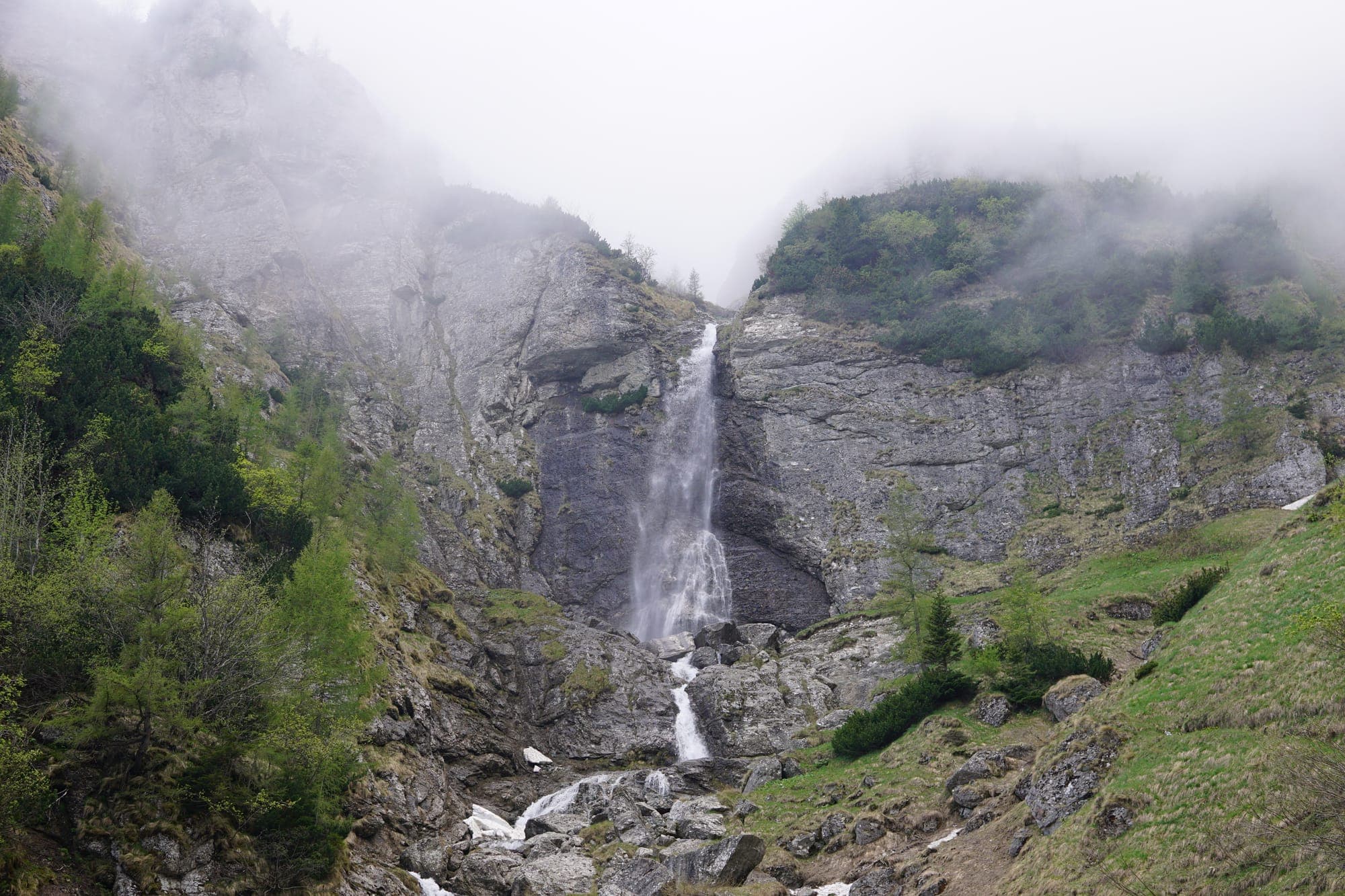
A waterfall on the rock step at the head of the Jepi valley, below the Caraiman chalet in the Bucegi; it only flows in full in late spring and early summer, hence its nickname of the ‘ghost waterfall’.
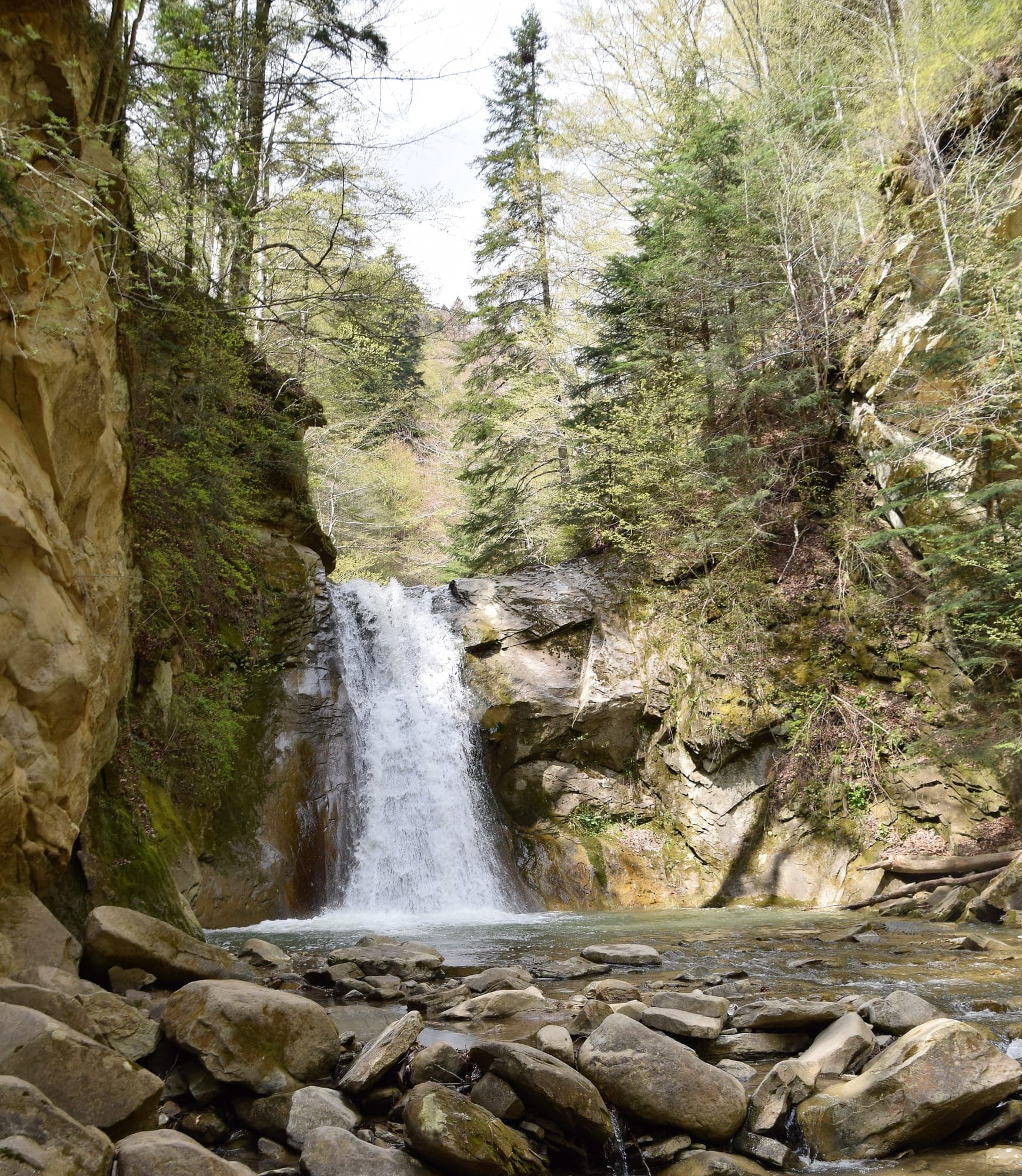
A waterfall of about 8 m dropping over a sandstone ledge in a wooded gorge of the Cașoca Valley, near Lake Siriu; also known as the Pruncea Waterfall, it can be reached by car almost to its foot.
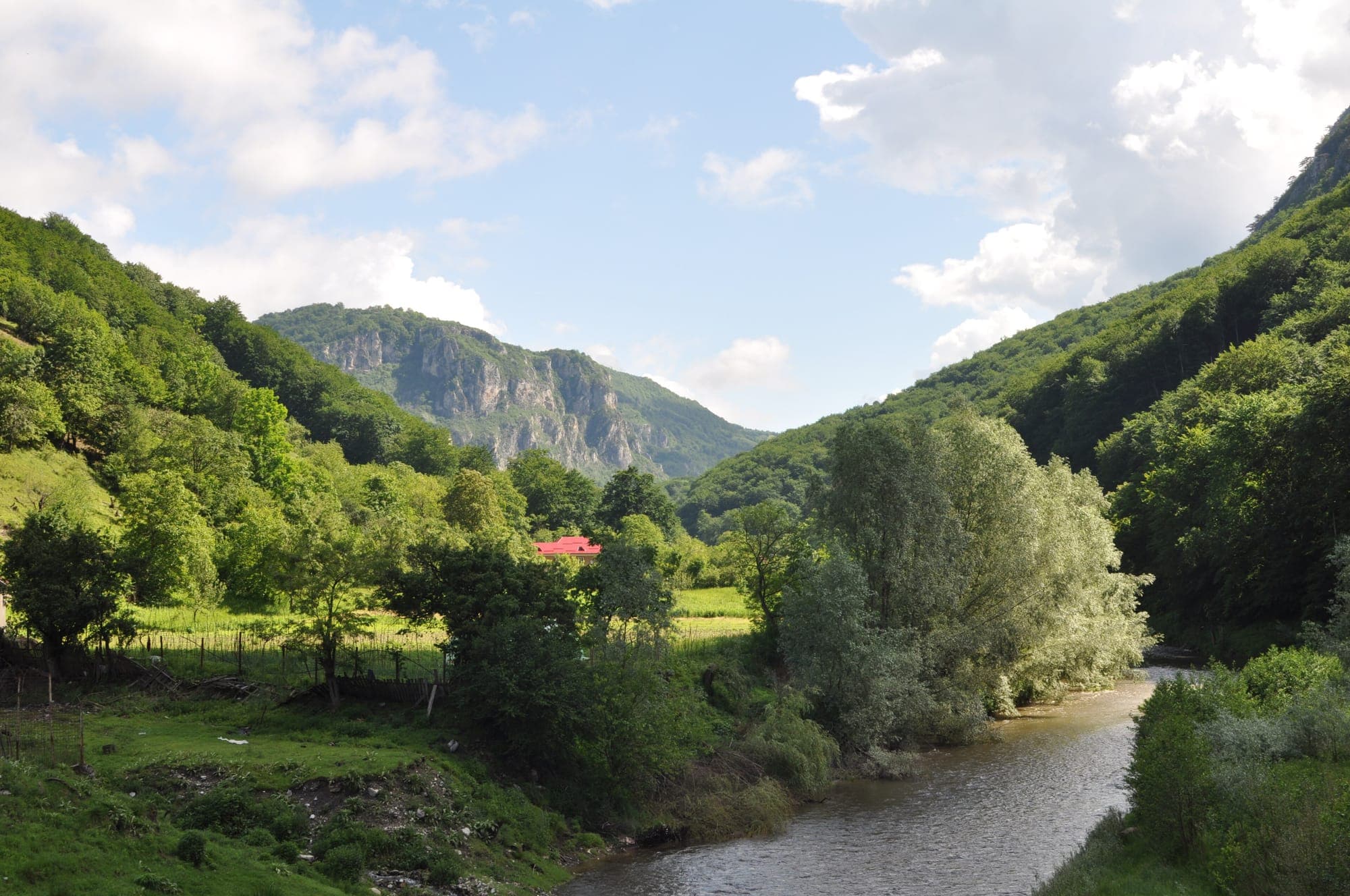
The DN67D links Baia de Aramă to Băile Herculane in about 65 km: it climbs to the Arșasca saddle at ~900 m and drops down the Cerna Valley, between limestone walls, through Domogled–Valea Cernei National Park.
A 20–30 m waterfall in the Cormaia Valley, at the foot of the Rodna Mountains near Sângeorz-Băi; a built path of about 1 km, with steps, footbridges and chains, climbs alongside its tiers.

The ~1,100 m pass where the DN17A crosses the Obcina Mare ridge between Vatra Moldoviței and Sucevița, with hairpins through spruce forest, wide views over the Bukovina hills and the road builders' “Palm” monument.

A thermal waterfall that never freezes, spilling over a moss-covered travertine wall, a quarter of an hour's walk from the centre of the Geoagiu-Băi spa resort.

An undeveloped cave in the Bihor Mountains near Casa de Piatră: a huge portal, tens of metres high, through which the Gârdișoara stream vanishes underground.

A wild, unlit cave in the Anina Mountains with more than 6 km of passages on three levels, 1,750 m of which you explore with a helmet and head torch, led by the national park's rangers.
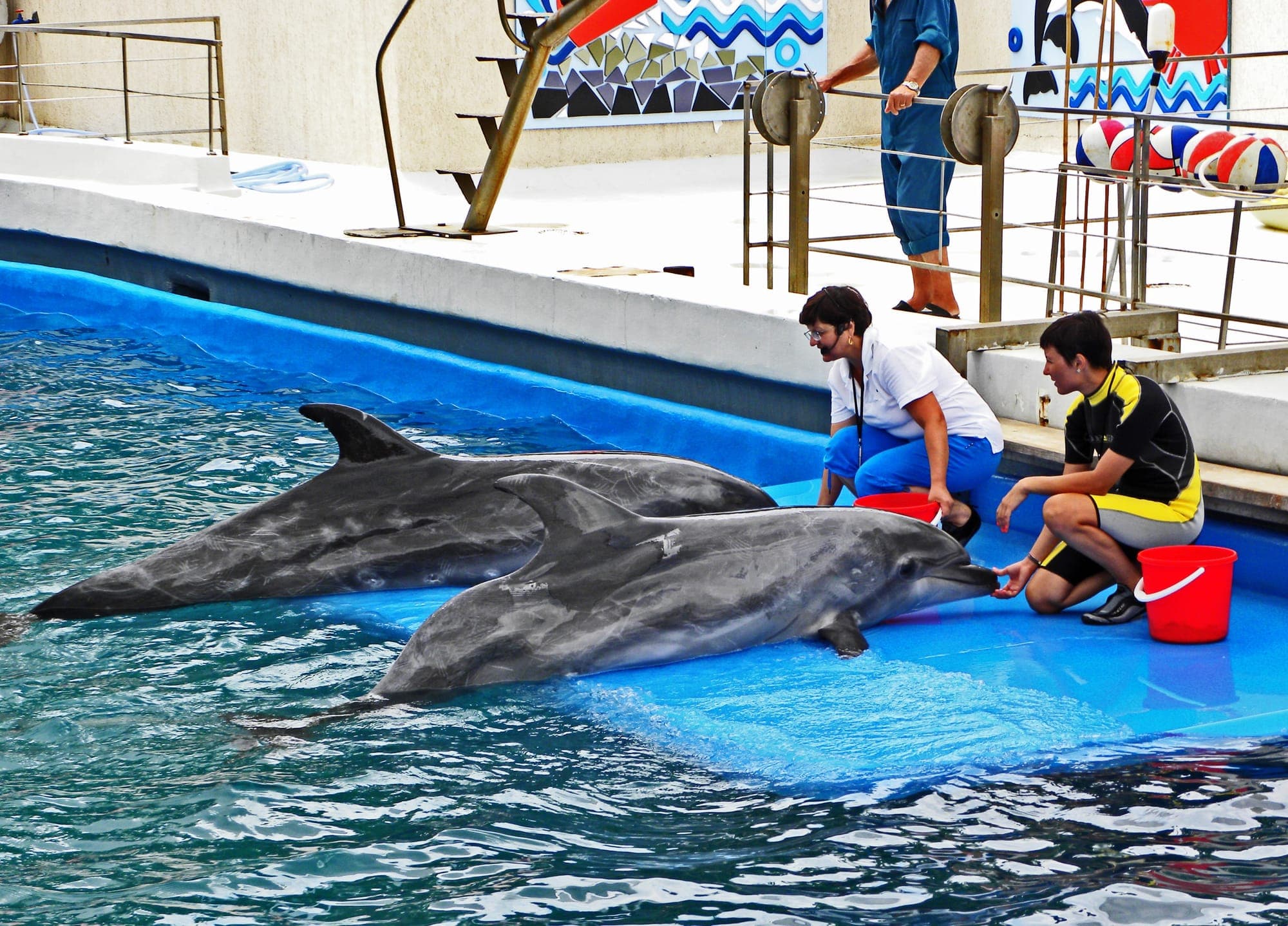
Romania's first dolphinarium, opened in 1972 on Mamaia Boulevard, with dolphin shows in a covered arena and, on the same ticket, a small reserve with Dobrujan birds and animals.
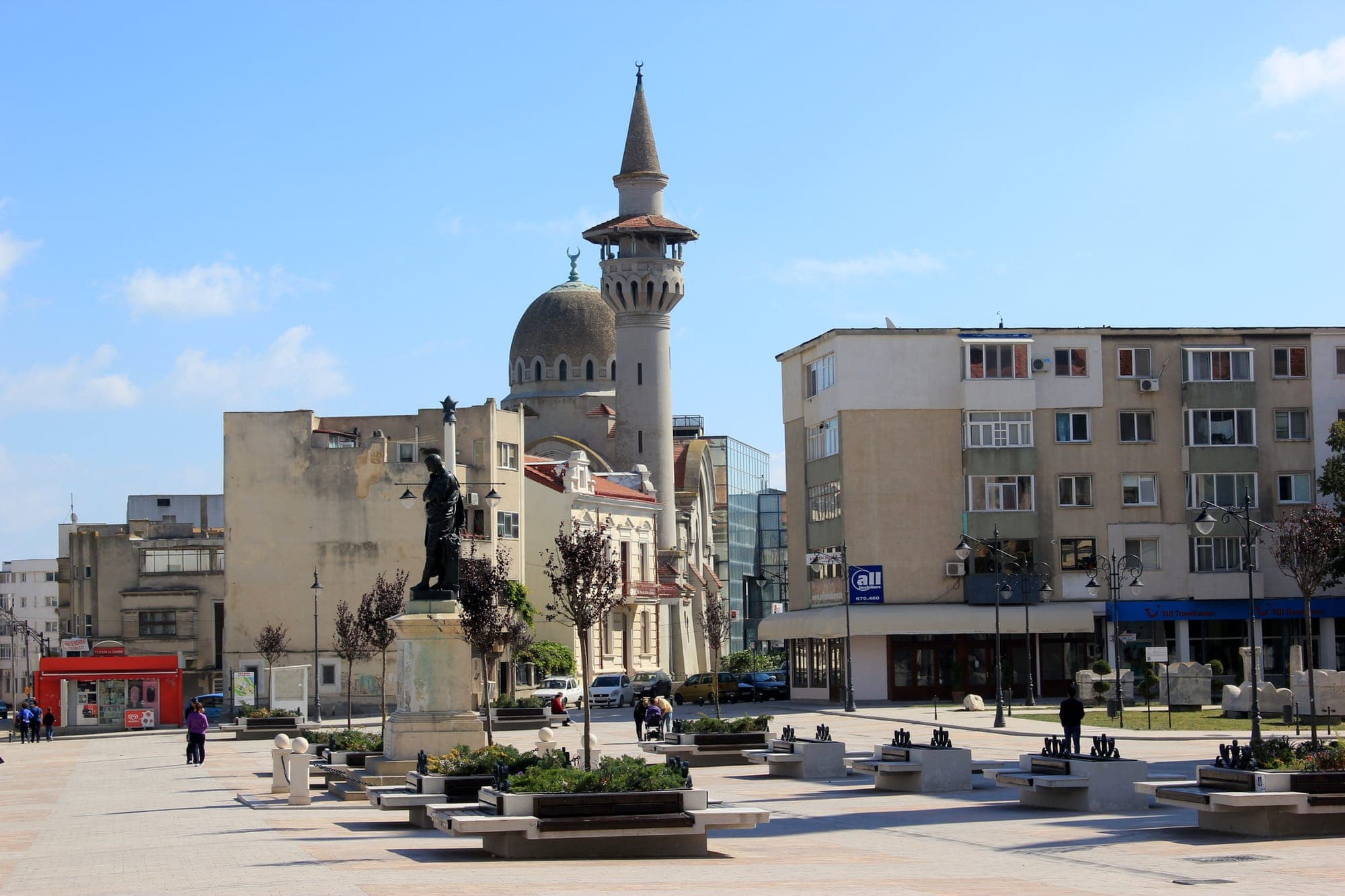
Constanța's old town, on the site of ancient Tomis: Ovid Square, the Roman mosaic, the mosque and its minaret, the cathedral, the Genoese Lighthouse and the casino seafront, all a few steps apart.

The spa resort in the town of Covasna, Romania's "resort of the heart": carbon dioxide mofettes, sparkling mineral springs on every corner and the Devil's Pond, a mud volcano in the central park.

A Saxon church fortress in the Burzenland, near Brașov: a 19th-century Neoclassical church ringed by a double medieval wall with eight surviving defensive towers.

A 25 m, two-tier waterfall on the Rupturi stream, in the forests below Toaca peak in Ceahlău National Park; reached on foot from the Durău resort in about two hours.

An ice cave in the forests of the Galbena Valley near Padiș, reached on foot along a marked trail. Around midday, light pours in through a hole in the roof and falls on the ice.