
Council Tower (Turnul Sfatului)
Sibiu, SB
The 13th-century gate tower linking the Grand Square and the Small Square, Sibiu's symbol, with an onion-shaped spire; closed for restoration since January 2026, for about two years.
922 results
The 13th-century gate tower linking the Grand Square and the Small Square, Sibiu's symbol, with an onion-shaped spire; closed for restoration since January 2026, for about two years.

A national park of over 61,000 ha in the Cerna Valley above Băile Herculane: limestone cliffs with Banat black pine, gorges and ancient beech forests on the UNESCO list since 2017.

A private Italian-style garden at Banpotoc, near Deva: travertine paths, geometrically clipped hedges, fountains and vases brought from Italy, over almost 3.5 hectares, open to the public since 2018.

The town's own beach, running from the marina breakwater towards Saturn below the promenade rebuilt in 2022; since autumn 2026 it is being widened with sand, behind four new breakwaters.

Six kilometres of wide sand north of Mamaia, split between the beach clubs of Mamaia Nord and the roomy, quieter town beach of Năvodari, with shallow water for hundreds of metres.

The 47 km gorge by which the Olt crosses the Carpathians: on the DN7, between Boița and Călimănești, the road follows the river past Cozia Monastery. A busy through route, not a leisure drive.

A karst plateau at around 1,200 m in the heart of Apuseni Natural Park, with meadows, sinkholes and spruce forest. Marked trails lead from Cabana Padiș to Cetățile Ponorului, the Galbena Gorge and Groapa de la Barsa.

An auxiliary Roman fort on the eastern limes of Dacia, in the Niraj valley, now a modernised archaeological park (Limesparc) with exhibition pavilions and a viewpoint.

A neoclassical residence of the first half of the 19th century, with a columned portico and a park of over 16 hectares with ancient oaks; under restoration since 2025 and open only during events.

A passage 1.1–1.35 m wide in Brașov's old town, recorded in the 17th century and counted among the narrowest streets in Europe; closed for repairs since November 2025.

A thermal and wellness complex on the edge of Bucharest, on the DN1: geothermal pools under a glass dome full of palm trees, water slides, saunas and a sandy beach open in summer.
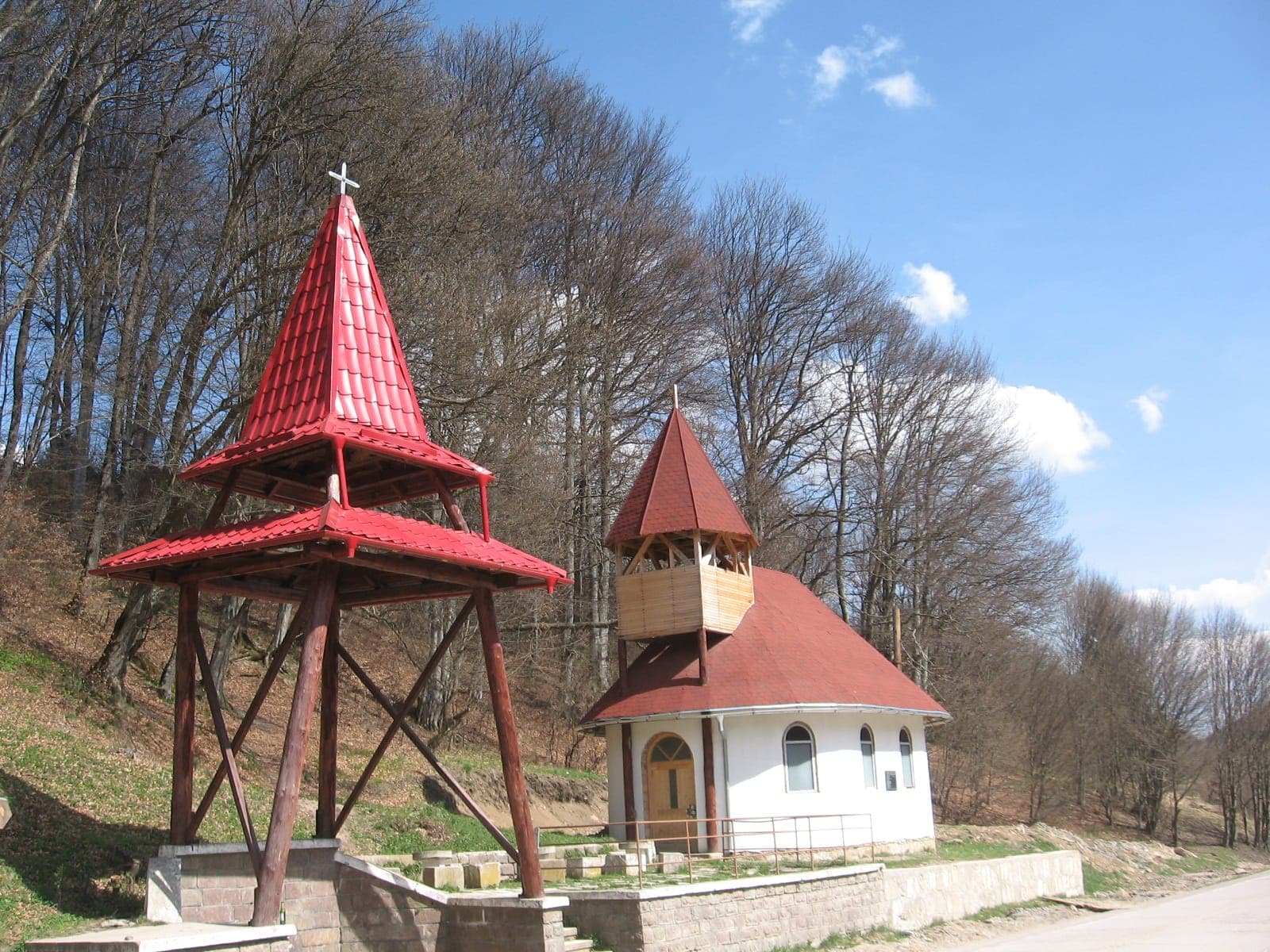
A spa and mountain-air resort in Covasna county, at 840–950 m in the forests of the Bodoc Mountains: naturally sparkling mineral springs, volcanic gas mofettes, sulphur caves and trails up to Bálványos Castle.

A lido with two salt lakes formed where old salt mines caved in, 24 km from Cluj-Napoca, plus an indoor pool of warm salt water that stays open all year.

The last stretch of free-flooding Danube floodplain between Giurgeni and Brăila: seven river islands, 52 lakes and over 200 bird species, reached only by boat.
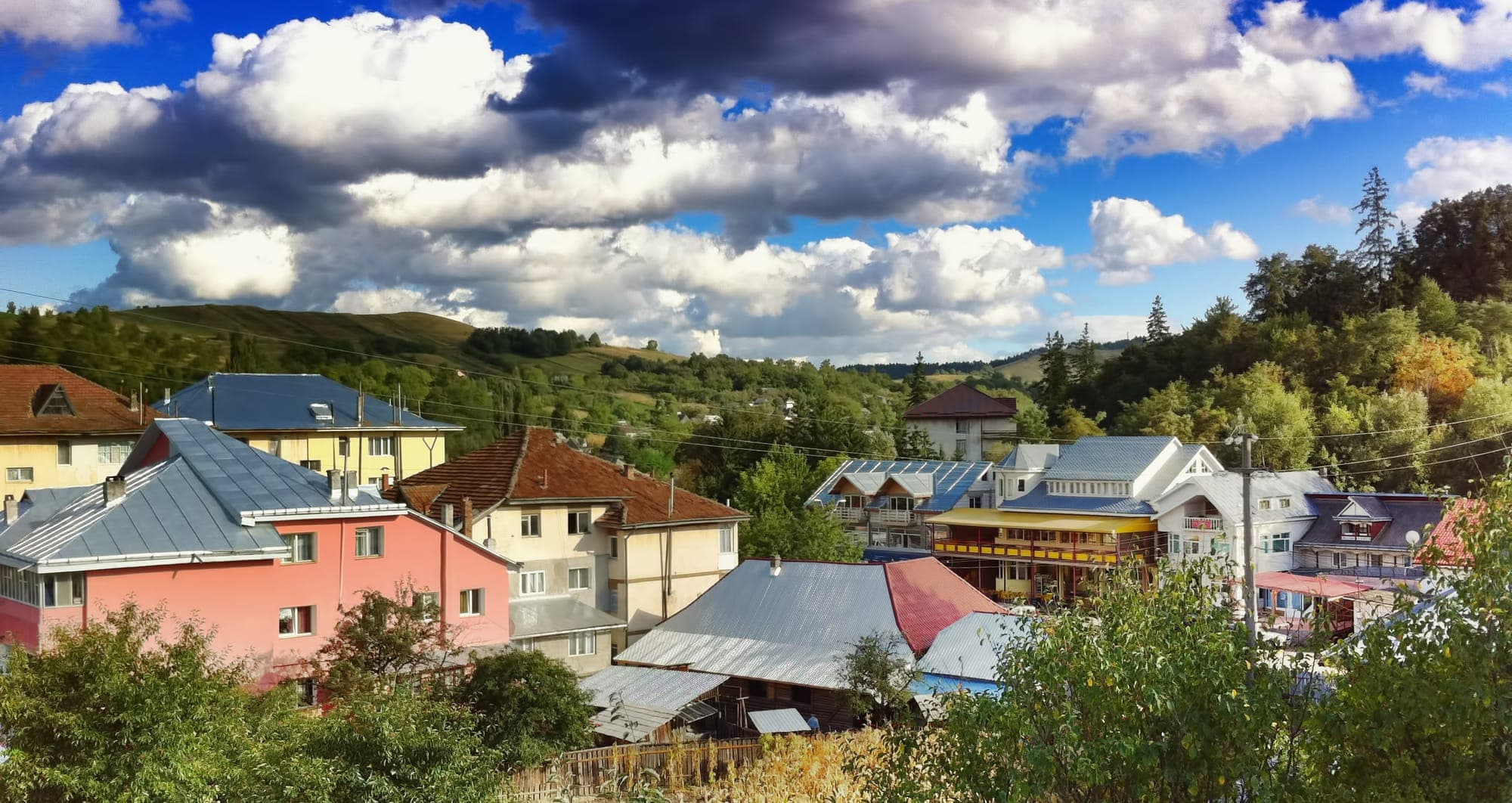
A small spa resort in the Salty Valley, 12 km from Târgu Neamț, with sodium chloride salt water from 14 springs, a treatment centre with 75 bath cabins and the “Dr. Dimitrie Cantemir” sanatorium.