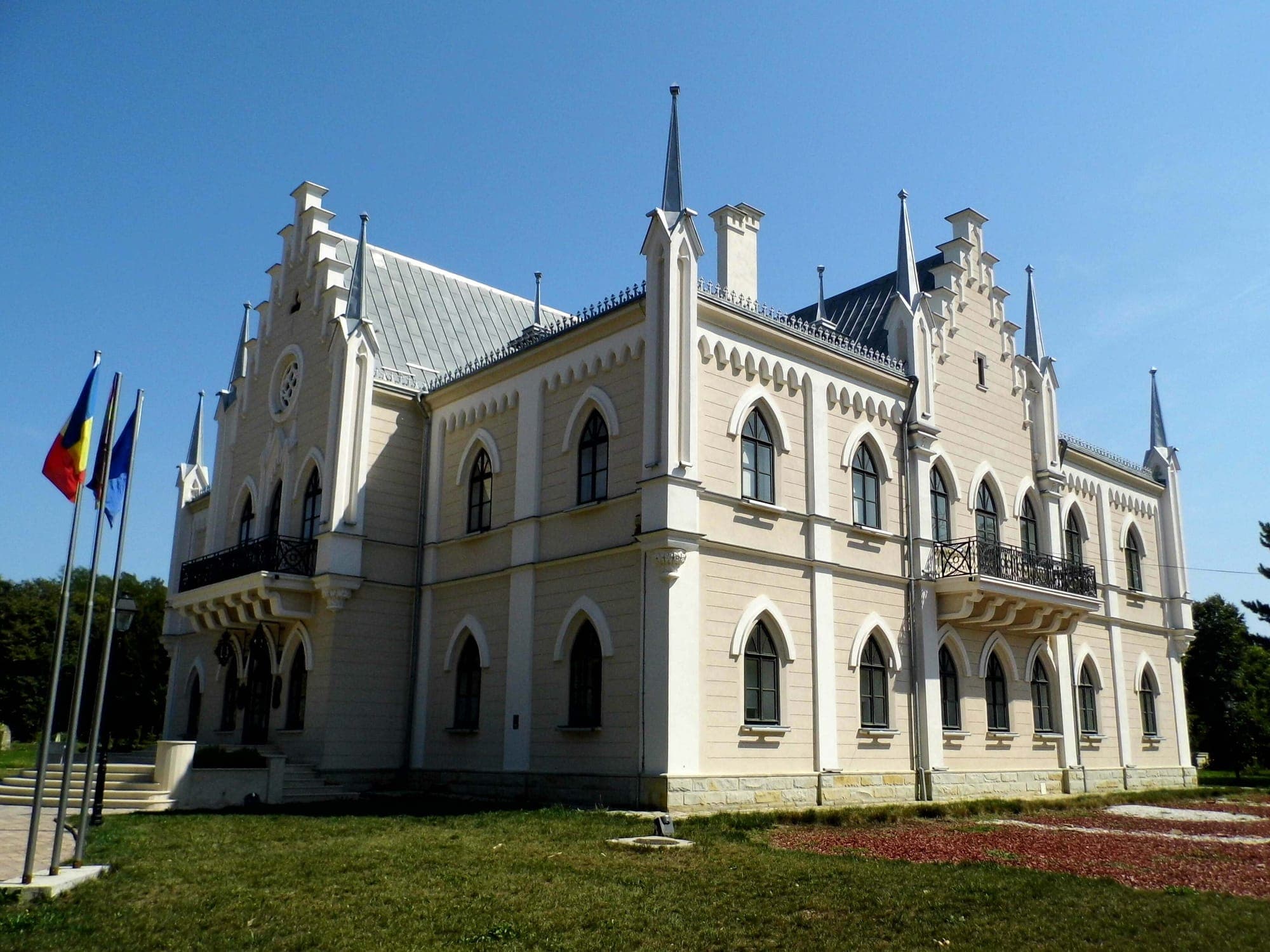
A Neo-Gothic palace of the Sturdza boyars, bought in 1862 by Alexandru Ioan Cuza and made the ruling family's residence; today a memorial museum with rooms recreated from Elena Cuza's inventory.
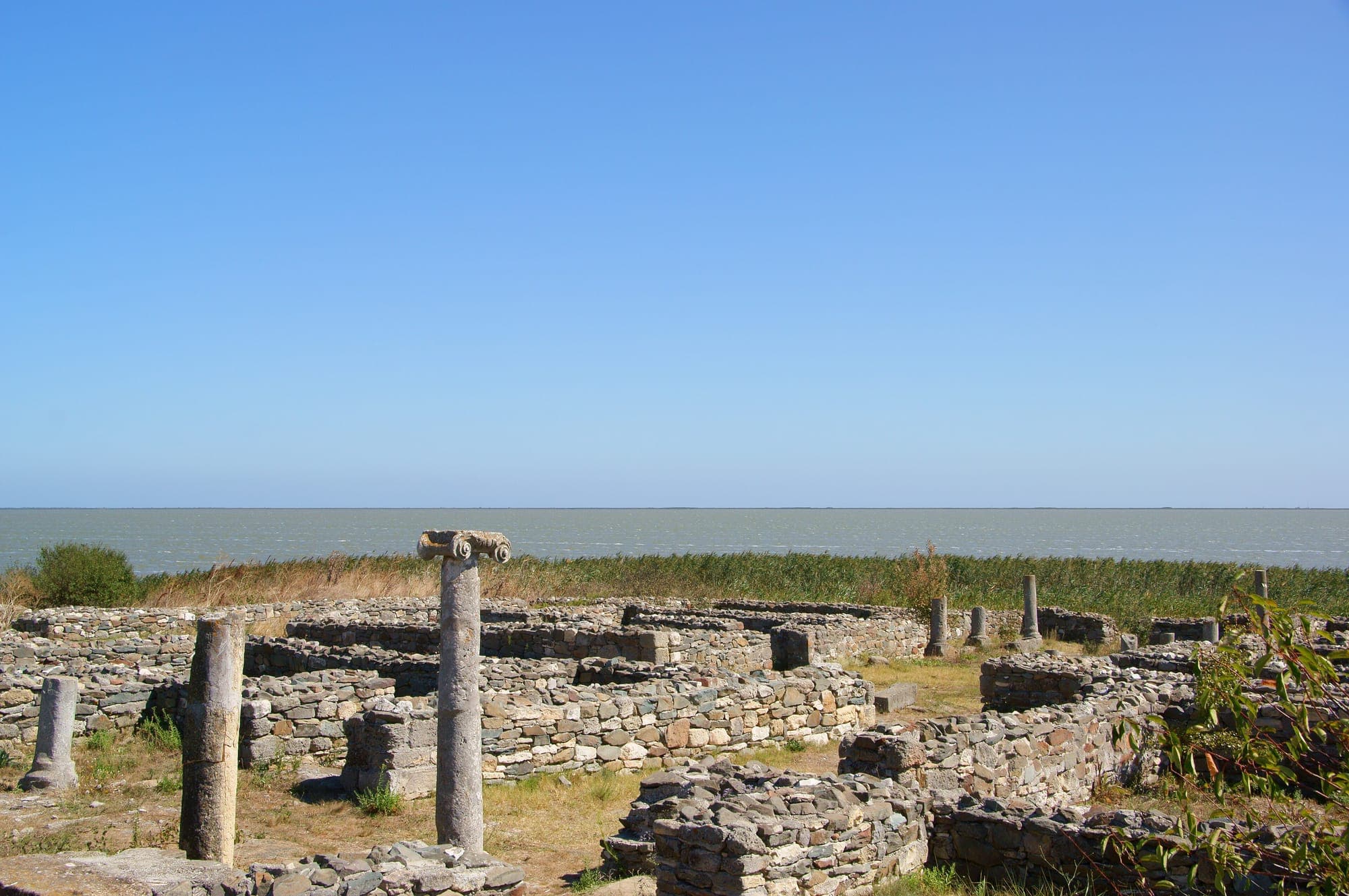
The ruins of the oldest city on Romanian soil, a Greek colony founded by Miletus in the 7th century BC on the shore of Lake Sinoe, with the site museum alongside.
Fortresses and fortificationsMuseums and memorial housesMonuments and historic sites
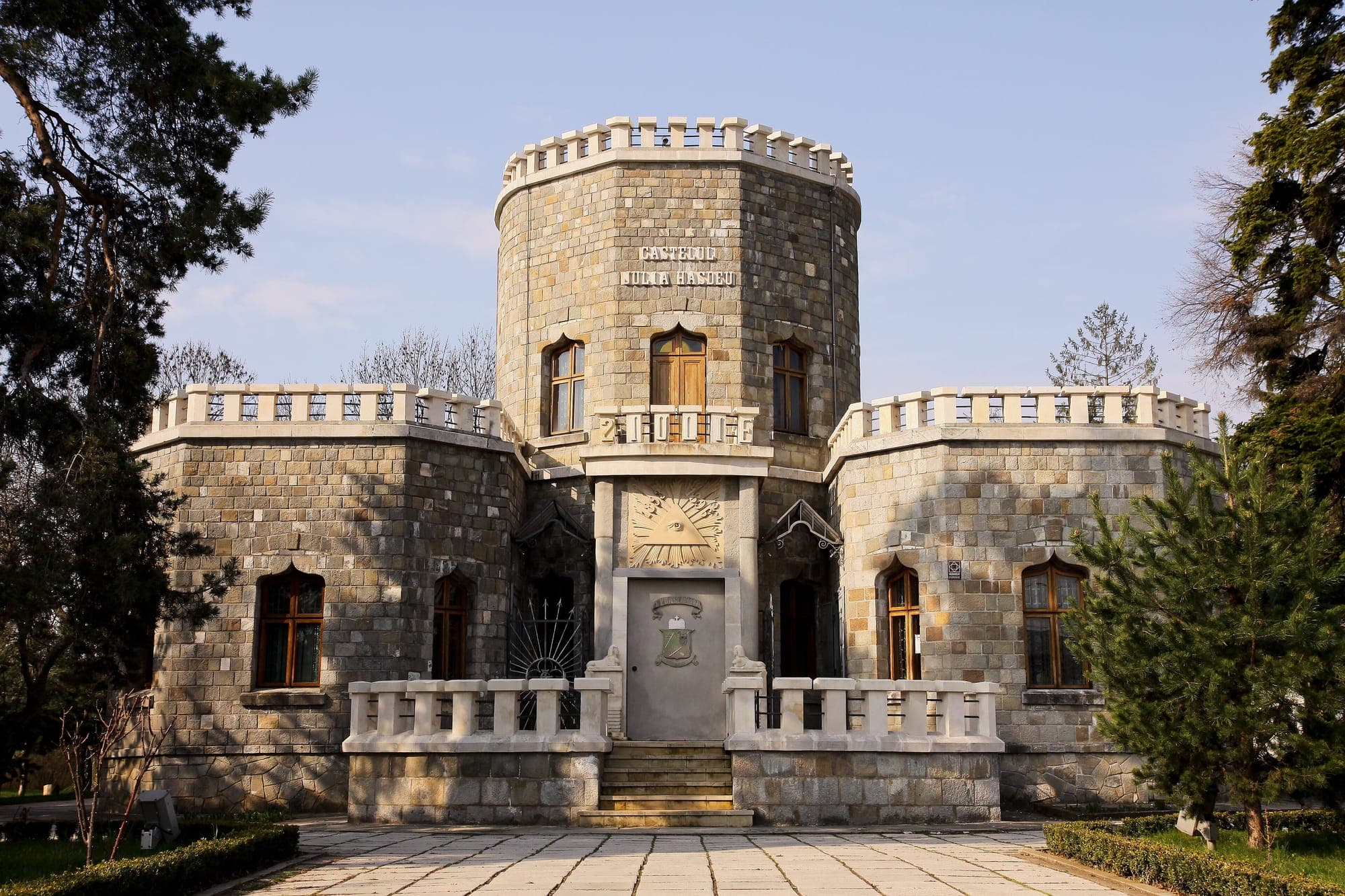
The temple-castle built by Bogdan Petriceicu Hasdeu in memory of his daughter Iulia, to plans he claimed she gave him in spiritualist séances; today a memorial museum.
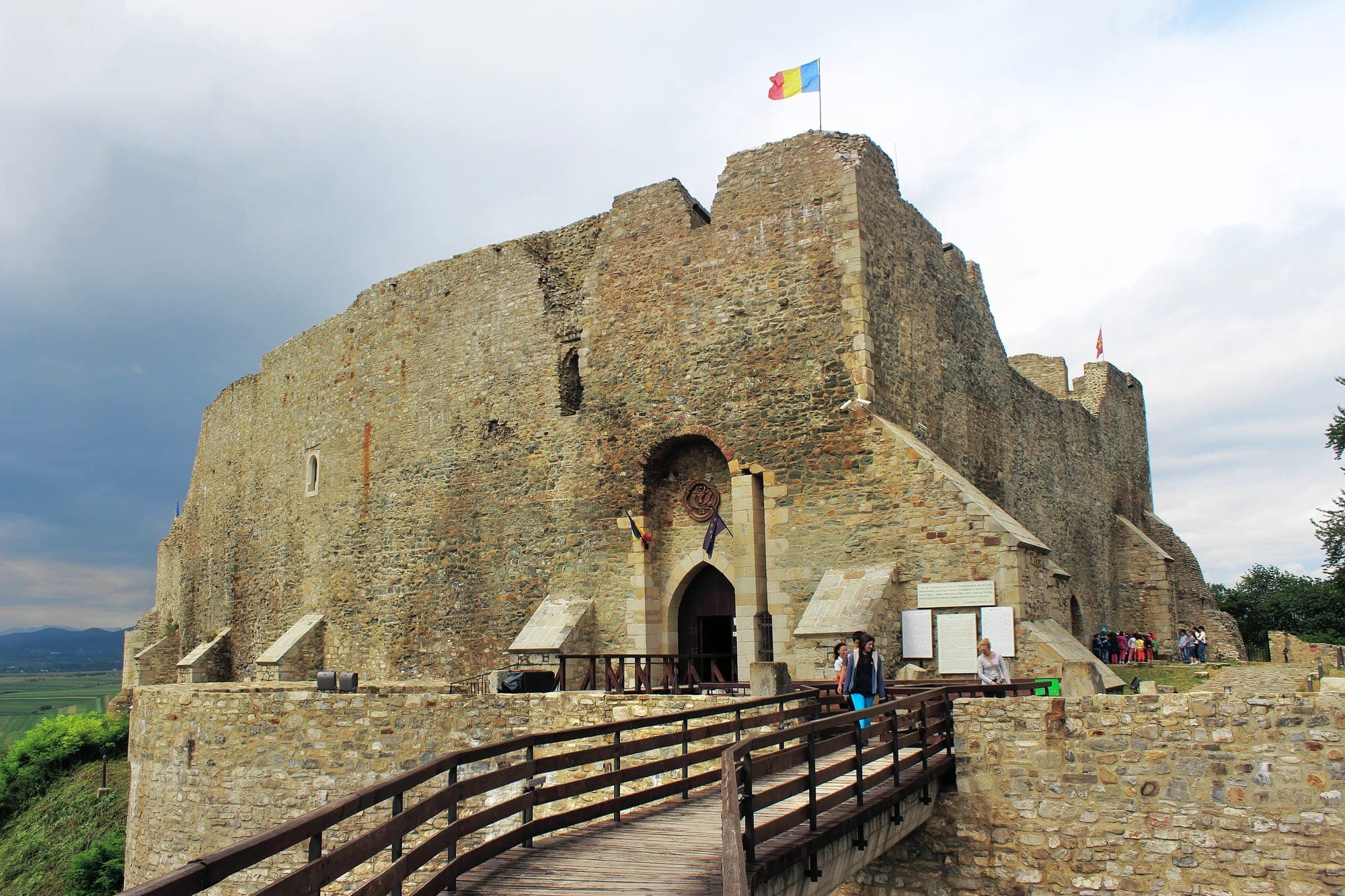
A medieval Moldavian fortress on a rocky spur above Târgu Neamț, built by the Mușatin princes and strengthened by Stephen the Great, which held out against Mehmed II's siege in 1476.
Fortresses and fortificationsMuseums and memorial houses
A masterpiece of Transylvanian Secession architecture, completed in 1913, with a gold-ground mosaic façade, the Hall of Mirrors and its 12 stained-glass windows, a concert hall with an organ and the Mureș County Museum's art galleries.
Queen Marie's Art Nouveau castle, built between 1899 and 1902 next to Peleș, with the Gold Room, the Gold Bedroom and interiors designed by the queen herself; her heart is kept here.
The Bucharest home of Nicolae and Elena Ceaușescu from 1965 to 1989, also known as the Ceaușescu Mansion or Spring Palace, with its lavish interiors, mosaic pool and private cinema, seen on guided tours only.
The former residence of Romania's kings on Revolution Square, now the National Museum of Art of Romania: the Throne Hall, the Voivodes' Staircase and the country's largest collection of Romanian and European art.
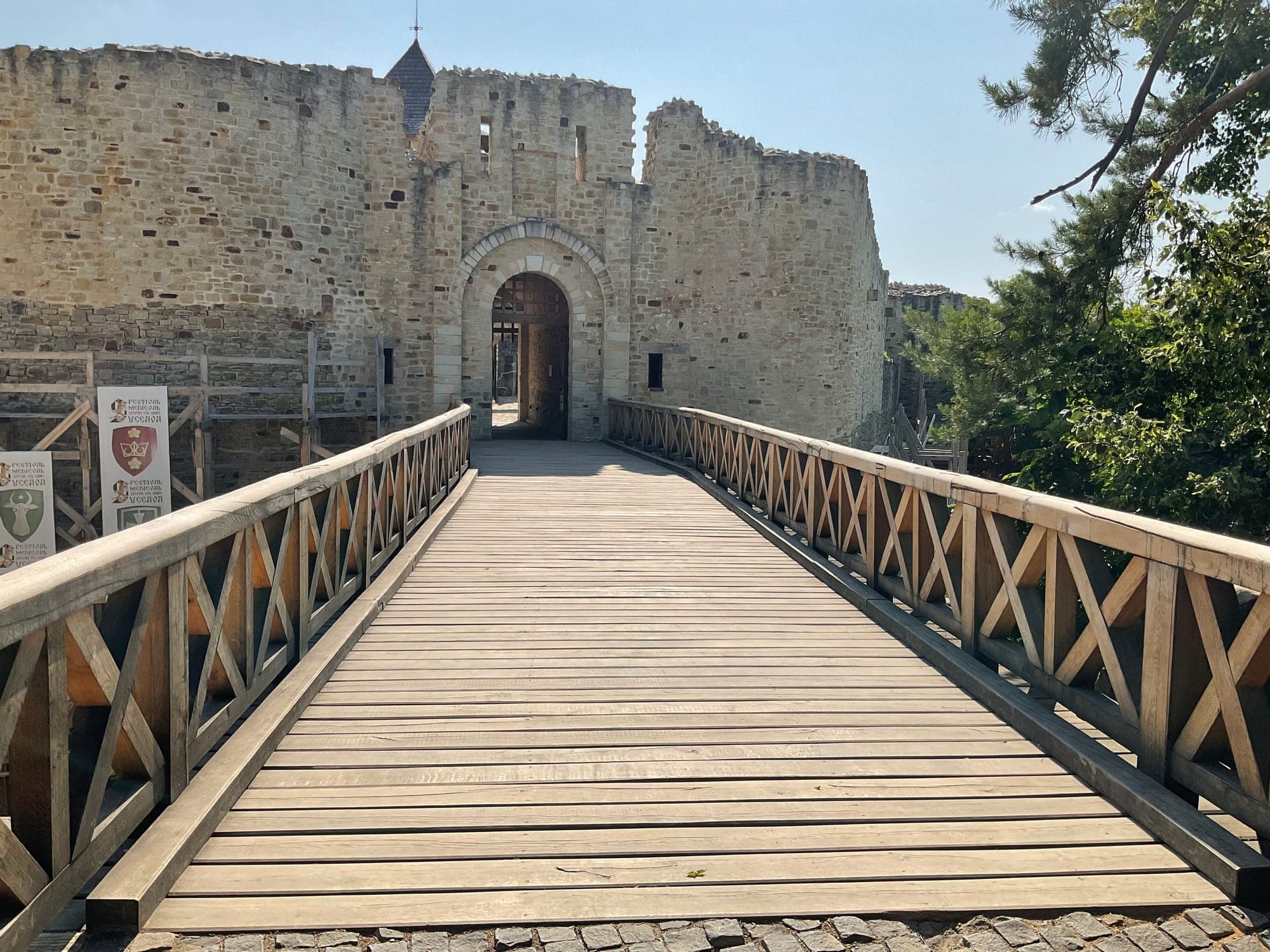
The stone stronghold of the princes of Moldavia in Suceava, built by Peter Mușat and strengthened by Stephen the Great, with a bridge over the moat, walls over 10 m high and a display of medieval arms and treasure.
Fortresses and fortificationsMuseums and memorial houses
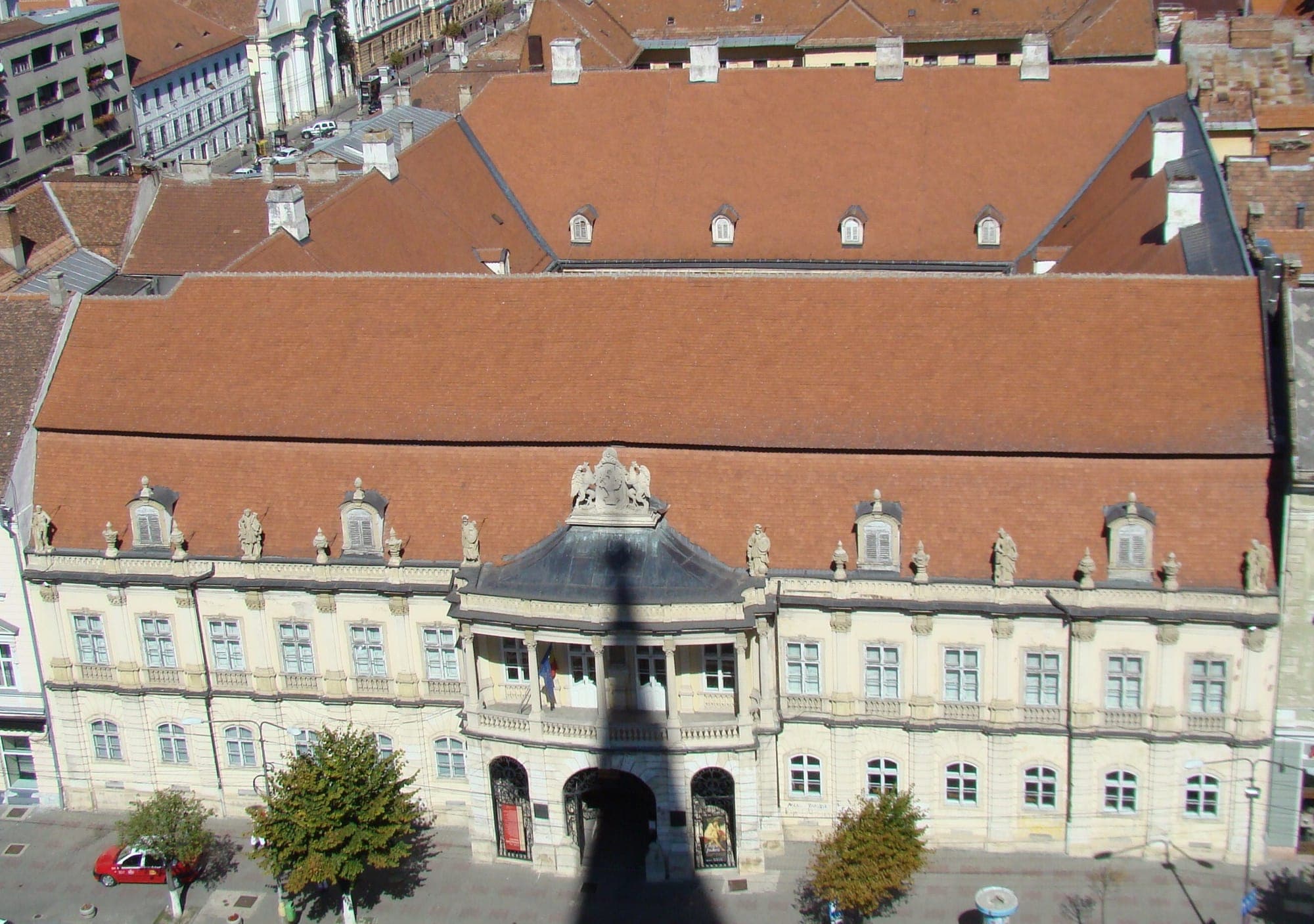
The finest Baroque palace in Transylvania, built between 1774 and 1785 on Cluj's Union Square, with classical statues along its attic; it houses the Art Museum, with five centuries of Romanian and Transylvanian painting.
The princely court built by Constantin Brâncoveanu in 1698 for his eldest son, with a loggia-fronted palace, walled courtyards and restored gardens, ~50 km from Bucharest.
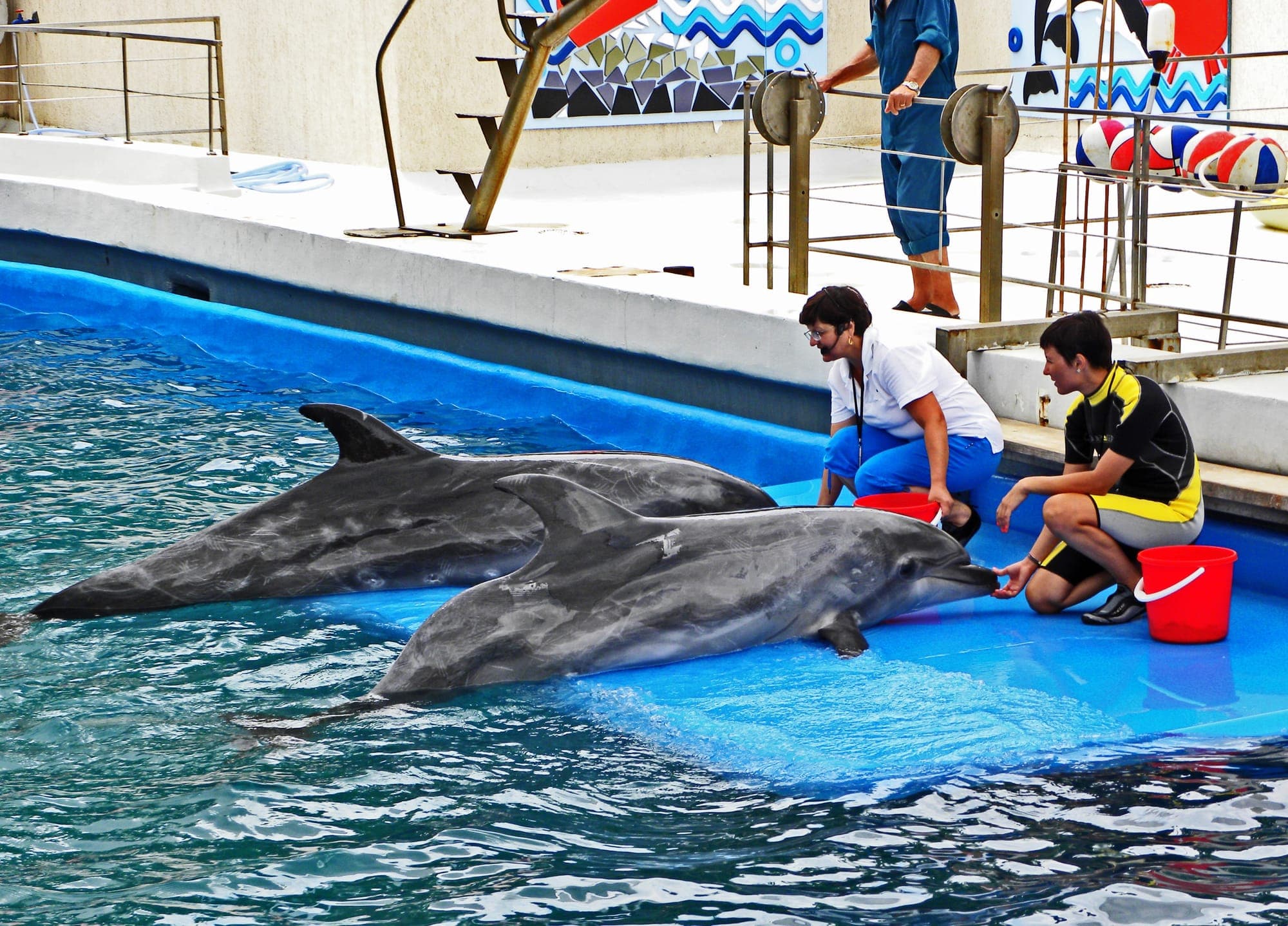
Romania's first dolphinarium, opened in 1972 on Mamaia Boulevard, with dolphin shows in a covered arena and, on the same ticket, a small reserve with Dobrujan birds and animals.
A Renaissance hunting manor of the Counts Kálnoky, begun in 1648, with bastions and rare stucco work, restored and opened in 2017 as the Museum of Transylvanian Life, with guided tours.
 Top 100