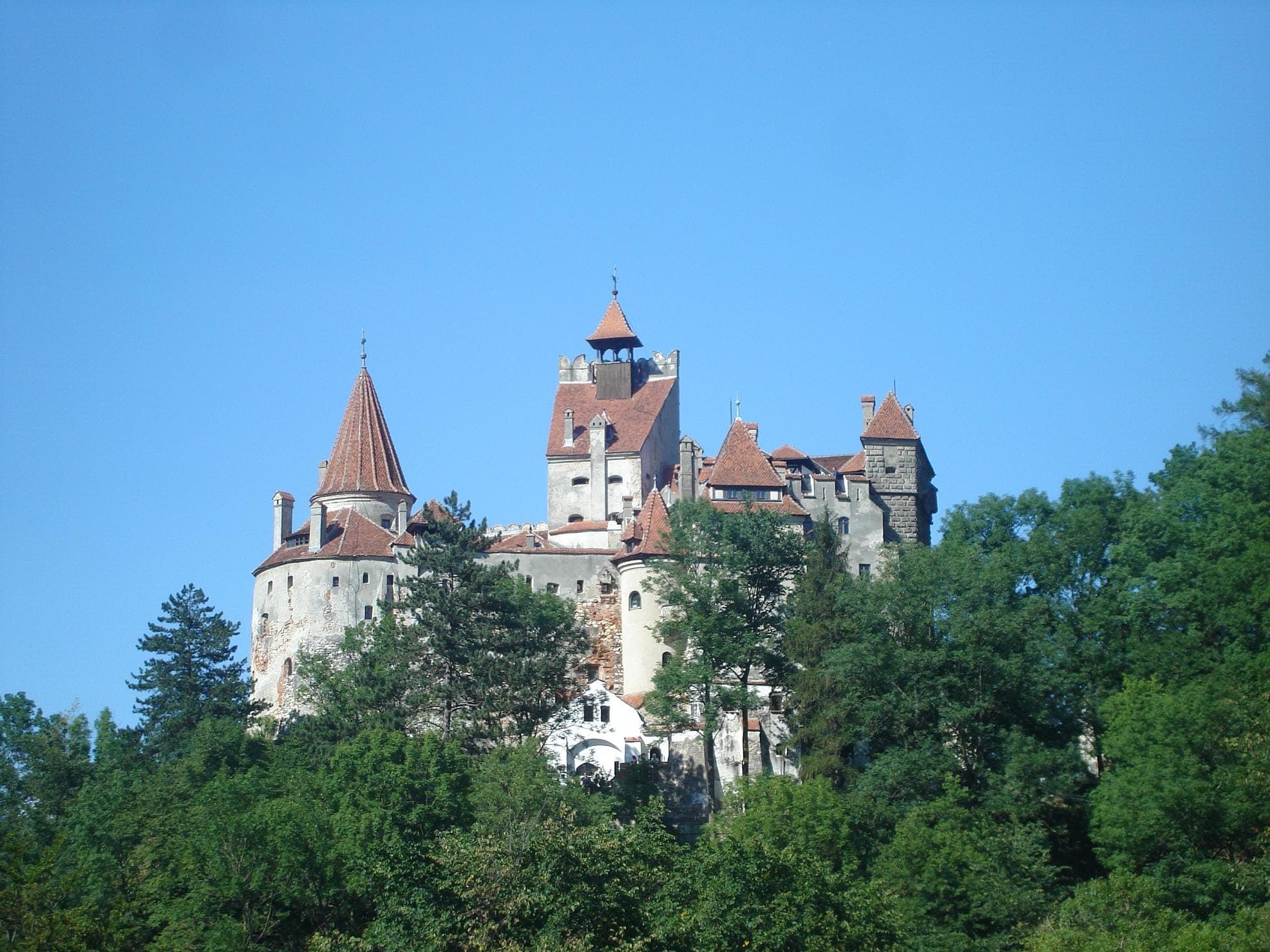
A medieval fortress built by the people of Brașov on a rock in the Bran Pass, later Queen Marie's summer residence and known around the world as “Dracula's Castle”.
Castles and palacesFortresses and fortificationsMuseums and memorial houses
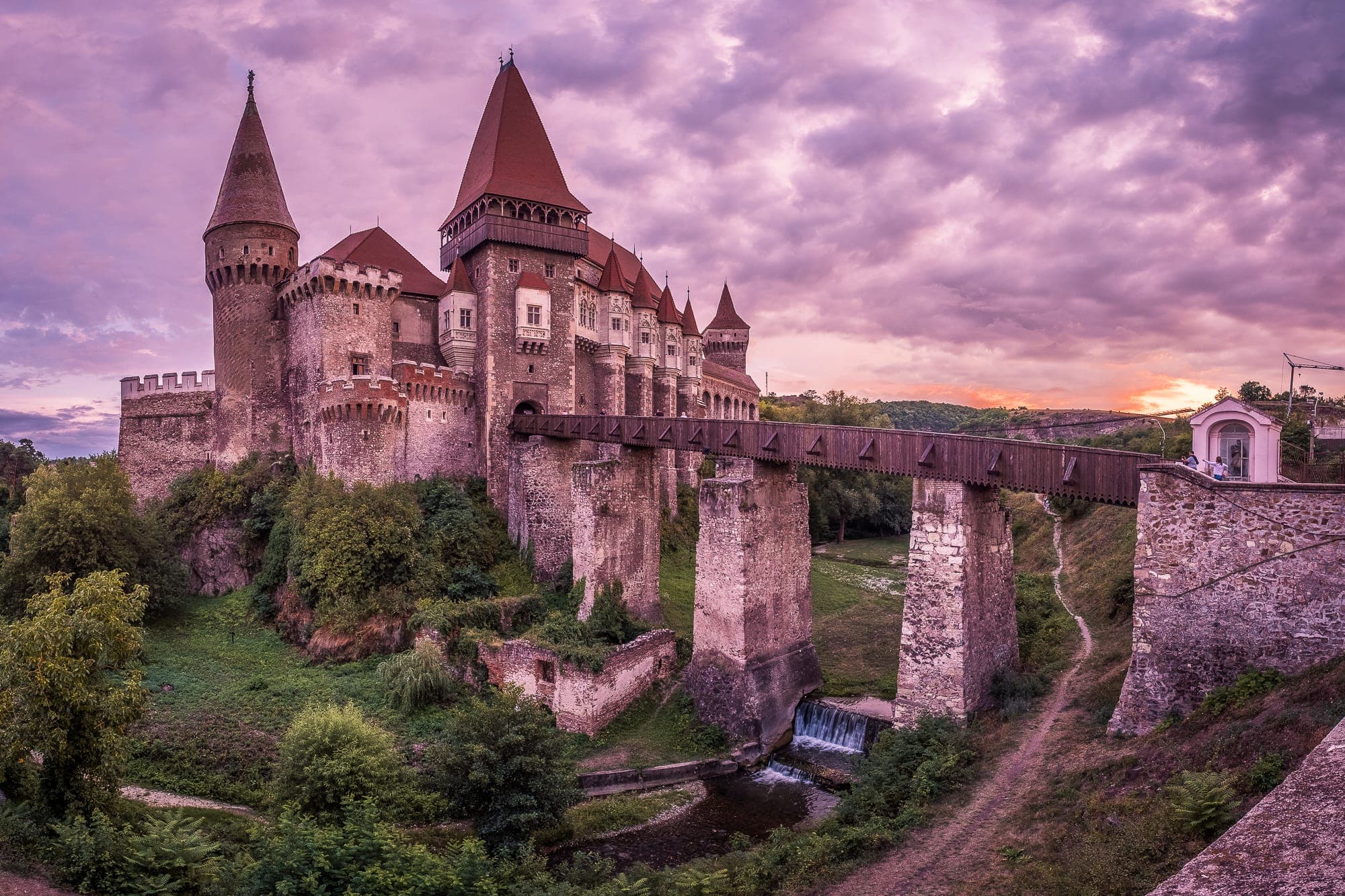
John Hunyadi's Gothic residence, on a rock above the Zlaști river and reached by a long bridge on stone piers; inside, vaulted halls and towers from the 15th century.
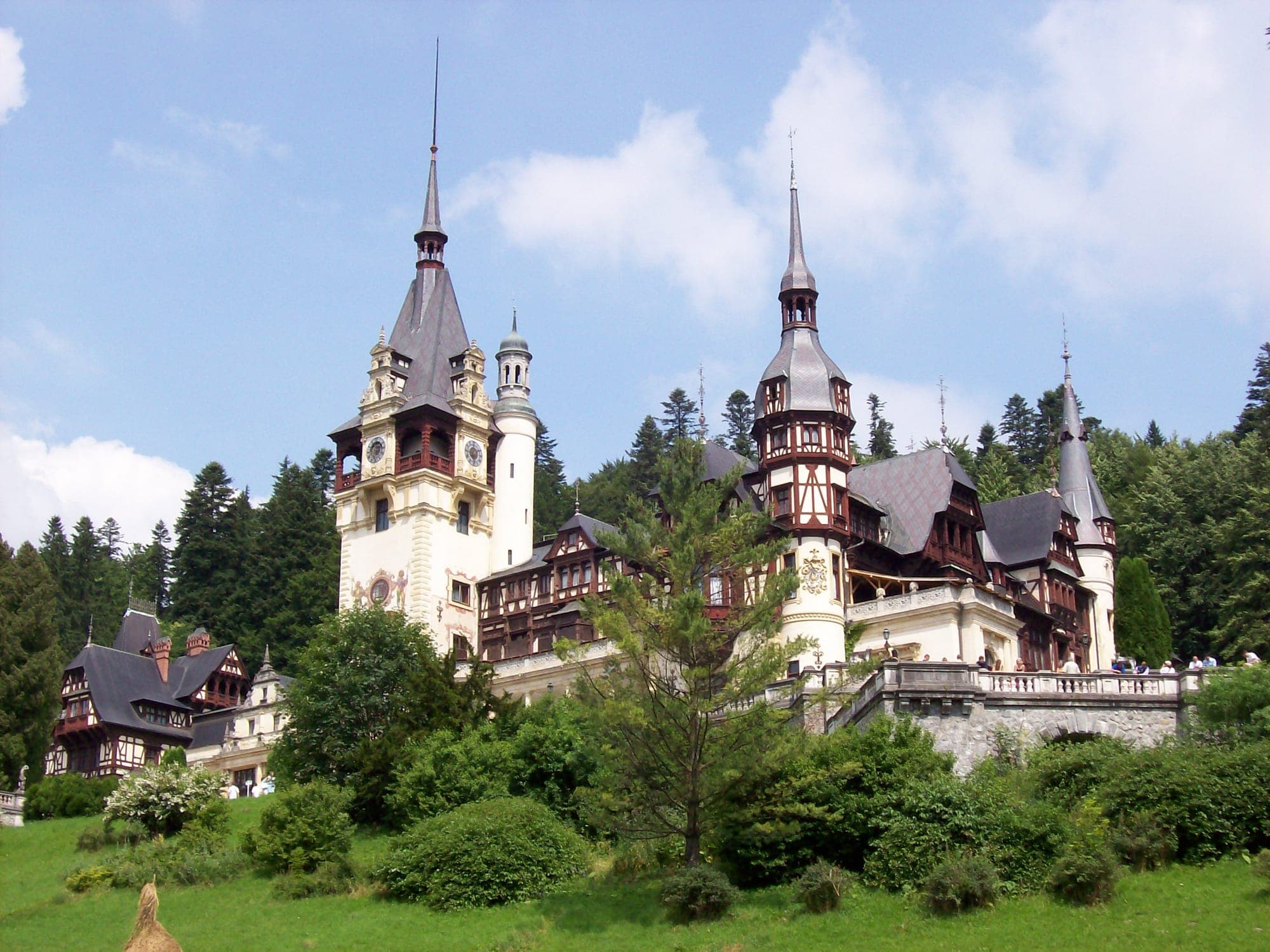
King Carol I's summer residence, built between 1873 and 1914 at the foot of the Bucegi Mountains in Sinaia, with carved wooden interiors, armouries and stained glass.
The Baroque palace of Governor Samuel von Brukenthal on Sibiu's Great Square has housed Romania's oldest museum since 1817: a gallery of European painting with van Eyck, Titian and Bruegel.
The Neo-Romanian summer residence of the 'Nabob' Gheorghe Grigore Cantacuzino, with a ballroom lined with coats of arms, a terrace facing the Bucegi Mountains and the Nevermore Academy exterior from Wednesday.
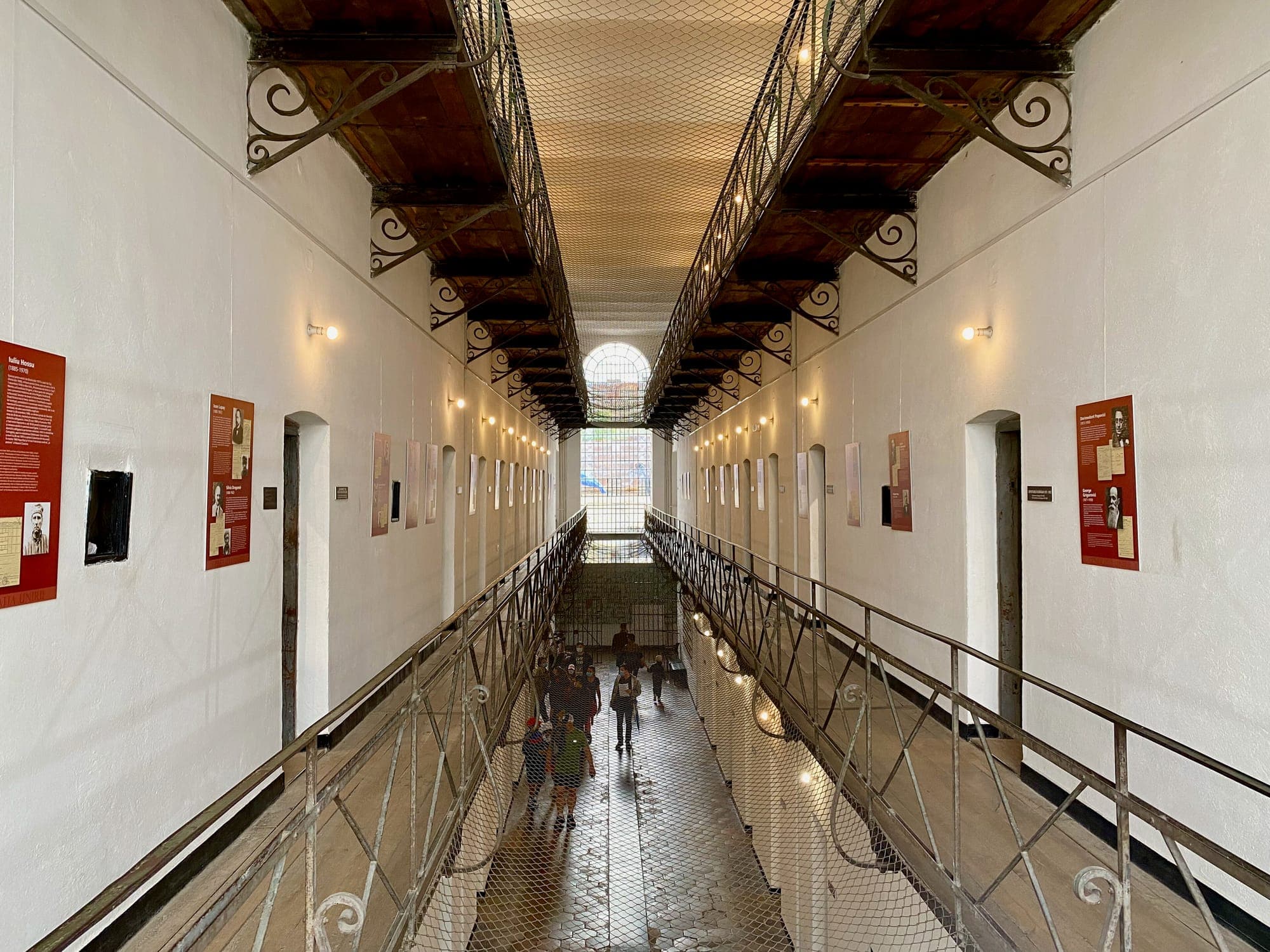
The former Sighet prison, where the political elite of interwar Romania died, turned by Ana Blandiana and Romulus Rusan into the first museum of communism in Eastern Europe; over 50 cells made into exhibition rooms.
Museums and memorial housesMonuments and historic sites
Romania's largest open-air museum, in the Dumbrava forest outside Sibiu: over 300 houses, mills, workshops and wooden churches brought from across the country, along ~10 km of paths.
Museums and memorial housesVillages and traditions
Eclectic castle with towers and a moat, rebuilt in 1894–1896 by the Károlyi family in the middle of a three-century-old dendrological park; inside, period interiors, wax figures and African trophies.
Transylvania's largest Baroque aristocratic residence, gutted in 1944 and being brought back to life by an award-winning training site; neo-Gothic façade, lapidarium and an exhibition on Miklós Bánffy.
The royal residence of King Ferdinand and Queen Marie, today the seat of the Romanian Presidency and the National Cotroceni Museum: period salons, the king's library, the queen's apartments and Șerban Cantacuzino's rebuilt church.
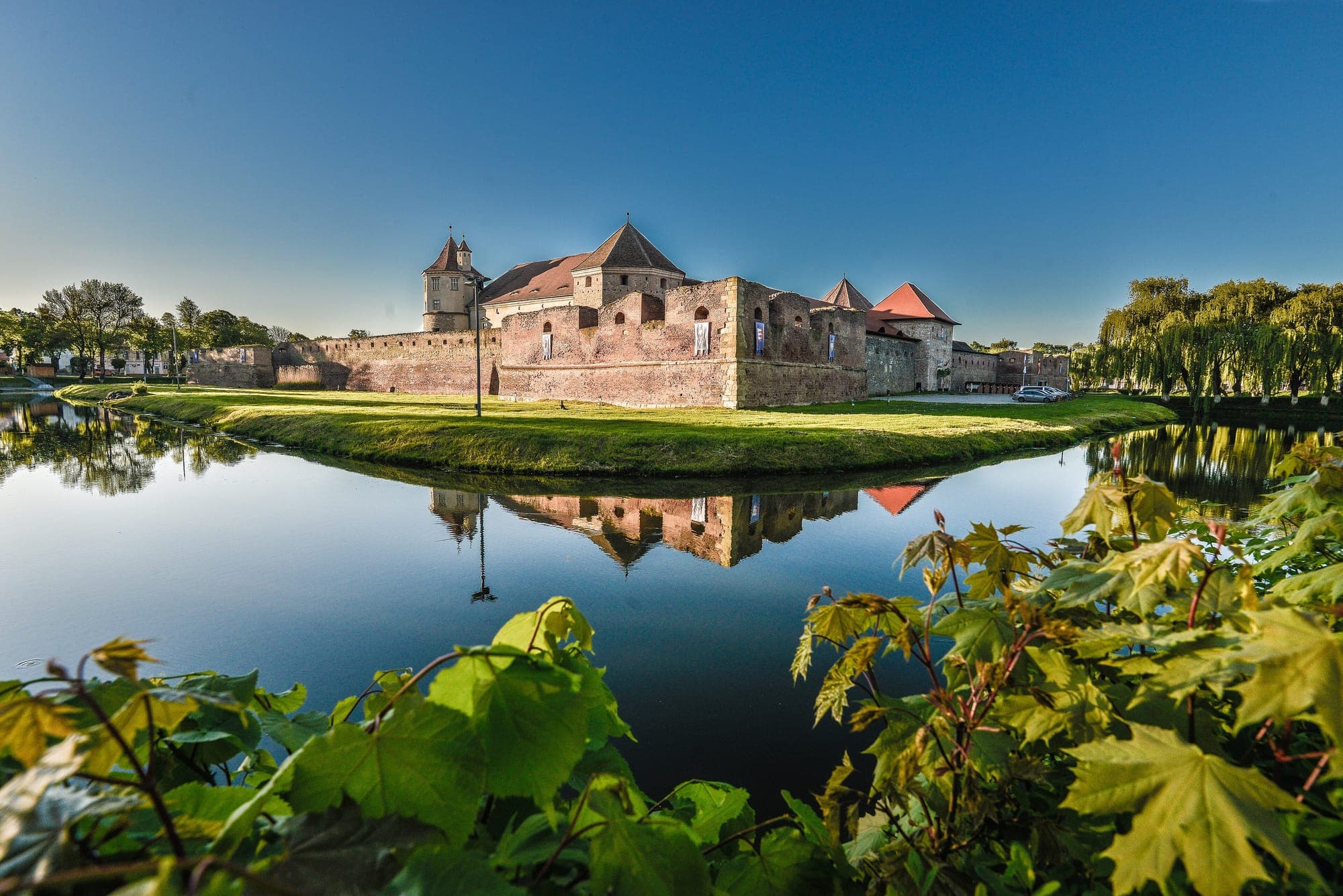
A moated, bastioned fortress in the centre of Făgăraș, seat of the princes of Transylvania in the 17th century and now home to the Făgăraș Land Museum.
Fortresses and fortificationsMuseums and memorial houses
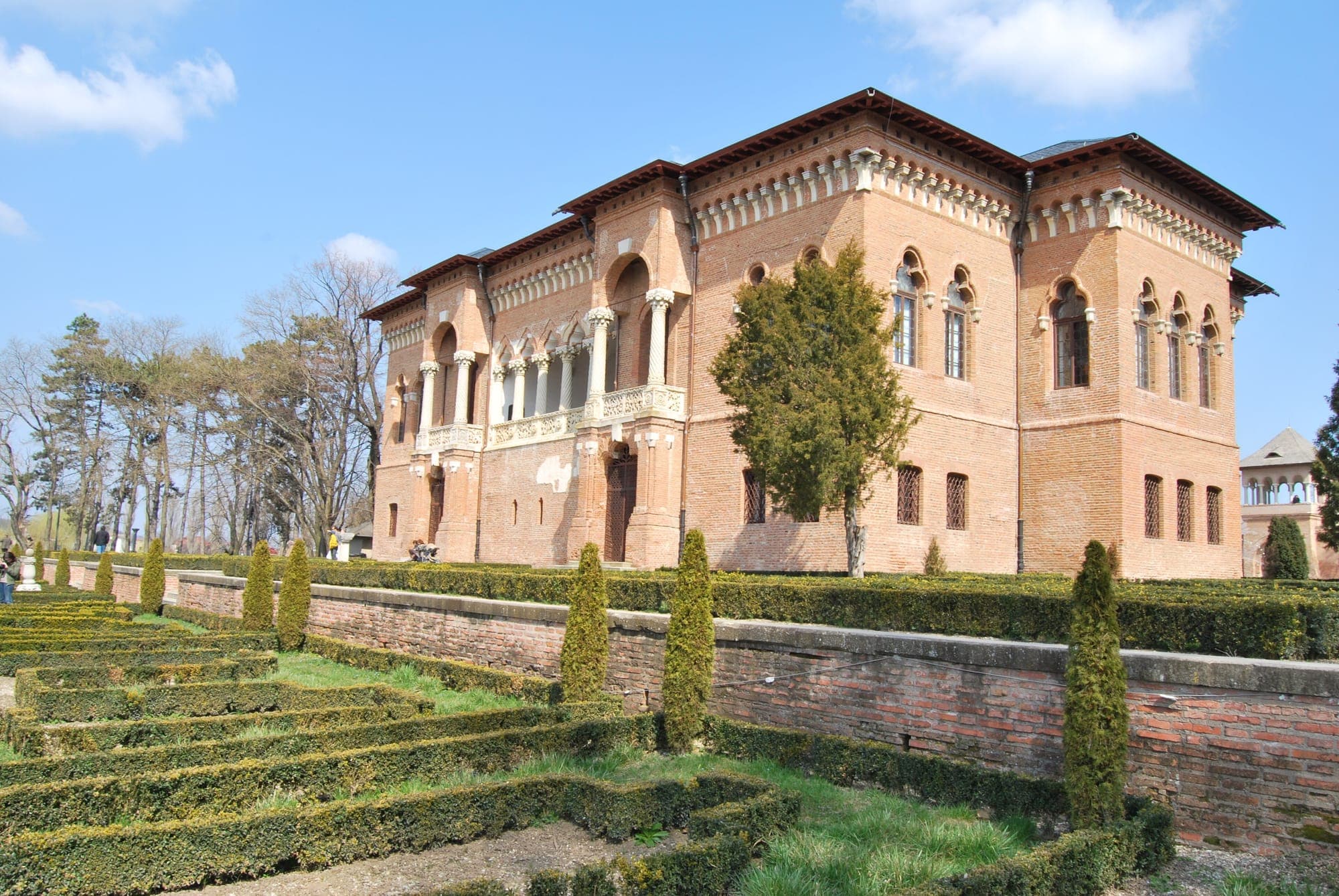
The Brâncovenesc palace built by Constantin Brâncoveanu in 1702, with its carved stone loggia, the old kitchen, a church from 1688 and a large lakeside park, 15 km from the centre of Bucharest.
The Neo-Gothic palace with a clock tower and carillon in the centre of Iași, built in 1906–1925 as a Palace of Justice; today it houses four national museums of art, history, ethnography and science.
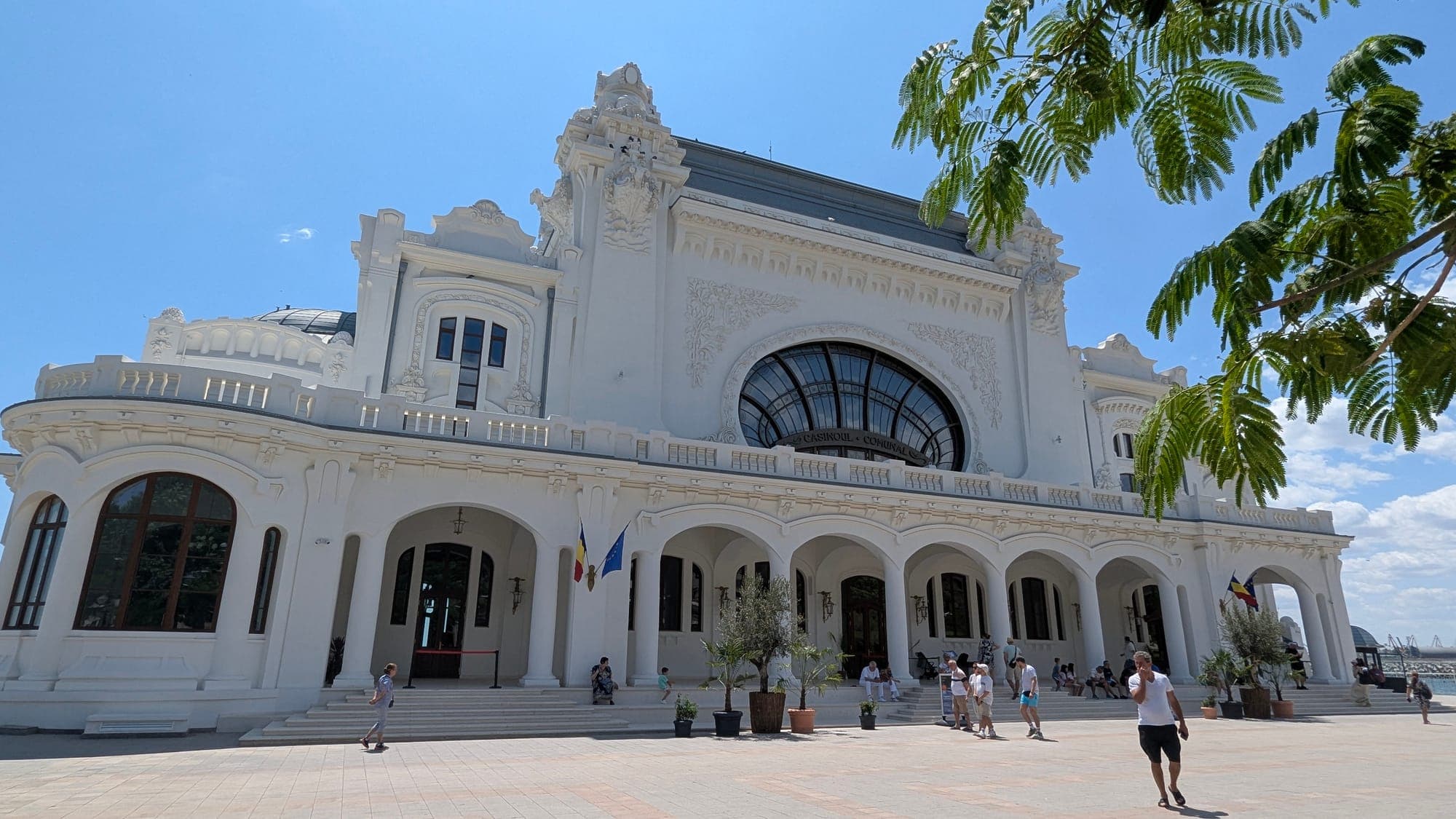
The Art Nouveau building on the Constanța seafront, opened in 1910, left to decay after 1990 and reopened in 2025 after restoration, with exhibitions on its history and on the Black Sea.
Monuments and historic sitesMuseums and memorial housesSeaside
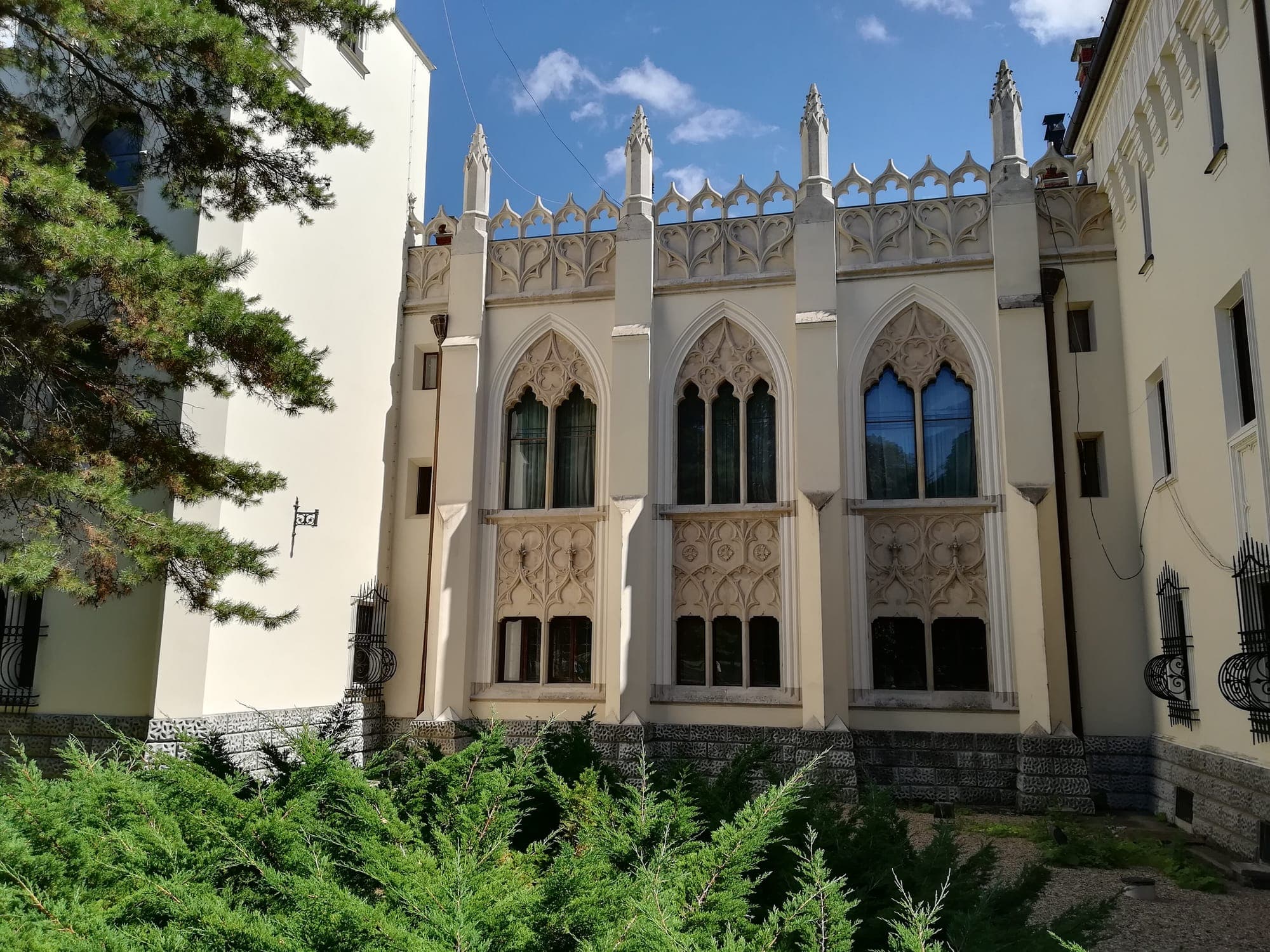
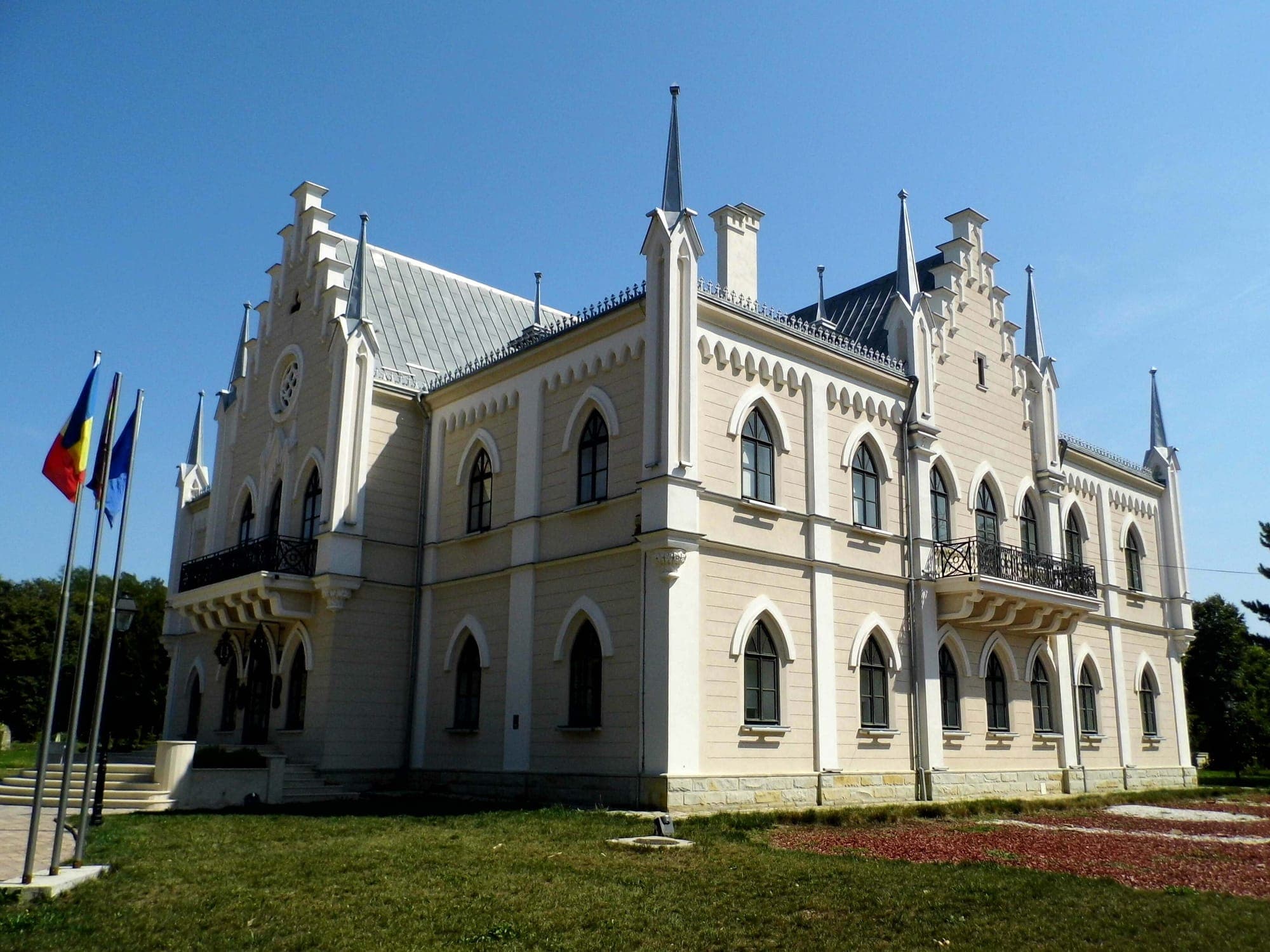
A Neo-Gothic palace of the Sturdza boyars, bought in 1862 by Alexandru Ioan Cuza and made the ruling family's residence; today a memorial museum with rooms recreated from Elena Cuza's inventory.
 Top 20