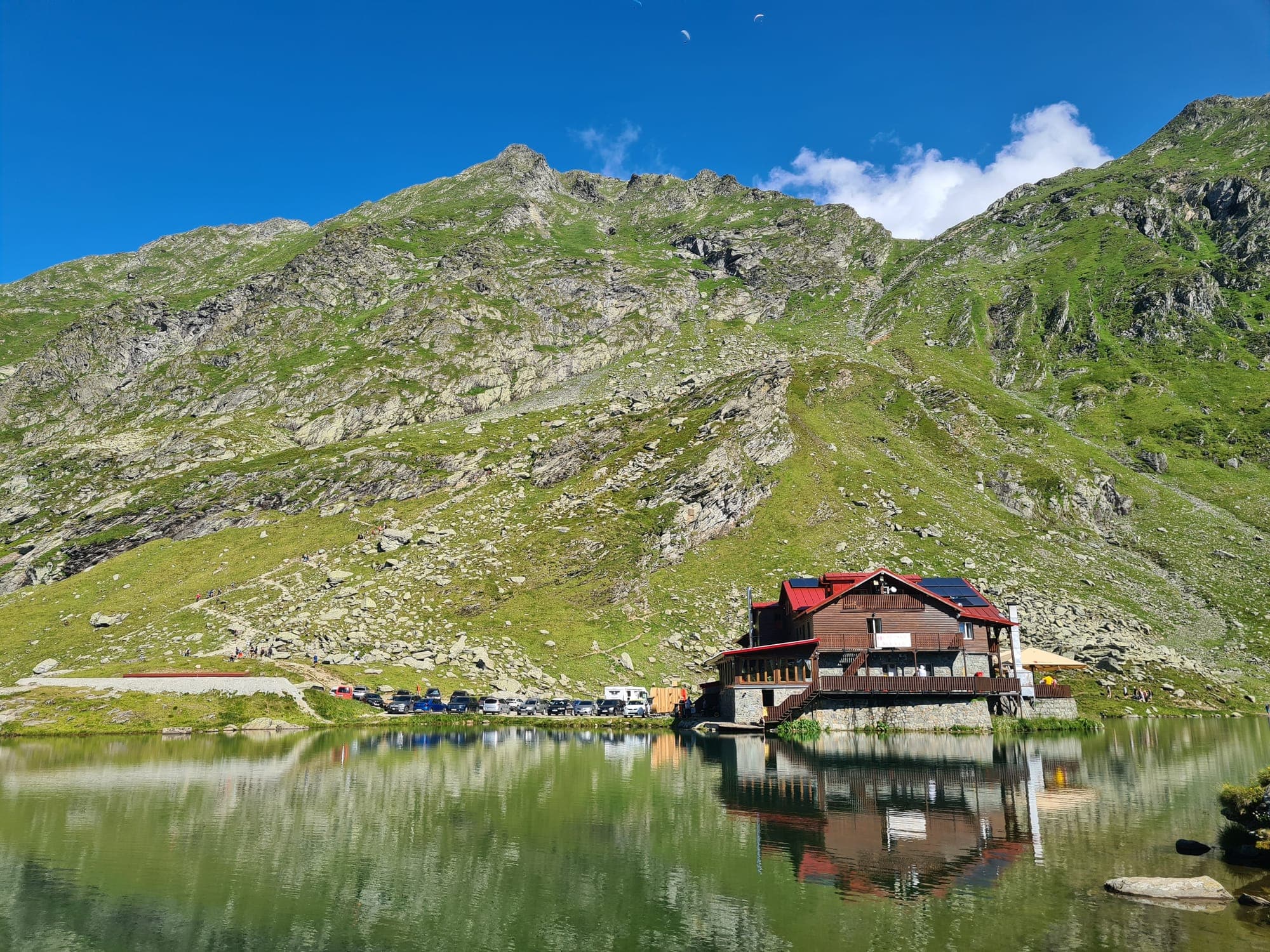
A glacial lake at 2,034 m in the Bâlea cirque of the Făgăraș Mountains, at the top of the Transfăgărășan; reachable by car in summer and by cable car all year round.
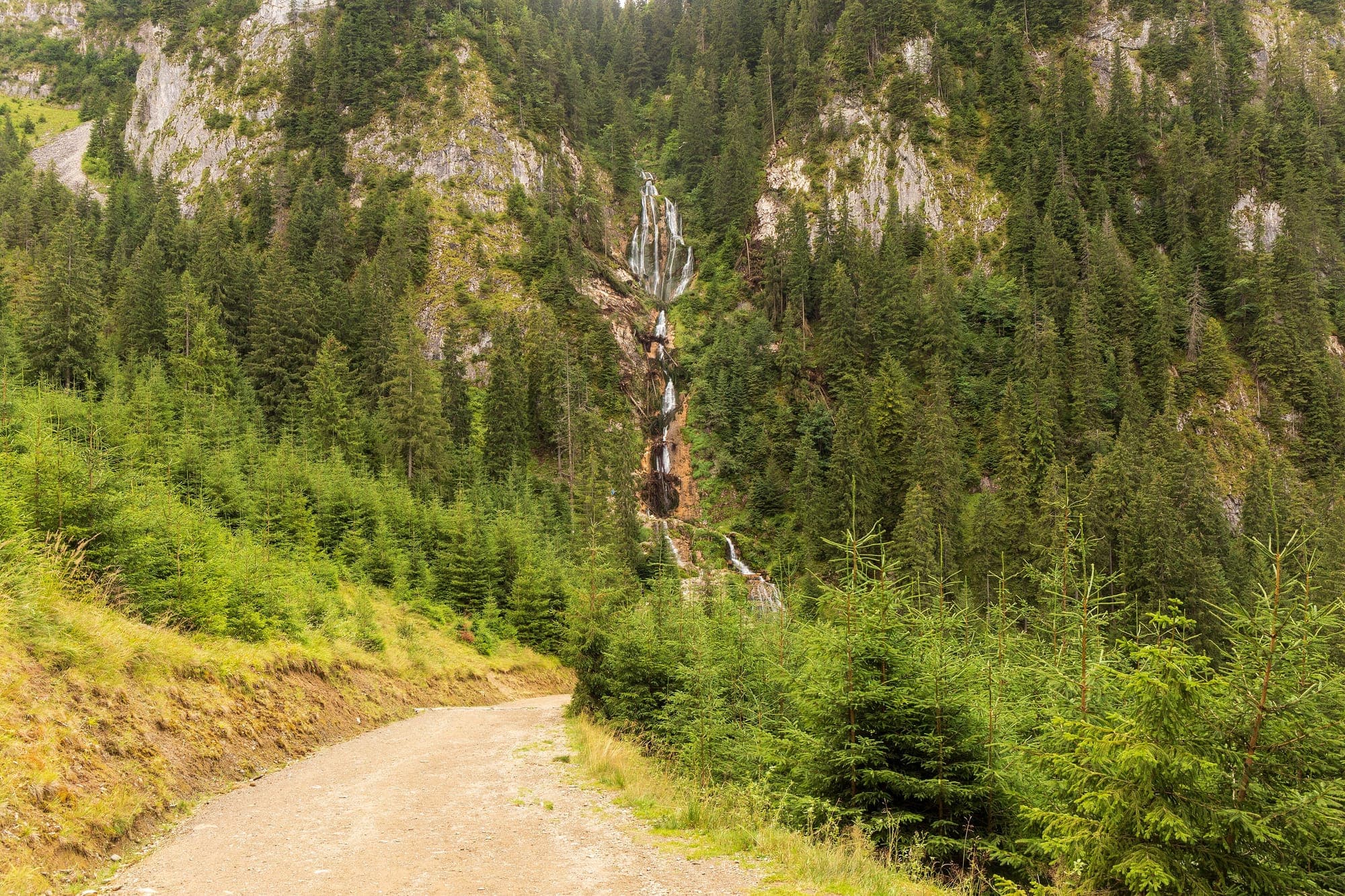
A roughly 90 m waterfall that drops in several tiers down a limestone wall in the Rodna Mountains, above the resort of Borșa; reached by chairlift and a short forest walk.
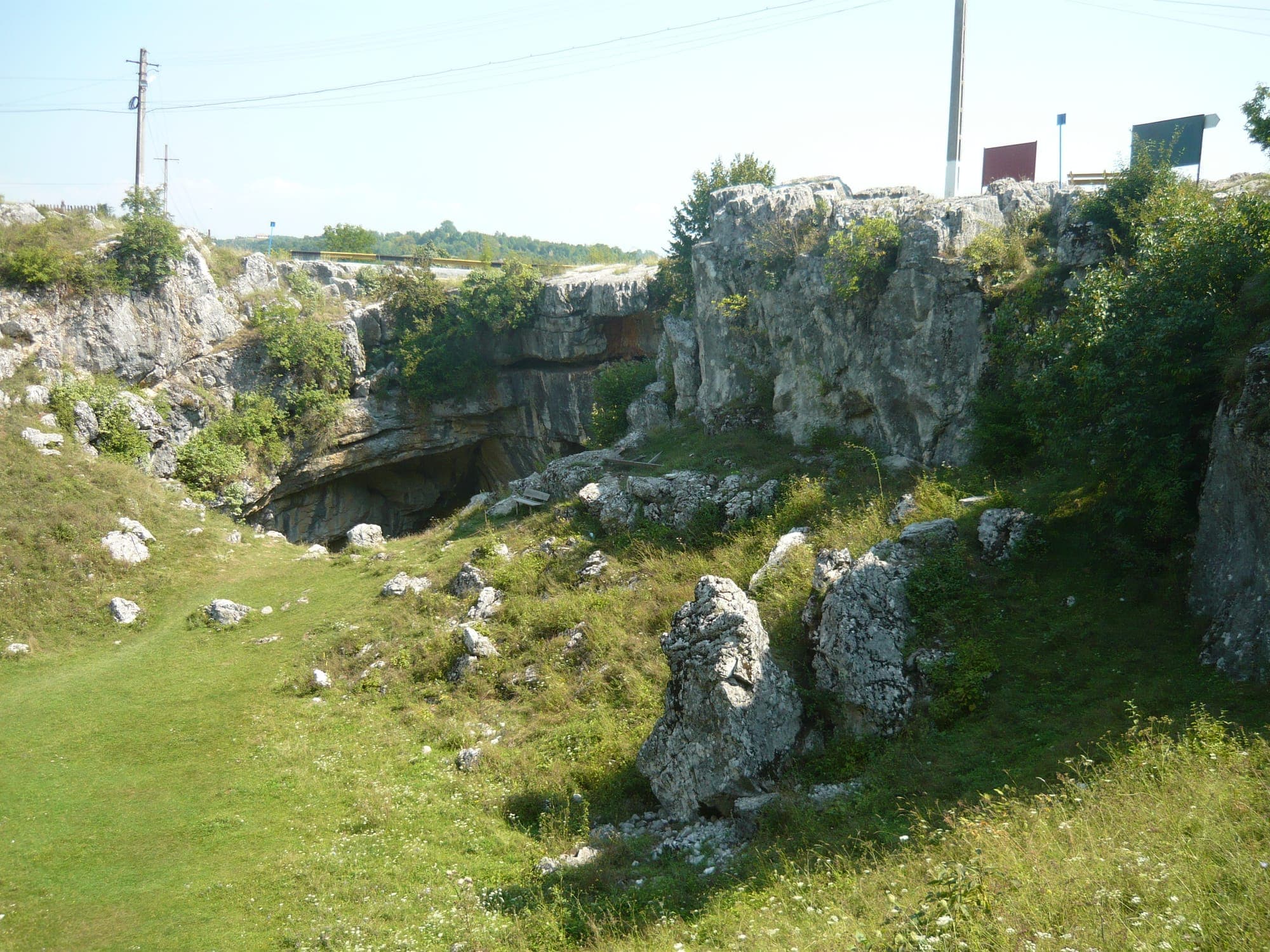
Romania's largest natural bridge and the only one in the world carrying a public road: a 30 m limestone arch left standing after a cave roof collapsed, in the village of Ponoarele on the Mehedinți Plateau.
A karst complex on the Padiș Plateau: three huge sinkholes with walls over 200 m high and a portal over 70 m tall where the Cetăților stream vanishes into the mountain. Seen from a marked hiking loop, not a show cave.
The narrowest stretch of the Danube Gorge, between Dubova and Ogradena: the river squeezes between limestone walls, with Serbia on the far bank, seen by boat or from Ciucaru Mare.
A natural dam lake formed in 1837, when a mountainside blocked the Bicaz valley; the trunks of the drowned forest still rise from the water, at the upper end of the Bicaz Gorge.
A roughly 30 m, two-tiered waterfall at the foot of the Vlădeasa massif, on the Stanciului valley near Răchițele; the water fans out over the rock like a veil, and in winter the frozen wall is an ice-climbing spot.
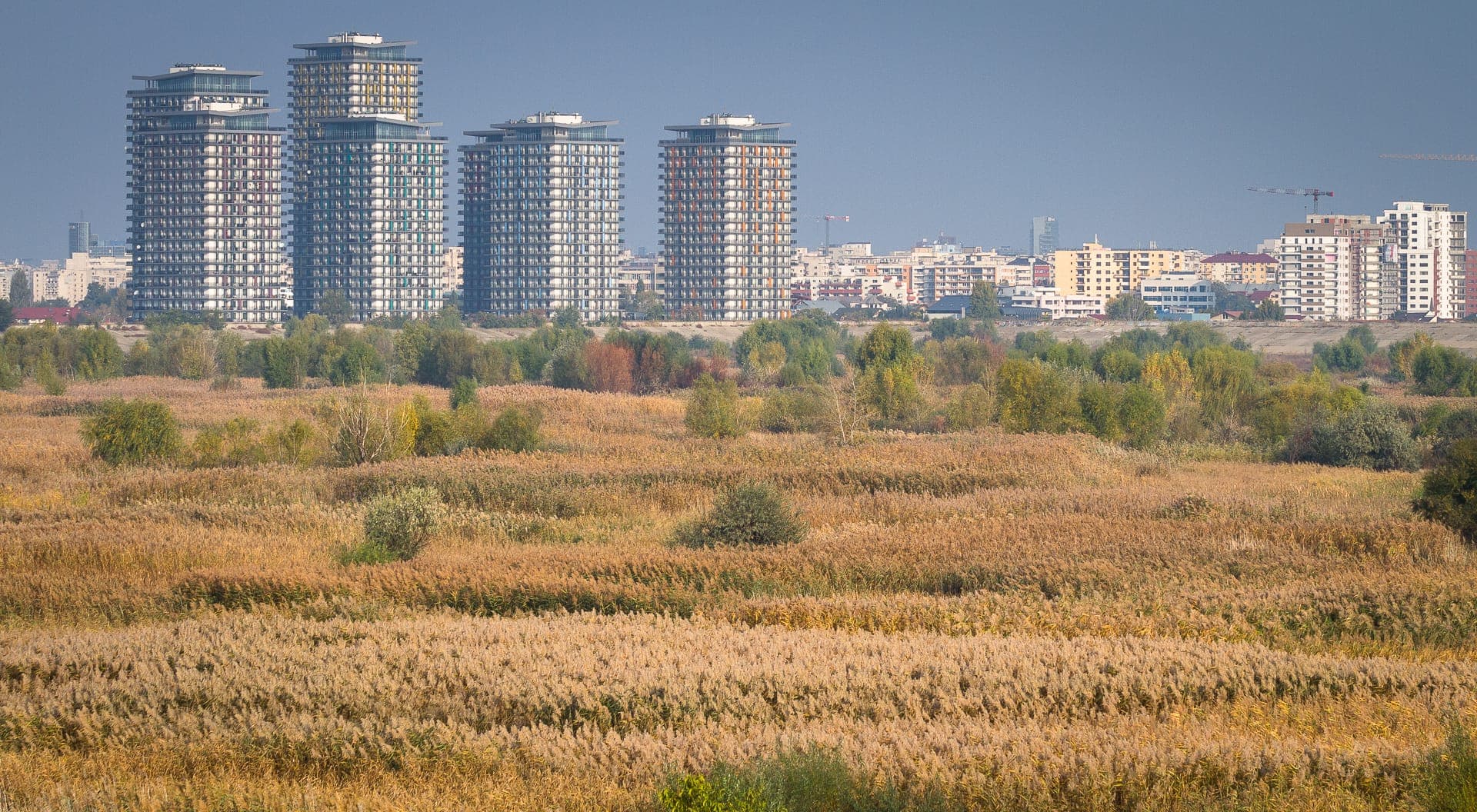
Romania's first urban nature park: 183 ha of ponds, reed beds and willows inside an abandoned reservoir in southern Bucharest, home to over 180 bird species, otters and foxes, a few hundred metres from the tower blocks.
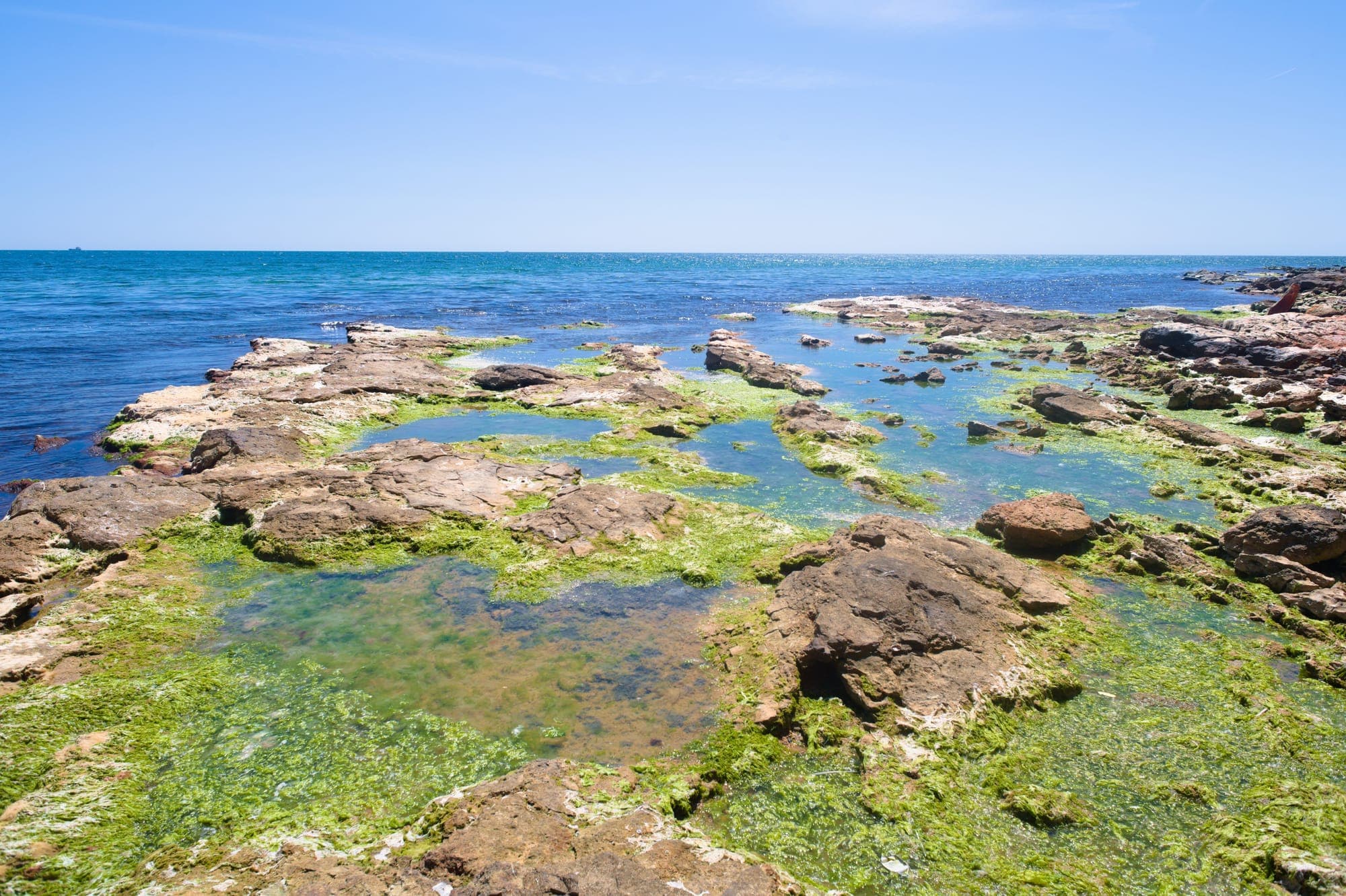
The only marine reserve on the Romanian coast: the waters between 2 Mai and the Bulgarian border, with stone reefs, brown seaweed beds and mussel banks to see with a mask or on a dive.
The only marine dunes left on the Romanian coast, protected since 1939 in the grounds of the Agigea Marine Biological Station: rare sand plants, tortoises and a free themed trail.
An undeveloped cave in the Bihor Mountains near Casa de Piatră: a huge portal, tens of metres high, through which the Gârdișoara stream vanishes underground.
An ice cave in the forests of the Galbena Valley near Padiș, reached on foot along a marked trail. Around midday, light pours in through a hole in the roof and falls on the ice.
Romania's largest natural dam lake, formed by landslides between 1978 and 1991 in the Stânișoarei Mountains, with bare spruce trunks rising out of the water; reached on foot through the forest.
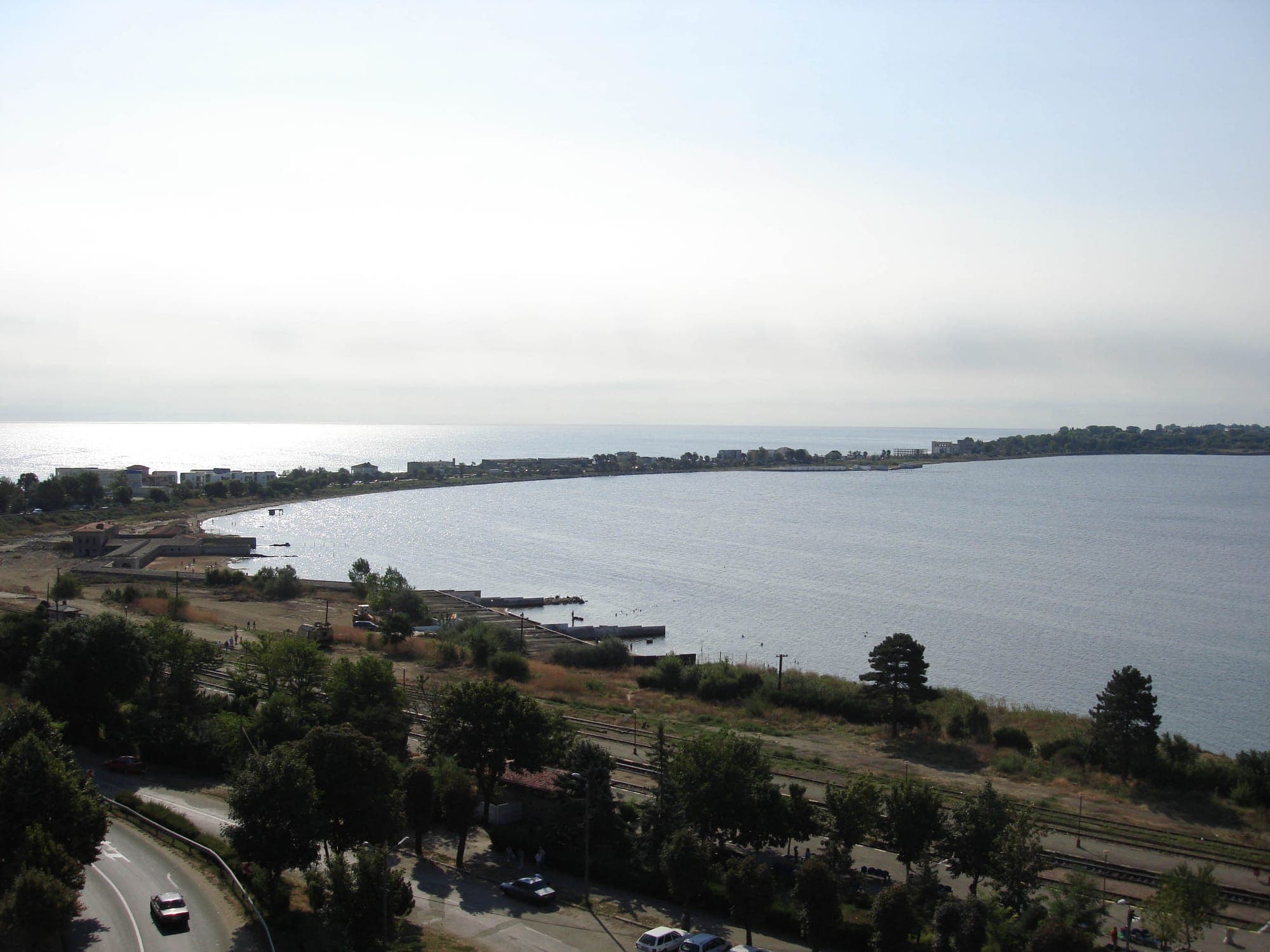
Romania's largest salt lake, a former sea bay next to Eforie: cold mud baths on the Techirghiol shore in summer, flocks of rare birds on water that does not freeze in winter.
LakesNational parks and reservesResorts and thermal baths
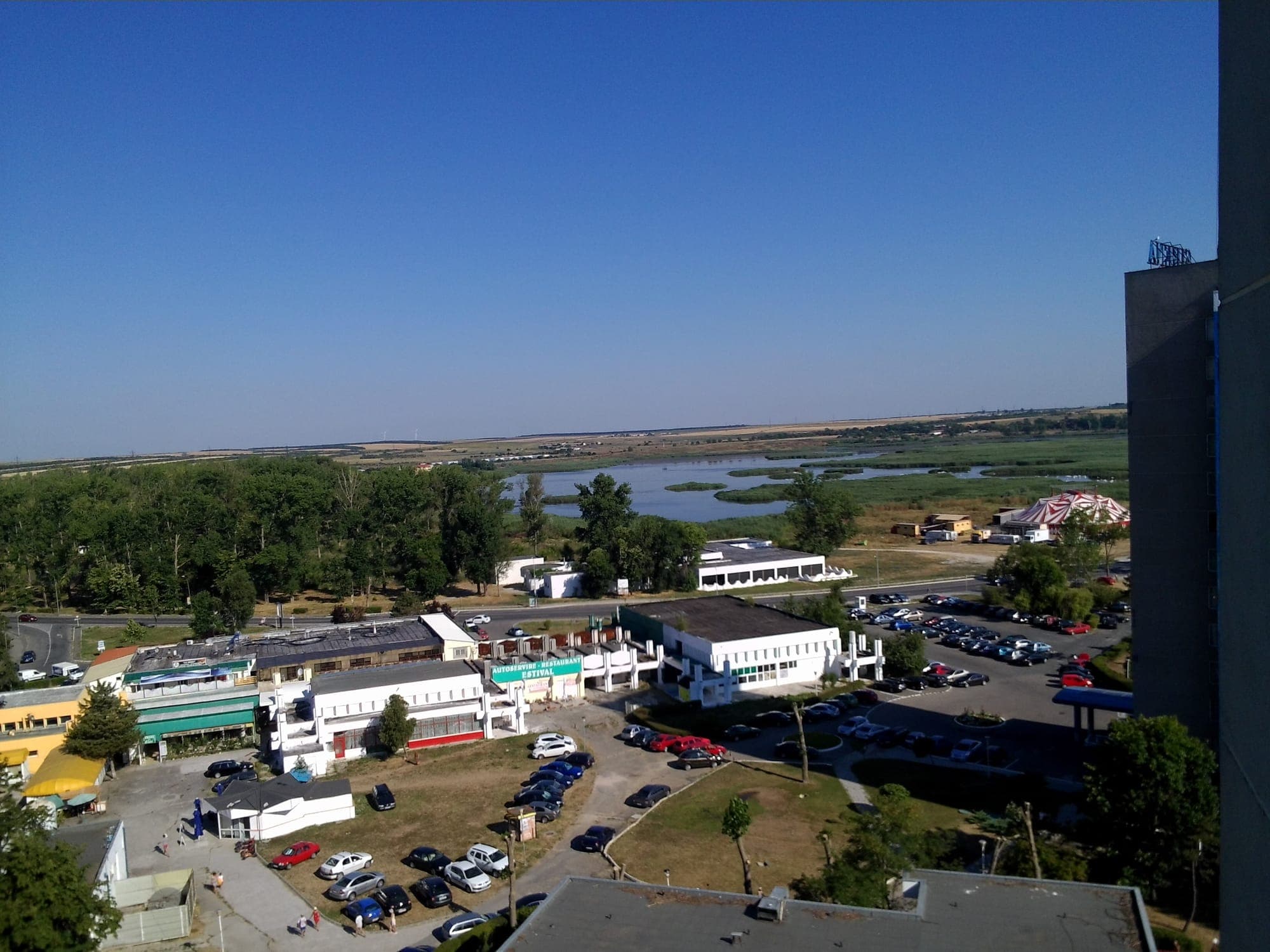
A 98-hectare former lagoon between Saturn and Venus, with reed beds, open water and sulphur springs where swans, egrets and black-winged stilts stop over; you watch it from the surrounding roads.
 Top 100