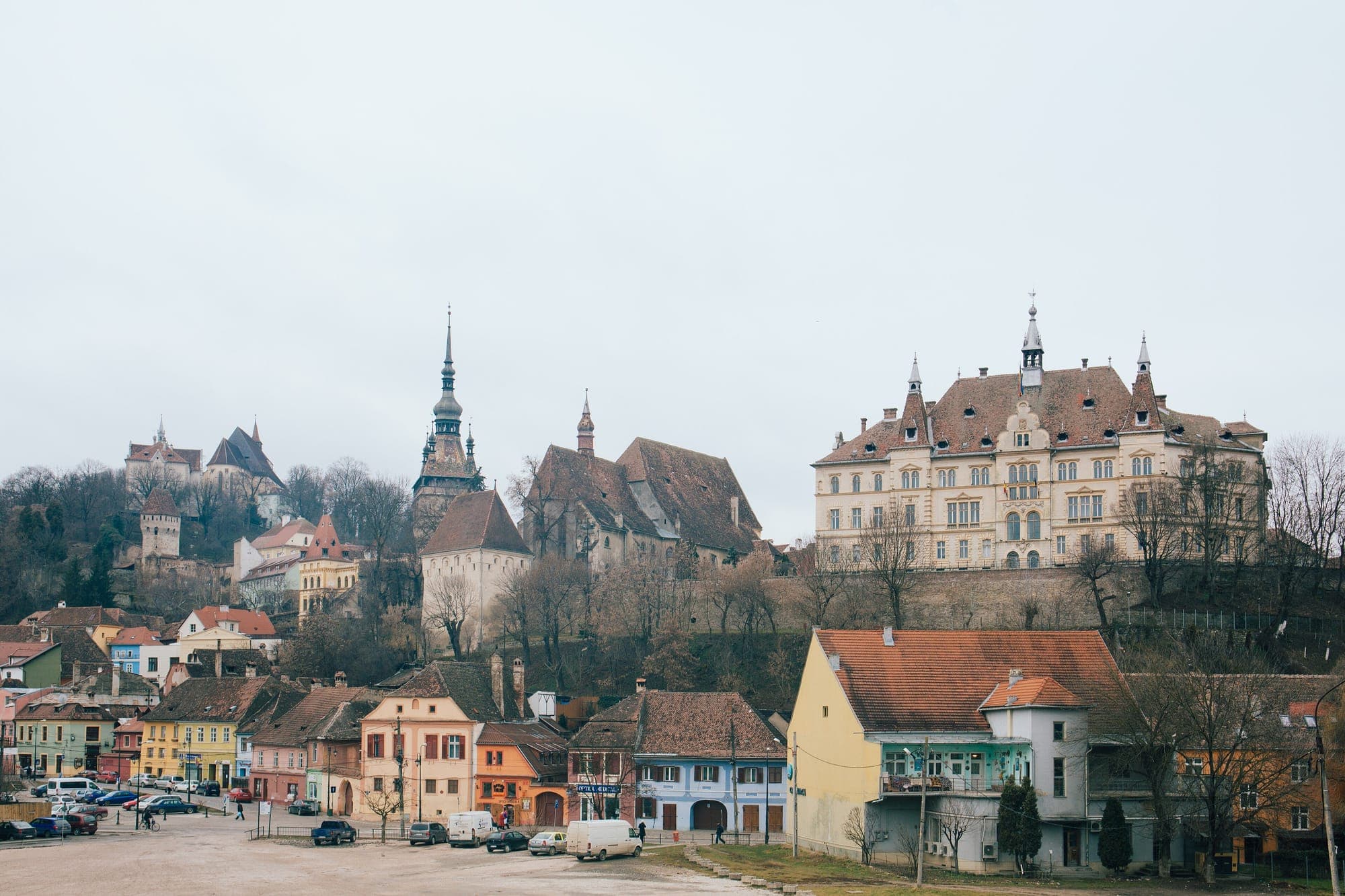
A Saxon-built, still-inhabited medieval walled town on a hill above the Târnava Mare, with guild towers and the famous Clock Tower; a UNESCO World Heritage Site since 1999.
Fortresses and fortificationsMonuments and historic sitesUNESCO
Romania's largest bastion fortress, a seven-pointed star built by the Habsburgs in 1715–1738 at Alba Iulia; baroque gates, cathedrals, the Union Hall and a changing of the guard, all with free access.
Fortresses and fortificationsMonuments and historic sites
The travertine gate carved by Constantin Brâncuși in 1937–1938 at the entrance to Târgu Jiu's Central Park, part of the “Heroes' Way” ensemble, a UNESCO World Heritage Site.
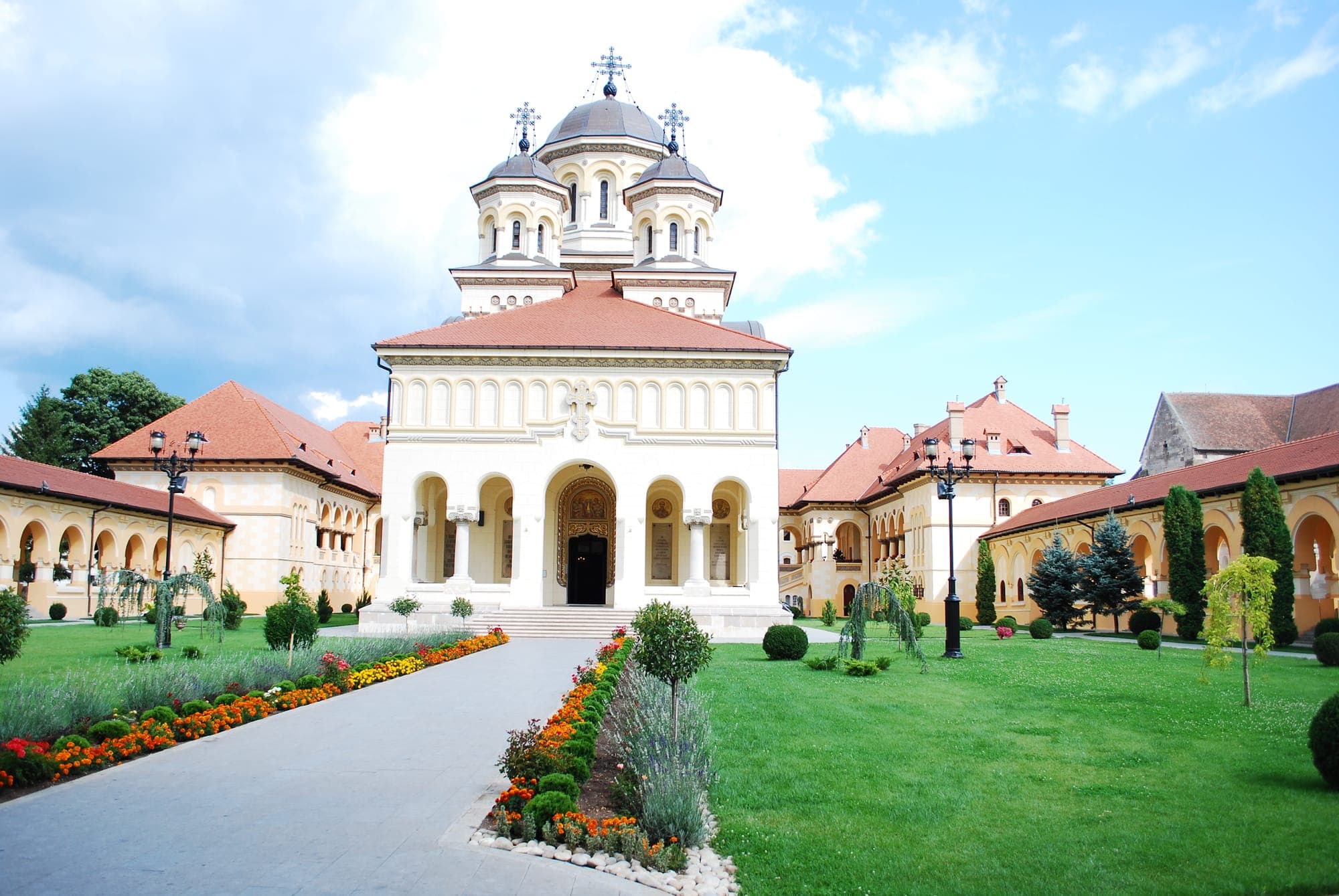
The Orthodox cathedral inside Alba Carolina Fortress, built in 1921–1922 for the coronation of Ferdinand and Marie as king and queen of Greater Romania, with a 58 m bell tower and royal portraits in fresco.
Monasteries and churchesMonuments and historic sites
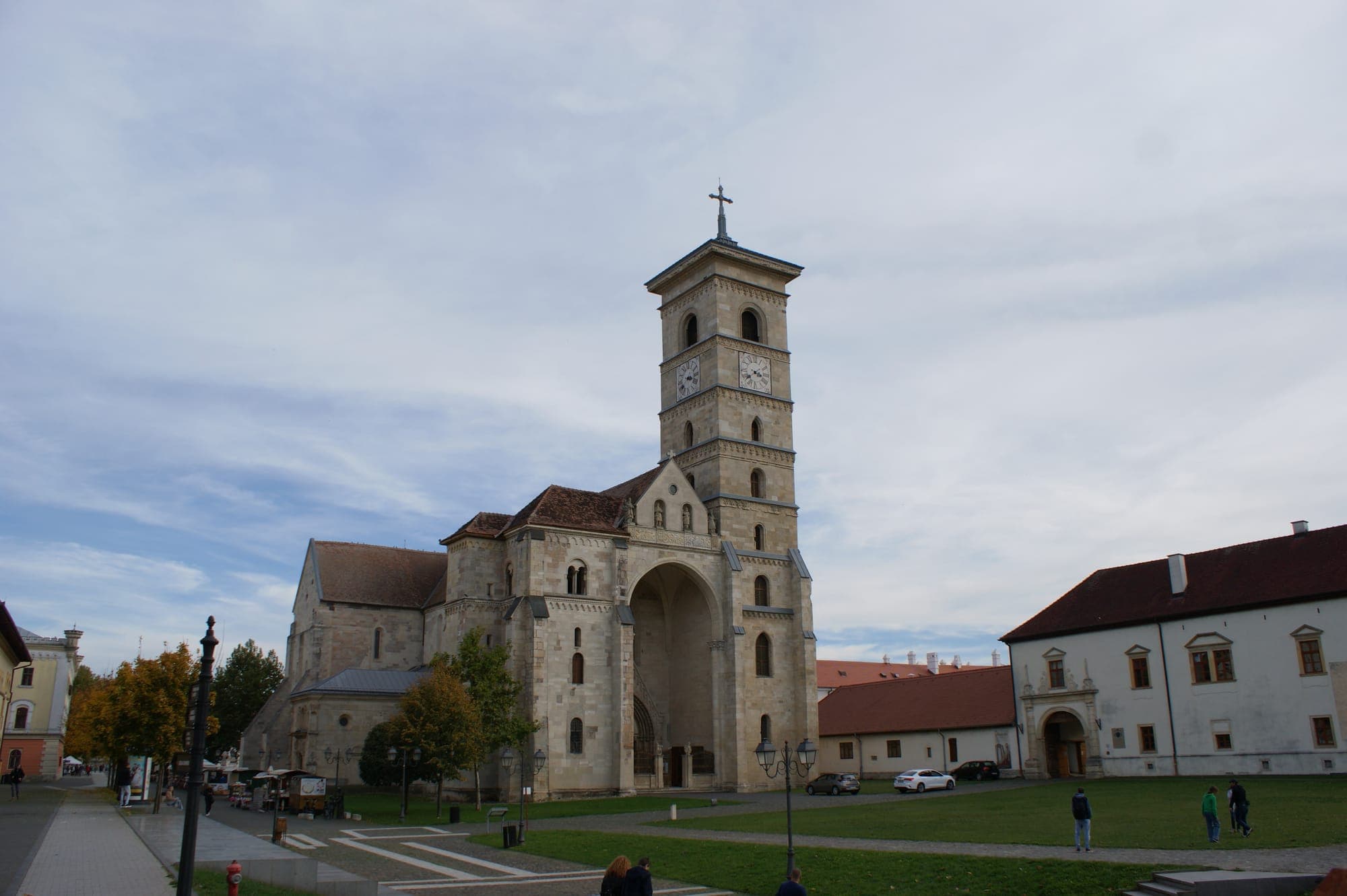
Romania's oldest and longest cathedral, Romanesque and Gothic, at the heart of the Alba Carolina Fortress; it holds the tomb of John Hunyadi and the first Renaissance chapel in Transylvania.
Monasteries and churchesMonuments and historic sites
The 29.35 m column of brass-coated cast-iron modules raised by Constantin Brâncuși in 1938 in Târgu Jiu for the heroes of 1916: the eastern end of the “Heroes' Avenue” ensemble, a UNESCO World Heritage Site.
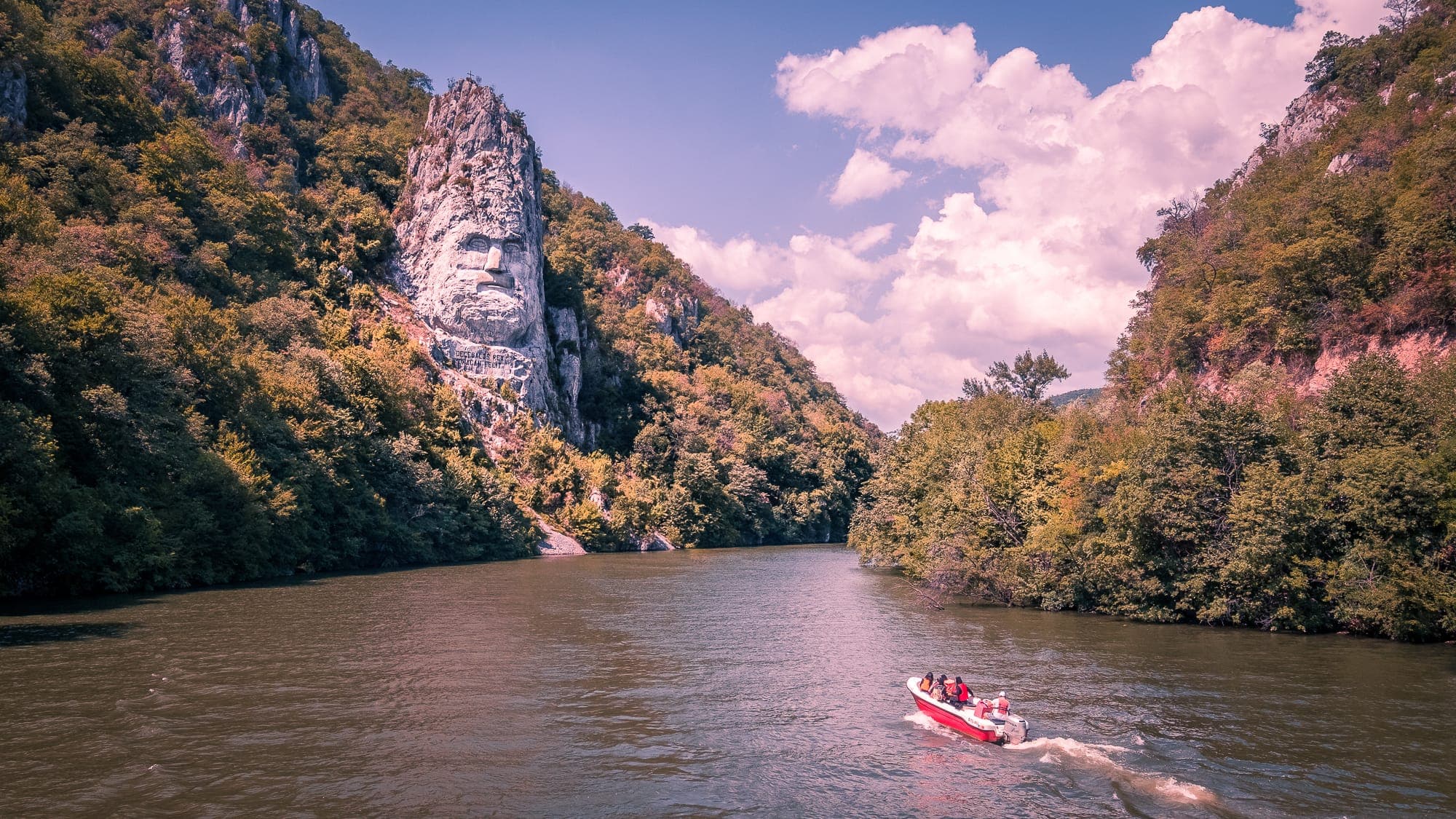
The face of the Dacian king Decebalus, carved between 1994 and 2004 into a 55 m rock at the mouth of the Mraconia, on the Romanian bank of the Danube: the tallest rock sculpture in Europe.
Constantin Brâncuși's round stone table with 12 hourglass seats, in the park on the banks of the Jiu: the western end of the Heroes' Way ensemble, a UNESCO World Heritage Site.
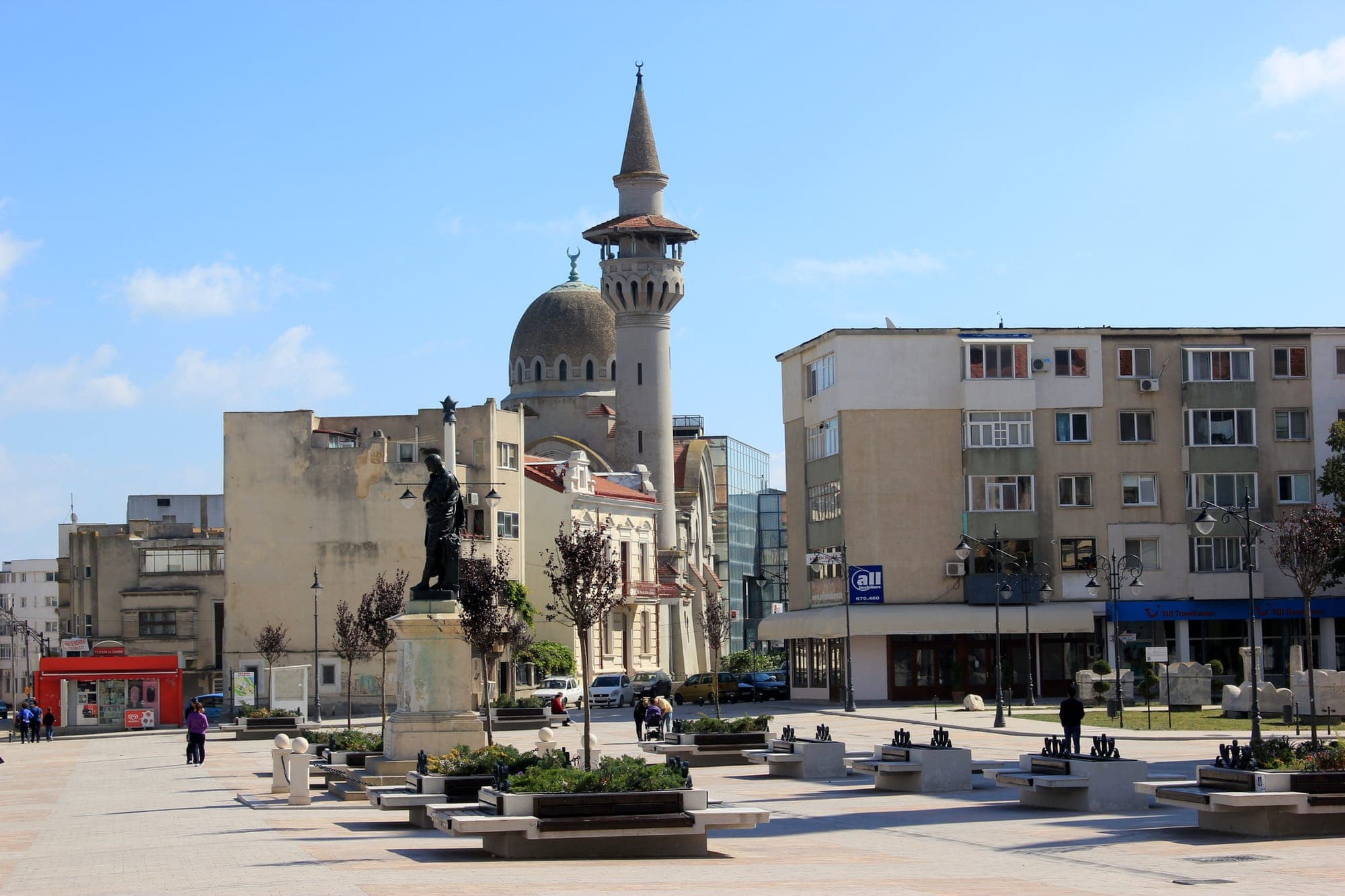
Constanța's old town, on the site of ancient Tomis: Ovid Square, the Roman mosaic, the mosque and its minaret, the cathedral, the Genoese Lighthouse and the casino seafront, all a few steps apart.
 Top 20