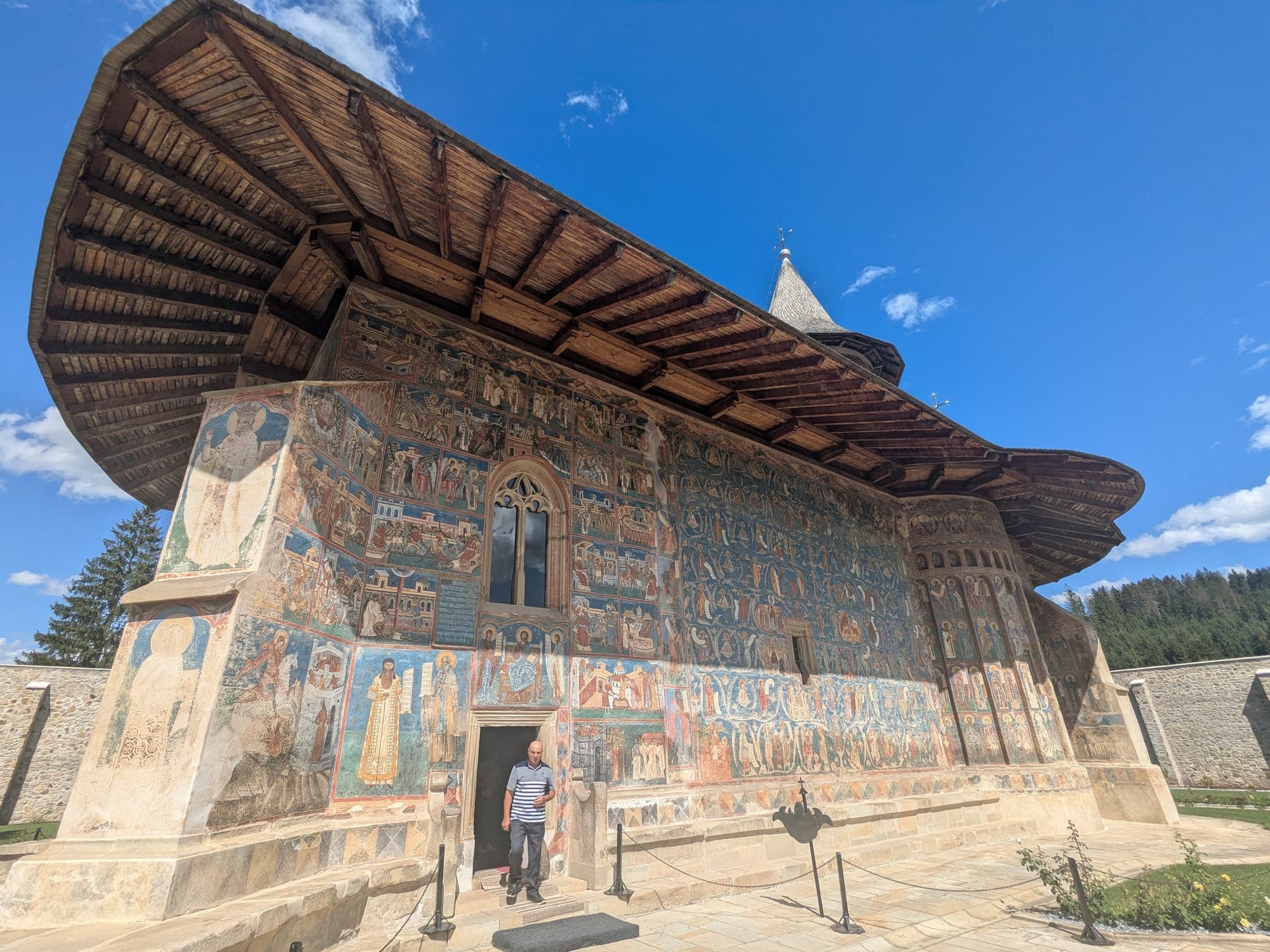
The church founded by Stephen the Great in 1488, painted on the outside with the Last Judgment on a background of "Voroneț blue"; a UNESCO site near Gura Humorului.
Monasteries and churchesMonuments and historic sitesUNESCO
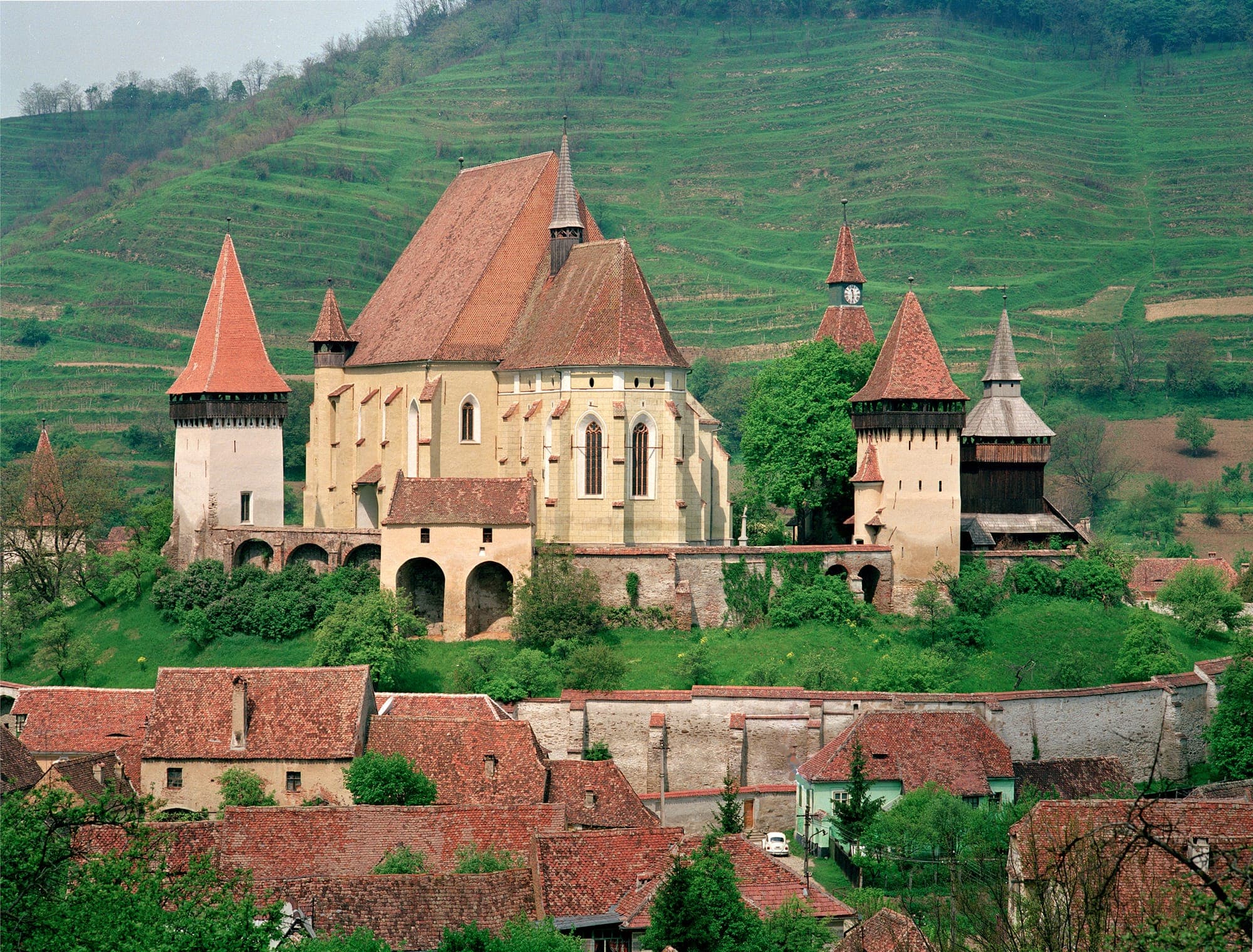
The Saxon church on the hill in the middle of the village, guarded by three rings of walls and towers; inside, Romania's largest polyptych altarpiece and a door with a lock from 1515.
Monasteries and churchesFortresses and fortificationsUNESCO
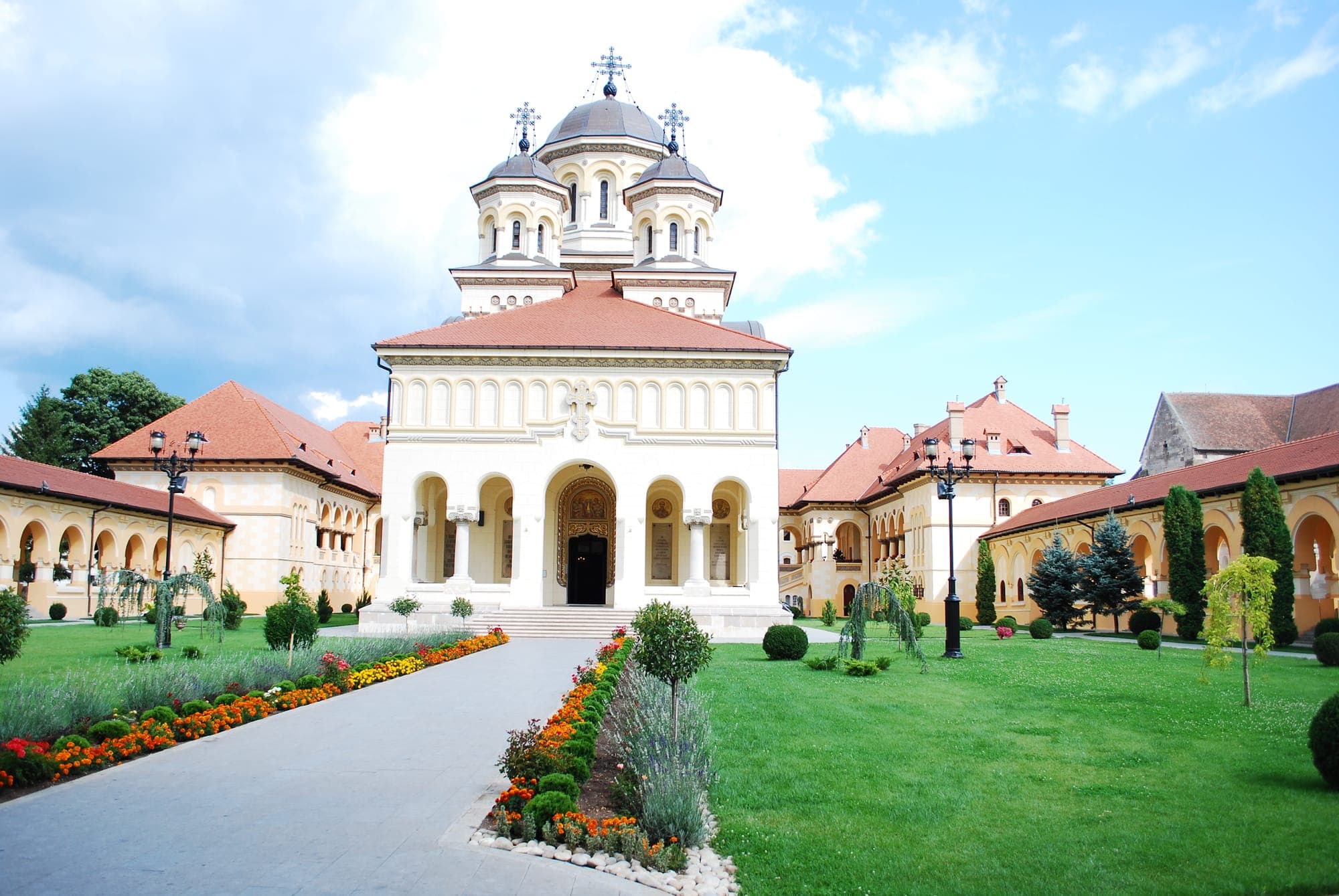
The Orthodox cathedral inside Alba Carolina Fortress, built in 1921–1922 for the coronation of Ferdinand and Marie as king and queen of Greater Romania, with a 58 m bell tower and royal portraits in fresco.
Monasteries and churchesMonuments and historic sites
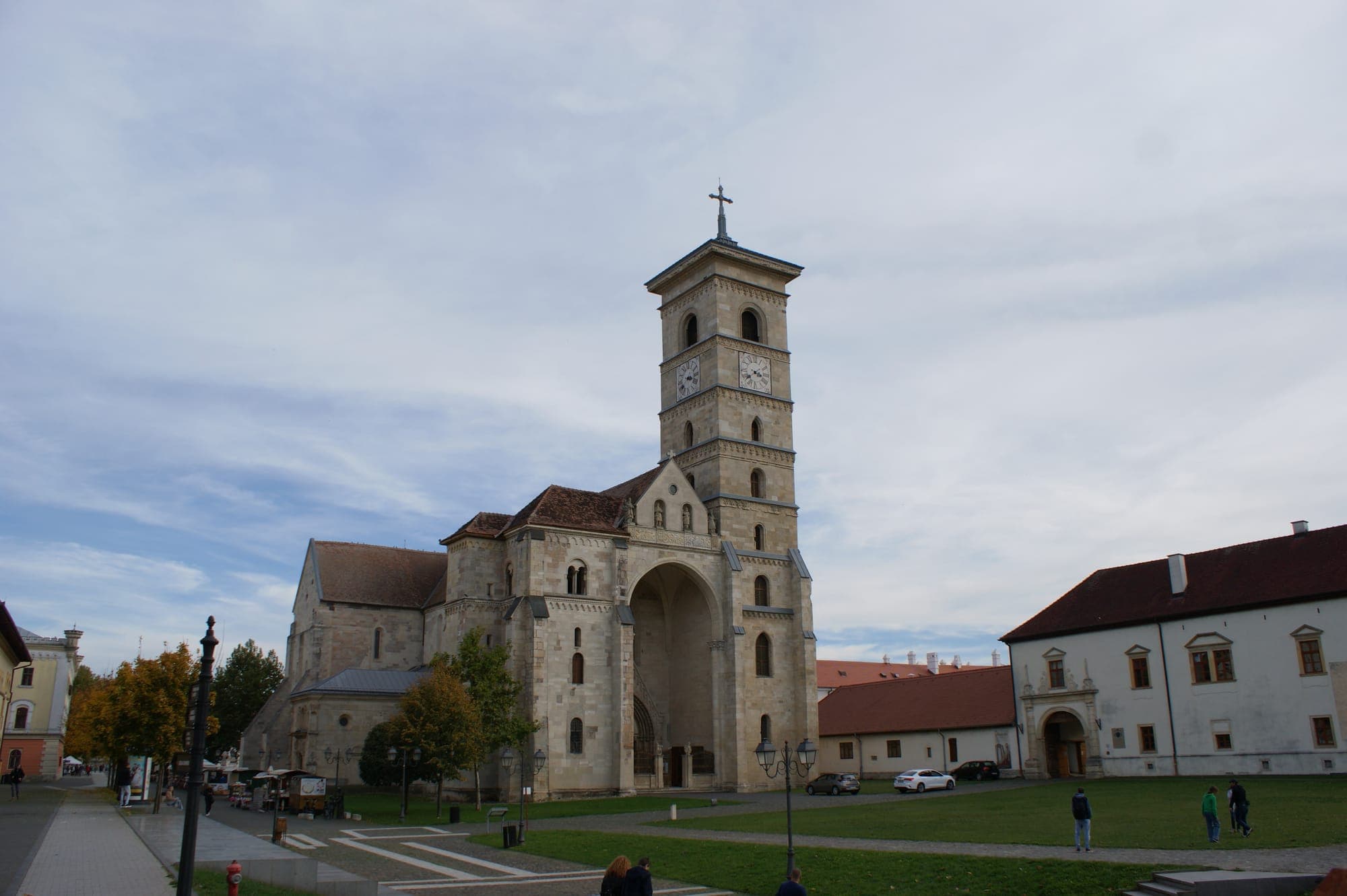
Romania's oldest and longest cathedral, Romanesque and Gothic, at the heart of the Alba Carolina Fortress; it holds the tomb of John Hunyadi and the first Renaissance chapel in Transylvania.
Monasteries and churchesMonuments and historic sites
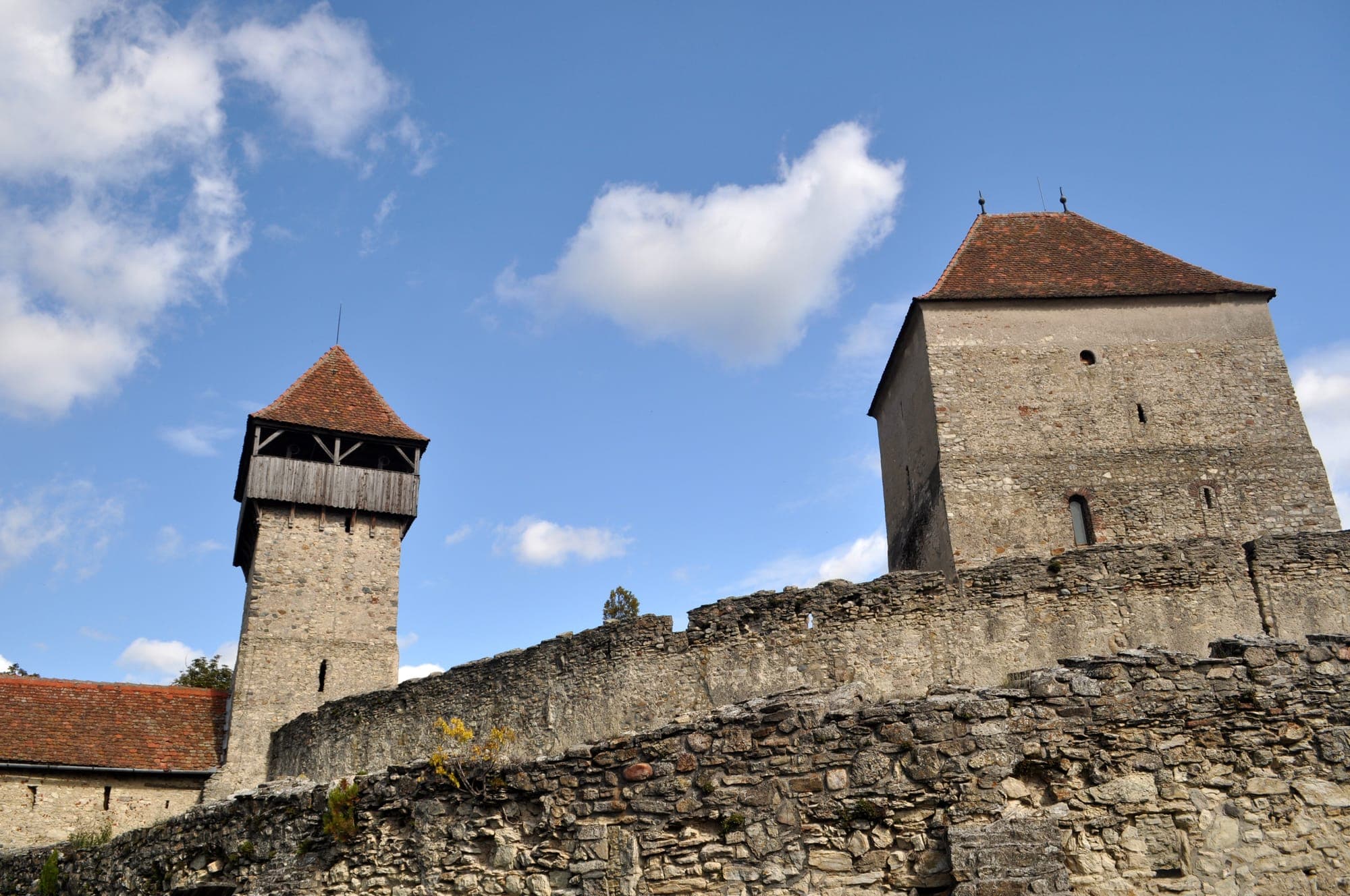
A 13th-century count's residence, bought by the Saxon villagers in 1430 and turned into a peasant fortress: a Romanesque keep, two rings of walls and a chapel, in a valley near Sebeș.
Fortresses and fortificationsMonasteries and churchesUNESCO
The only Székely and Unitarian church in the UNESCO fortified-church site: a Gothic church with 1419 frescoes of the legend of Saint Ladislaus, whose fortress villagers still use to store their bacon.
Monasteries and churchesFortresses and fortificationsUNESCO
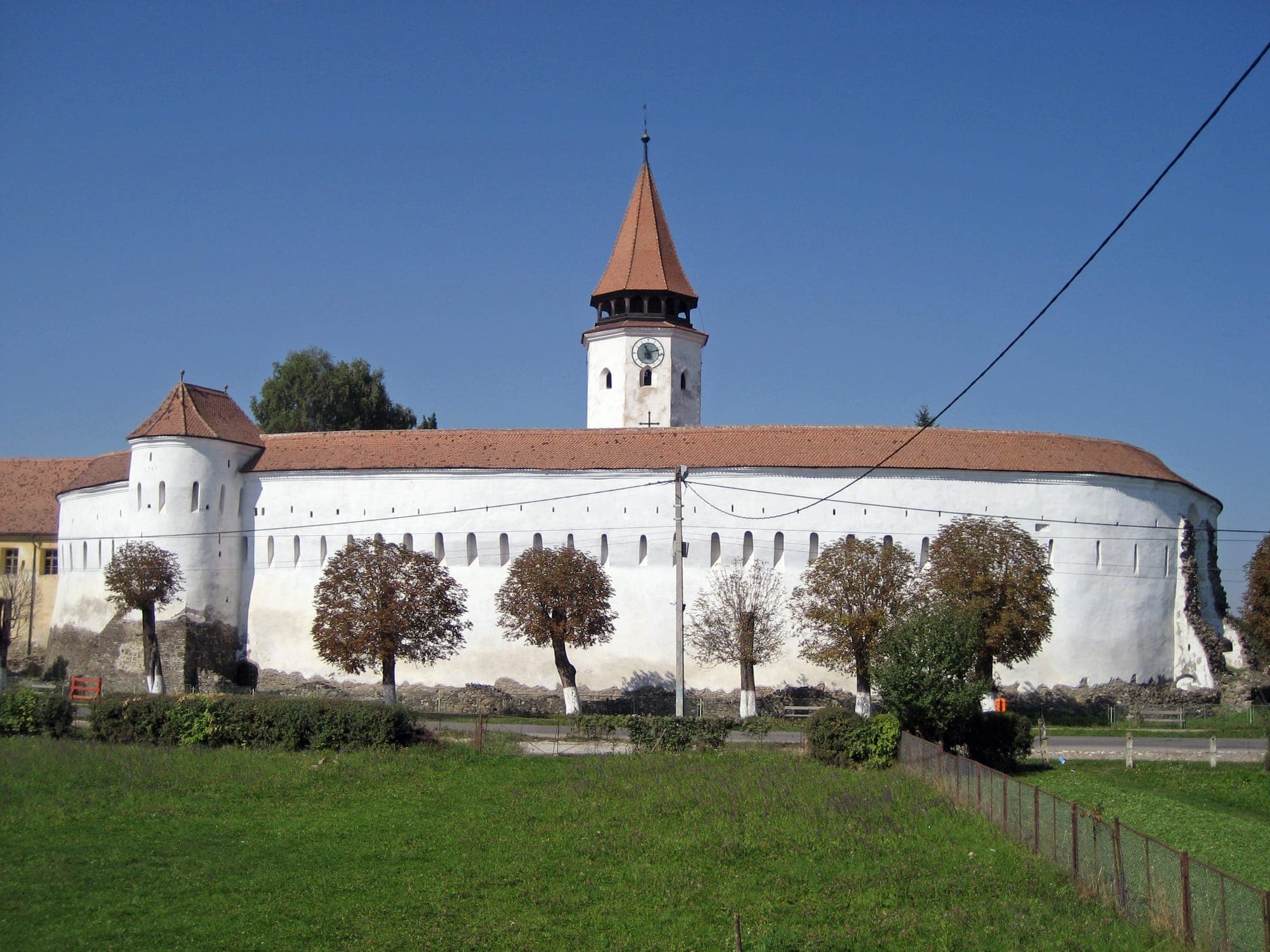
One of the largest Saxon fortified churches: a Gothic church on a cross-shaped plan, ringed by an oval wall with over 270 refuge rooms reached by timber galleries.
Monasteries and churchesFortresses and fortificationsUNESCO
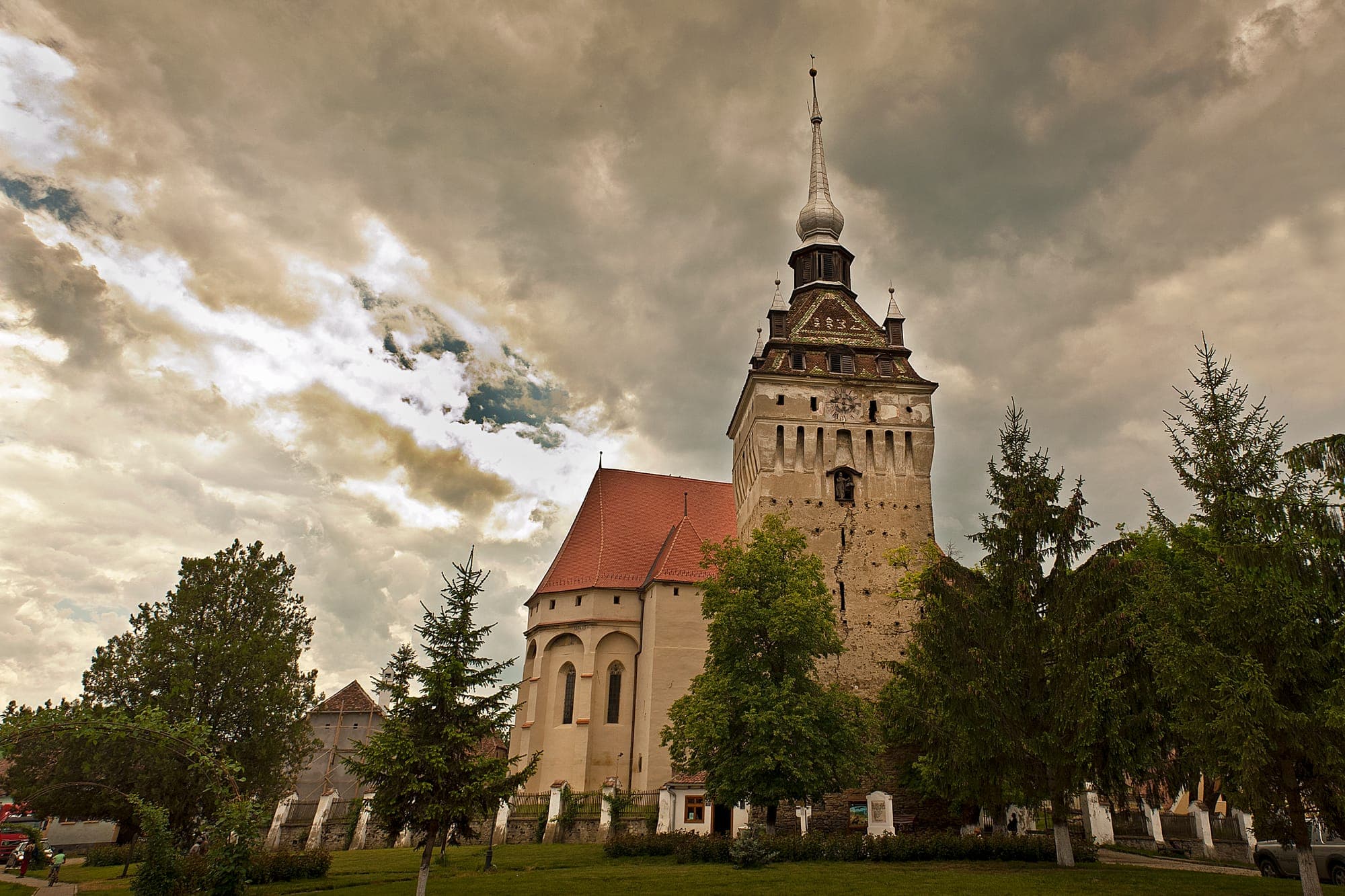
A Late Gothic Saxon church beside the DN13, with a bell tower modelled on Sighișoara's Clock Tower; on the hill above the village stand the walls of a 14th-century peasant fortress.
Monasteries and churchesFortresses and fortificationsUNESCO
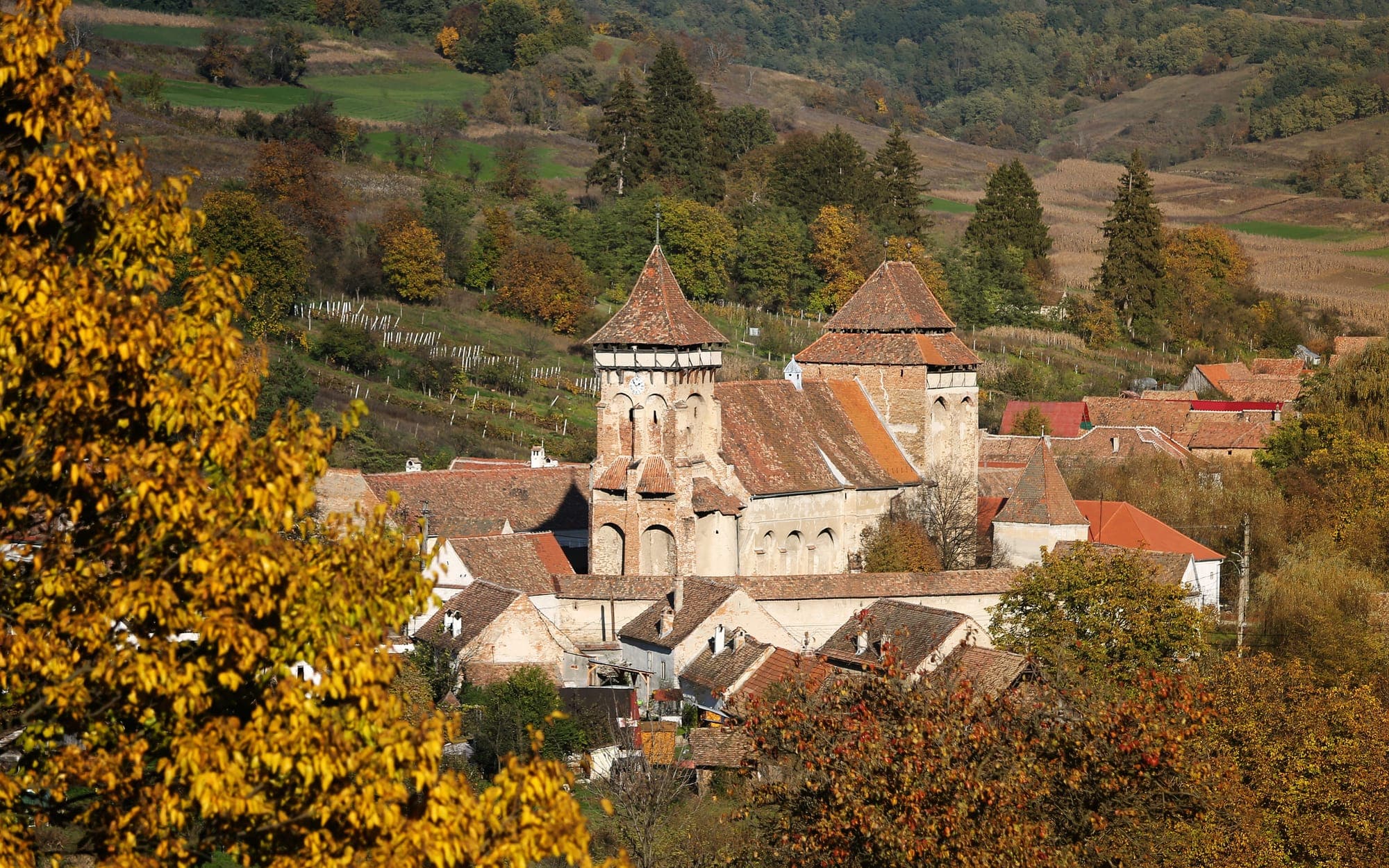
The Saxon church in a vineyard valley near Mediaș, with its choir turned into a defence tower, an almost intact oval wall and a wood-and-iron portcullis that has survived for centuries.
Monasteries and churchesFortresses and fortificationsUNESCO
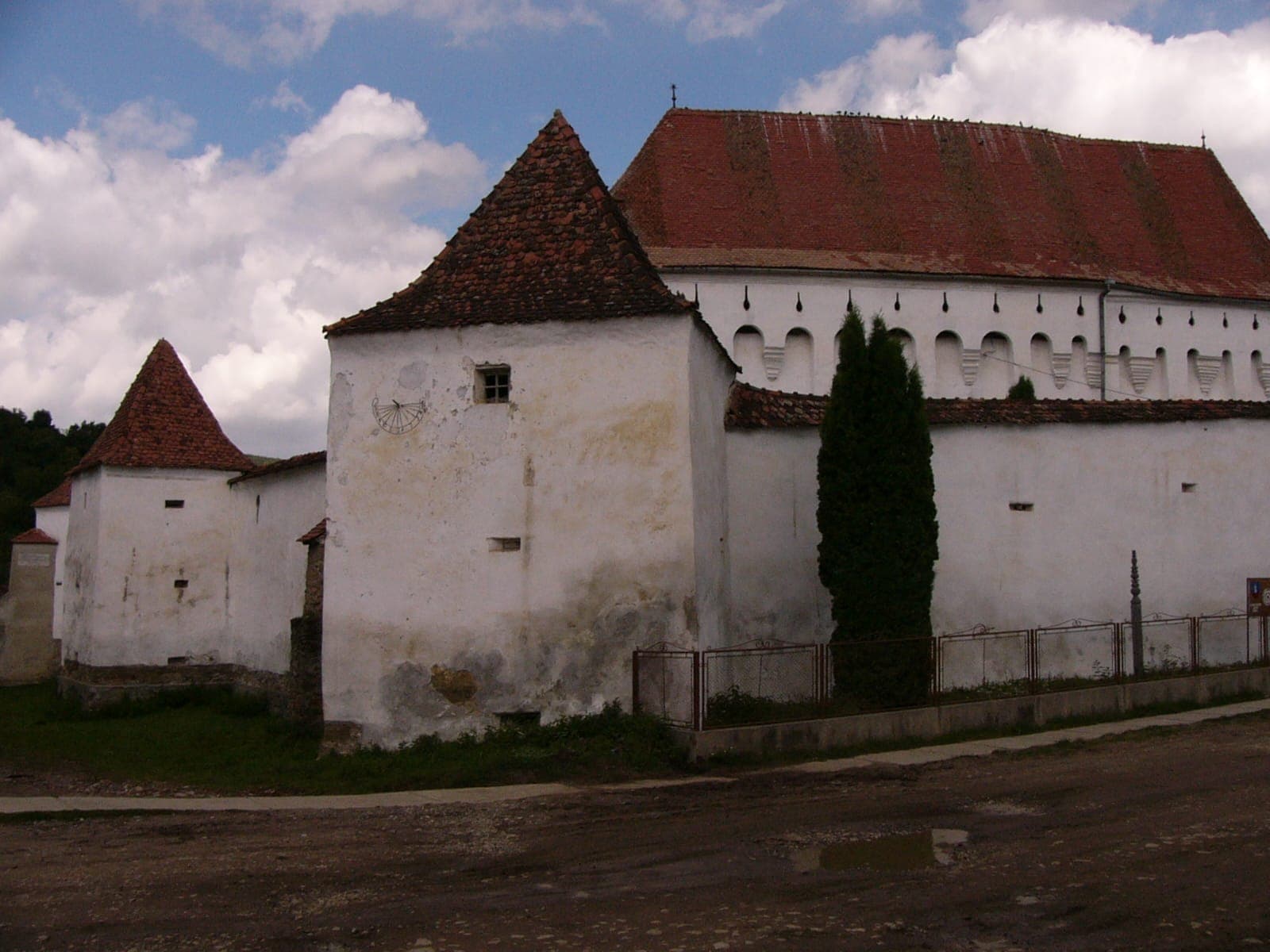
A small white church on the hill above the village, grown from a 12th-century Romanesque chapel and ringed by walls, towers and grain galleries, in a Saxon village that has survived almost intact.
Monasteries and churchesFortresses and fortificationsUNESCO
 Top 20