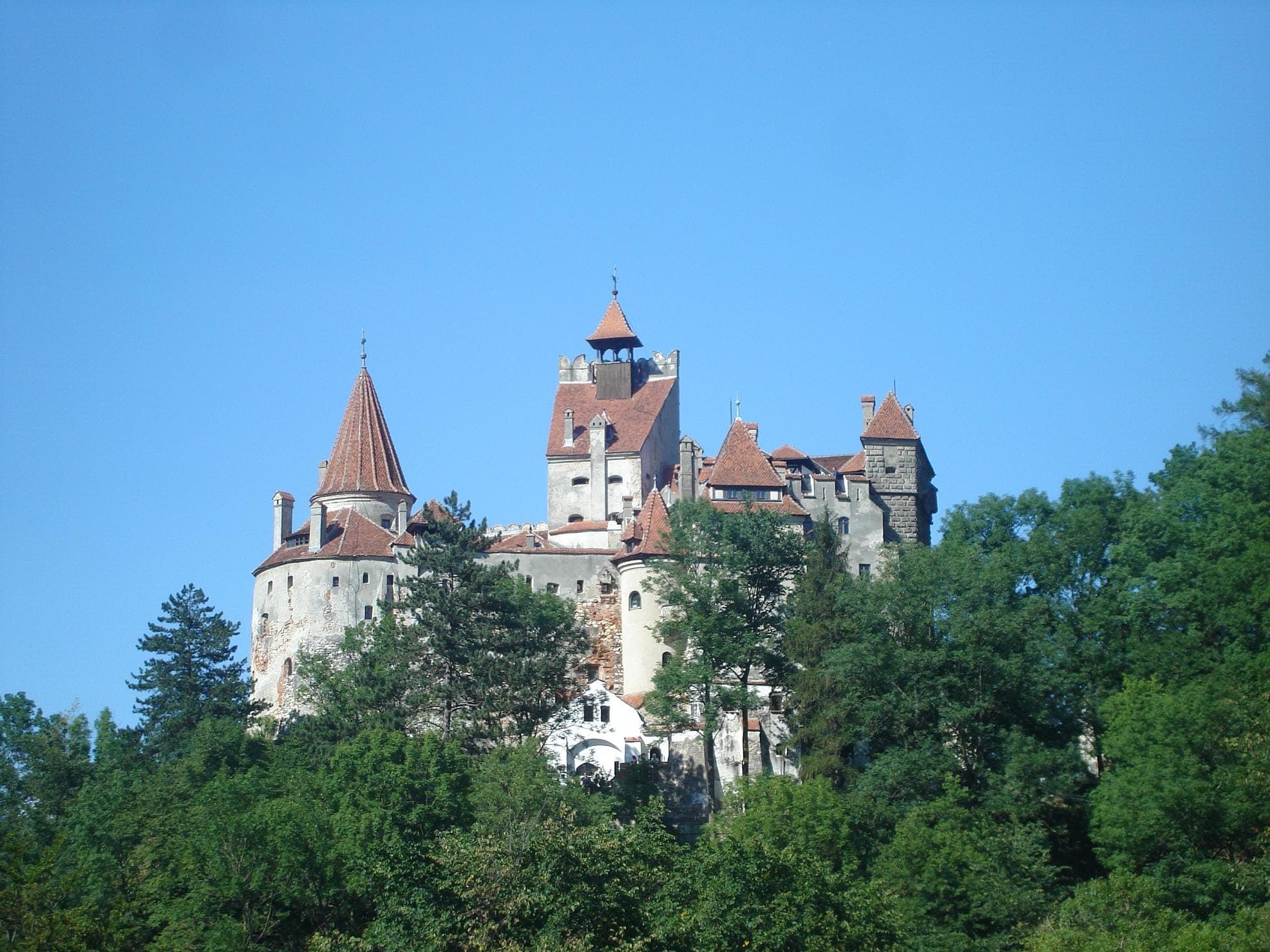
A medieval fortress built by the people of Brașov on a rock in the Bran Pass, later Queen Marie's summer residence and known around the world as “Dracula's Castle”.
Castles and palacesFortresses and fortificationsMuseums and memorial houses
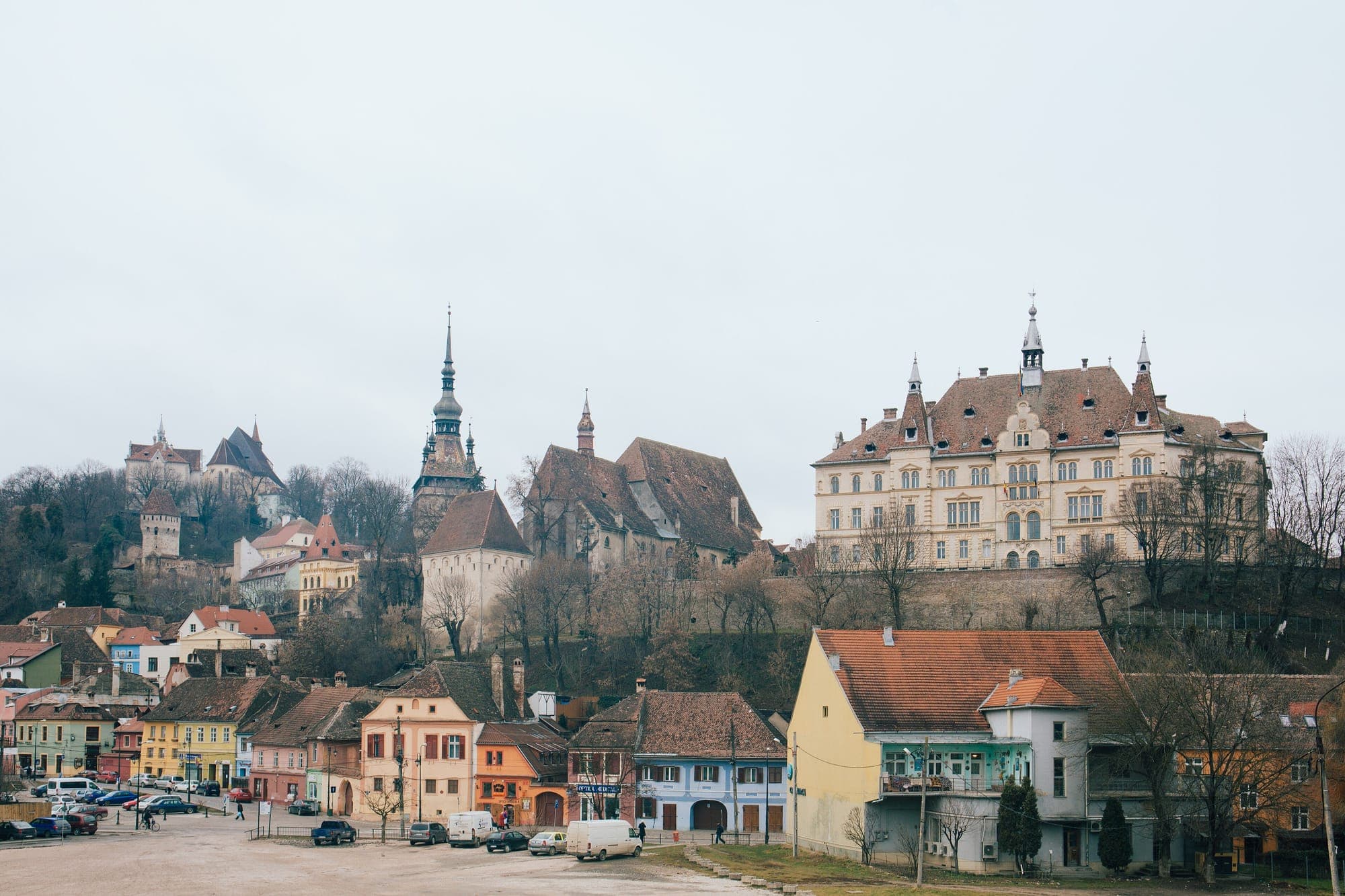
A Saxon-built, still-inhabited medieval walled town on a hill above the Târnava Mare, with guild towers and the famous Clock Tower; a UNESCO World Heritage Site since 1999.
Fortresses and fortificationsMonuments and historic sitesUNESCO
A 14th-century Gothic church built by the noble Apafi family, with the largest ensemble of Gothic frescoes in Transylvania and a polyptych altarpiece that has stood in place for more than five centuries.
Monasteries and churchesFortresses and fortifications
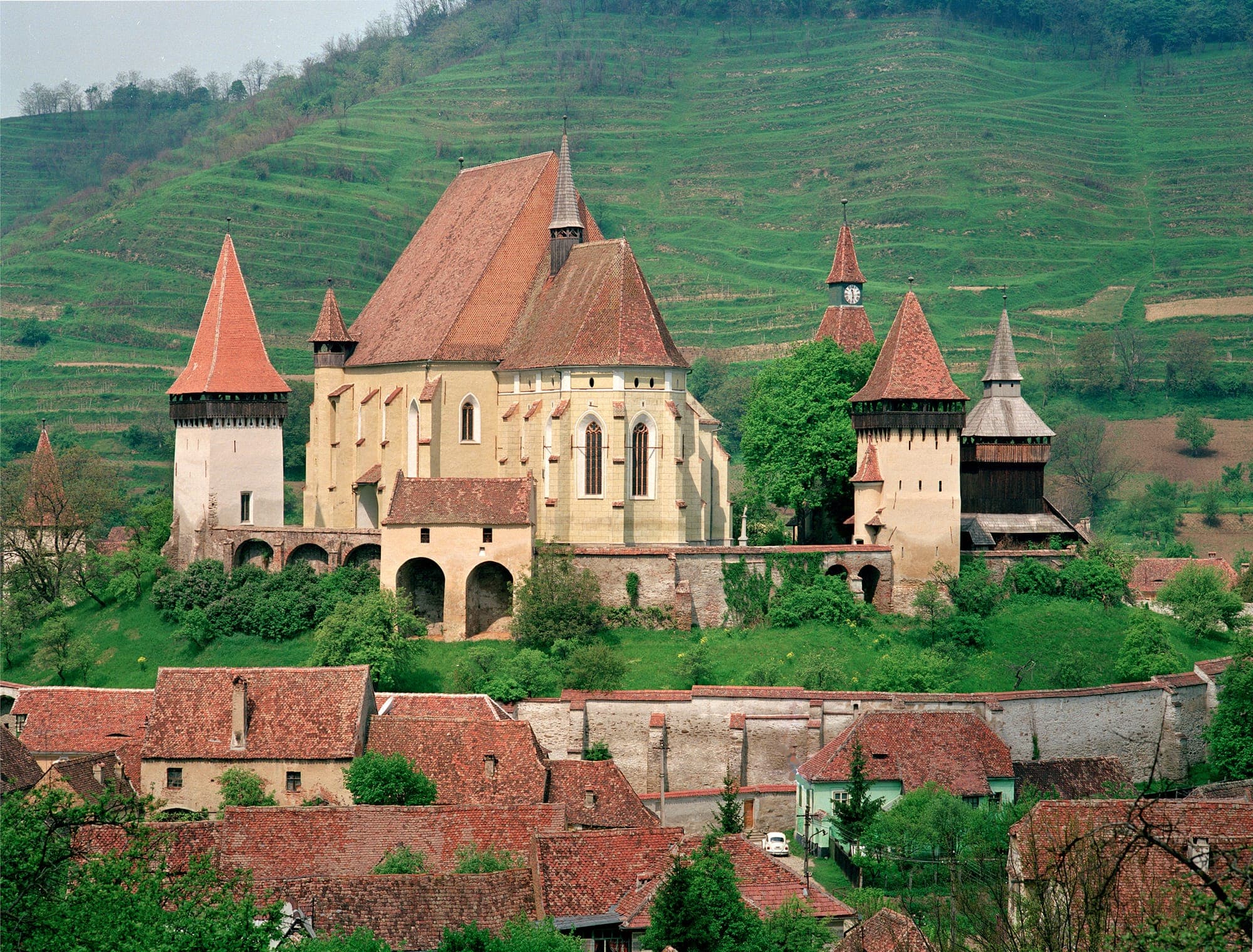
The Saxon church on the hill in the middle of the village, guarded by three rings of walls and towers; inside, Romania's largest polyptych altarpiece and a door with a lock from 1515.
Monasteries and churchesFortresses and fortificationsUNESCO
Romania's largest bastion fortress, a seven-pointed star built by the Habsburgs in 1715–1738 at Alba Iulia; baroque gates, cathedrals, the Union Hall and a changing of the guard, all with free access.
Fortresses and fortificationsMonuments and historic sites
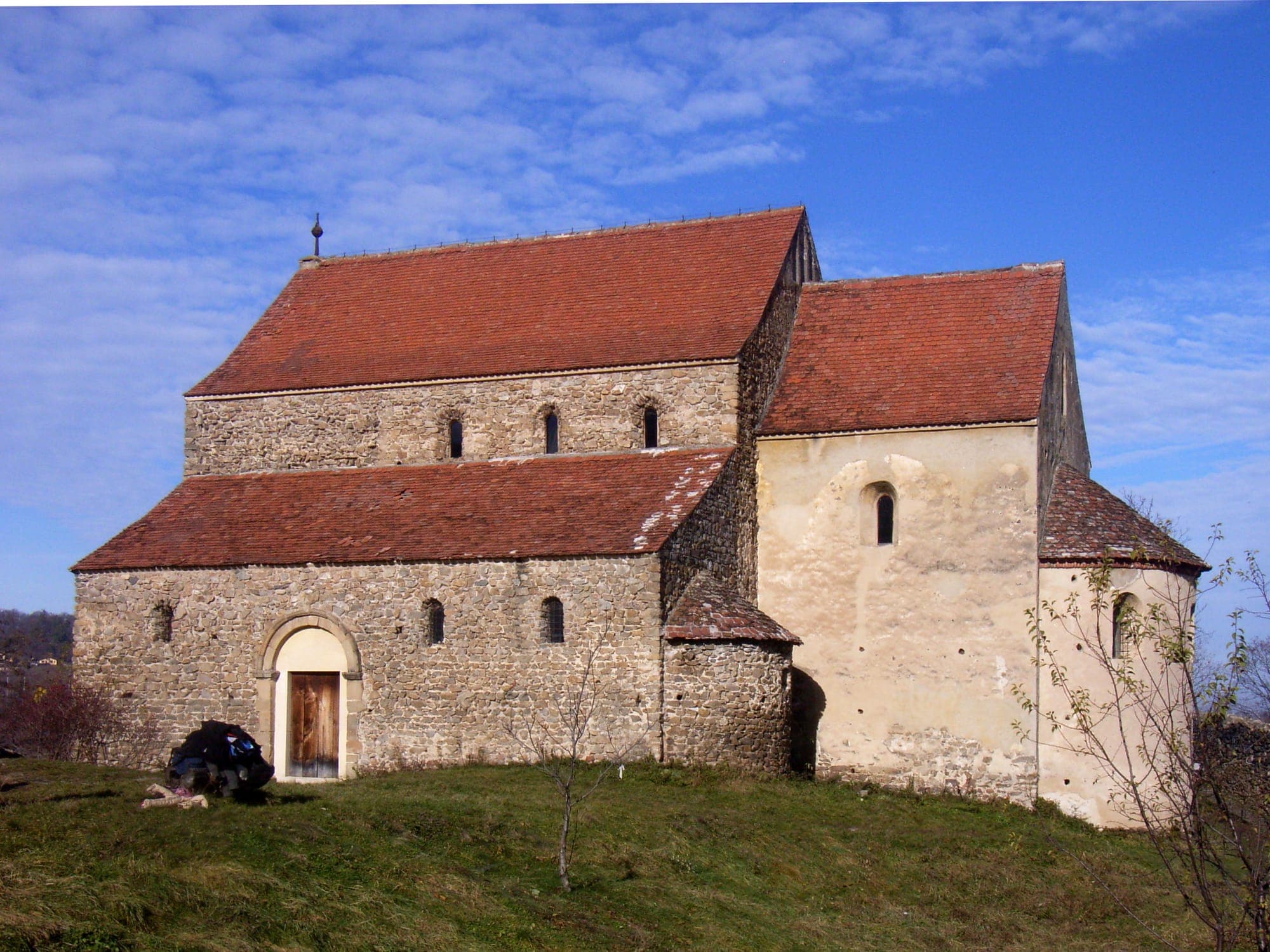
A Romanesque basilica from the turn of the 12th and 13th centuries, left almost unaltered, on the rocky top of St Michael's Hill, ringed by a defensive wall and looking out to the Făgăraș Mountains.
Monasteries and churchesFortresses and fortifications
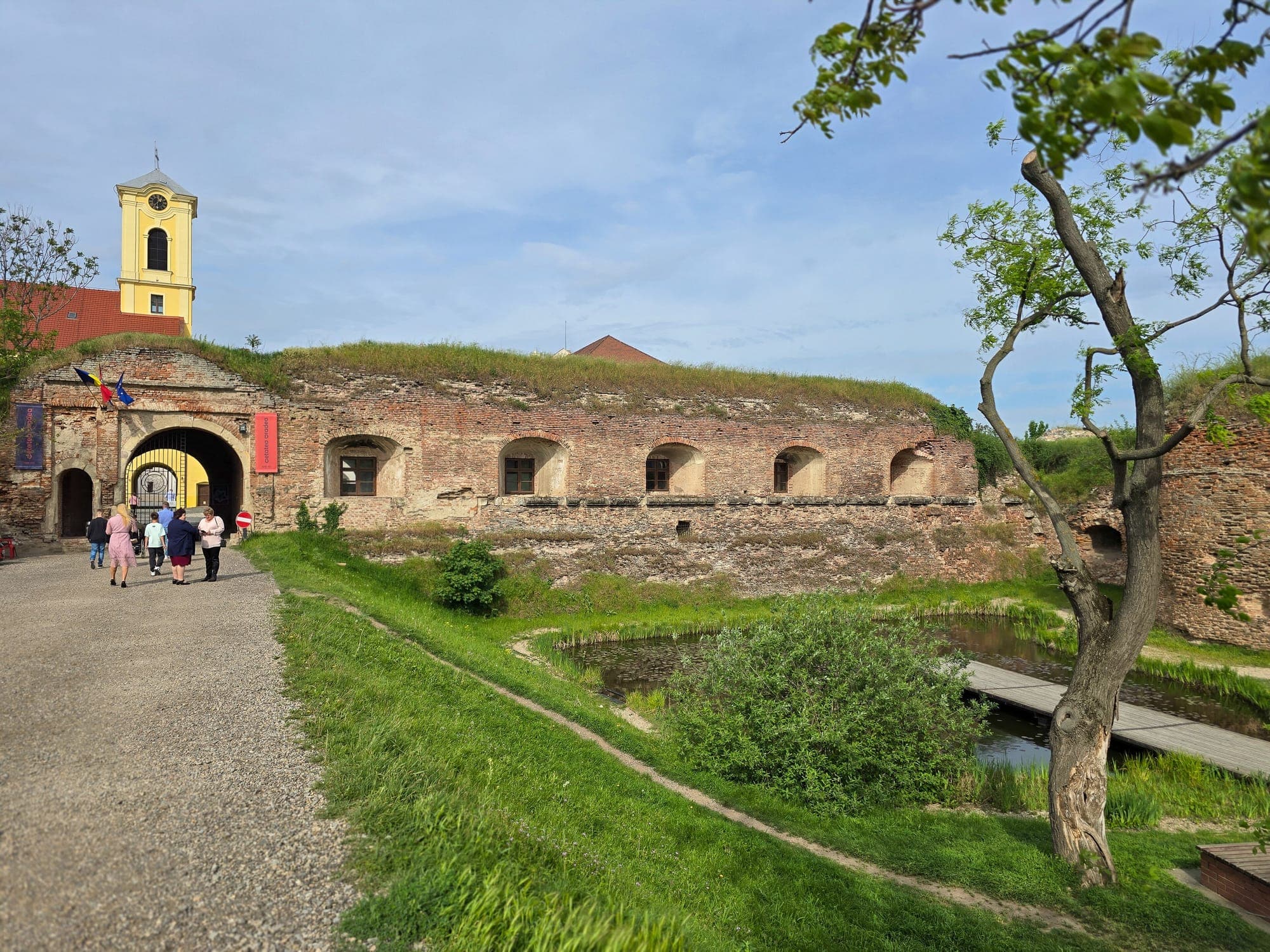
A pentagonal bastion fortress built by the princes of Transylvania in the 16th–17th centuries: five bastions, a princely palace housing the Oradea City Museum, and courtyards you can walk into freely.
Fortresses and fortificationsMuseums and memorial houses
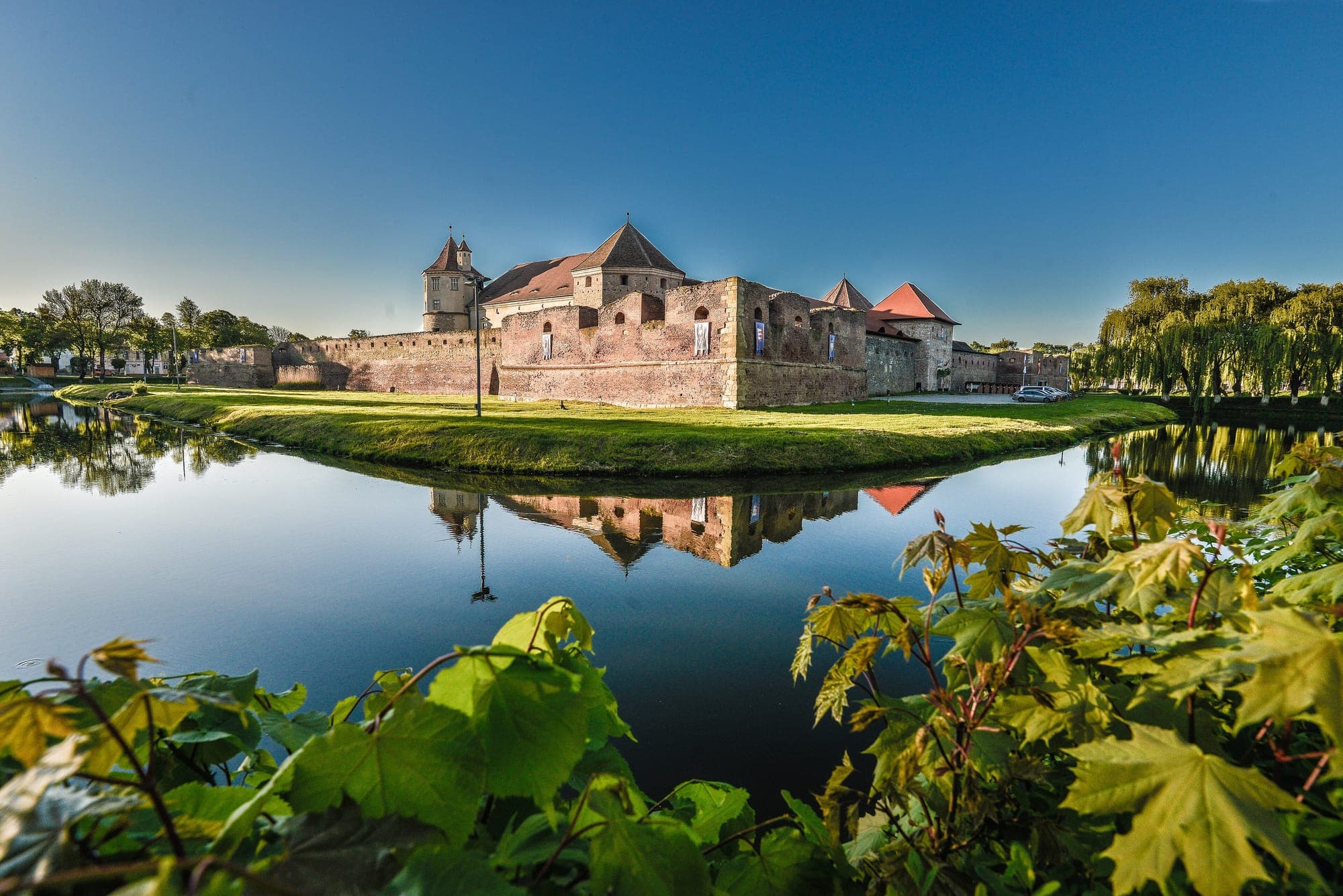
A moated, bastioned fortress in the centre of Făgăraș, seat of the princes of Transylvania in the 17th century and now home to the Făgăraș Land Museum.
Fortresses and fortificationsMuseums and memorial houses
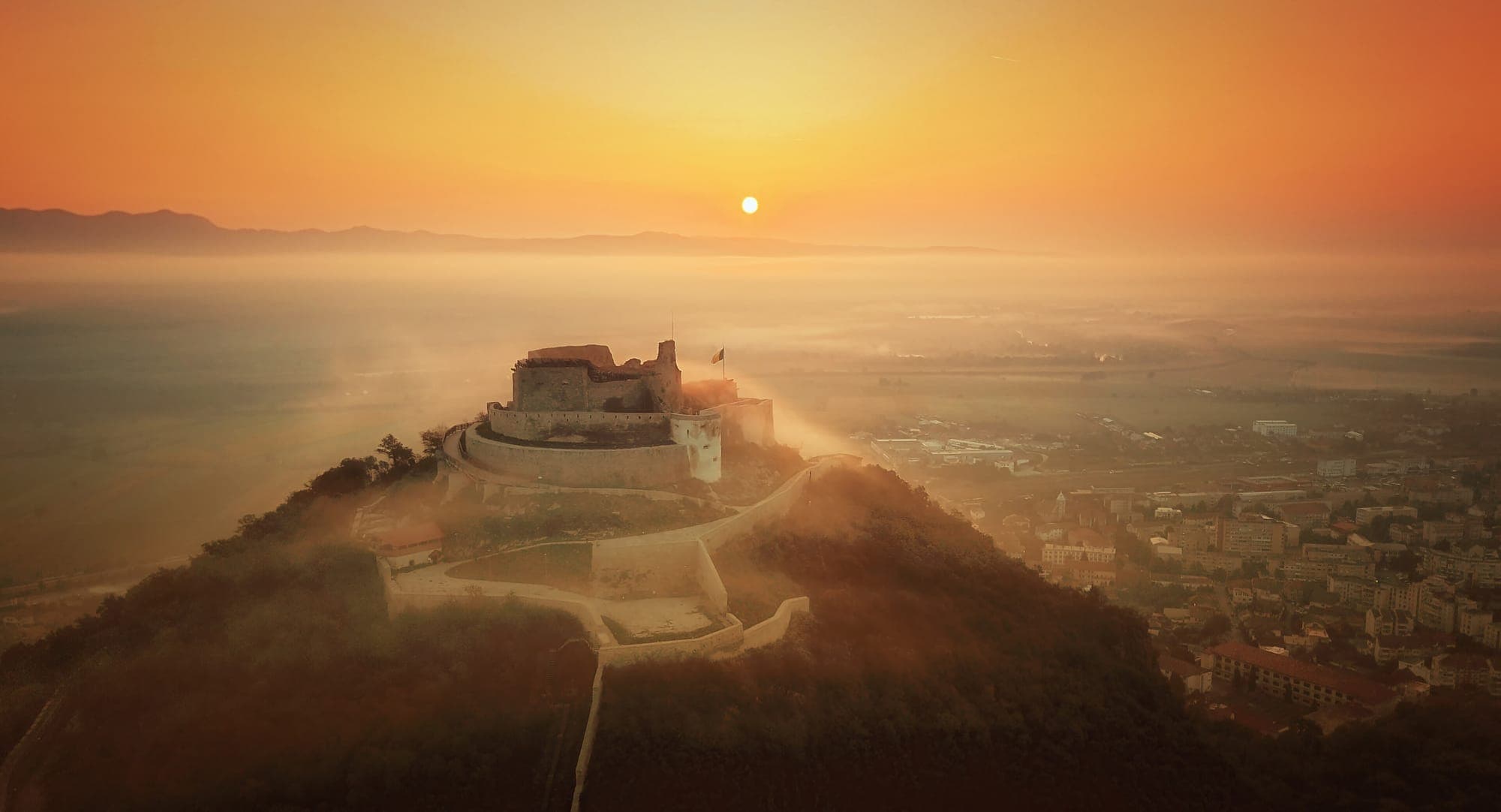
A medieval peasant fortress on a rocky hill above Râșnov, looking out to the Bucegi and Piatra Craiului mountains; the upper enclosure is under restoration, but the Fortress Garden and Báthory Tower are open.
A small Saxon stronghold on the hill of a village at the end of the road, with four restored towers housing small museums of village life; winner of a Europa Nostra award in 2024.
Monasteries and churchesFortresses and fortifications
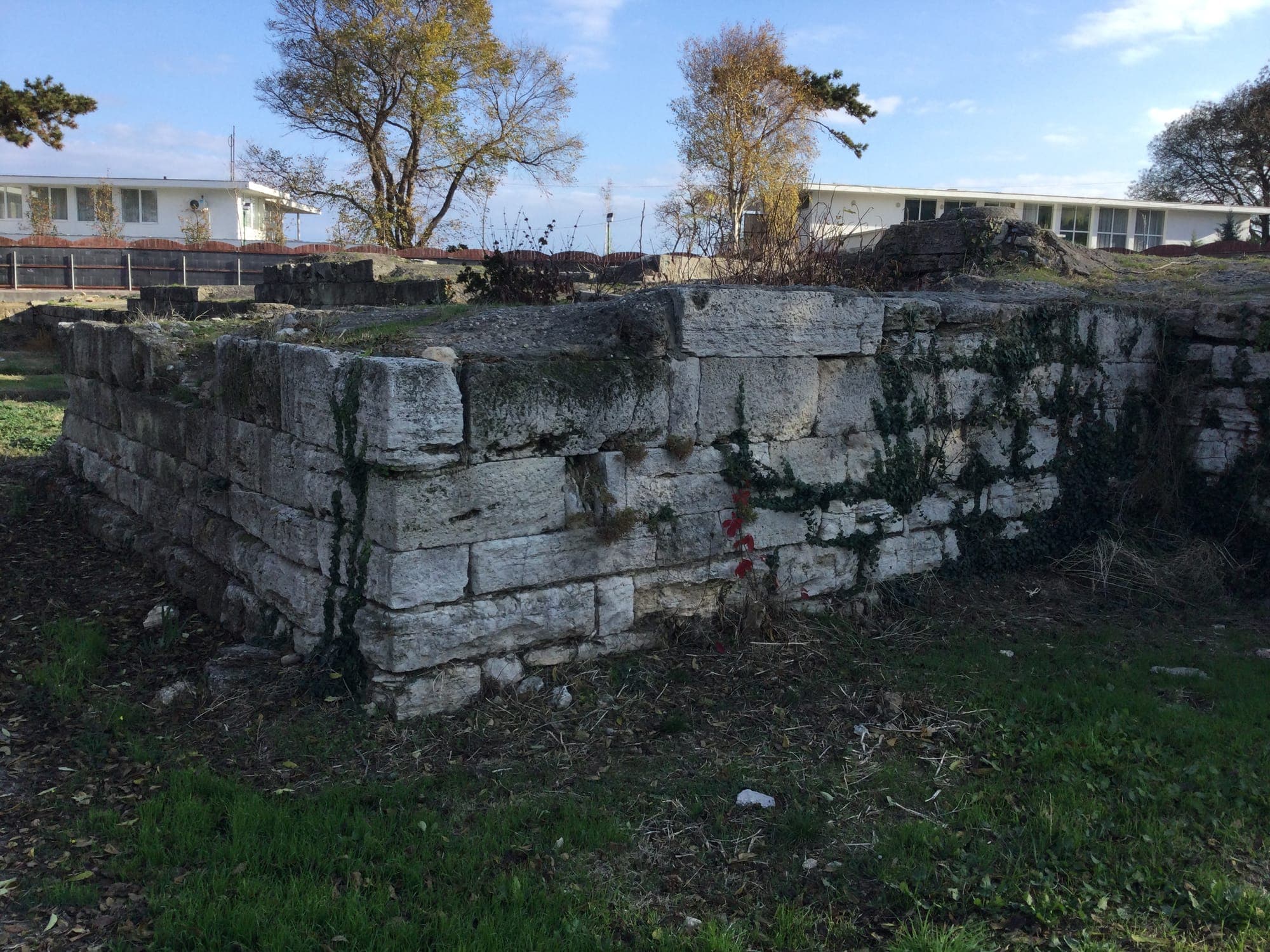
The ruins of the Greek city from which Mangalia grew: the circuit wall with its towers and the Syrian-type basilica on the clifftop promenade, steps from the beach, plus the town's archaeology museum.
Fortresses and fortificationsMonuments and historic sitesSeaside
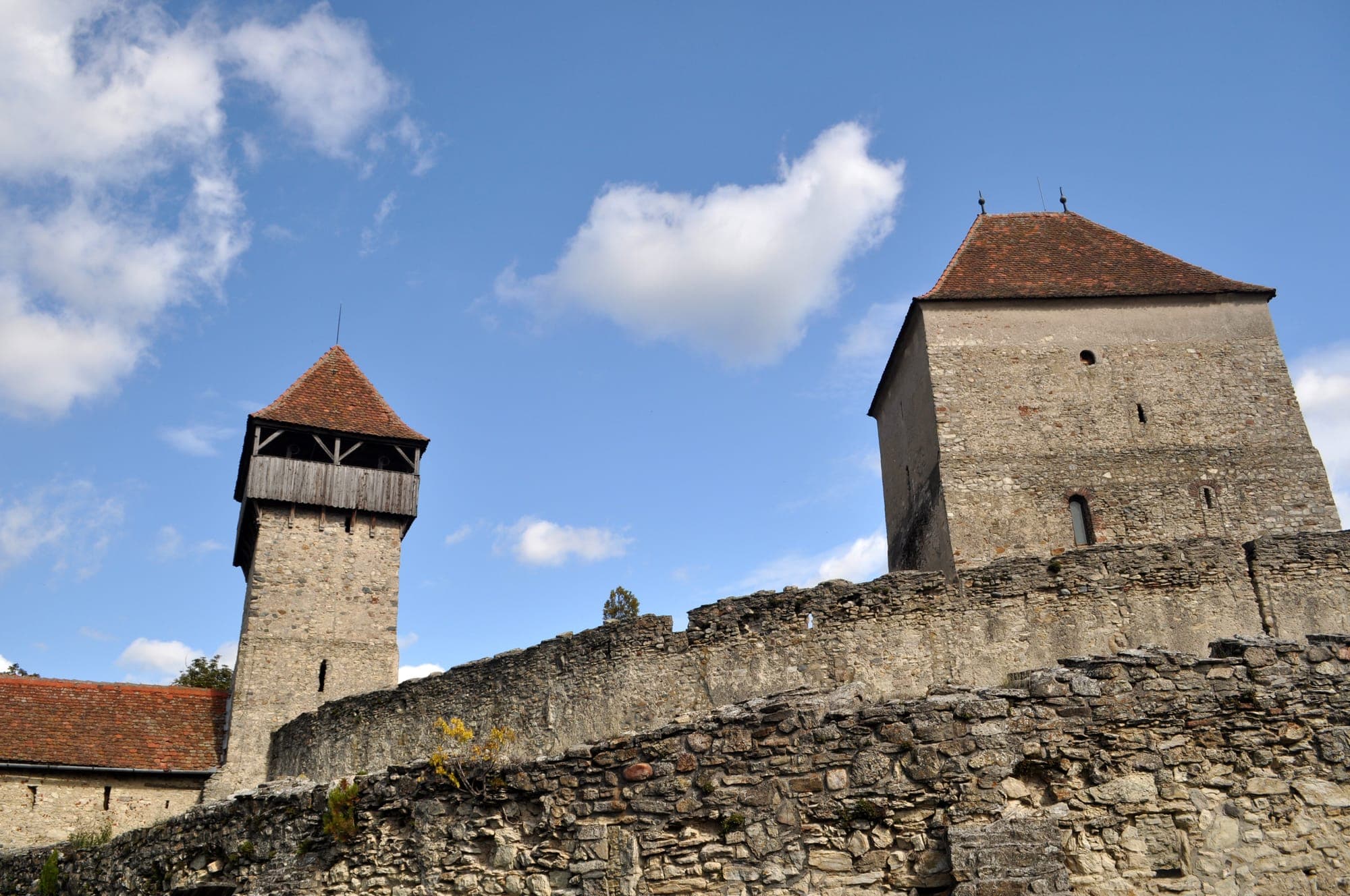
A 13th-century count's residence, bought by the Saxon villagers in 1430 and turned into a peasant fortress: a Romanesque keep, two rings of walls and a chapel, in a valley near Sebeș.
Fortresses and fortificationsMonasteries and churchesUNESCO
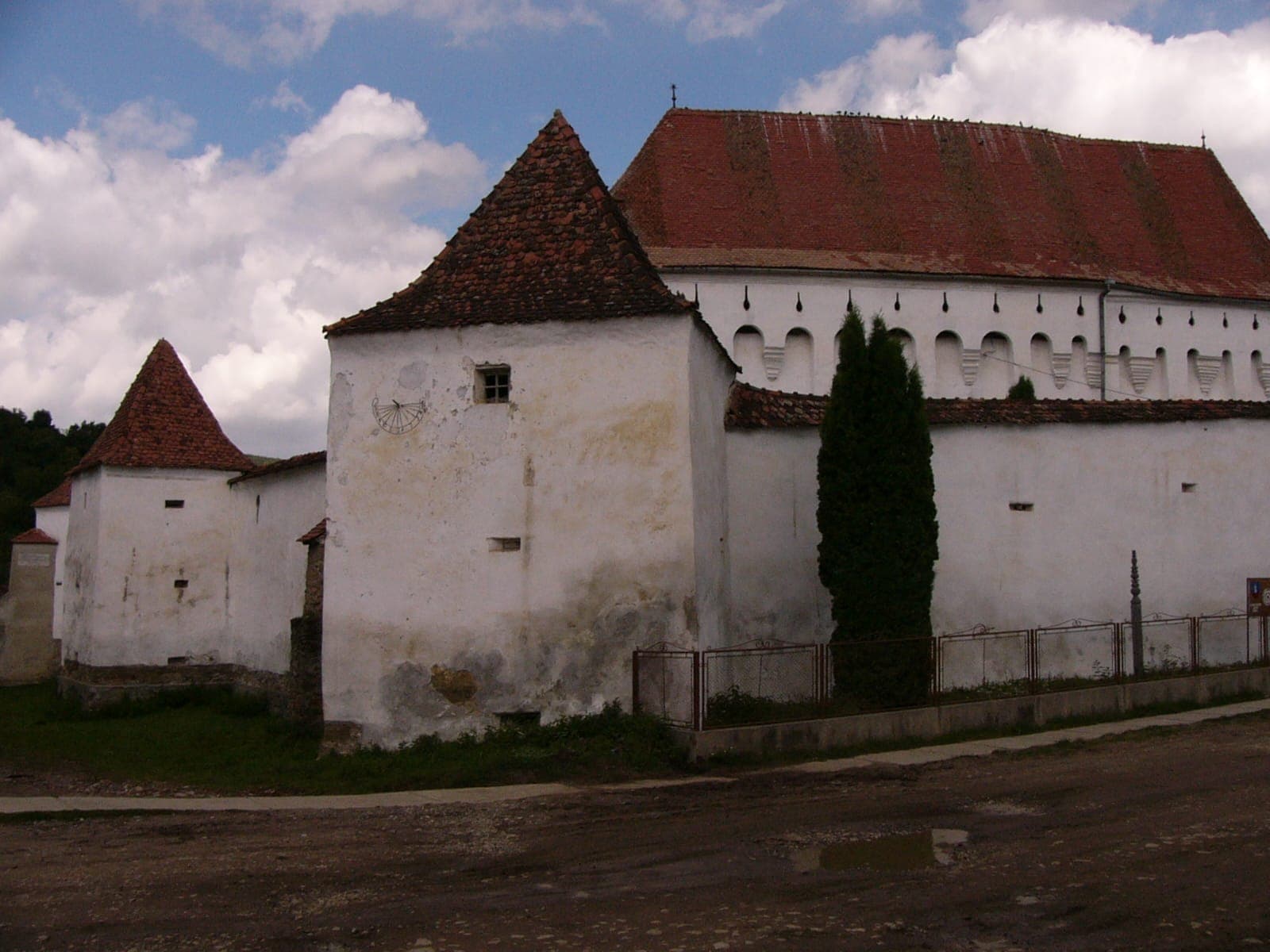
A Saxon church fortress in the Burzenland, near Brașov: a 19th-century Neoclassical church ringed by a double medieval wall with eight surviving defensive towers.
Monasteries and churchesFortresses and fortifications
The only Székely and Unitarian church in the UNESCO fortified-church site: a Gothic church with 1419 frescoes of the legend of Saint Ladislaus, whose fortress villagers still use to store their bacon.
Monasteries and churchesFortresses and fortificationsUNESCO
 Top 20