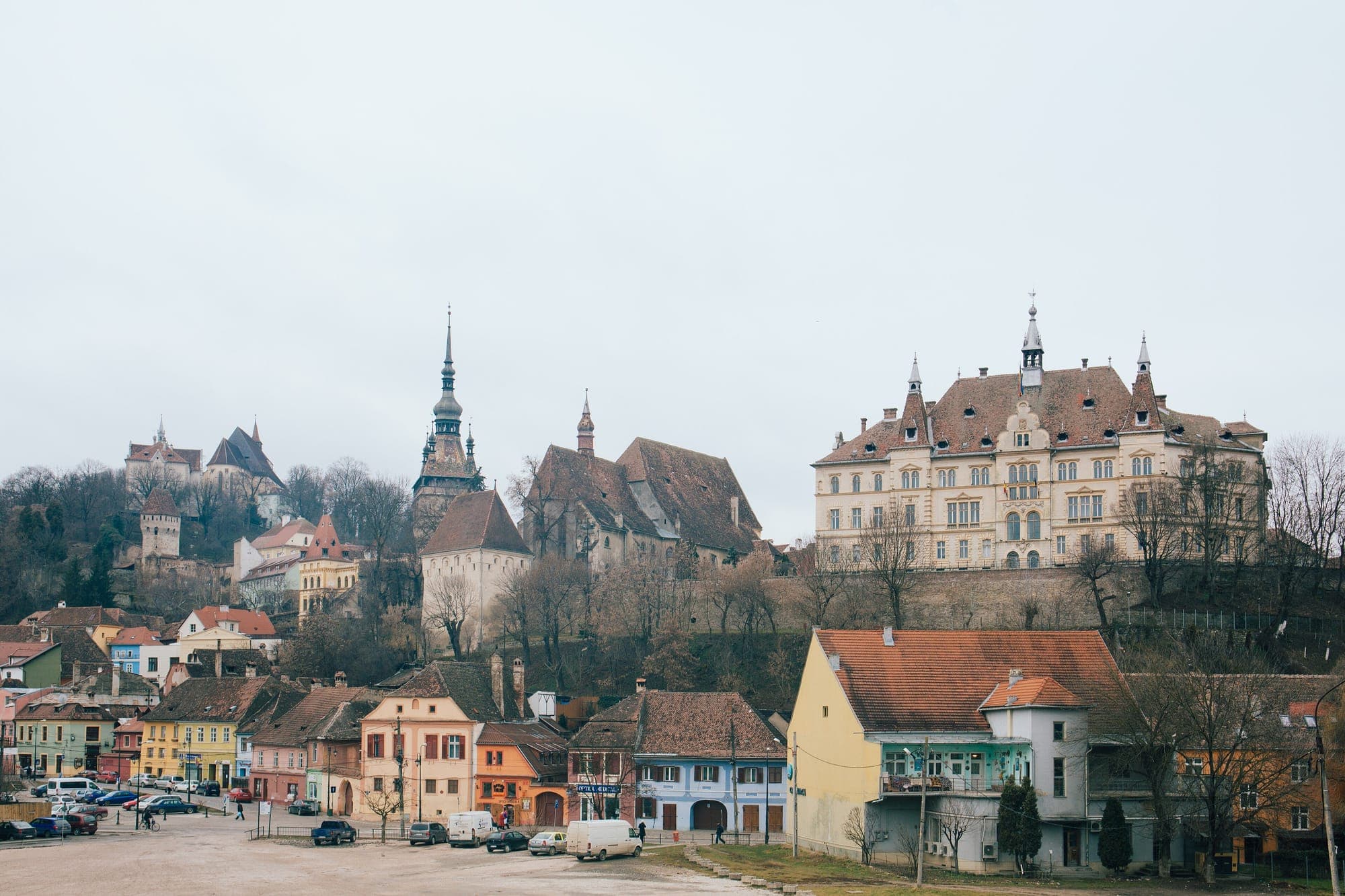
A Saxon-built, still-inhabited medieval walled town on a hill above the Târnava Mare, with guild towers and the famous Clock Tower; a UNESCO World Heritage Site since 1999.
Fortresses and fortificationsMonuments and historic sitesUNESCO
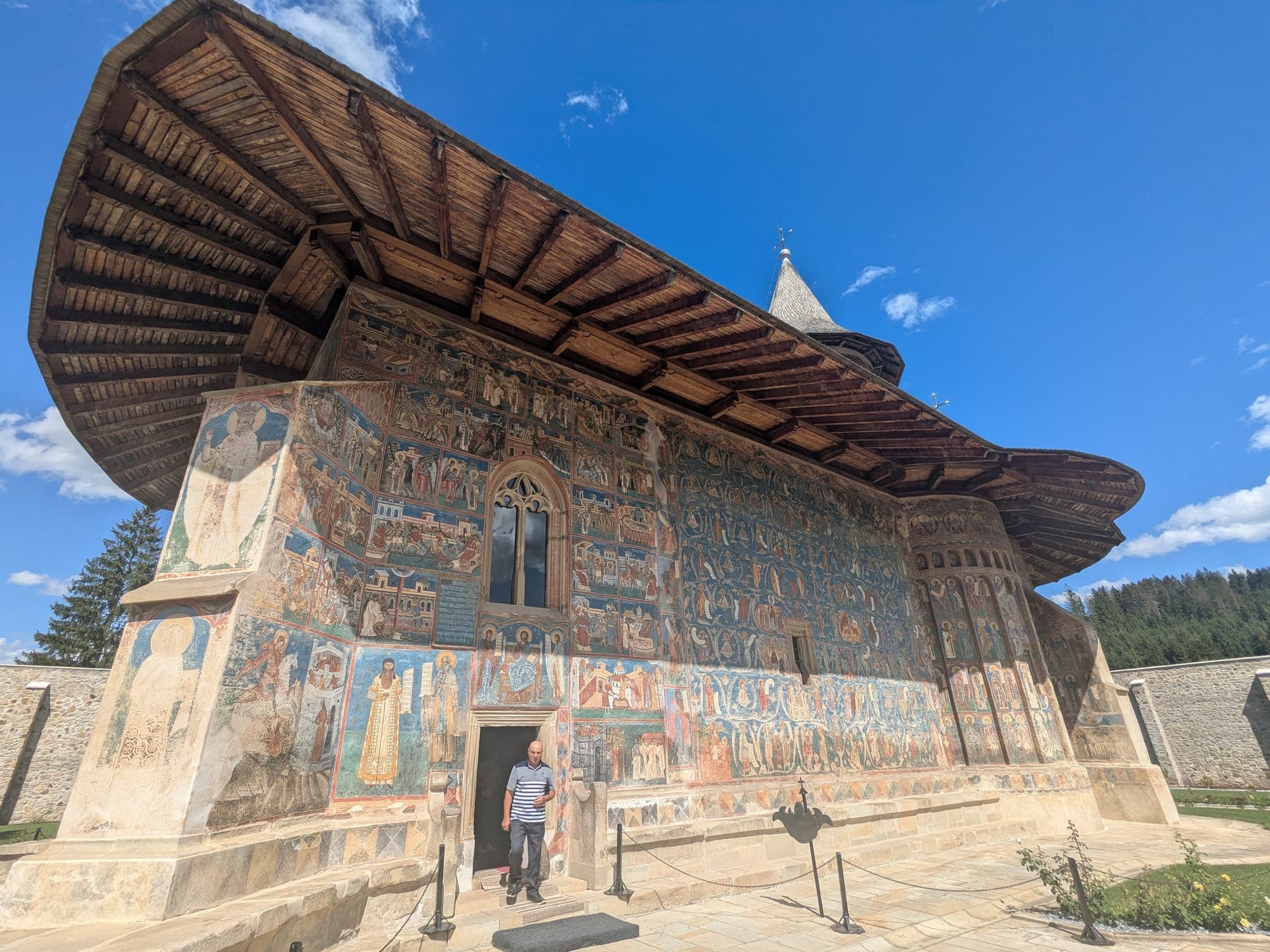
The church founded by Stephen the Great in 1488, painted on the outside with the Last Judgment on a background of "Voroneț blue"; a UNESCO site near Gura Humorului.
Monasteries and churchesMonuments and historic sitesUNESCO
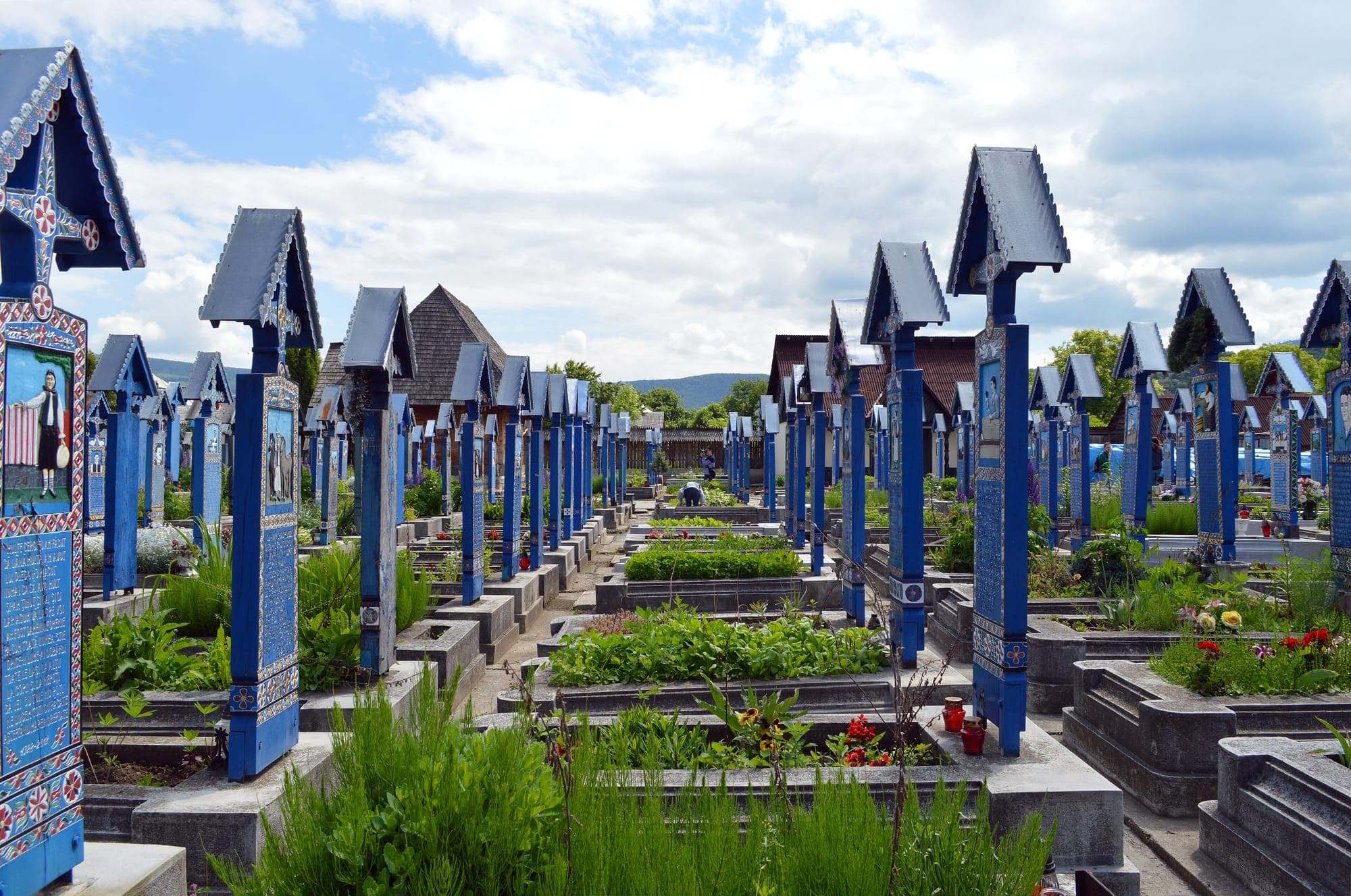
The cemetery in Săpânța with over 800 oak crosses painted blue, showing naive scenes from the lives of those buried there and witty epitaphs in verse; begun in 1935 by the craftsman Stan Ioan Pătraș.
Monuments and historic sitesVillages and traditions
Romania's largest bastion fortress, a seven-pointed star built by the Habsburgs in 1715–1738 at Alba Iulia; baroque gates, cathedrals, the Union Hall and a changing of the guard, all with free access.
Fortresses and fortificationsMonuments and historic sites
The travertine gate carved by Constantin Brâncuși in 1937–1938 at the entrance to Târgu Jiu's Central Park, part of the “Heroes' Way” ensemble, a UNESCO World Heritage Site.
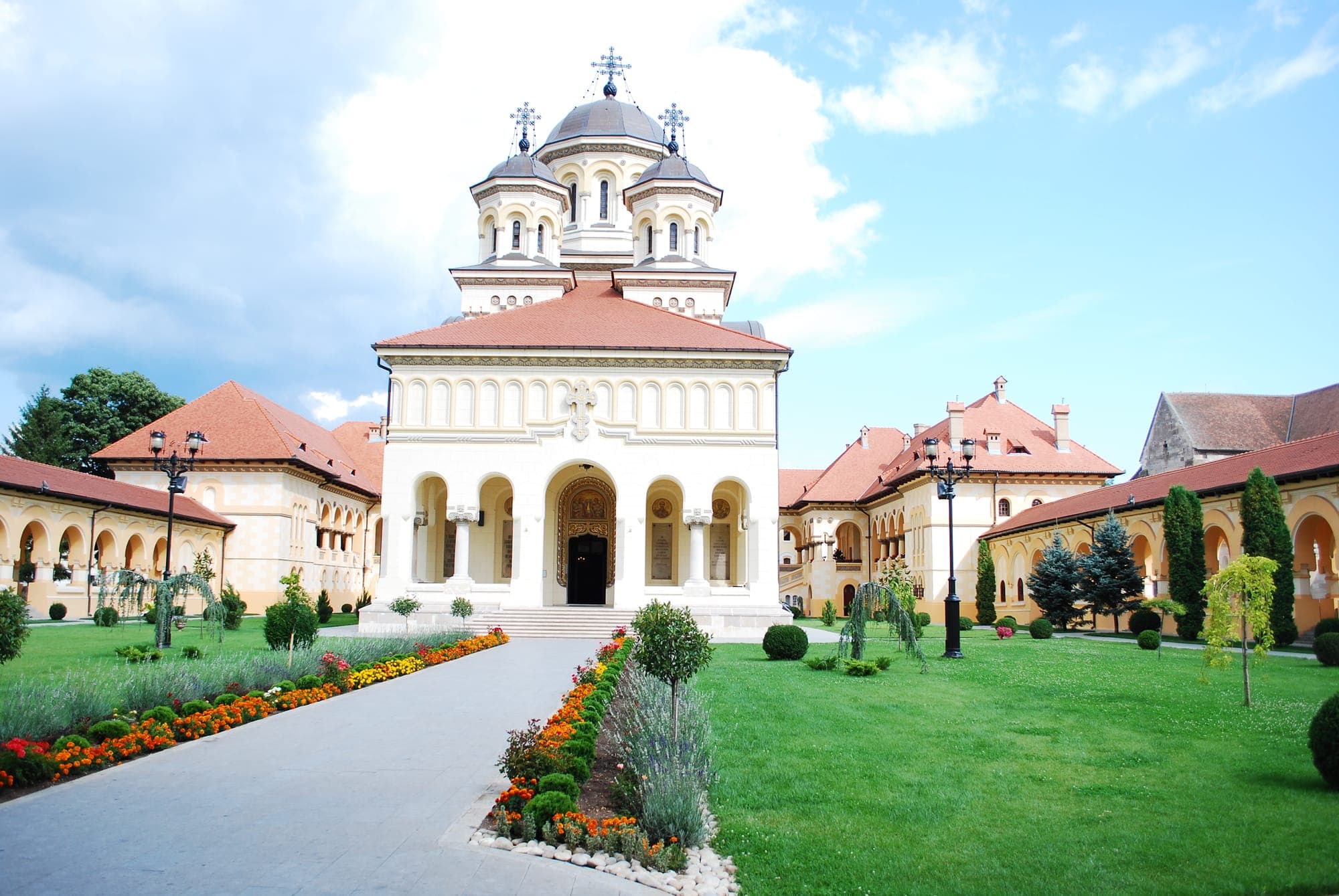
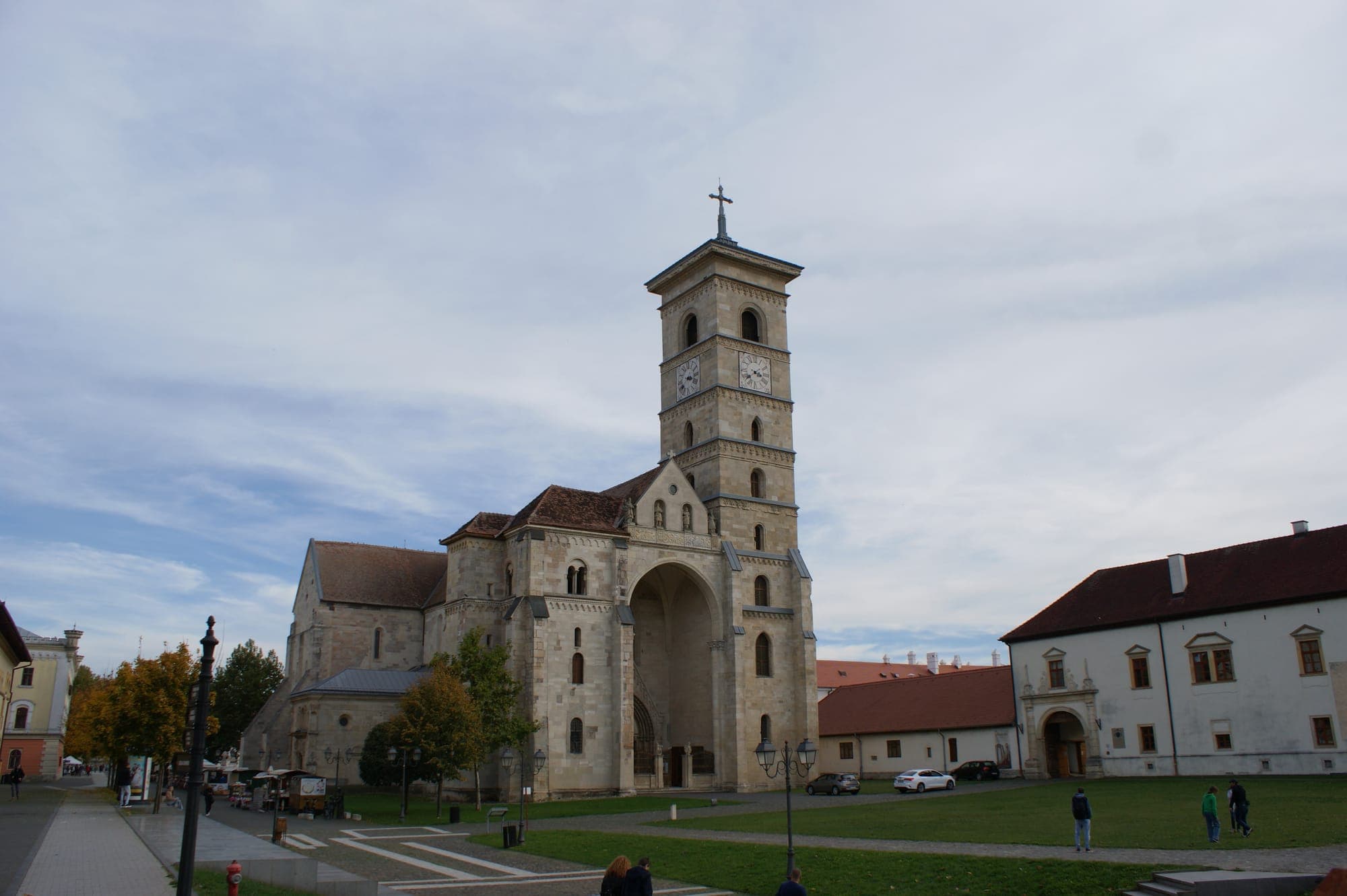
The Orthodox cathedral inside Alba Carolina Fortress, built in 1921–1922 for the coronation of Ferdinand and Marie as king and queen of Greater Romania, with a 58 m bell tower and royal portraits in fresco.
Monasteries and churchesMonuments and historic sites
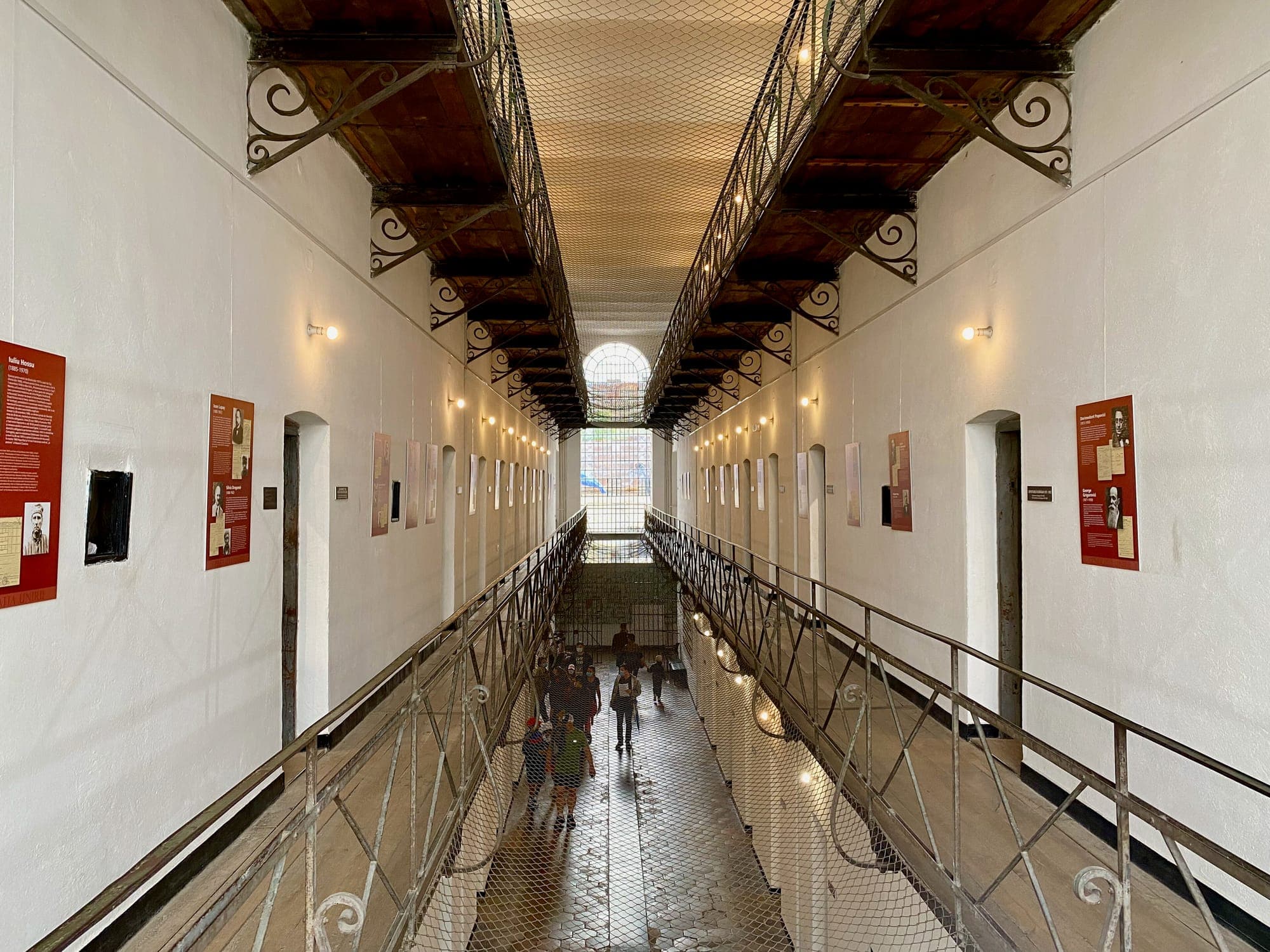
The former Sighet prison, where the political elite of interwar Romania died, turned by Ana Blandiana and Romulus Rusan into the first museum of communism in Eastern Europe; over 50 cells made into exhibition rooms.
Museums and memorial housesMonuments and historic sites
Romania's oldest and longest cathedral, Romanesque and Gothic, at the heart of the Alba Carolina Fortress; it holds the tomb of John Hunyadi and the first Renaissance chapel in Transylvania.
Monasteries and churchesMonuments and historic sites
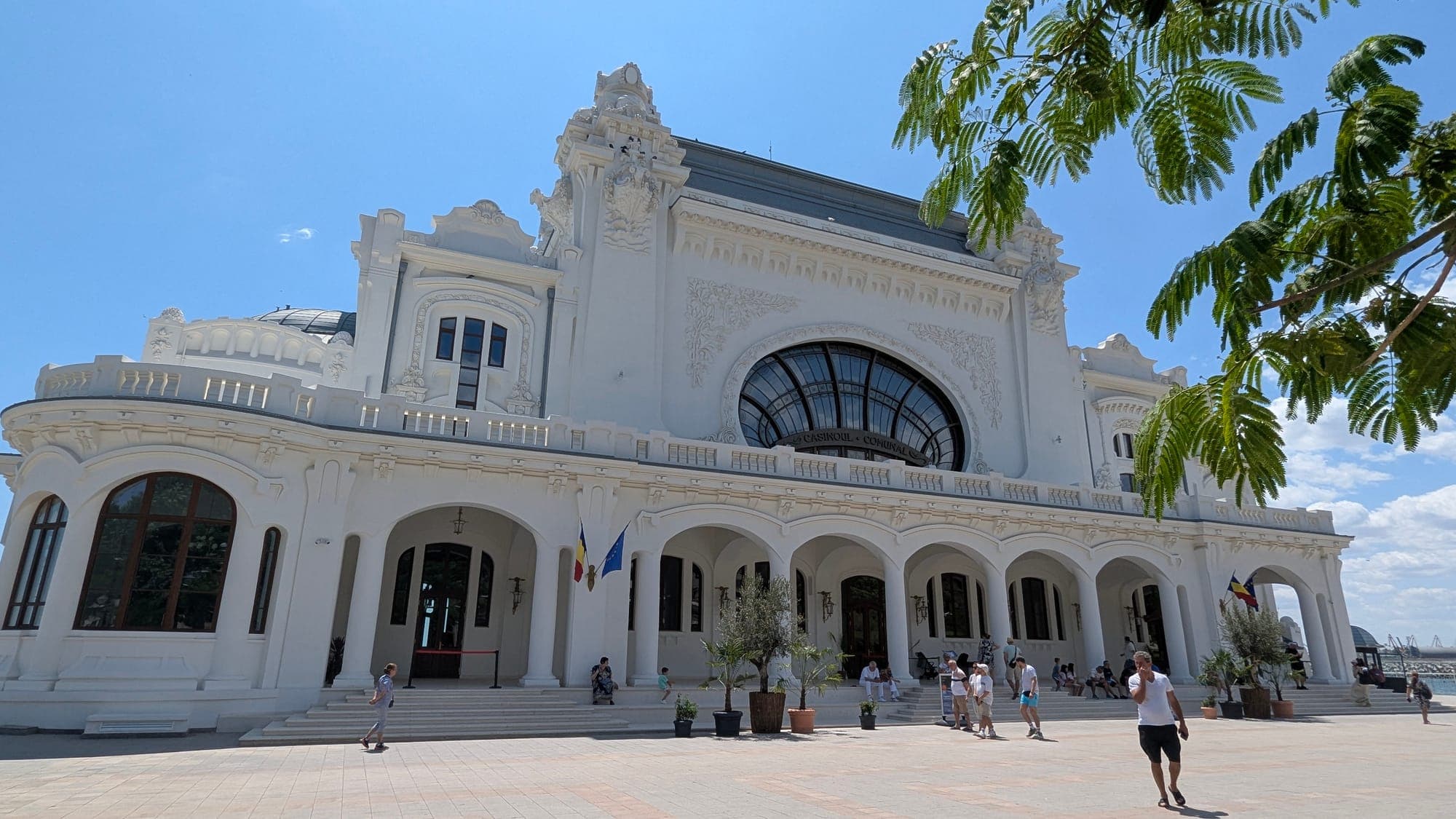
The Art Nouveau building on the Constanța seafront, opened in 1910, left to decay after 1990 and reopened in 2025 after restoration, with exhibitions on its history and on the Black Sea.
Monuments and historic sitesMuseums and memorial housesSeaside
The 29.35 m column of brass-coated cast-iron modules raised by Constantin Brâncuși in 1938 in Târgu Jiu for the heroes of 1916: the eastern end of the “Heroes' Avenue” ensemble, a UNESCO World Heritage Site.
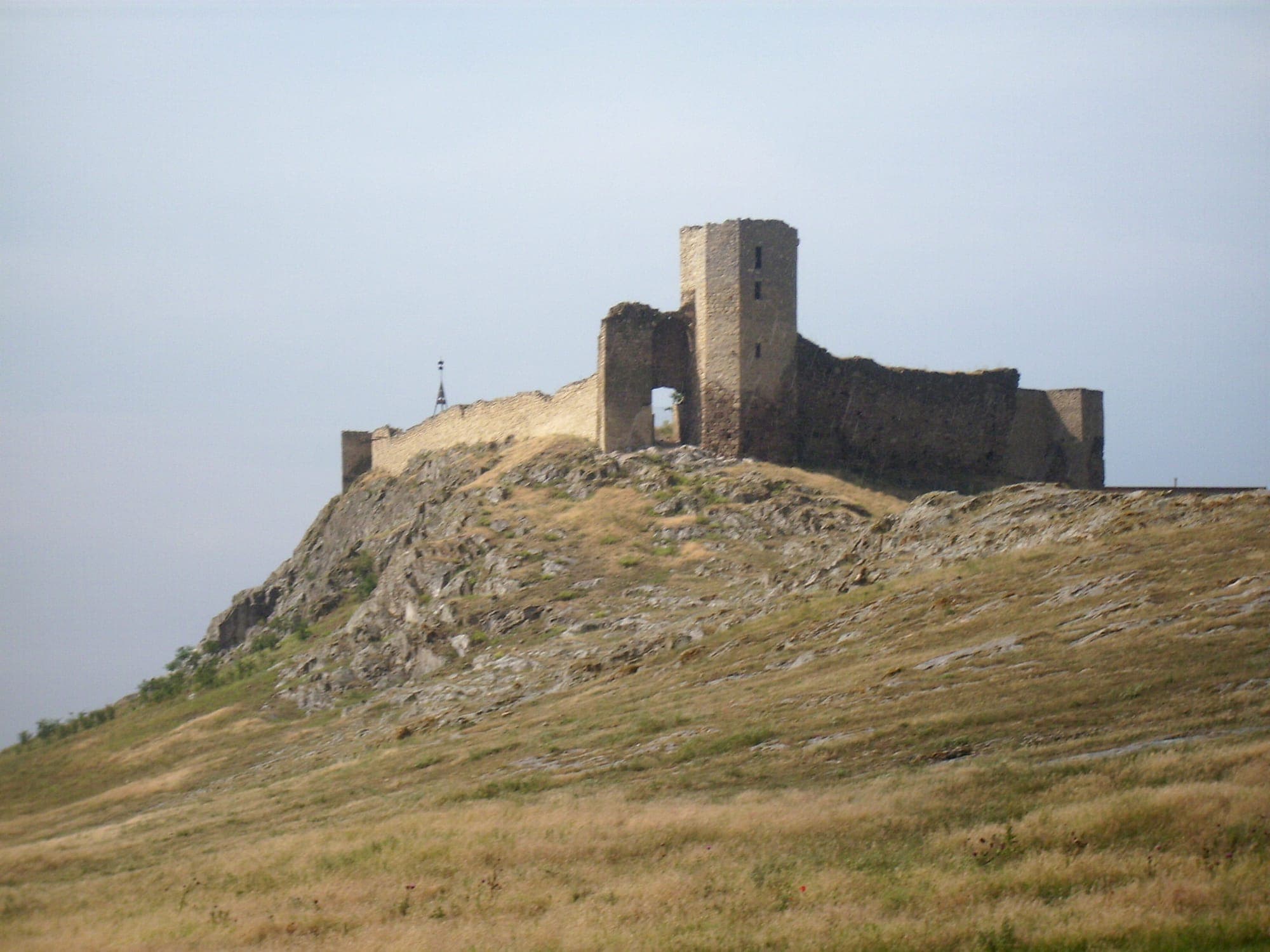
The ruins of a 14th-century fortress, probably built by the Genoese on a limestone hill above lakes Razim and Babadag, with one of the widest views in Dobruja.
Fortresses and fortificationsMonuments and historic sites
A 39 m steel cross raised in the 1920s on the edge of the Caraiman escarpment, at 2,291 m, in memory of the heroes of the First World War; it can be seen from all over Bușteni.
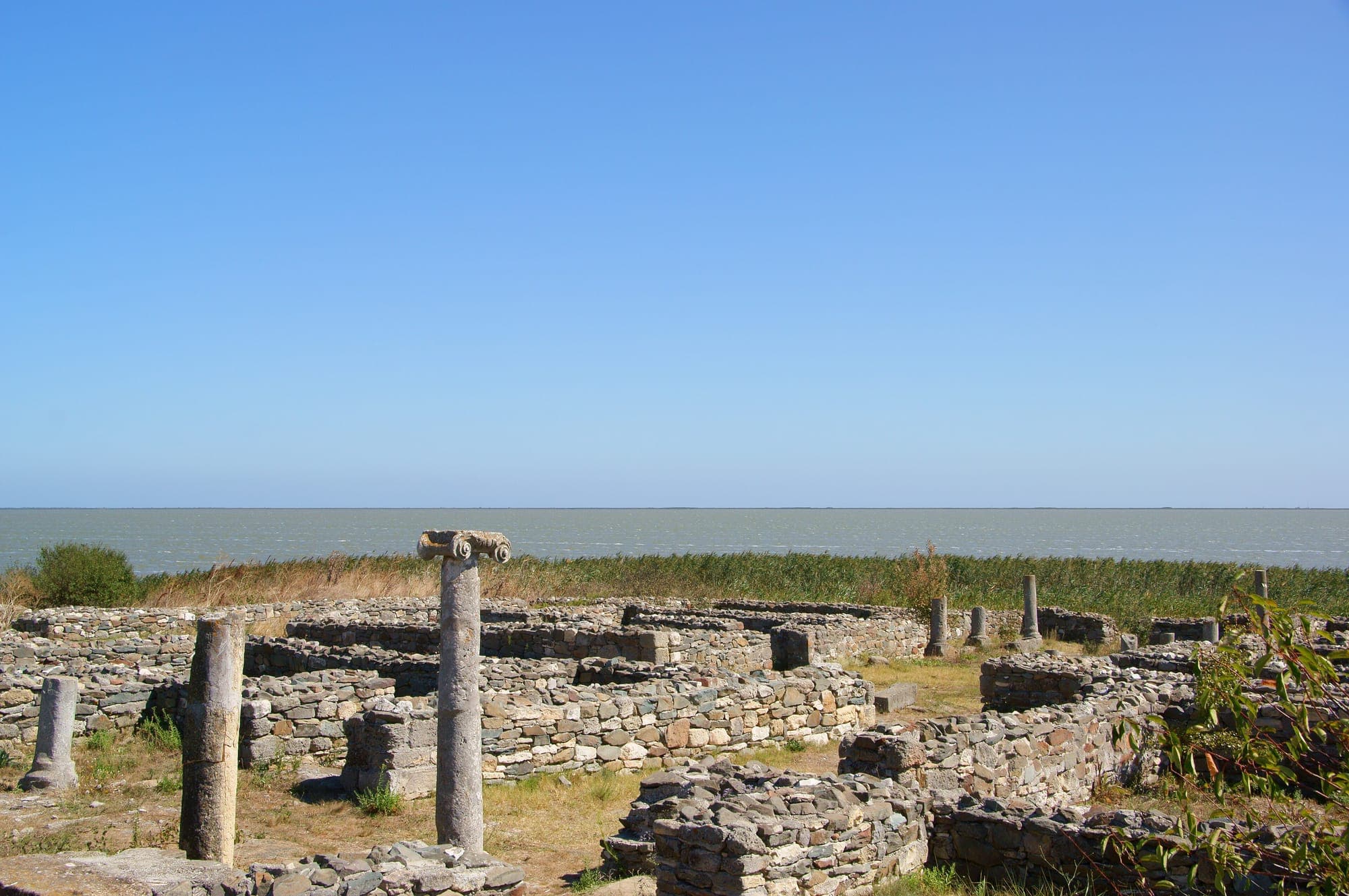
The ruins of the oldest city on Romanian soil, a Greek colony founded by Miletus in the 7th century BC on the shore of Lake Sinoe, with the site museum alongside.
Fortresses and fortificationsMuseums and memorial housesMonuments and historic sites
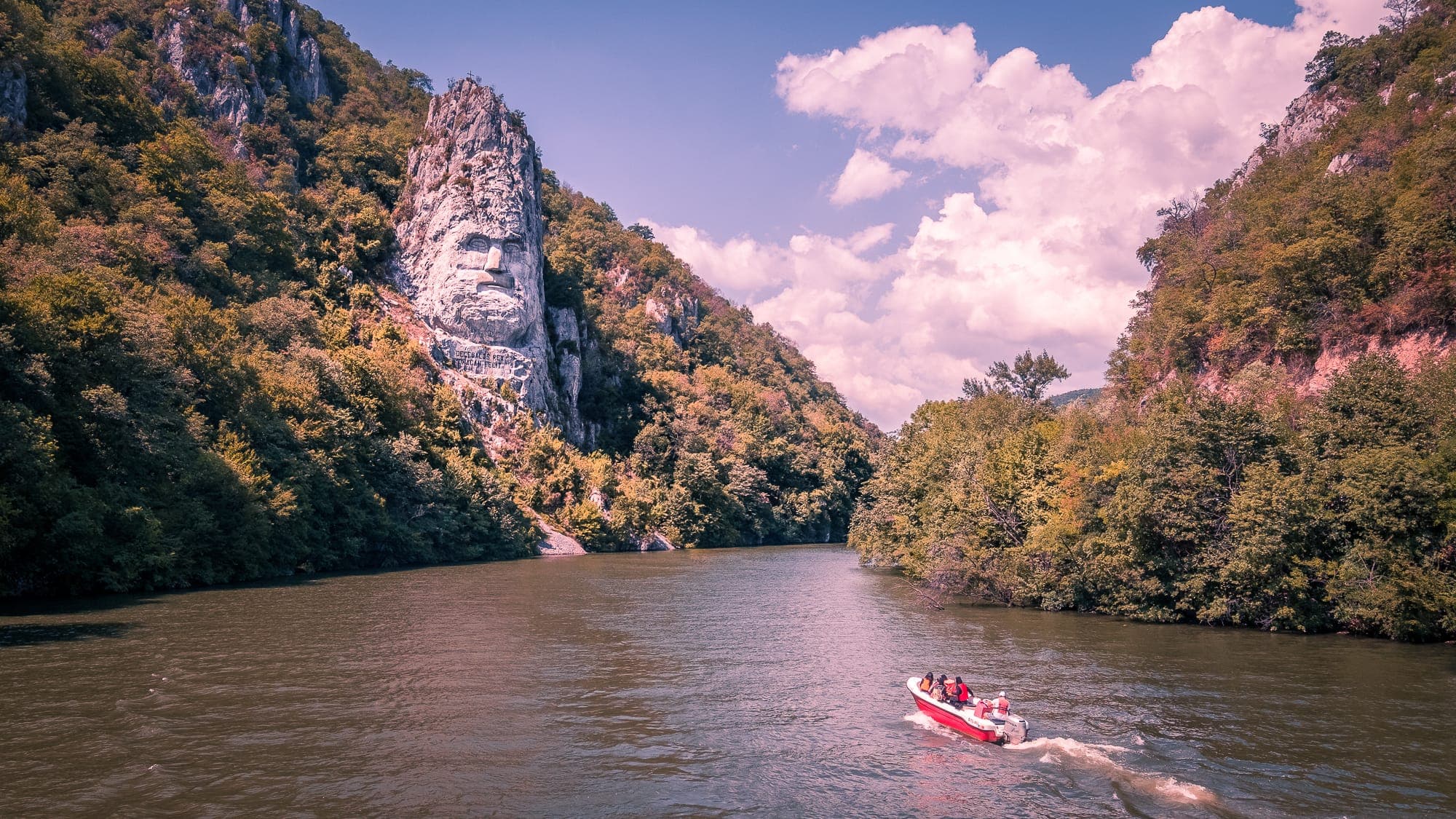
The face of the Dacian king Decebalus, carved between 1994 and 2004 into a 55 m rock at the mouth of the Mraconia, on the Romanian bank of the Danube: the tallest rock sculpture in Europe.
The capital of the Dacian kingdom, hidden in the beech forests of the Orăștie Mountains: the walls of Decebalus's fortress, the paved road and the sacred area with andesite and limestone sanctuaries, a UNESCO site.
Fortresses and fortificationsMonuments and historic sitesUNESCO
 Top 20