
Lake Beliș-Fântânele
Beliș, CJ
A reservoir about 13 km long on the Someșul Cald in the Apuseni Mountains, at almost 1,000 m; in dry summers the ruined church of the drowned village of Giurcuța de Jos rises from the water.
Lakes
Open nowFree
A reservoir about 13 km long on the Someșul Cald in the Apuseni Mountains, at almost 1,000 m; in dry summers the ruined church of the drowned village of Giurcuța de Jos rises from the water.

A reservoir on the Ialomița at 1,438 m, in the heart of the Bucegi Mountains, held back by a 55 m stone dam and ringed by spruce forest, between the Tătaru and Zănoaga gorges.

A reservoir on the Bistrița Ardeleană between the Bârgău and Călimani mountains, nicknamed “the sea in the mountains”, with the Colibița resort spread along its shores.
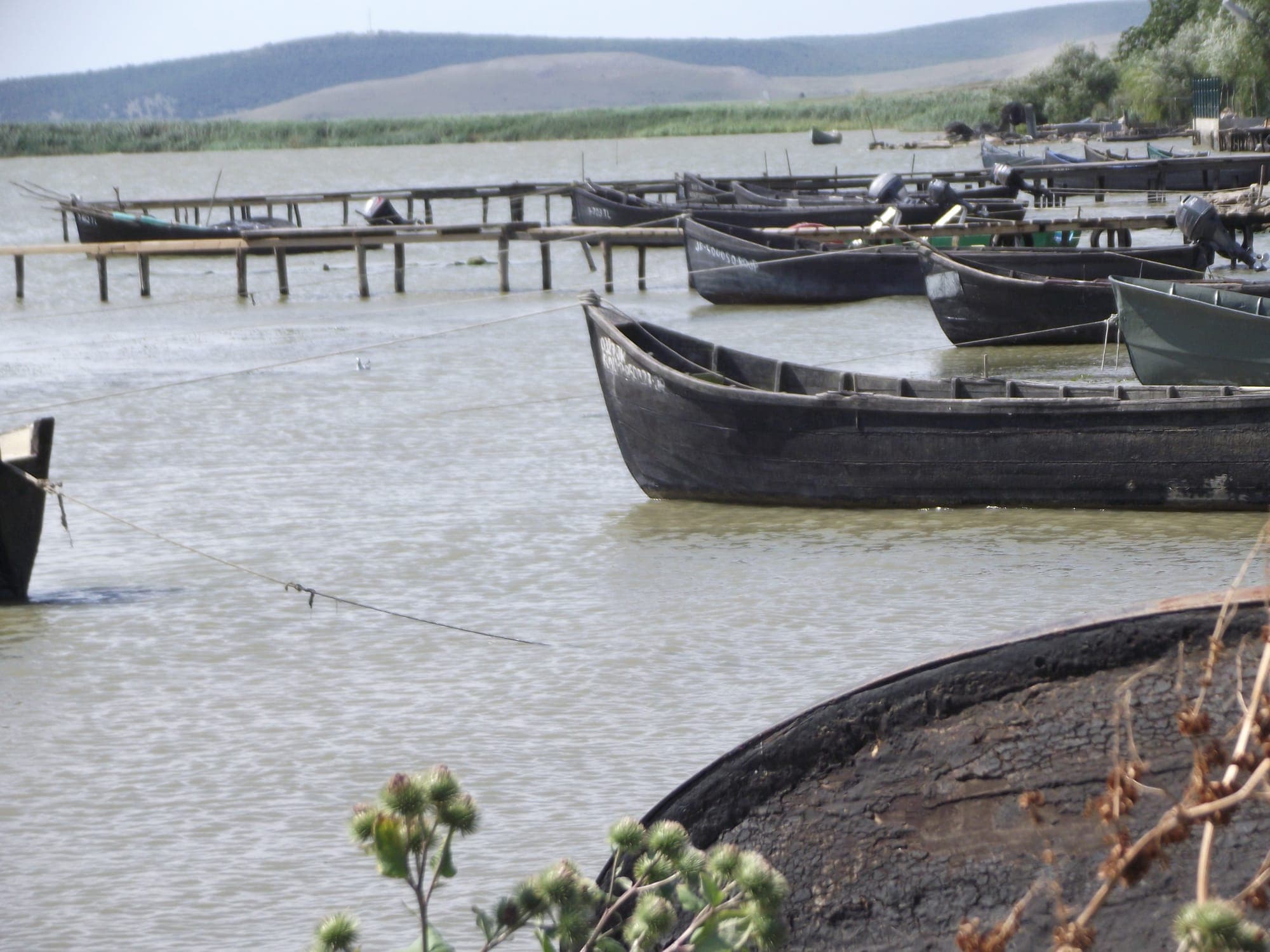
Romania's largest lake, a lagoon of about 415 km² south of the Danube Delta, with Lipovan fishing villages on its shores, protected islands and the ruins of Enisala and Argamum above the water.
 Top 100
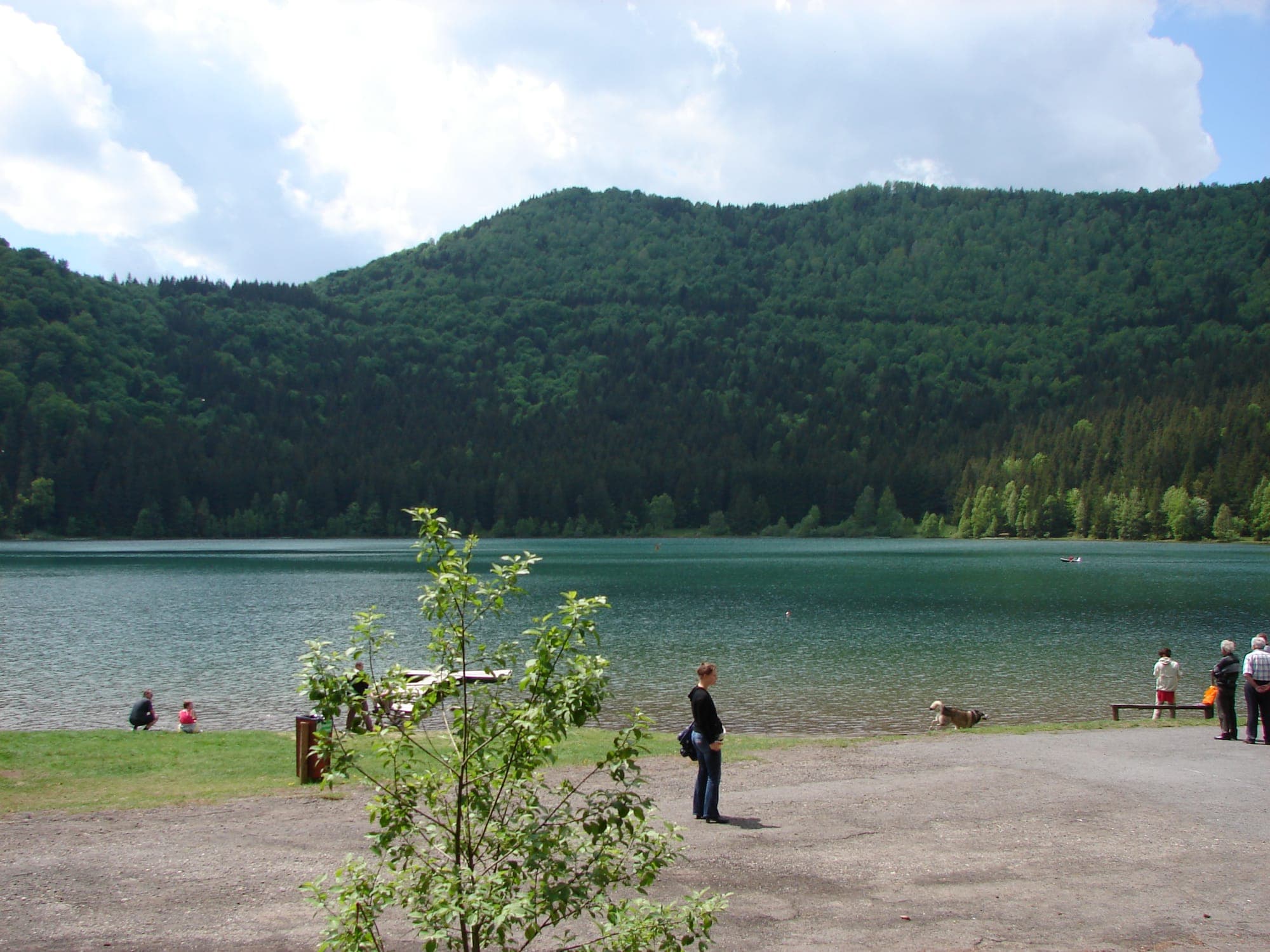
Romania's only volcanic lake: an almost round sheet of water in the Ciomatu crater, ringed by forest, with a Catholic chapel on the shore and the Mohoș peat bog in the neighbouring crater.
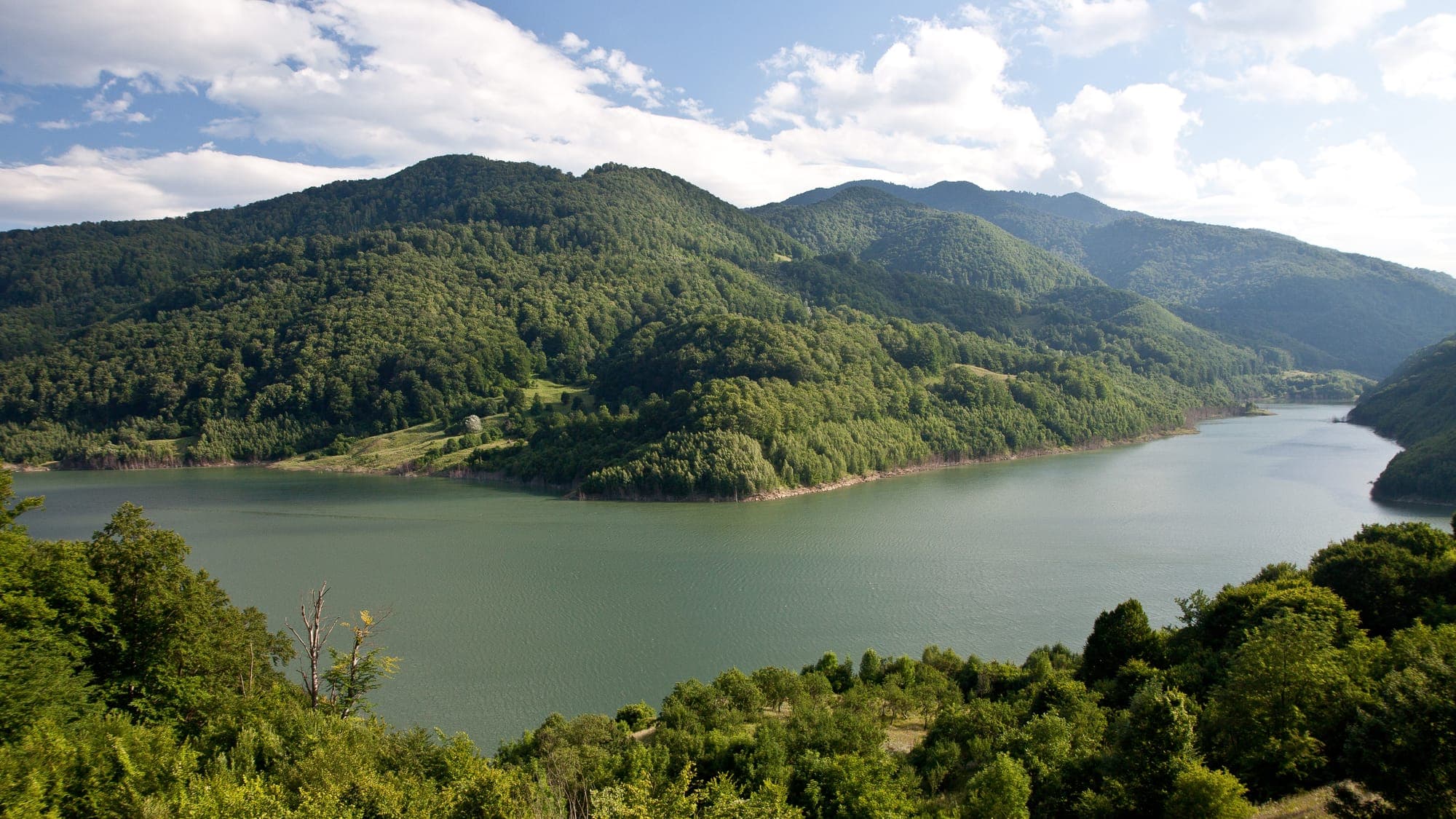
A reservoir over 10 km long in the Buzău valley, between the Siriu and Podu Calului mountains; the DN10 winds along its shore over viaducts, with views of the water and the 122 m rockfill dam.
 Top 100
A liman lake some 16 km long, 40 km north of Bucharest, between forests, villas and jetties, with a water-lily reserve in the middle and Snagov Monastery on an island.
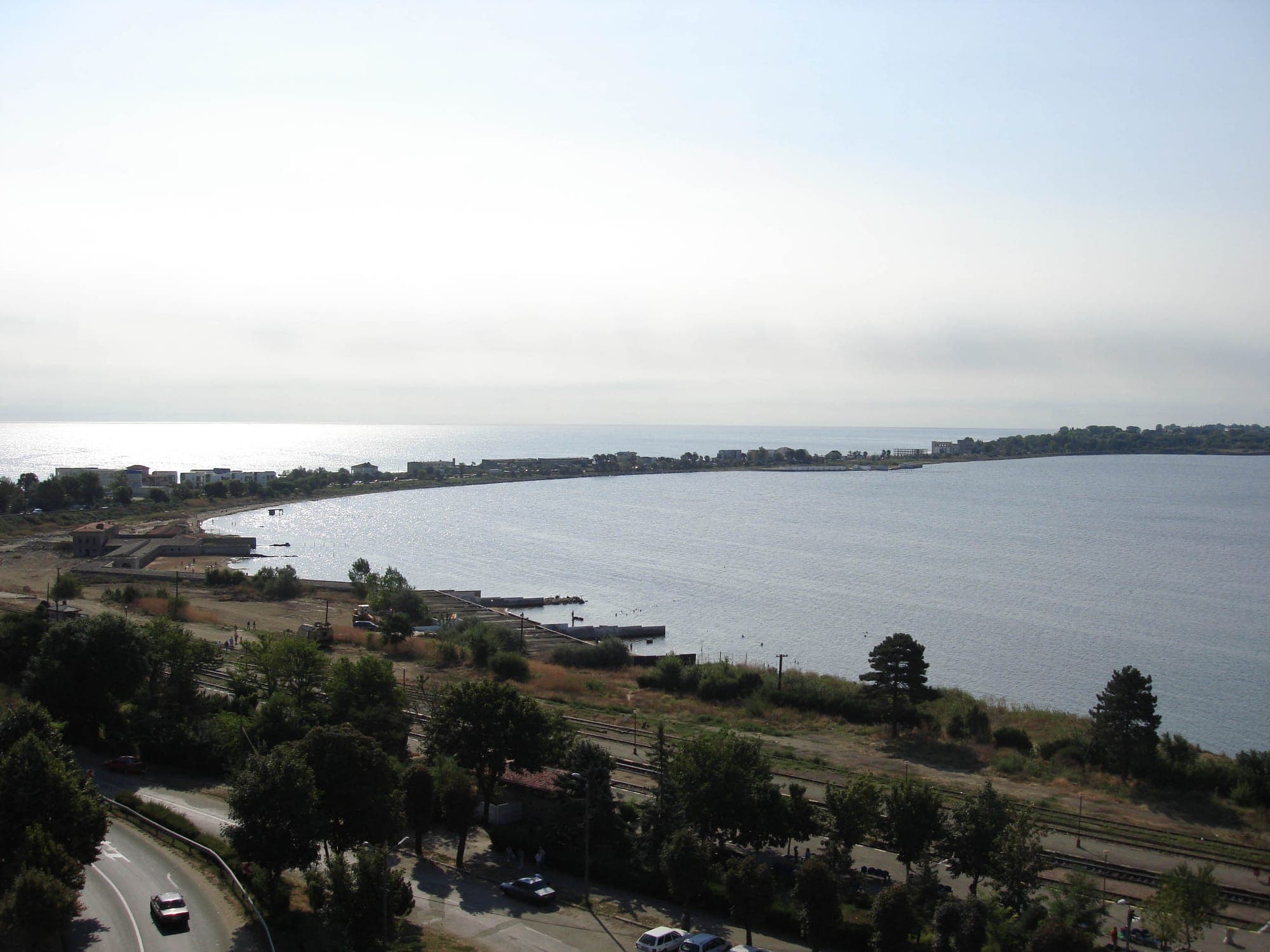
Romania's largest salt lake, a former sea bay next to Eforie: cold mud baths on the Techirghiol shore in summer, flocks of rare birds on water that does not freeze in winter.

The Renaissance castle of the Lázár family, with four bastions, a gate tower and walls topped by ornamental crenellations, at the edge of the forest near Gheorgheni; Gabriel Bethlen spent his childhood here.

A waterfall of about 15 m, split by a rock into two streams, in the Nucșoara valley in the north of Retezat National Park; a 15–20 minute walk from Cârnic.

An inn from 1808, built by the merchant and diplomat Manuc Bei beside the Old Court: a listed building with an inner courtyard and wooden balconies, where the 1812 Russo-Turkish peace talks took place.

The largest surviving piece of Timișoara's bastioned fortress, built by the Austrians in the 1730s and restored with EU funds, now home to the National Museum of Banat.

The museum of the Memorial of the Revolution Association, in a former military building in Timișoara: clothes and flags from the days of December 1989, a chapel of the hero-martyrs and the only section of the Berlin Wall in Romania.
 Top 100
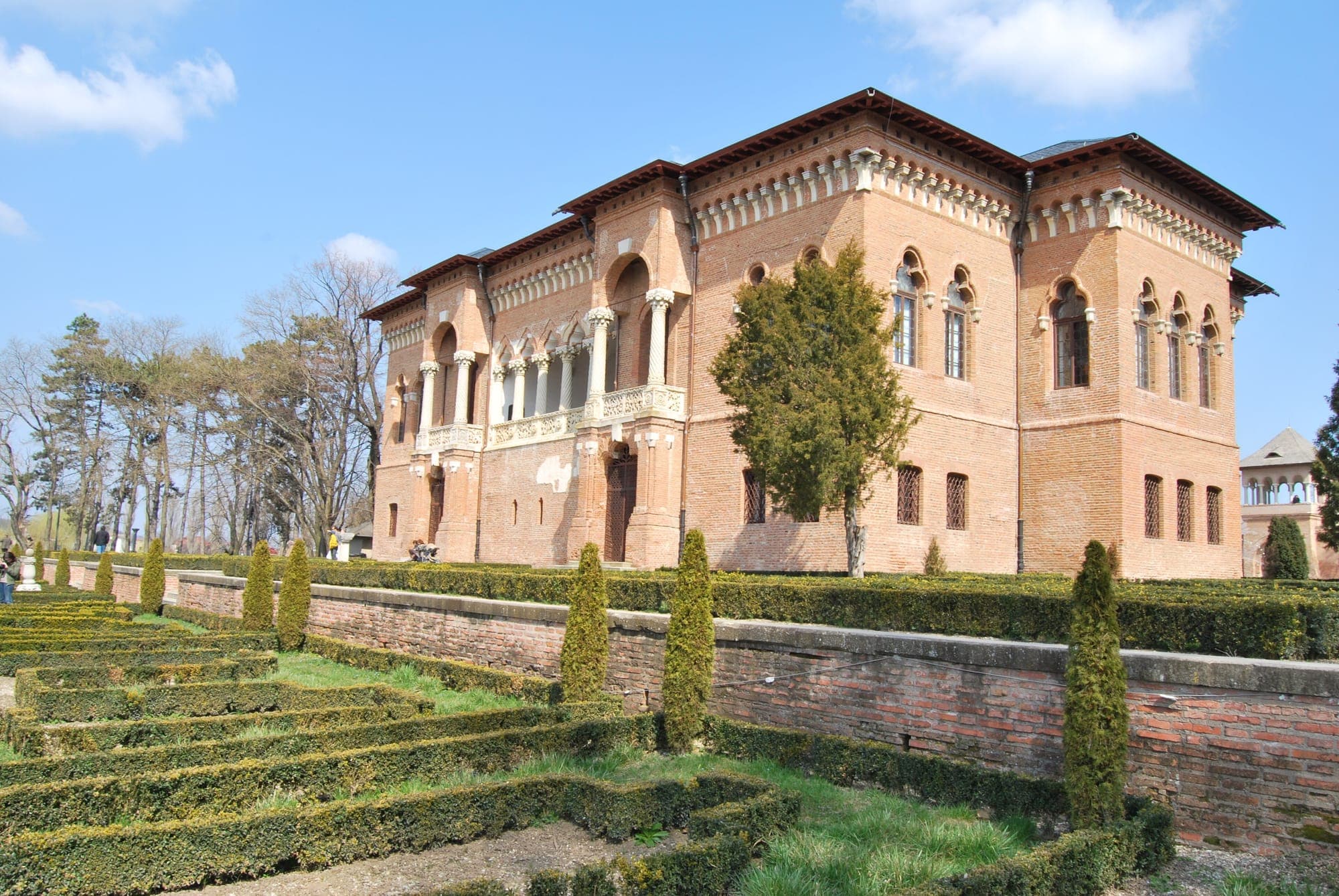
The Brâncovenesc palace built by Constantin Brâncoveanu in 1702, with its carved stone loggia, the old kitchen, a church from 1688 and a large lakeside park, 15 km from the centre of Bucharest.

The museum in the Neo-Romanian building on Kiseleff Road, named European Museum of the Year in 1996, keeps over 100,000 objects of peasant art and civilisation.
Top 100Top 100Top 100