Voroneț Monastery
Voroneț, SV · 43 km from Suceava
The church founded by Stephen the Great in 1488, painted on the outside with the Last Judgment on a background of "Voroneț blue"; a UNESCO site near Gura Humorului.
Bukovina is the land in the north of Moldavia, on the slopes of the Obcine ridges and the Rarău, with spruce forests, hay meadows and villages of ornately decorated houses. The name was given by the Austrians, who ruled it from 1775 to 1918; the southern part remained with Romania and today covers Suceava County. Suceava, the old capital of Moldavia, is the main town, followed by Rădăuți, Câmpulung Moldovenesc, Gura Humorului and Vatra Dornei. Among the places to visit in Bukovina, the most sought-after are the monasteries with sixteenth-century exterior frescoes, listed as UNESCO World Heritage.
Voroneț Monastery, with its famous blue, Sucevița, Moldovița and Humor are a short distance from one another and can comfortably be seen in two days. In Suceava, the Princely Fortress is where the princes of Moldavia ruled the country from. Towards the mountains, the Cacica Salt Mine, the Transrarău road and the resort of Vatra Dornei round off the route. The whole county is on the Suceava page.
32 results
The church founded by Stephen the Great in 1488, painted on the outside with the Last Judgment on a background of "Voroneț blue"; a UNESCO site near Gura Humorului.

A spa resort more than two centuries old in the Dorna Depression: carbonated springs, peat mud, a park full of squirrels and the Spa Casino, restored and reopened as a museum.

The Movilă family's fortified monastery, built in the 1580s among the hills of Bukovina, with a church painted almost entirely inside and out and the famous "Ladder of Virtues"; a UNESCO site.

The church built in 1530 by chancellor Toader Bubuiog under Petru Rareș, painted outside in shades of red, with an open porch and Vasile Lupu's tower; a UNESCO site.

Stephen the Great's foundation of 1466–1469, the site of his tomb, with the Treasury Tower of 1481 and a museum holding one of the richest collections of medieval embroidery.

The stone stronghold of the princes of Moldavia in Suceava, built by Peter Mușat and strengthened by Stephen the Great, with a bridge over the moat, walls over 10 m high and a display of medieval arms and treasure.

Founded by Petru Rareș in 1532, with a church painted on the outside in shades of yellow and blue and the famous Siege of Constantinople fresco; a UNESCO site in Bukovina.

A paved road over the Rarău Mountains between Pojorâta and Chiril, with 28 km of hairpins beneath the Pietrele Doamnei rocks and views over the mountains of Bukovina.

A small 18th-century wooden church in the cemetery of an isolated hillside village, tied to the tradition that Stephen the Great built it from the oak that hid him.

The former metropolitan cathedral of Moldavia, built in 1514–1522 in the centre of Suceava and home to the relics of St John the New; its church of St George is a UNESCO site.

The church built in 1502 by Hetman Luca Arbore, with no tower and exterior frescoes from 1541 dominated by green; a UNESCO site, today the church of Arbore Monastery.
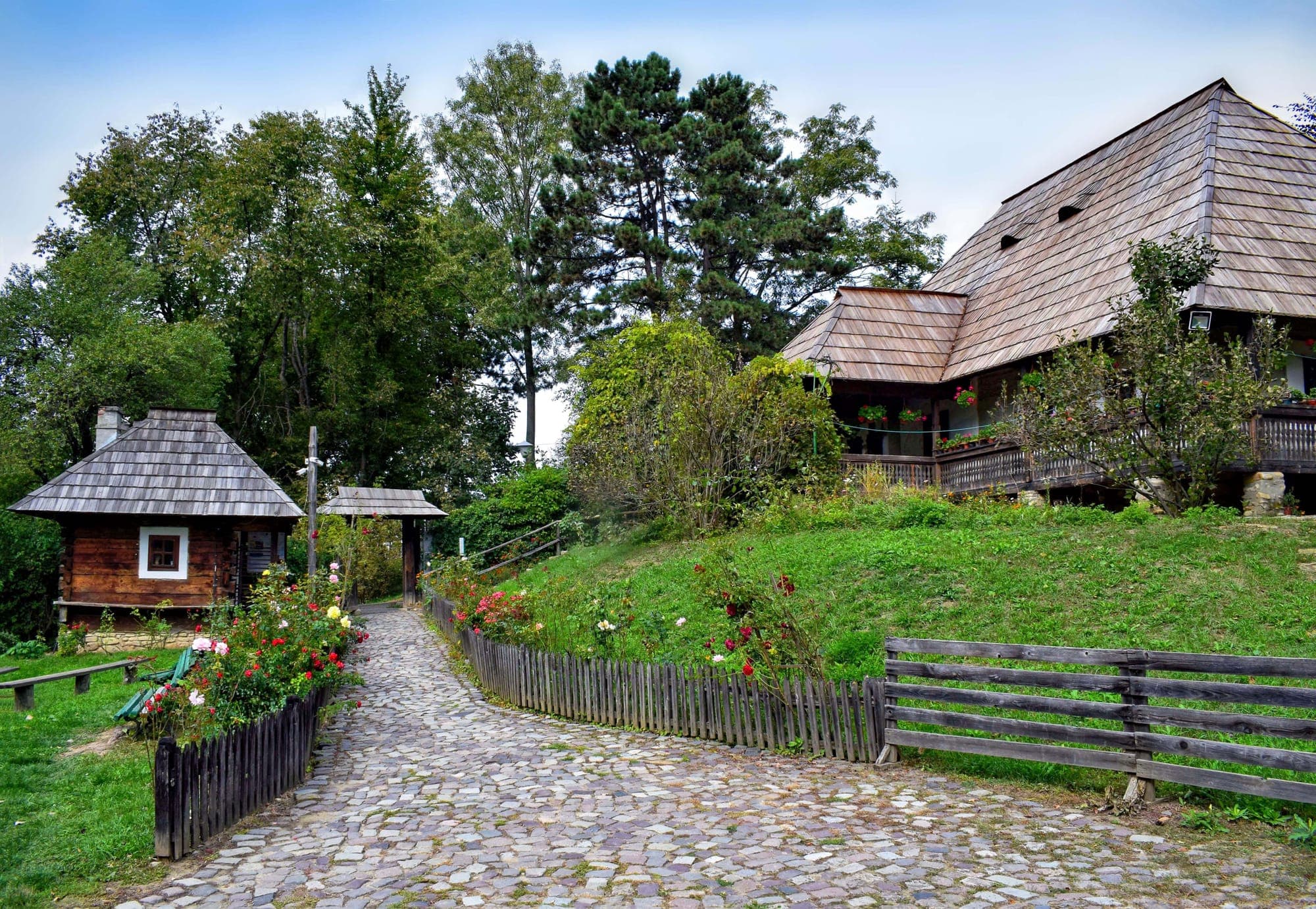
An open-air ethnographic museum on the plateau next to the Suceava Princely Fortress: farmsteads, workshops and installations from Bukovina villages, a wooden church from 1783, an inn and a school, all gathered into one village.

A salt mine opened by the Austrians in 1791 with miners brought from Galicia: 192 fir steps lead down to a chapel carved in salt, a salt lake and a ballroom 42 m below ground.

The Church of Saints Peter and Paul, founded by Ștefan Tomșa II in 1612–1622, one of the tallest in northern Moldavia, surrounded by enclosure walls with towers.
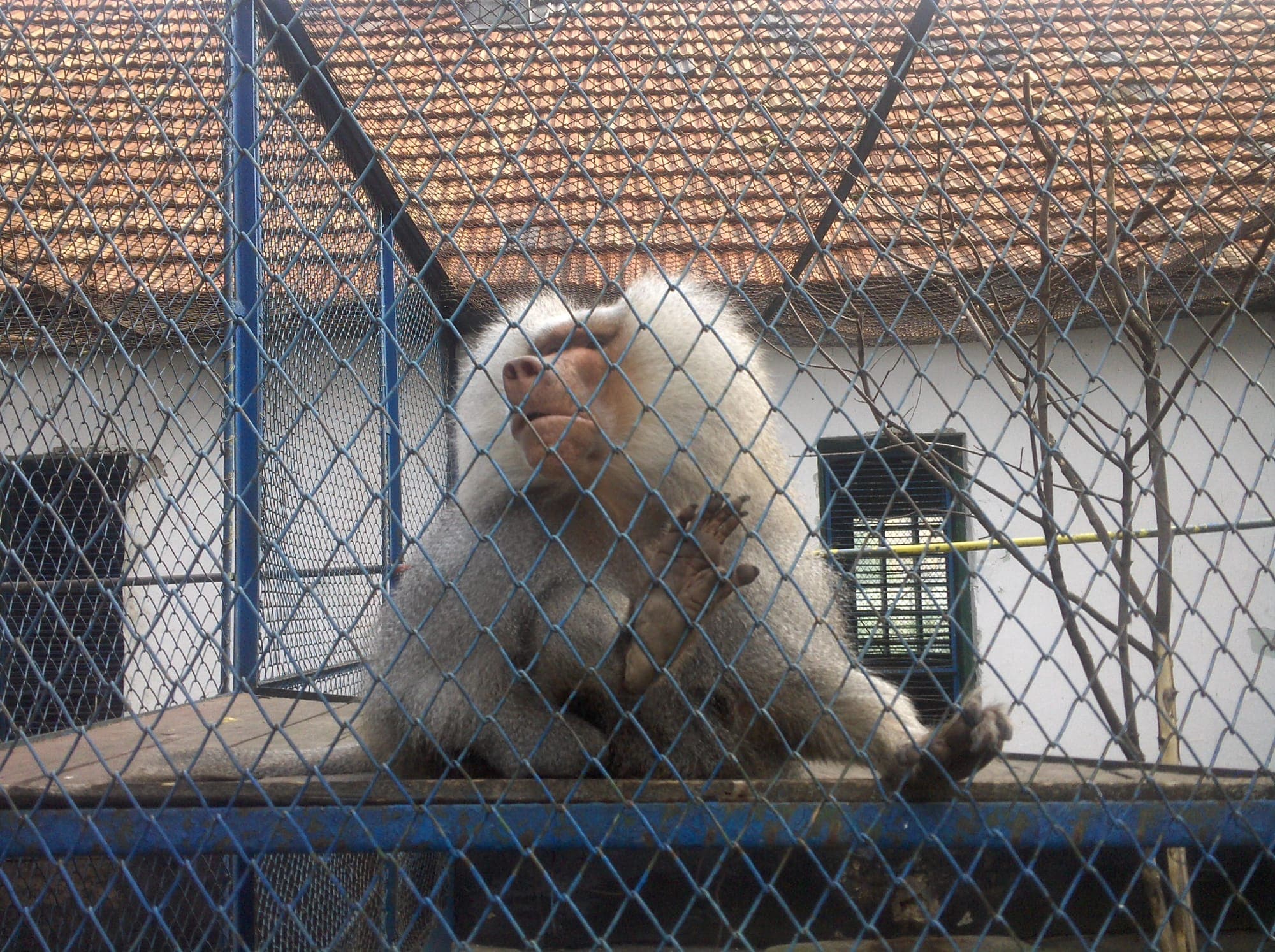
A zoo on Ștefan cel Mare street in Rădăuți, with bears, big cats, primates and birds, for a walk among animal enclosures and aviaries.