Merry Cemetery
Săpânța, MM · 47 km from Baia Mare
The cemetery in Săpânța with over 800 oak crosses painted blue, showing naive scenes from the lives of those buried there and witty epitaphs in verse; begun in 1935 by the craftsman Stan Ioan Pătraș.
Maramureș is the region in the north of the country, enclosed by the Rodna, Gutâi, Țibleș and Maramureș Mountains, with the Tisza as its border with Ukraine. The historical part, the Maramureș country, is the basin crossed by the Iza, the Mara and the Vișeu, where villages have kept their carved gates, their wooden churches with tall spires and a calendar of festivals that is still alive. Baia Mare, a mining town turned county seat, Sighetu Marmației, on the Tisza, Borșa and Vișeu de Sus are the main towns; to the west, Satu Mare County adds the Someș plain and the Oaș country. The places to visit in Maramureș are, above all, those tied to wood and tradition.
Eight wooden churches are listed by UNESCO, among them Bârsana, Ieud Deal and Șurdești. In Săpânța, the Merry Cemetery is known for its painted crosses, while in Sighet the Memorial of the Victims of Communism occupies the former prison. Towards the mountains, the Horses' Waterfall and the Prislop Pass open the way to Bukovina, and the Vaser valley forestry railway climbs from Vișeu de Sus. In Satu Mare, the castle in Carei is the main stop.
36 results
The cemetery in Săpânța with over 800 oak crosses painted blue, showing naive scenes from the lives of those buried there and witty epitaphs in verse; begun in 1935 by the craftsman Stan Ioan Pătraș.

The last working forest railway in the Carpathians: a steam-hauled train climbs 21.6 km up the Vaser valley, through the Maramureș Mountains Nature Park, to Paltin station.

The highest pass in the Eastern Carpathians: the DN18 climbs from Borșa to 1,416 m between the Rodna and Maramureș Mountains and drops down the Golden Bistrița valley to Cârlibaba, from Maramureș into Bukovina.

The former Sighet prison, where the political elite of interwar Romania died, turned by Ana Blandiana and Romulus Rusan into the first museum of communism in Eastern Europe; over 50 cells made into exhibition rooms.

Eclectic castle with towers and a moat, rebuilt in 1894–1896 by the Károlyi family in the middle of a three-century-old dendrological park; inside, period interiors, wax figures and African trophies.

A roughly 90 m waterfall that drops in several tiers down a limestone wall in the Rodna Mountains, above the resort of Borșa; reached by chairlift and a short forest walk.

The Church of the Holy Archangels in Rogoz, built in 1663 and part of the Maramureș UNESCO site, has an asymmetric roof over the 'table of the ancestors', horse-head eaves brackets and paintings from 1785.

A primeval beech and beech-fir forest in Băiuț commune, Maramureș, part since 2017 of the UNESCO site of the ancient and primeval beech forests of Europe.

The pass where the DN18 climbs in hairpins from Baia Sprie to 987 m between the Igniș and Gutâi Mountains, then drops towards Mara and the Maramureș Land, an hour from Baia Mare.

A 4-hectare reservoir at 731 m in the forests of the Gutâi Mountains above the town of Baia Sprie, with a lakeside path, terrace, beach and kayaks for hire in summer, 18 km from Baia Mare.

The highest range in the Eastern Carpathians, with Pietrosul Rodnei Peak (2,303 m), glacial cirques and Iezer Lake; a national park and biosphere reserve, most often climbed from Borșa.

The Cathedral of the Ascension, rebuilt in neoclassical style between 1830 and 1837: a portico of six Corinthian columns and two towers dominate Piața Libertății, and inside lies the tomb of a martyr bishop.
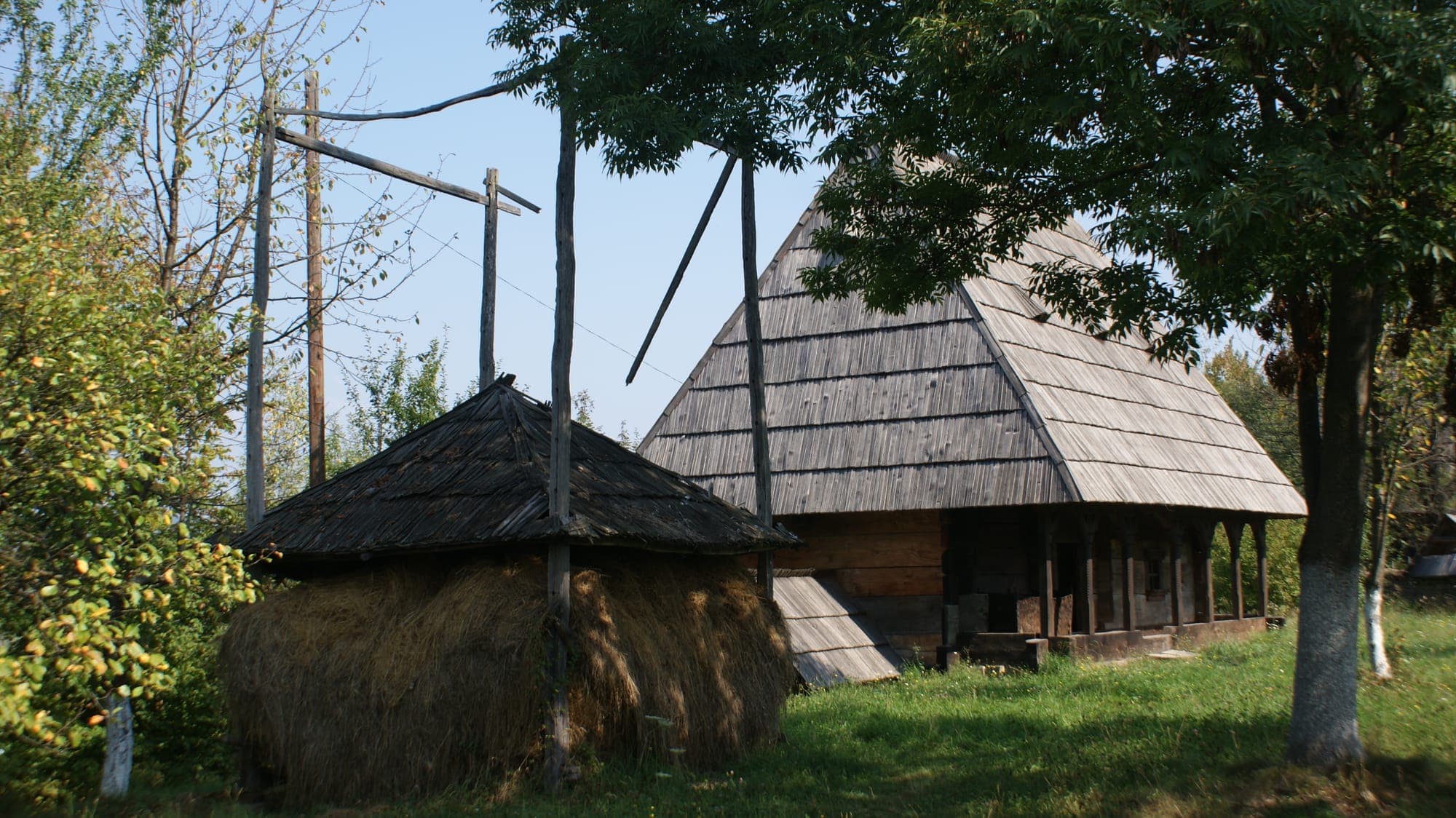
A wooden Maramureș village on Dobăieș Hill: over 30 homesteads from across historical Maramureș, the wooden church from Oncești, and Ukrainian, Hungarian and Jewish houses.

The highest peak in the Eastern Carpathians (2,303 m), above Borșa in the Rodna Mountains. It is climbed in 4–4.5 hours on the blue-stripe trail, past the weather station and Lake Iezer, shaped like a map of Romania.

A convent in the Iza Valley, built from 1993 onwards of oak and river stone in the style of the Maramureș wooden churches: a precinct with a ~57 m church, bell tower, abbess's house and gardens.