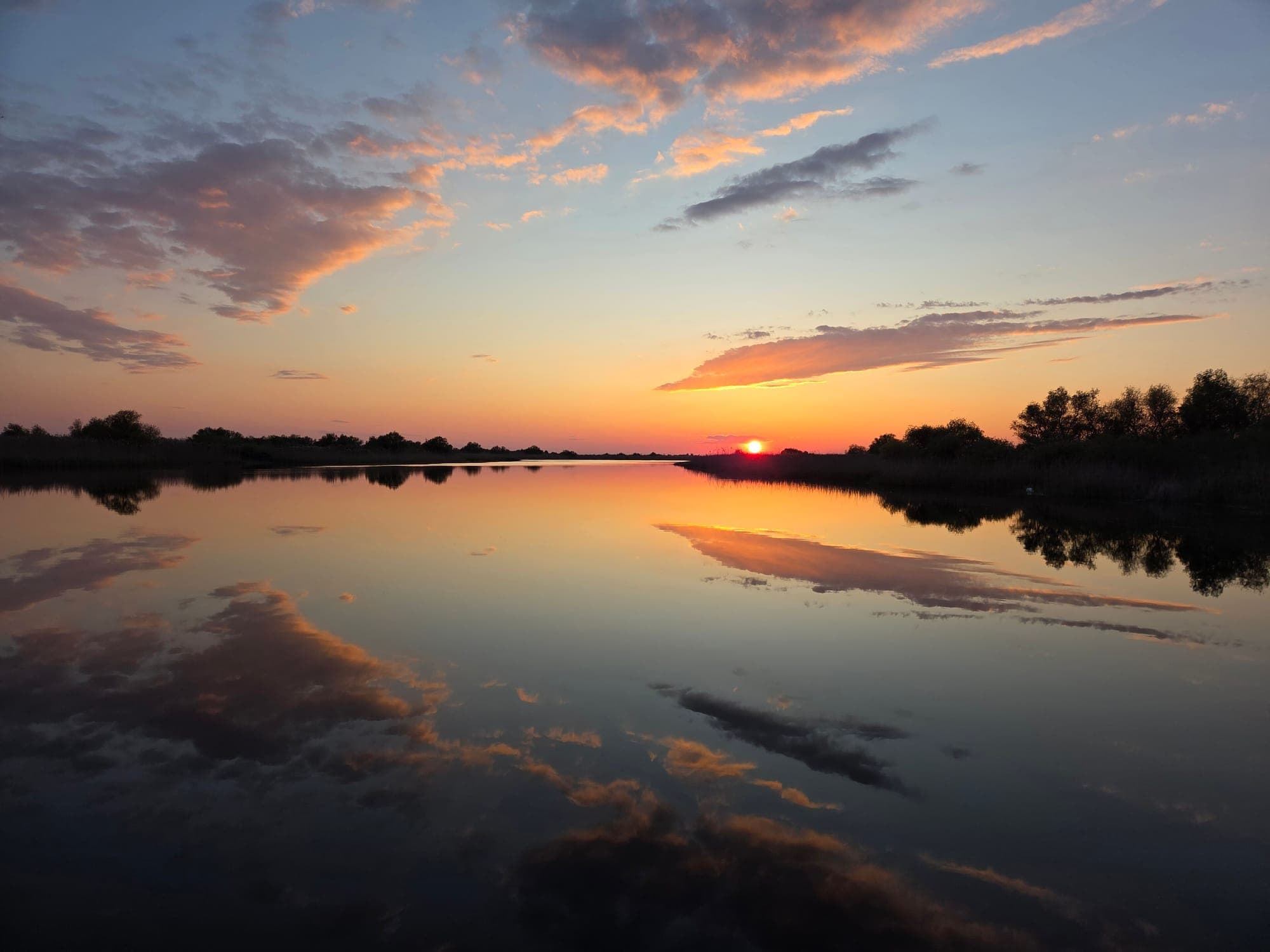
Europe's largest wetland, a biosphere reserve and UNESCO site: channels, lakes, reed beds and over 300 bird species, from pelicans to egrets; visited by boat from Tulcea.
The second resort of the Romanian coast, on the strip between the Black Sea and Lake Techirghiol: three kilometres of fine sand and a sapropelic mud cure a few hundred metres from the waves.
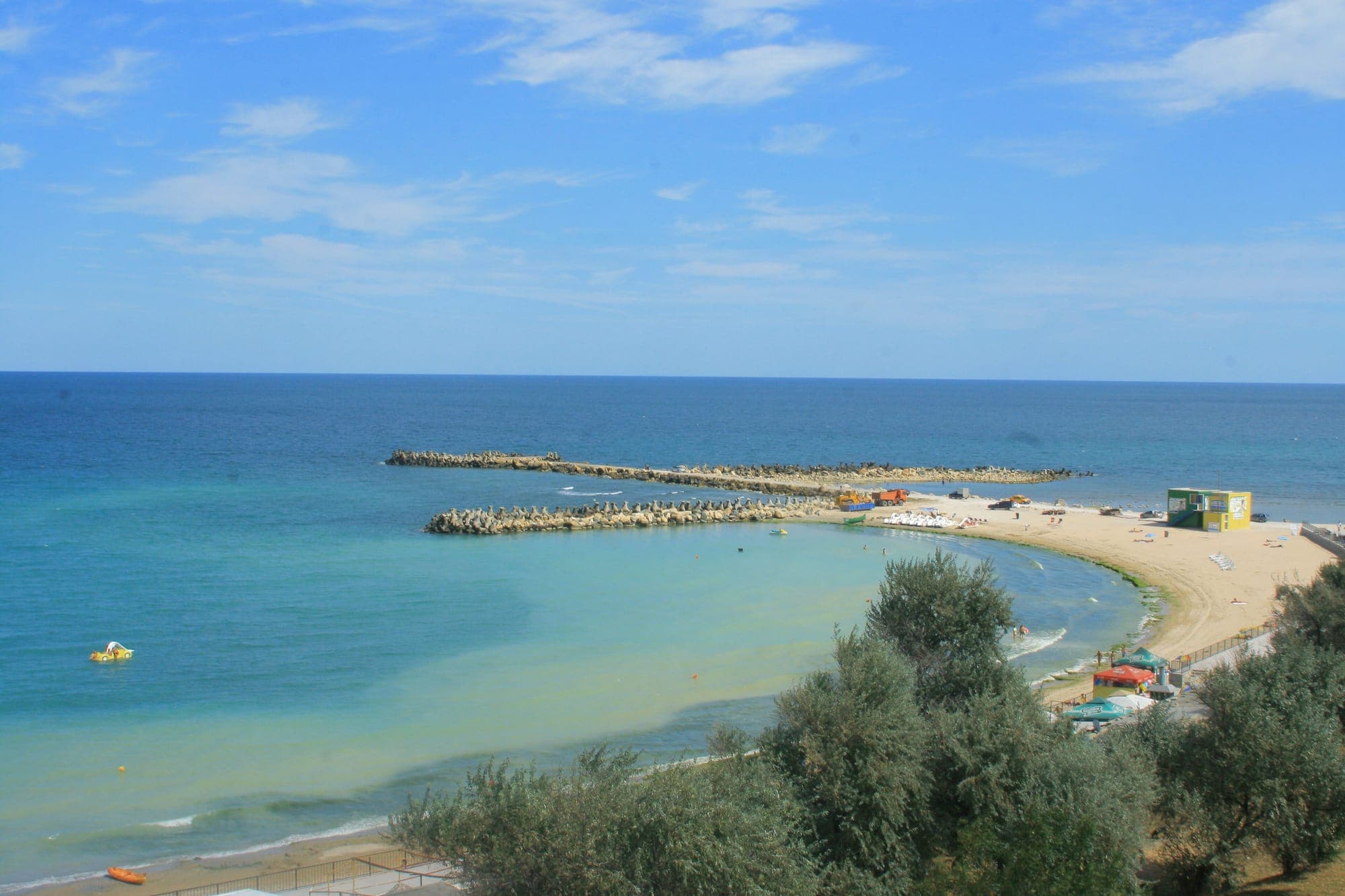
The longest developed beach on the Romanian coast: eight kilometres of sand on the spit between the Black Sea and Lake Siutghiol, widened by more than a hundred metres with dredged sand.
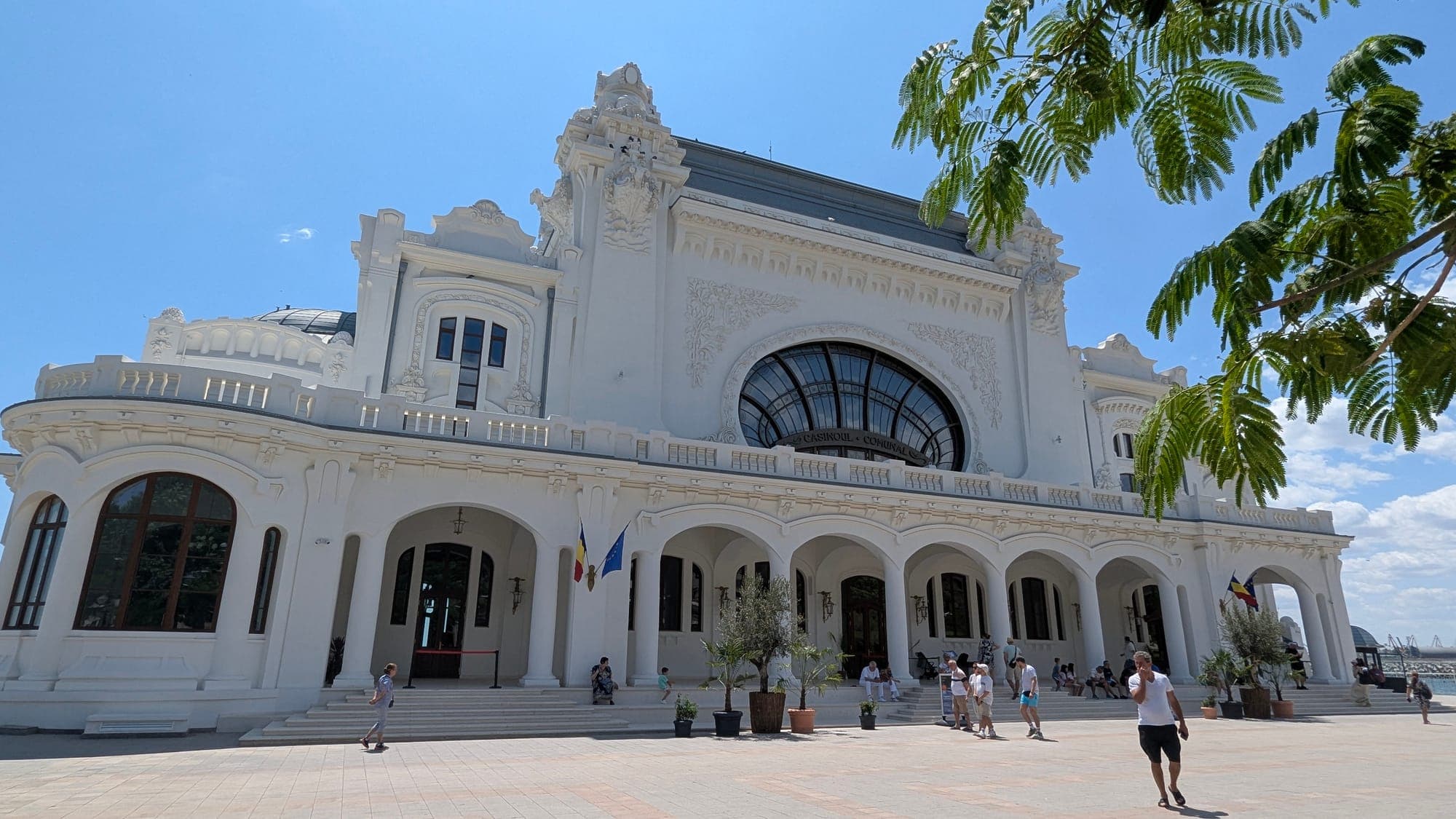
The Art Nouveau building on the Constanța seafront, opened in 1910, left to decay after 1990 and reopened in 2025 after restoration, with exhibitions on its history and on the Black Sea.
Monuments and historic sitesMuseums and memorial housesSeaside
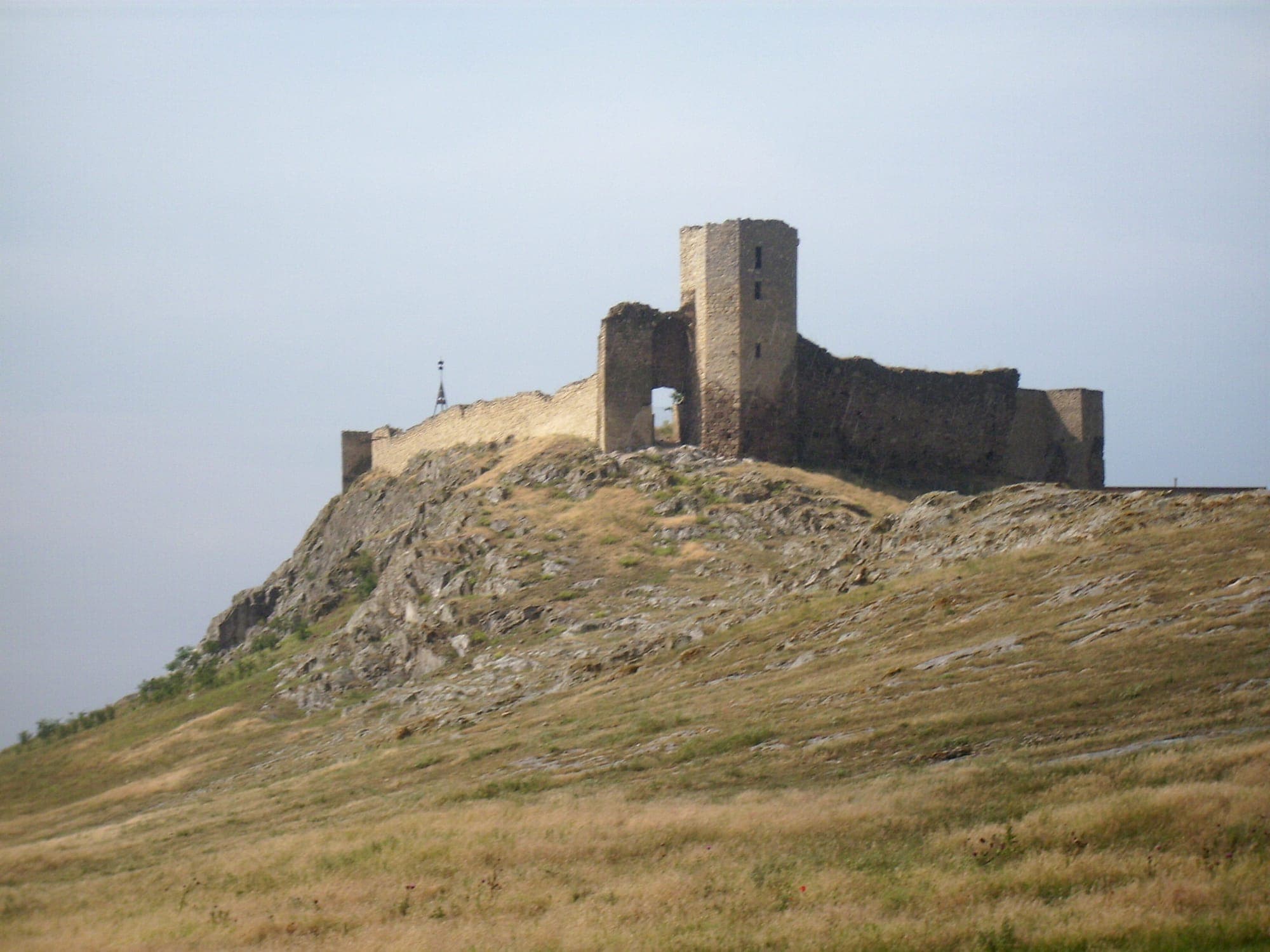
The ruins of a 14th-century fortress, probably built by the Genoese on a limestone hill above lakes Razim and Babadag, with one of the widest views in Dobruja.
Fortresses and fortificationsMonuments and historic sites
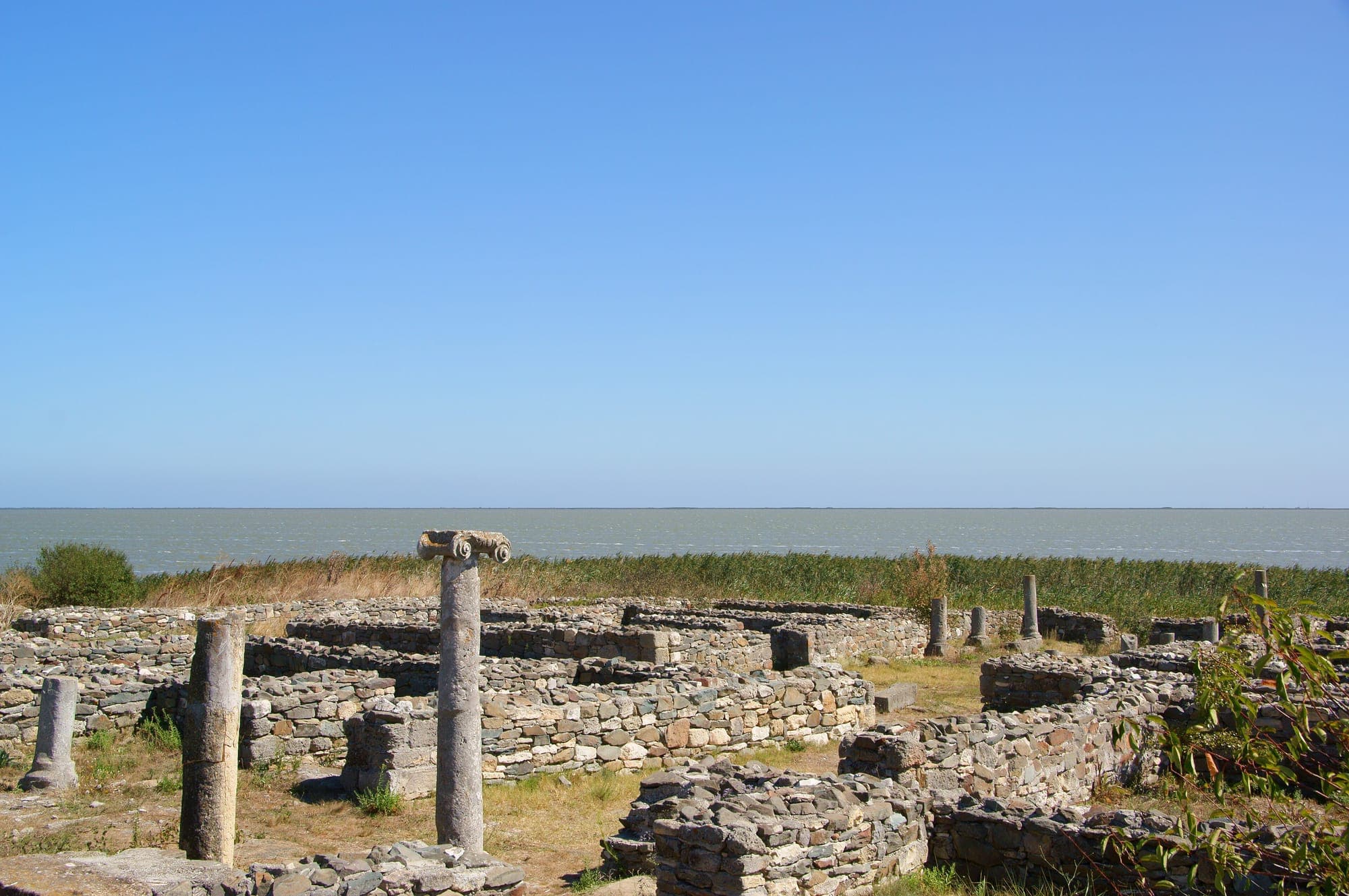
The ruins of the oldest city on Romanian soil, a Greek colony founded by Miletus in the 7th century BC on the shore of Lake Sinoe, with the site museum alongside.
Fortresses and fortificationsMuseums and memorial housesMonuments and historic sites
The last village on the Romanian coast, a kilometre from the Bulgarian border: two kilometres of fine sand, terraces open until dawn and the waters of a marine reserve.
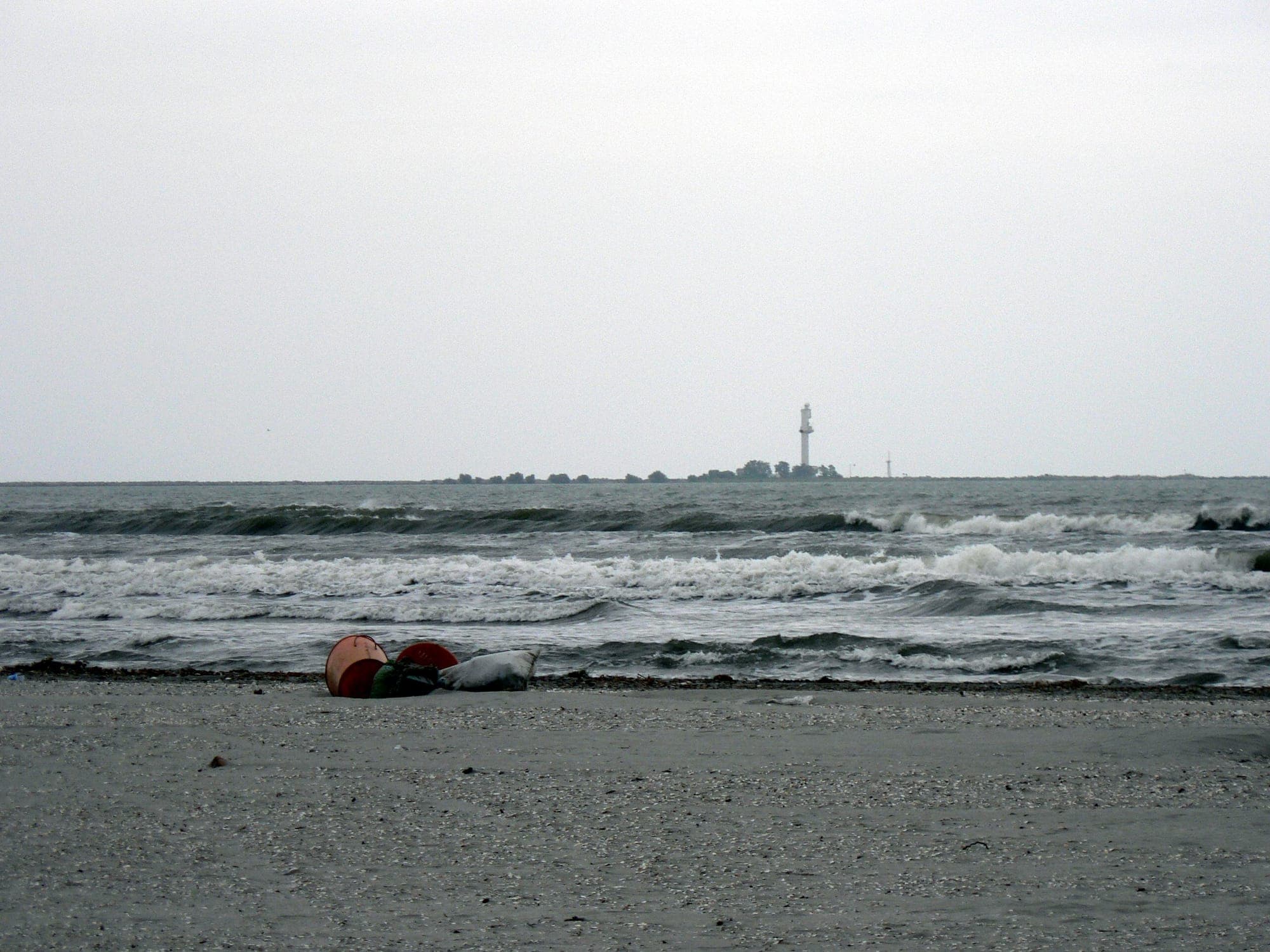
Romania's easternmost beach, where the Sulina branch meets the Black Sea: very fine alluvial sand, an unusually wide strip and water that stays shallow for tens of metres.
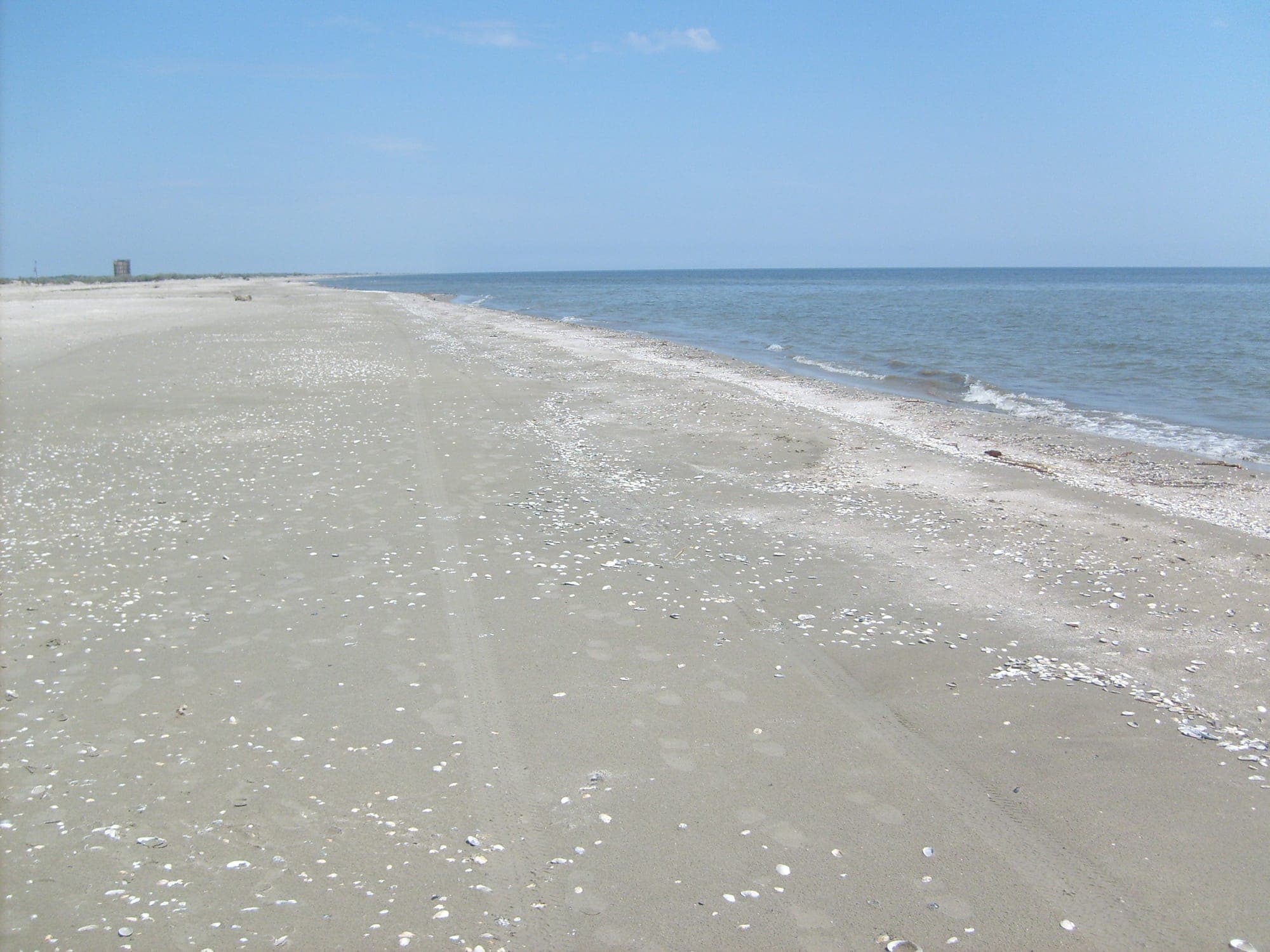
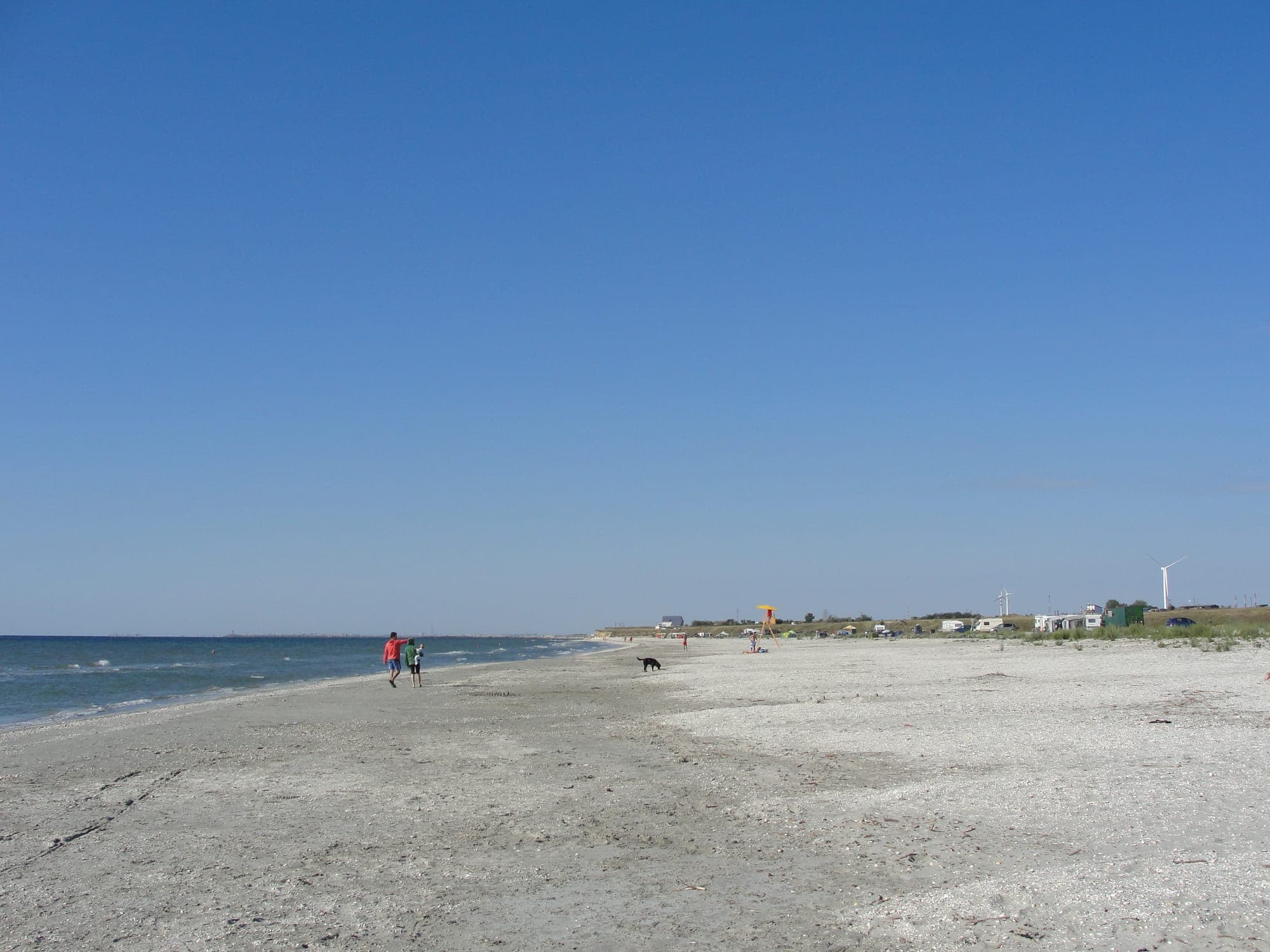
A wild beach of shell-strewn sand at the village of Vadu, inside the Danube Delta Biosphere Reserve: low dunes, not a single building and an earth track down to the sea.
The resort where Romanian spa tourism began, on the highest cliff of the coast: interwar villas, an Art Deco casino and a beach recently widened to over a hundred metres.
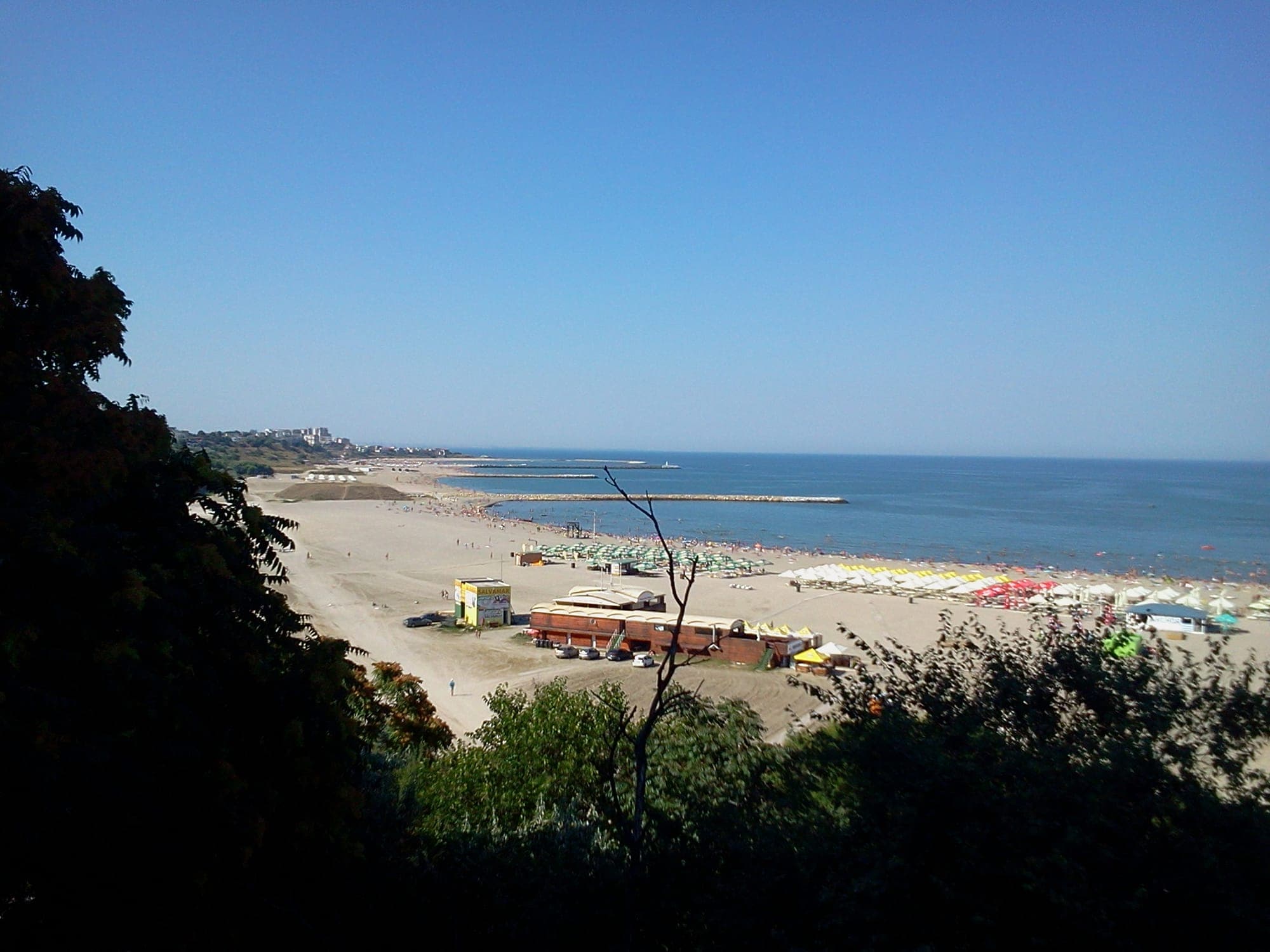
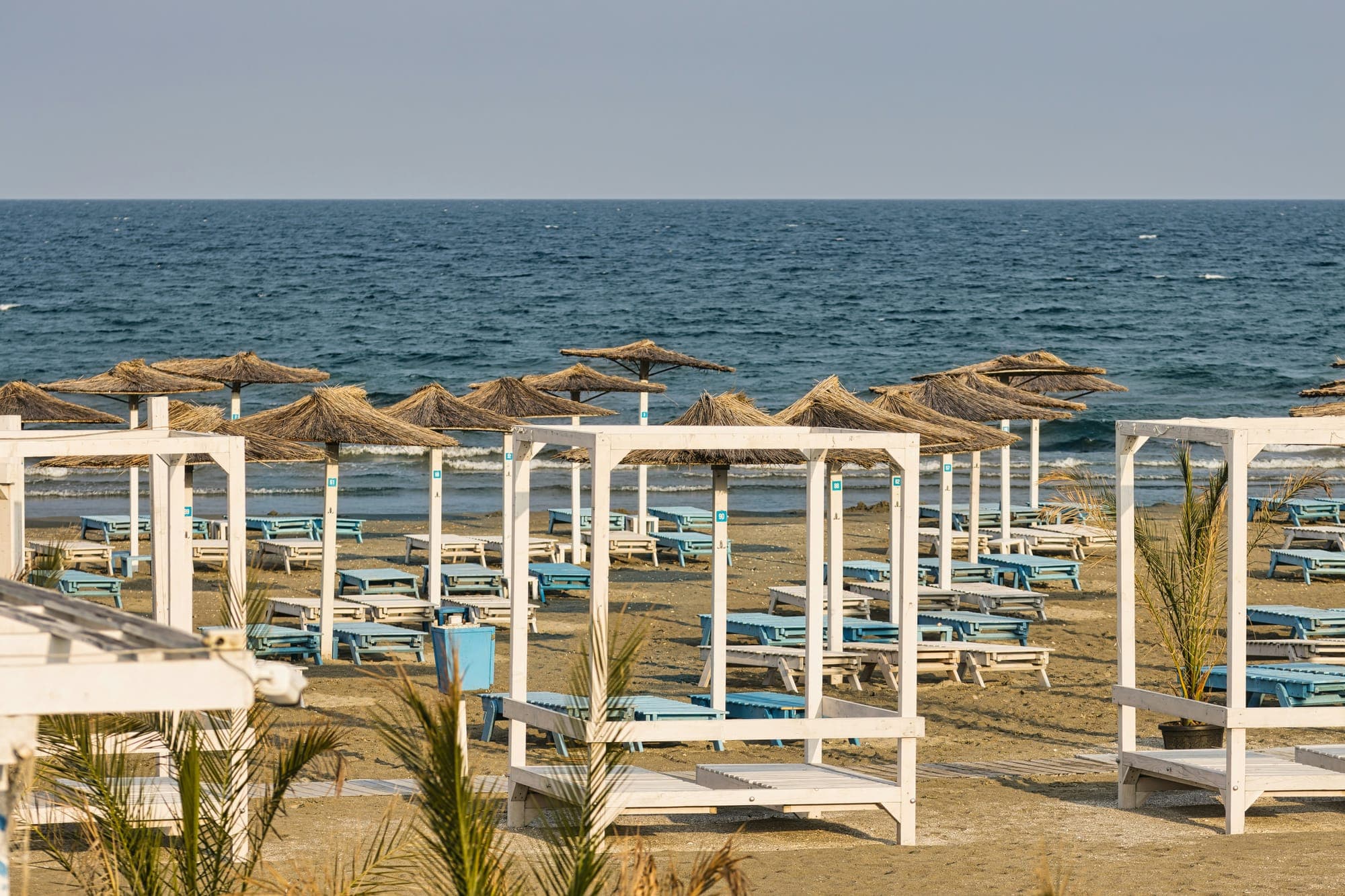
The city's own beaches, from the fish market down to the cliff below the old town: three and a half kilometres of replenished sand, with Modern, Trei Papuci and Tataia one after another.
The last wild beach at the southern edge of the Danube Delta Biosphere Reserve: shell-strewn sand, dunes and a low earth cliff, with no hotels, sunbeds or lifeguards.
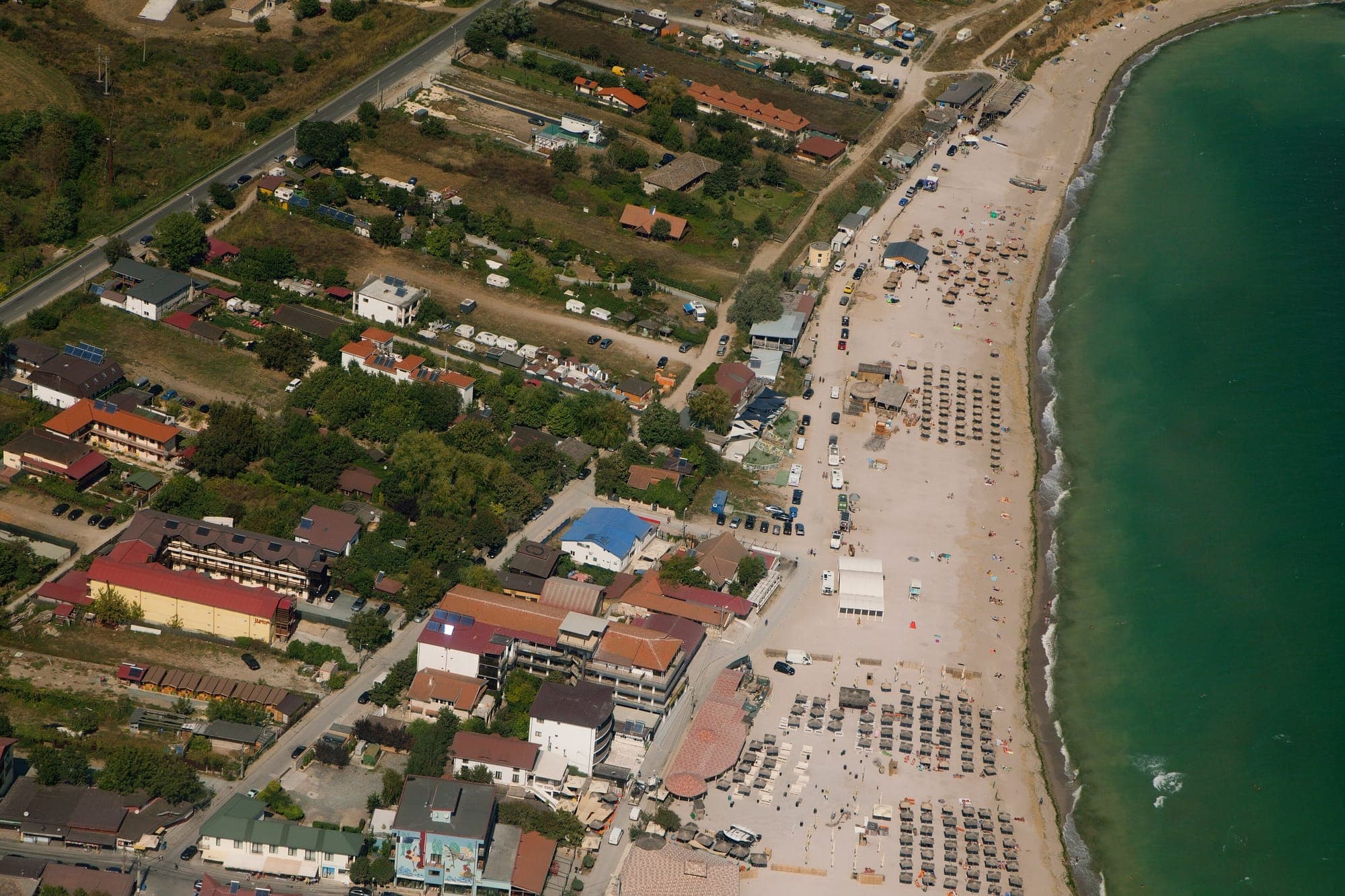
The youth resort of the Romanian coast, 31 kilometres south of Constanța: an east-facing beach, the white obelisk on the sand and the rusting wreck of the cargo ship Evangelia.
Six kilometres of wide sand north of Mamaia, split between the beach clubs of Mamaia Nord and the roomy, quieter town beach of Năvodari, with shallow water for hundreds of metres.
 Top 20