Băile Felix
Băile Felix, BH · 10 km from Oradea
Romania's largest year-round spa resort, 8 km from Oradea: thermal springs of up to 49 °C, open-air baths that run all winter and a reserve of water lilies and thermal lotuses.
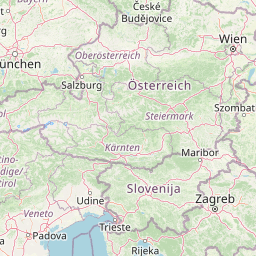
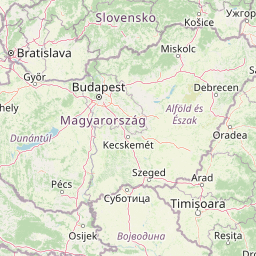
Crișana is the region west of the Apuseni Mountains, crossed by the three Criș rivers – Repede, Negru and Alb – that give it its name, and comprises Bihor and Arad counties. To the west lies plain, the continuation of the Pannonian Plain, with border towns and thermal waters surfacing from the ground; to the east, the Apuseni, with the Bihor, Pădurea Craiului and Codru-Moma mountains, hide a great number of caves. Oradea, on the Crișul Repede, is known for its restored Secession palaces and its pentagonal fortress; Arad, on the Mureș, has a long boulevard of eclectic buildings and a star-shaped fortress. What you can visit in Crișana is therefore split between cities, spas and mountains.
The Oradea Fortress and the city centre can fill a day, and Băile Felix, a few kilometres away, is the best-known thermal resort in the area. In the Apuseni, Bears' Cave at Chișcău is laid out for visitors, the Ponor Citadels are the karst heart of the Padiș, and the Vârtop Pass crosses towards the Land of the Moți. In Arad County, Săvârșin Royal Castle and Maria Radna Monastery stand in the Mureș Valley.
49 results
Romania's largest year-round spa resort, 8 km from Oradea: thermal springs of up to 49 °C, open-air baths that run all winter and a reserve of water lilies and thermal lotuses.

Romania's most visited cave: 488 m of lit galleries beneath the village of Chișcău, full of stalactites and stalagmites, with the bones of some 140 cave bears left where they were found.

A pentagonal bastion fortress built by the princes of Transylvania in the 16th–17th centuries: five bastions, a princely palace housing the Oradea City Museum, and courtyards you can walk into freely.

A karst complex on the Padiș Plateau: three huge sinkholes with walls over 200 m high and a portal 76 m tall where the Cetăților stream vanishes into the mountain. Seen from a marked hiking loop, not a show cave.
A multi-tiered waterfall on the Iad Valley, tumbling between huge boulders right beside the road from Stâna de Vale to Lake Leșu; you see it from a metal viewing platform or from below, by the water.

The Roman Catholic bishops' residence, built in 1762–1777 by Franz Anton Hillebrandt, is Romania's largest Baroque palace; today it hosts church art exhibitions, and the garden is open daily.

A karst plateau at around 1,200 m in the heart of Apuseni Natural Park, with meadows, sinkholes and spruce forest. Marked trails lead from Cabana Padiș to Cetățile Ponorului, the Galbena Gorge and Groapa de la Barsa.

A neoclassical residence of the first half of the 19th century, with a columned portico and a park of over 16 hectares with ancient oaks; under restoration since 2025 and open only during events.

The pass where the DN75 crosses the Bihor Mountains at 1,160 m, between Nucet and Arieșeni: the Vârtop holiday village, ski slopes and trails to Groapa Ruginoasă and Piatra Grăitoare.
A waterfall of about 80 m on the Bohodei stream, below the peak of the same name, regarded as the tallest in the Apuseni Mountains; reached on a demanding loop from Pietroasa with chain-equipped rock sections.

A synagogue of 1877–1878 on the bank of the Crișul Repede, with a broad dome and a Moorish-style painted interior; restored and reopened in 2015, it is now a cultural venue.
The longest known cave in Romania, with more than 42 km of passages on several levels, which can only be visited on caving tours with an accredited guide.
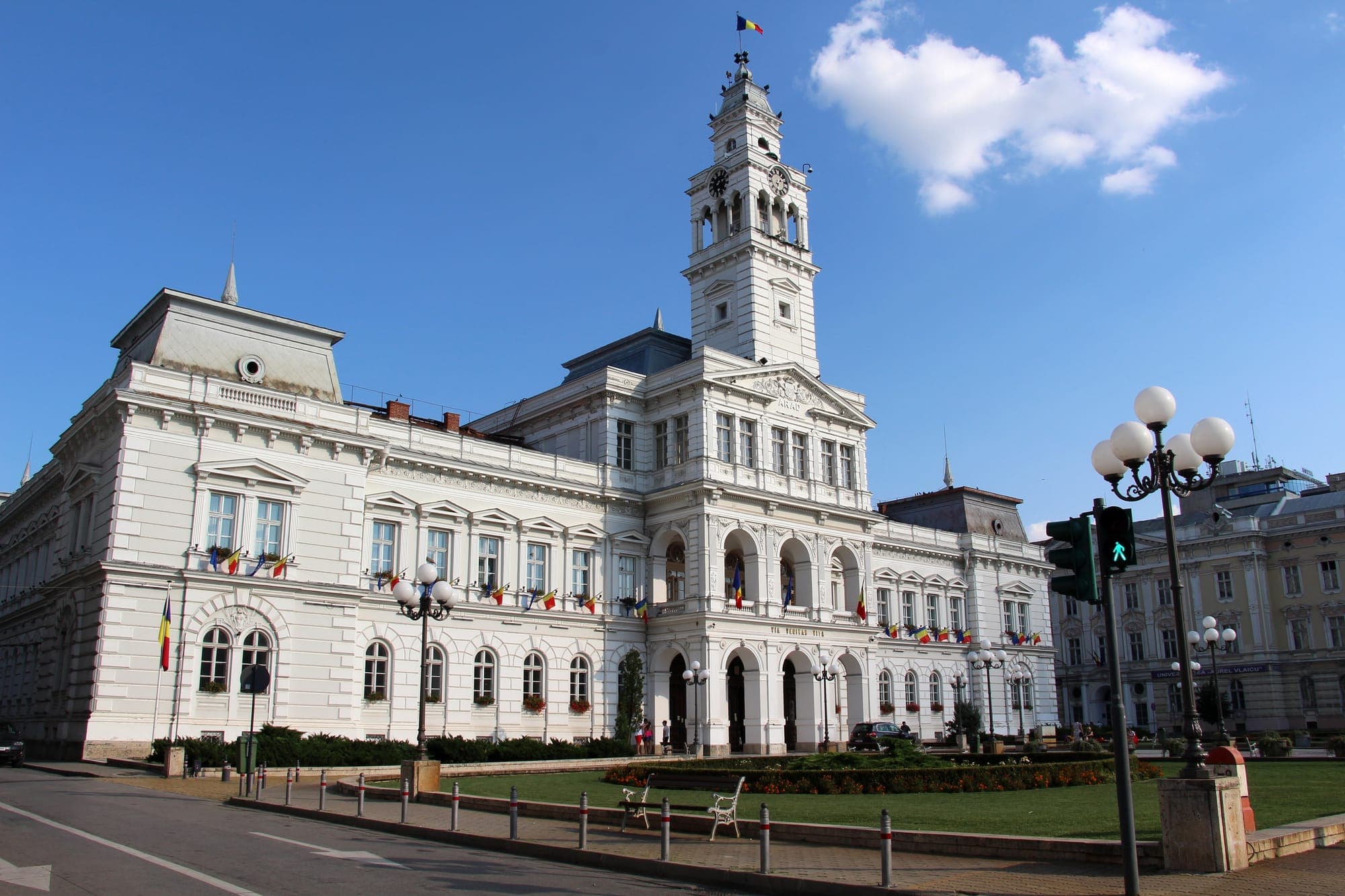
A neo-Renaissance palace of 1872–1877 on Bulevardul Revoluției, home to Arad City Hall, with a 54 m clock tower that has become the image of the city.

An ice cave in the forests of the Galbena Valley near Padiș, reached on foot along a marked trail. Around midday, light pours in through a hole in the roof and falls on the ice.

The largest Baroque pilgrimage church in western Romania, its 67-metre towers rising above the Mureș, with a miracle-working icon and corridors covered in votive paintings.