Bran Castle
Bran, BV · 132 km from Sibiu
5.0
A medieval fortress built by the people of Brașov on a rock in the Bran Pass, later Queen Marie's summer residence and known around the world as “Dracula's Castle”.
Transylvania is the region inside the Carpathian arc: a plateau of hills and broad valleys enclosed by the Eastern, Southern and Western Carpathians, with towns that grew up around medieval citadels. Its character comes from a mix of cultures: Saxon villages with fortified churches, Székely seats, towns with Gothic and Baroque centres and, on the edge, in the Orăștie Mountains, the Dacian fortresses. The main cities are Cluj-Napoca, Brașov, Sibiu, Târgu Mureș and Alba Iulia, easy to link into a single tour of the things to see in Transylvania.
The most popular places are Bran Castle, the Black Church in Brașov and the Sighișoara Citadel, a still-inhabited medieval citadel on the UNESCO list. In Hunedoara, Corvin Castle and Sarmizegetusa Regia cover almost two thousand years of history, while in Turda the Turda Salt Mine is a former salt mine opened to visitors. The Saxon villages of Sibiu county and Brașov county, with the fortified churches of Biertan and Viscri, deserve an unhurried day, and the Apuseni Mountains, shared between Alba and Cluj, are the region's land of caves and waterfalls.
351 results
A medieval fortress built by the people of Brașov on a rock in the Bran Pass, later Queen Marie's summer residence and known around the world as “Dracula's Castle”.
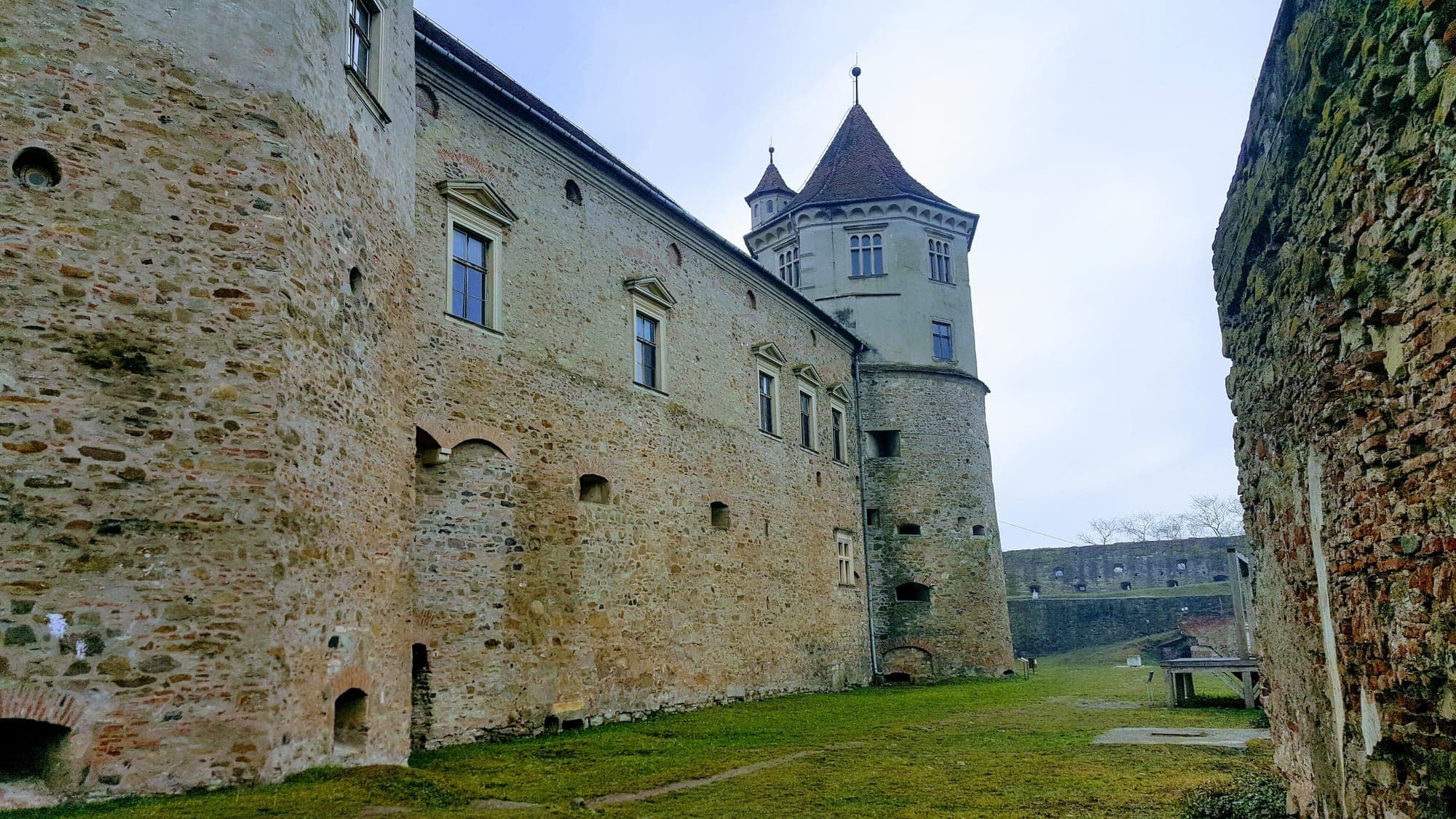
A moated, bastioned fortress in the centre of Făgăraș, seat of the princes of Transylvania in the 17th century and now home to the Făgăraș Land Museum.

John Hunyadi's Gothic residence, on a rock above the Zlaști river and reached by a long bridge on stone piers; inside, vaulted halls and towers from the 15th century.

The Saxon church on the hill in the middle of the village, guarded by three rings of walls and towers; inside, Romania's largest polyptych altarpiece and a door with a lock from 1515.

A salt mine worked from the Middle Ages until 1932 and turned into a spectacular underground park: a Ferris wheel, a lake with rowing boats, an amphitheatre and salt walls 120 m below ground, near Cluj.

Romania's largest bastion fortress, a seven-pointed star built by the Habsburgs in 1715–1738 at Alba Iulia; baroque gates, cathedrals, the Union Hall and a changing of the guard, all with free access.

Romania's largest open-air museum, in the Dumbrava forest outside Sibiu: over 300 houses, mills, workshops and wooden churches brought from across the country, along ~10 km of paths.

A Saxon-built, still-inhabited medieval walled town on a hill above the Târnava Mare, with guild towers and the famous Clock Tower; a UNESCO World Heritage Site since 1999.

The capital of the Dacian kingdom, hidden in the beech forests of the Orăștie Mountains: the walls of Decebalus's fortress, the paved road and the sacred area with andesite and limestone sanctuaries, a UNESCO site.

Romania's largest Gothic church, built by the Saxons of Brașov between 1383 and 1477; inside are the 1839 Buchholz organ and a rare collection of Anatolian carpets.

A glacial lake at 2,034 m in the Bâlea cirque of the Făgăraș Mountains, at the top of the Transfăgărășan; reachable by car in summer and by cable car all year round.
A narrow limestone gorge in the Piatra Mare Mountains near Brașov, with seven rock steps climbed on metal ladders and walkways; at the top you can ride a zip line back down.

The Baroque palace of Governor Samuel von Brukenthal on Sibiu's Great Square has housed Romania's oldest museum since 1817: a gallery of European painting with van Eyck, Titian and Bruegel.
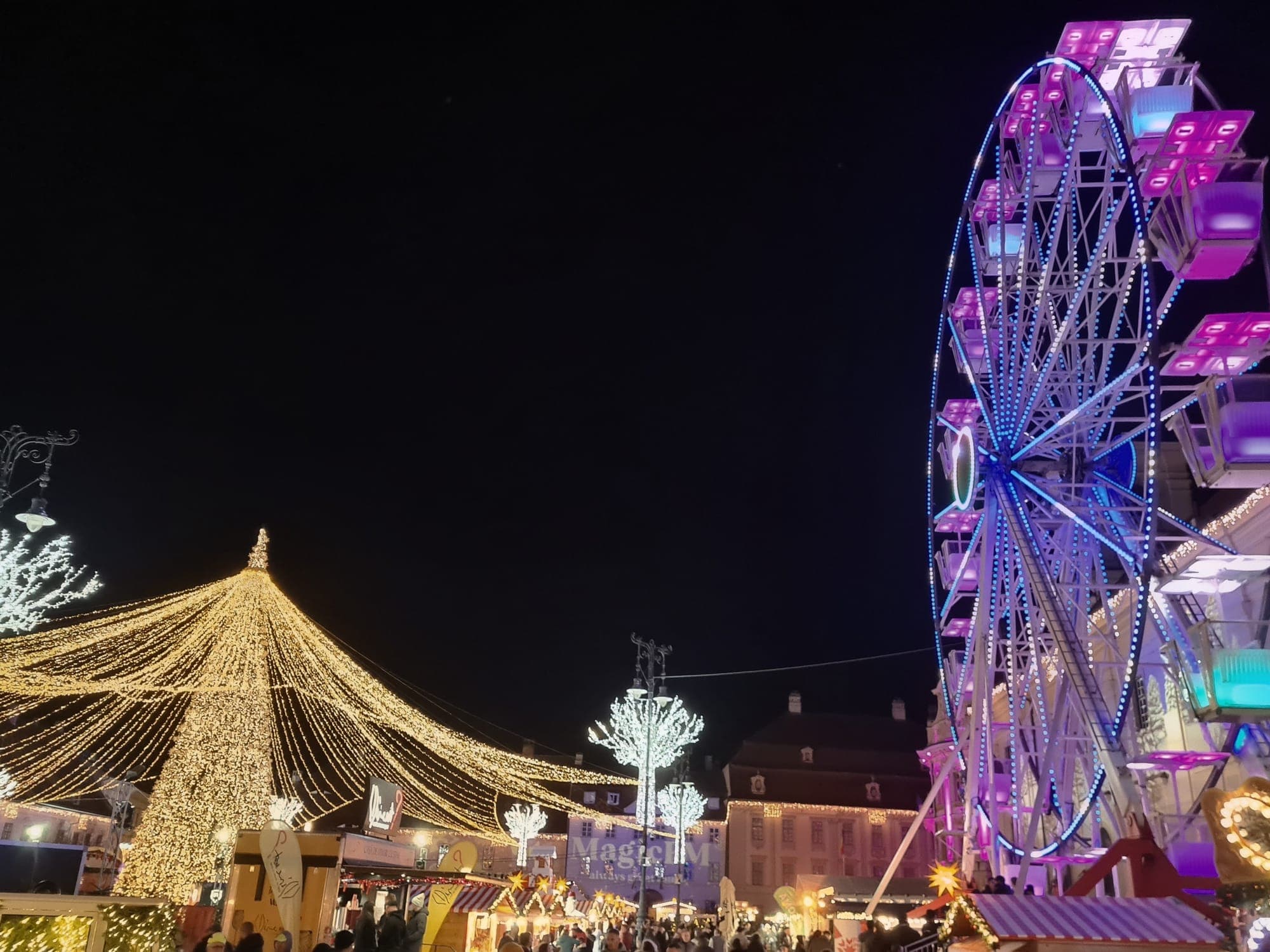
The main square of old Sibiu, about 140 by 90 metres, enclosed by merchants' houses with "eyes" in their roofs, by the Brukenthal Palace, the Jesuit church and the Council Tower.

A limestone gorge 6 km from Turda, with walls over 100 m high, a lower trail with footbridges over the Hășdate river, caves and hundreds of climbing routes.