Romania's highest road: the DN67C climbs from Novaci over the Parâng Mountains to 2,145 m at the Urdele Pass and drops past Lake Oașa to Sebeș, 148 km above the clouds.
The travertine gate carved by Constantin Brâncuși in 1937–1938 at the entrance to Târgu Jiu's Central Park, part of the “Heroes' Way” ensemble, a UNESCO World Heritage Site.
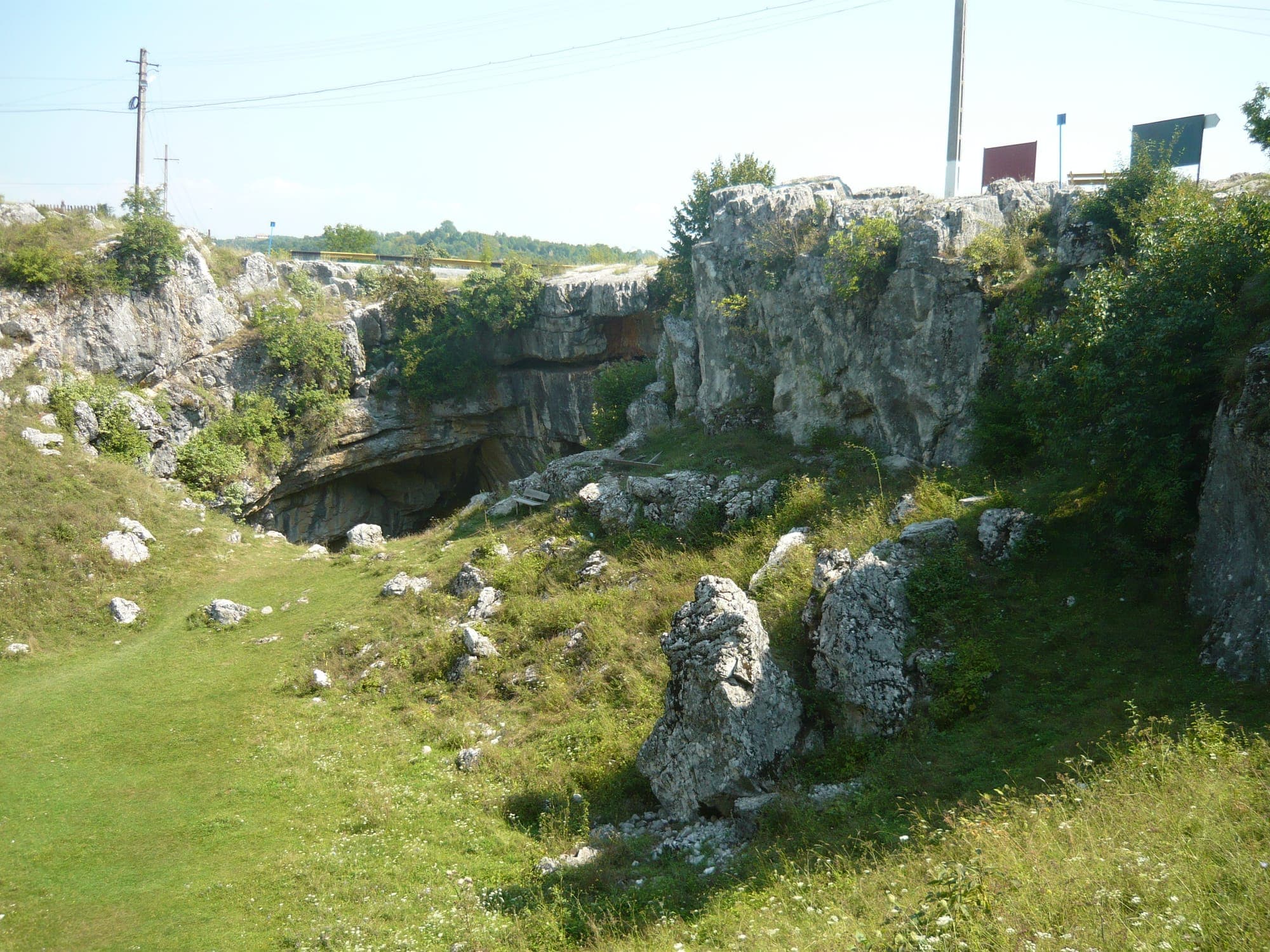
Romania's largest natural bridge and the only one in the world carrying a public road: a 30 m limestone arch left standing after a cave roof collapsed, in the village of Ponoarele on the Mehedinți Plateau.
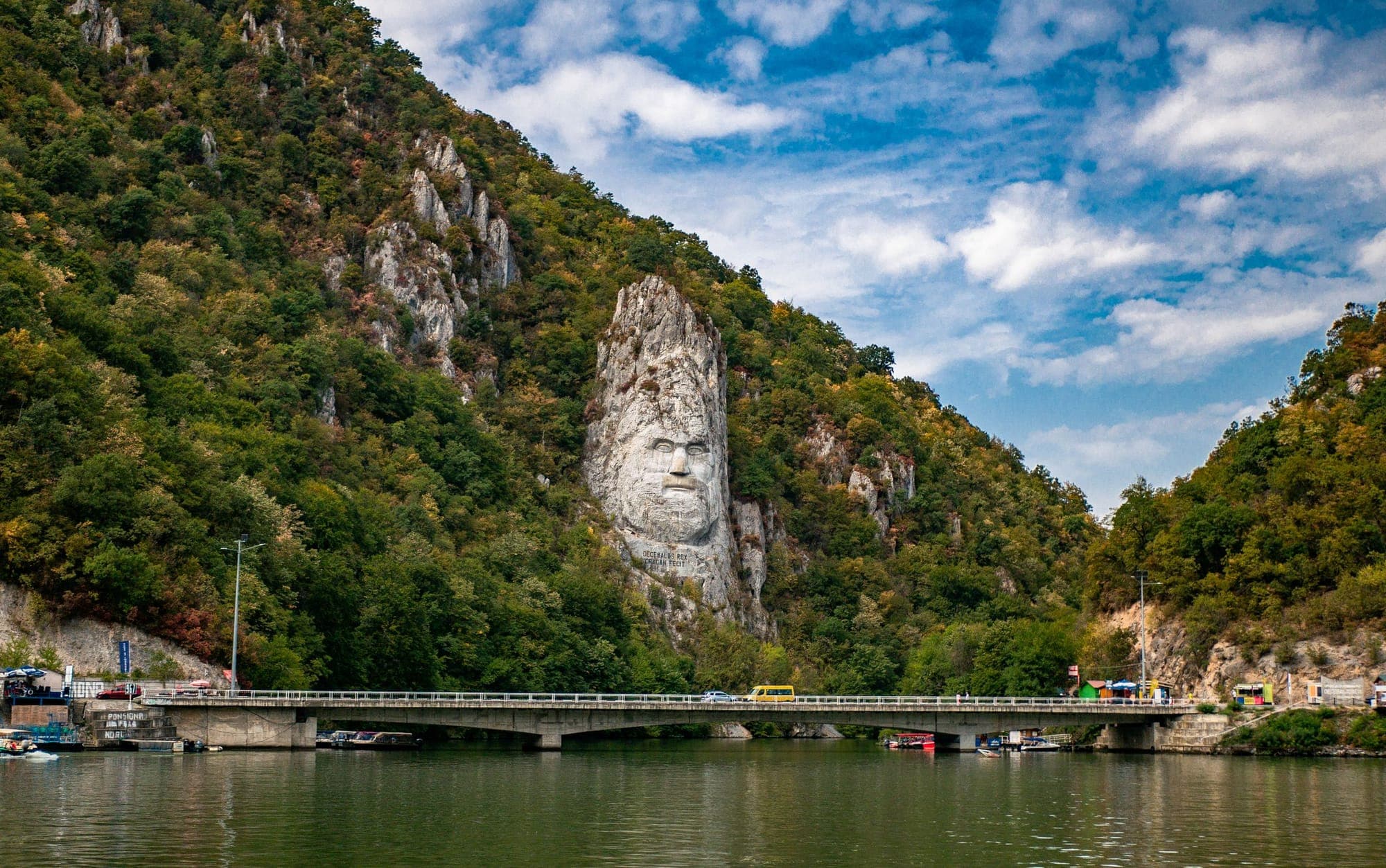
The DN57 runs about 100 km along the Danube from Orșova to Moldova Nouă, through the Great and Small Cauldrons, past the rock face of Decebalus, with Serbia on the far bank.
A four-level cave in the Galbenul Gorge at the foot of the Parâng Mountains, with 860 m of lit galleries, cave bear bones and some of the oldest modern human remains in Europe.
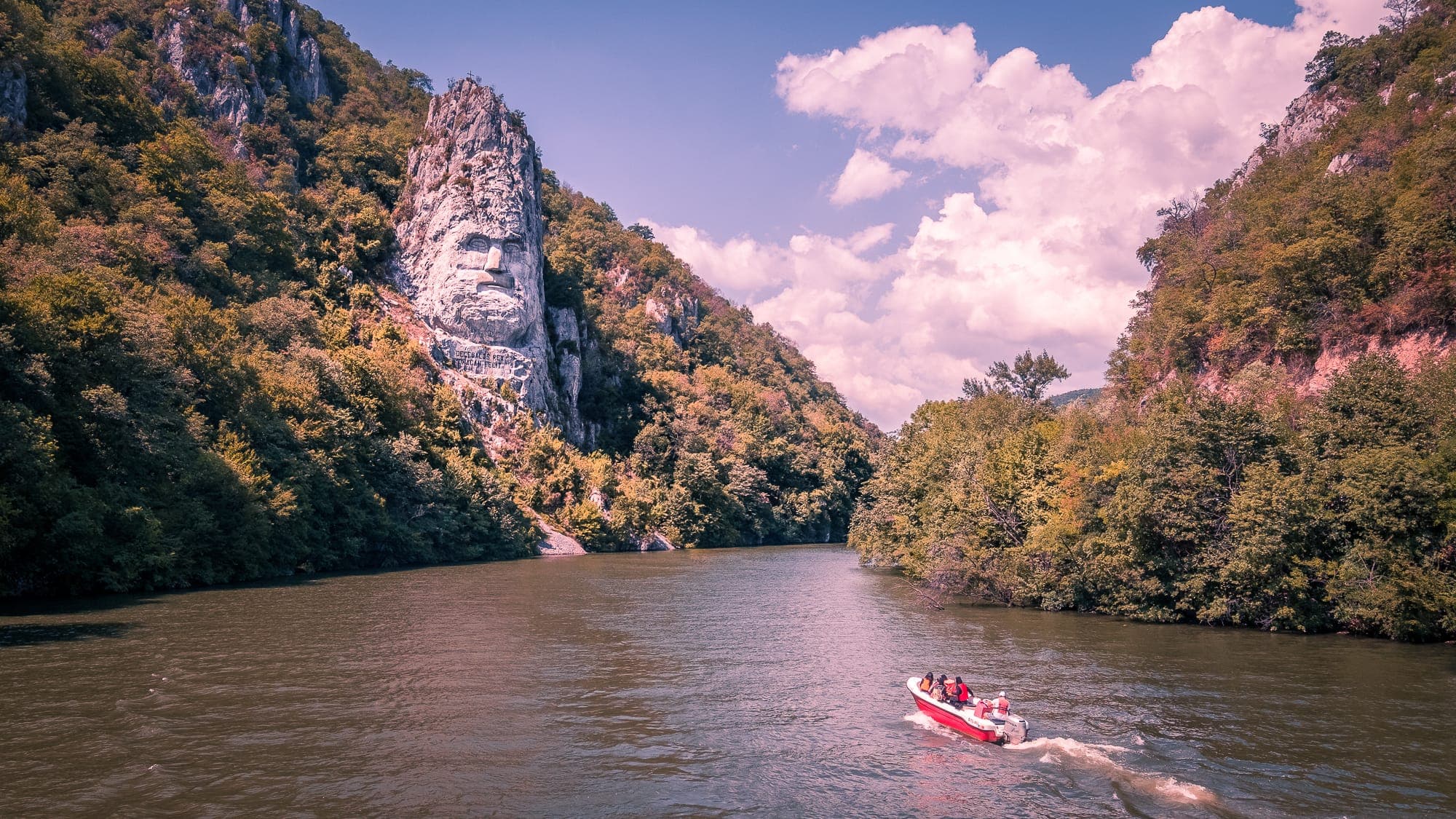
The narrowest stretch of the Danube Gorge, between Dubova and Ogradena: the river squeezes between limestone walls, with Serbia on the far bank, seen by boat or from Ciucaru Mare.
The 29.35 m column of brass-coated cast-iron modules raised by Constantin Brâncuși in 1938 in Târgu Jiu for the heroes of 1916: the eastern end of the “Heroes' Avenue” ensemble, a UNESCO World Heritage Site.
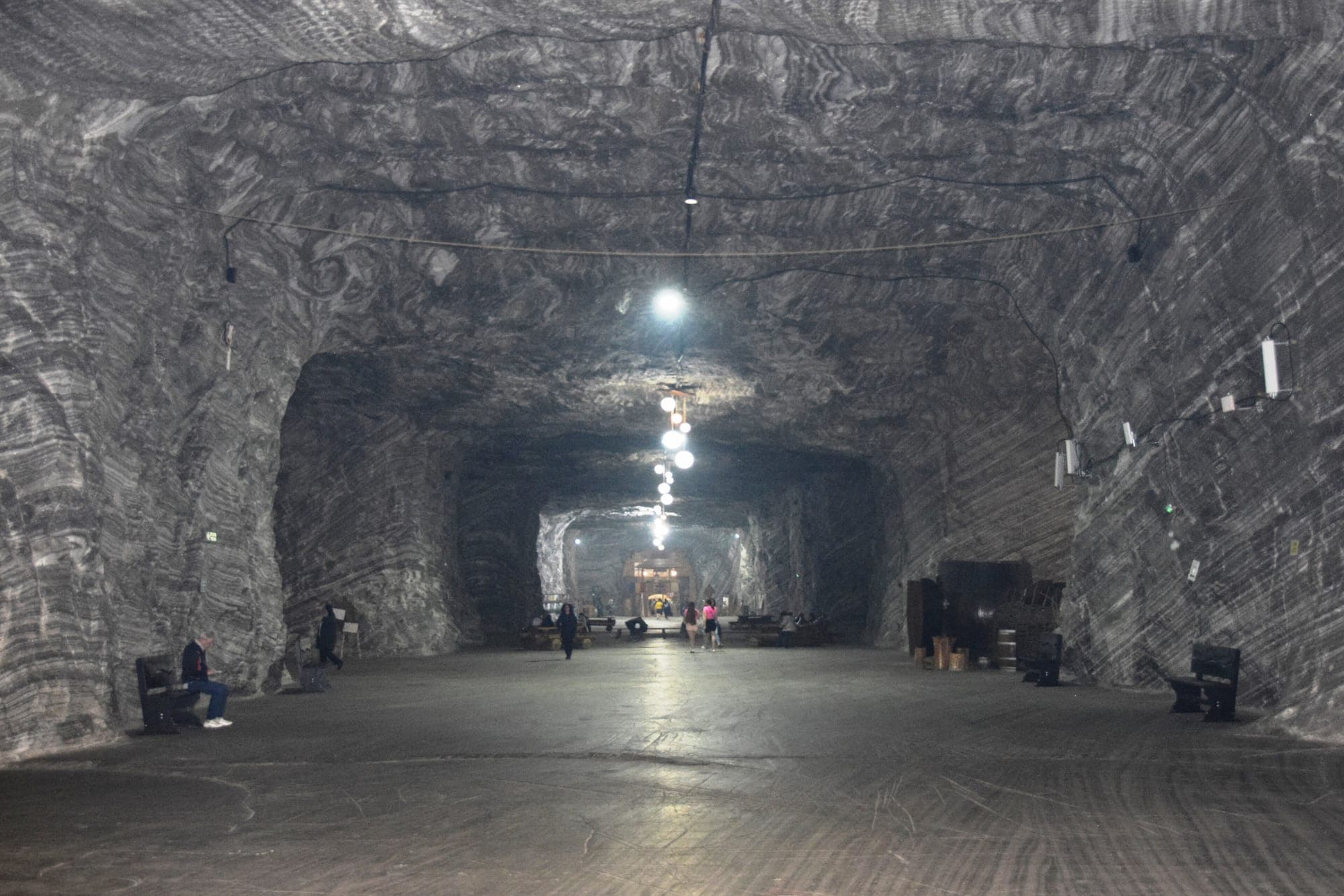
A working salt mine near Râmnicu Vâlcea that you enter by bus through a tunnel: huge galleries with swirling salt walls, sports courts, an ice rink and the country's largest underground church.
The face of the Dacian king Decebalus, carved between 1994 and 2004 into a 55 m rock at the mouth of the Mraconia, on the Romanian bank of the Danube: the tallest rock sculpture in Europe.
Constantin Brâncuși's round stone table with 12 hourglass seats, in the park on the banks of the Jiu: the western end of the Heroes' Way ensemble, a UNESCO World Heritage Site.
The DN7A climbs 108 km from Brezoi up the Lotru valley, through Voineasa and past Lake Vidra to Obârșia Lotrului, then crosses the Groapa Seacă Pass and drops through the Jieț Gorge to Petroșani.
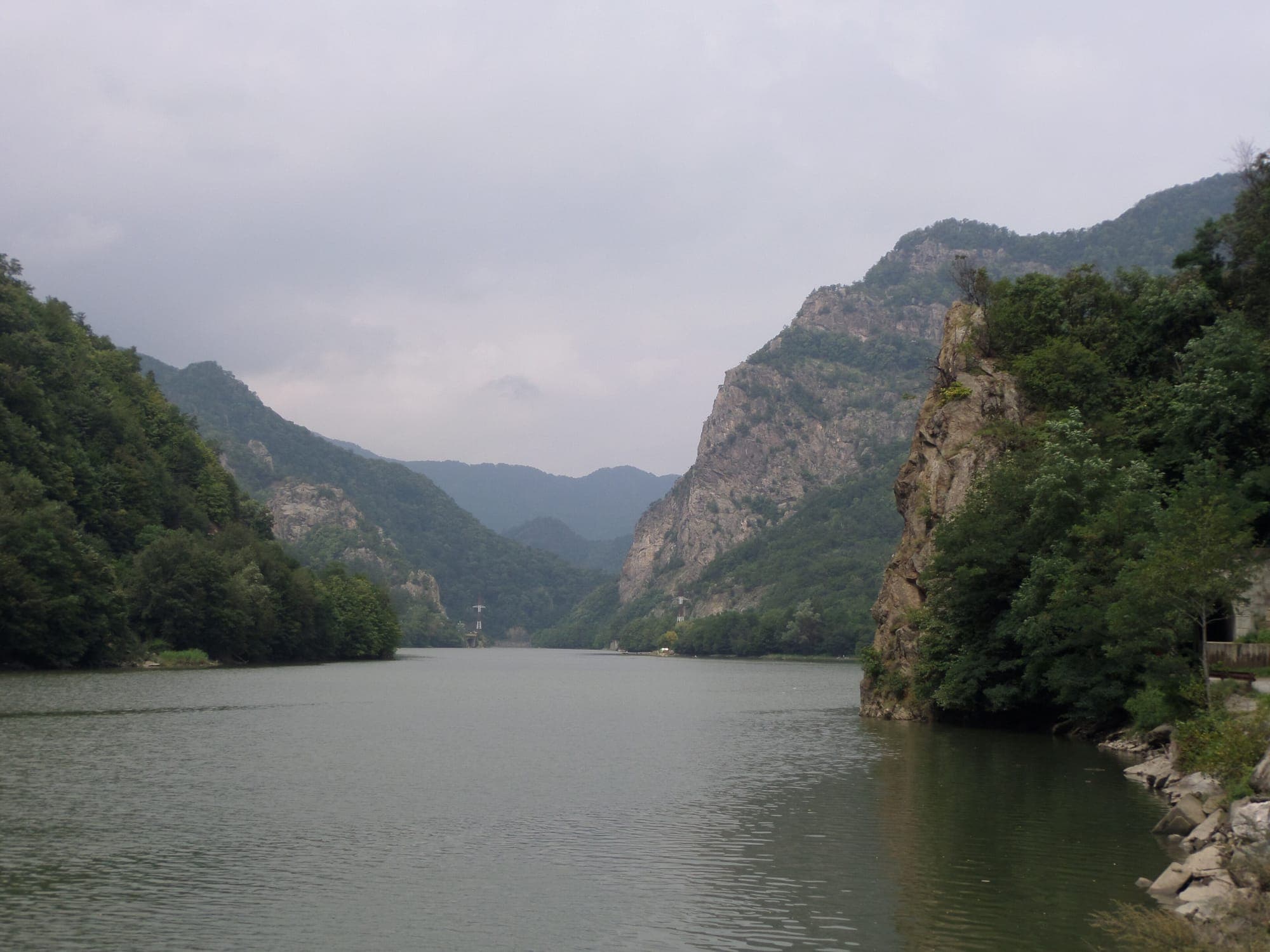
The 47 km gorge by which the Olt crosses the Carpathians: on the DN7, between Boița and Călimănești, the road follows the river past Cozia Monastery. A busy through route, not a leisure drive.
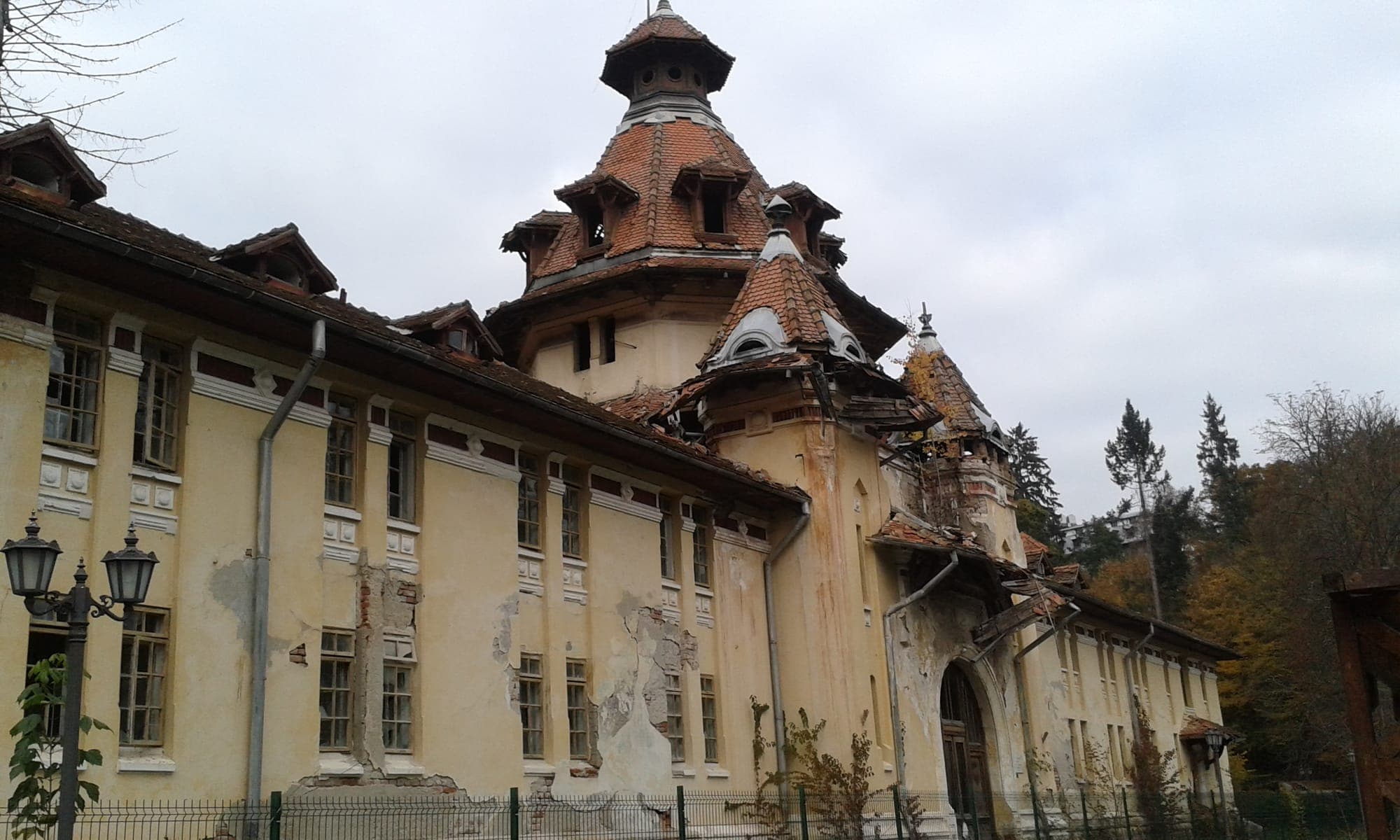
A spa resort in the Vâlcea foothills, with iodine, bromine and sulphur waters, a spa park laid out in 1912 and the Palace Hotel designed by Ernest Doneaud.
A spa resort in a wooded valley below the Vâlcea mountains, with more than 30 numbered mineral springs, a springs walk along the river and Horea's wooden church, brought here from the Apuseni Mountains.
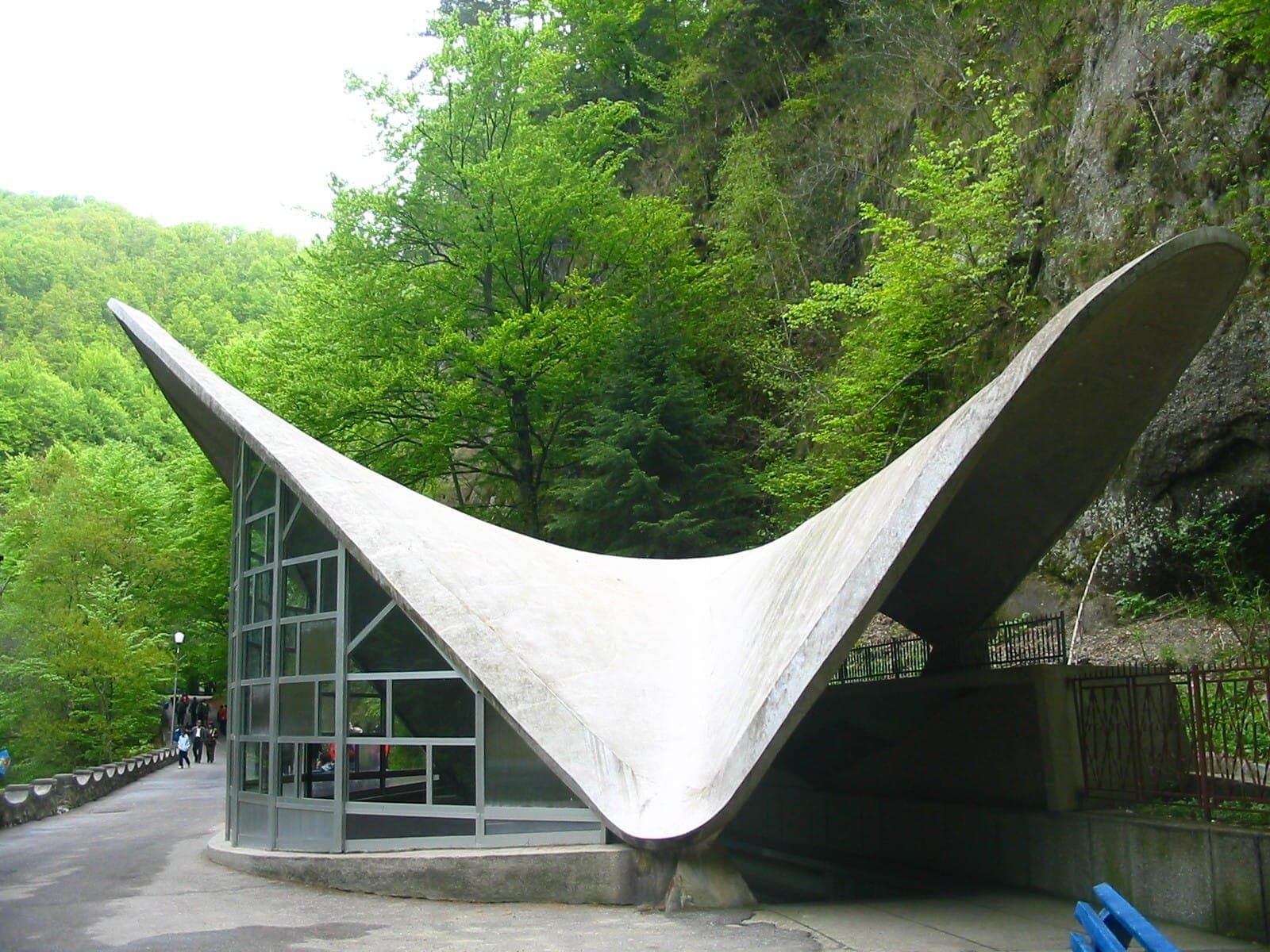
A spa resort in the Olt Valley, where the river leaves the Cozia Mountains: sulphur springs known since the 19th century, the Central Pavilion of 1886 and thermal pools open all year round.
 Top 20