Romania's largest glacial lake, at 2,040 m in the heart of Retezat National Park; it can only be reached on foot, after a climb of about two hours from Poiana Pelegii.
A spa resort in the Olt Valley, where the river leaves the Cozia Mountains: sulphur springs known since the 19th century, the Central Pavilion of 1886 and thermal pools open all year round.
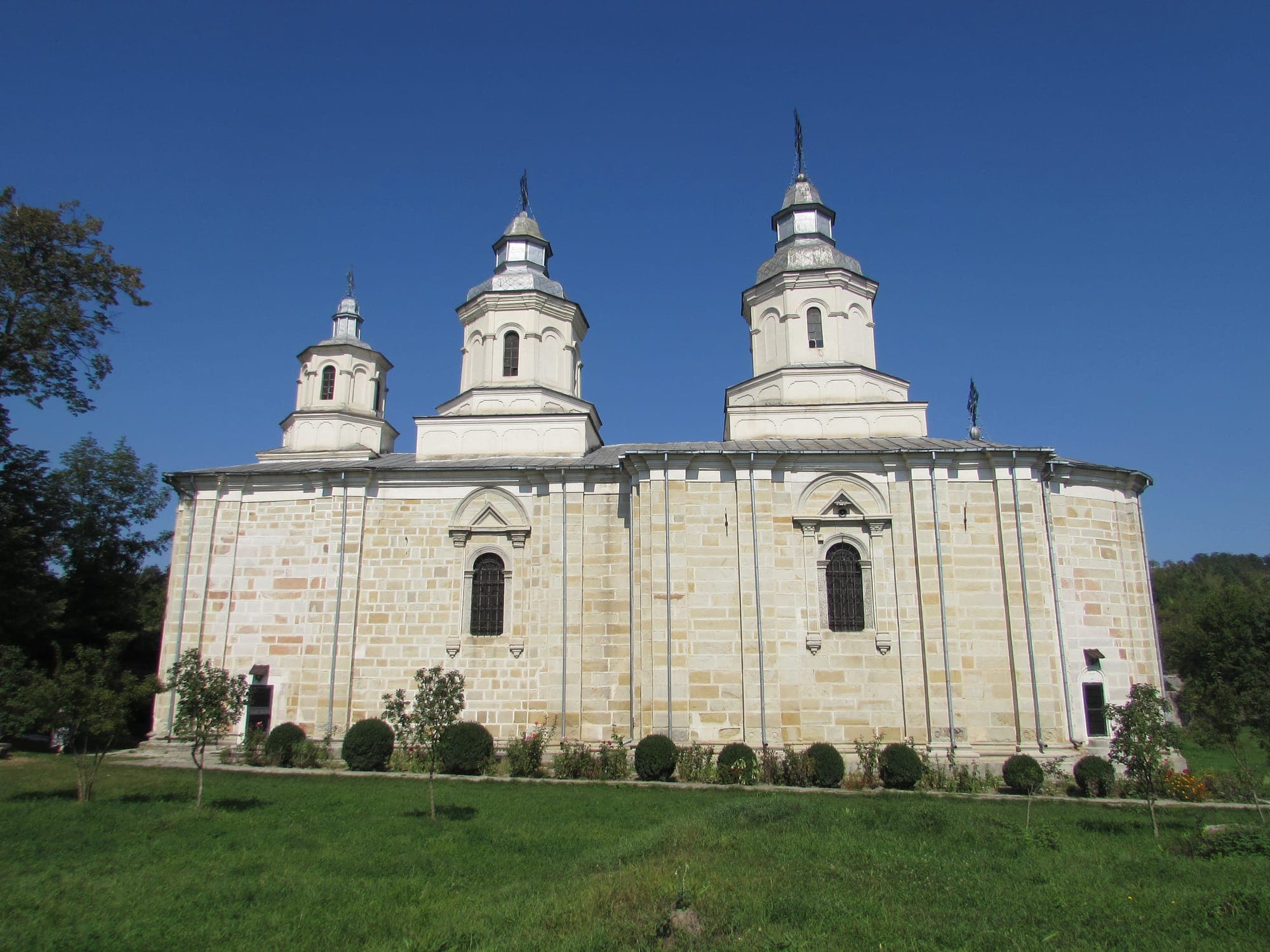
A foundation of Prince Gheorghe Ștefan from 1655–1657: a dressed-stone church inside a walled enclosure with towers, near Onești; today a parish church.
Monasteries and churchesFortresses and fortifications
A 20–30 m waterfall in the Cormaia Valley, at the foot of the Rodna Mountains near Sângeorz-Băi; a built path of about 1 km, with steps, footbridges and chains, climbs alongside its tiers.
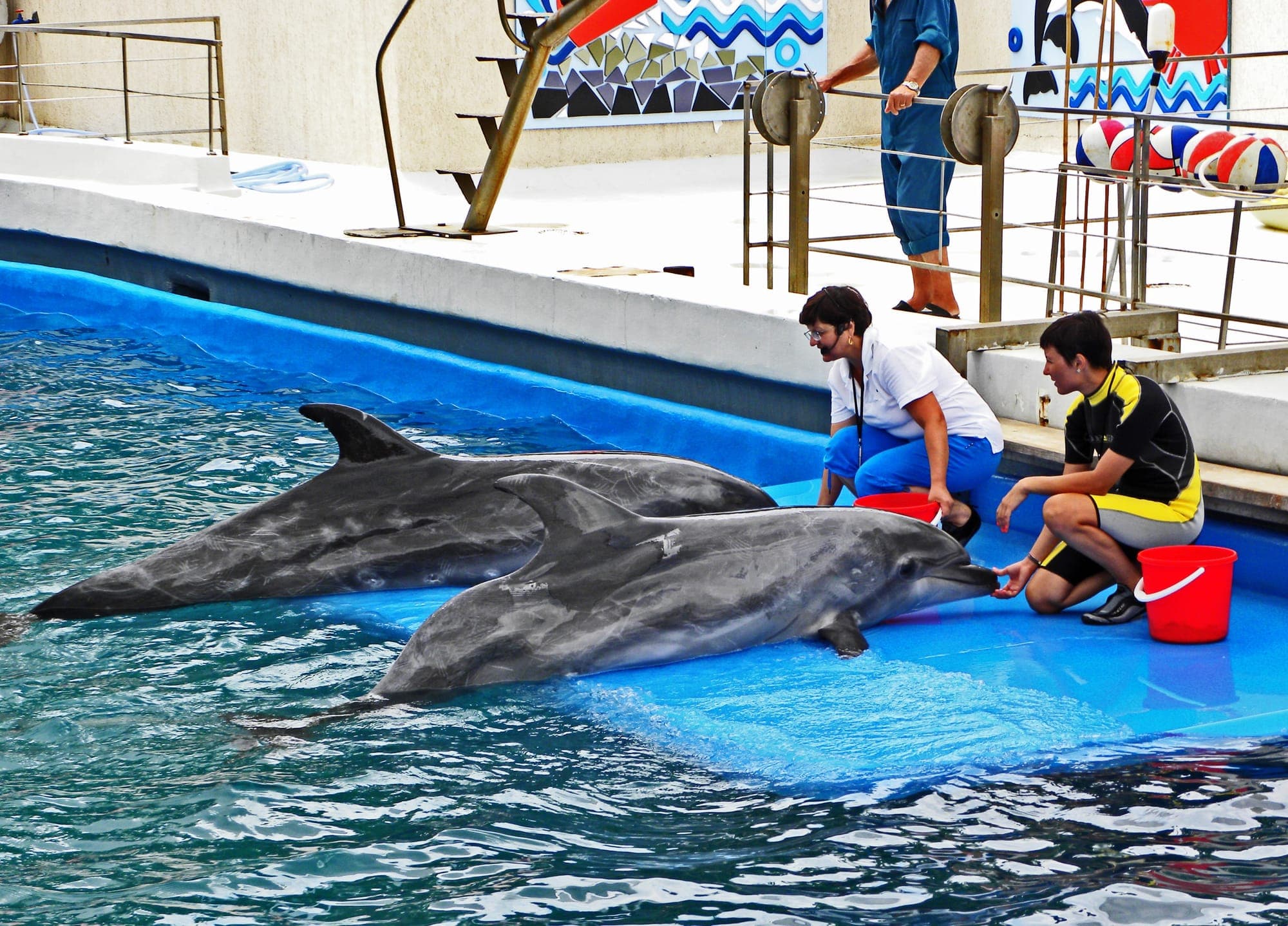
Romania's first dolphinarium, opened in 1972 on Mamaia Boulevard, with dolphin shows in a covered arena and, on the same ticket, a small reserve with Dobrujan birds and animals.
The oldest public park in Iași, laid out from 1834 on Copou hill, with the Lions' Obelisk, Eminescu's Linden Tree, the busts of the Junimea writers and the "Mihai Eminescu" Museum.
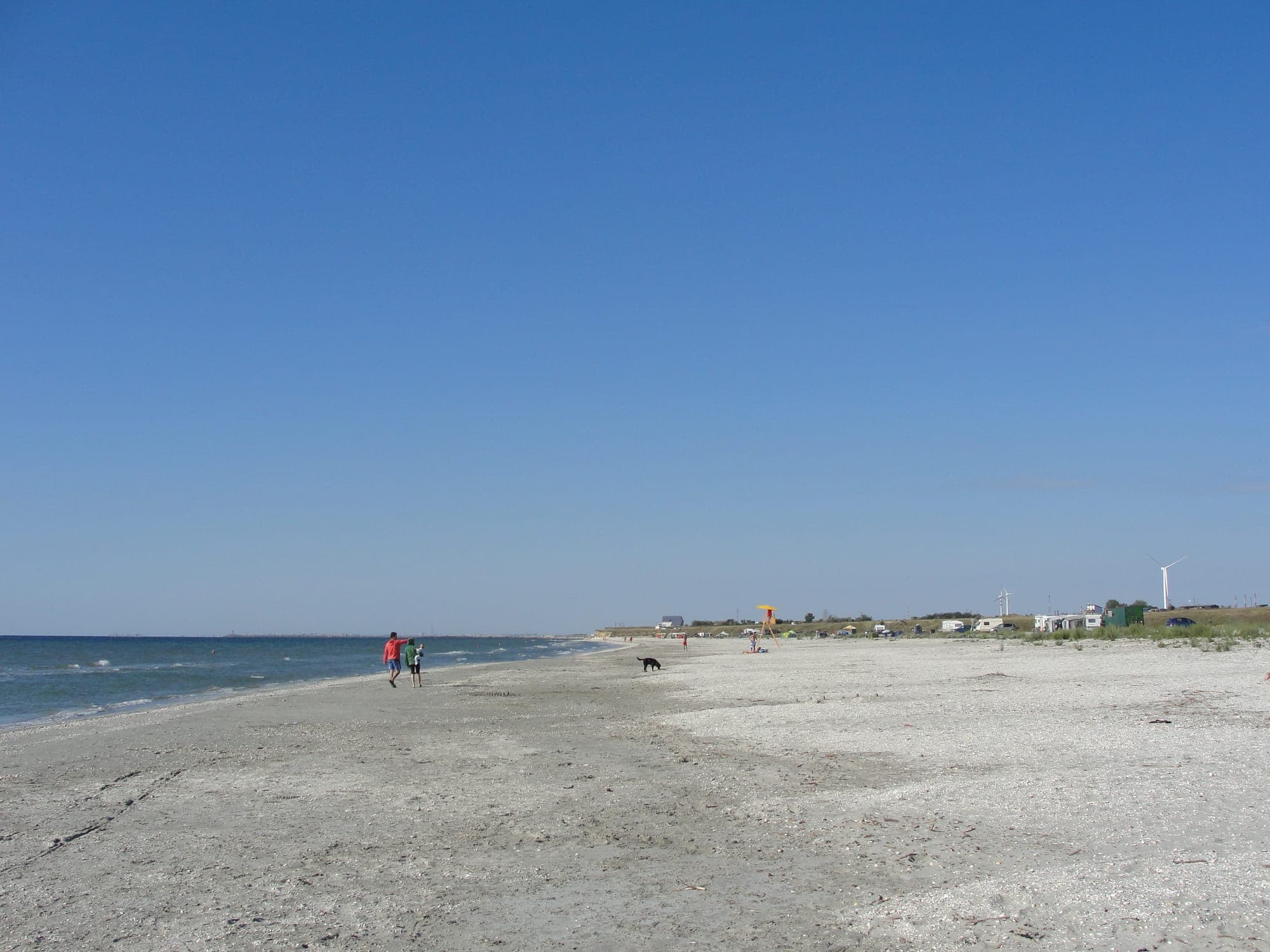
The last wild beach at the southern edge of the Danube Delta Biosphere Reserve: shell-strewn sand, dunes and a low earth cliff, with no hotels, sunbeds or lifeguards.
The youth resort of the Romanian coast, 31 kilometres south of Constanța: an east-facing beach, the white obelisk on the sand and the rusting wreck of the cargo ship Evangelia.
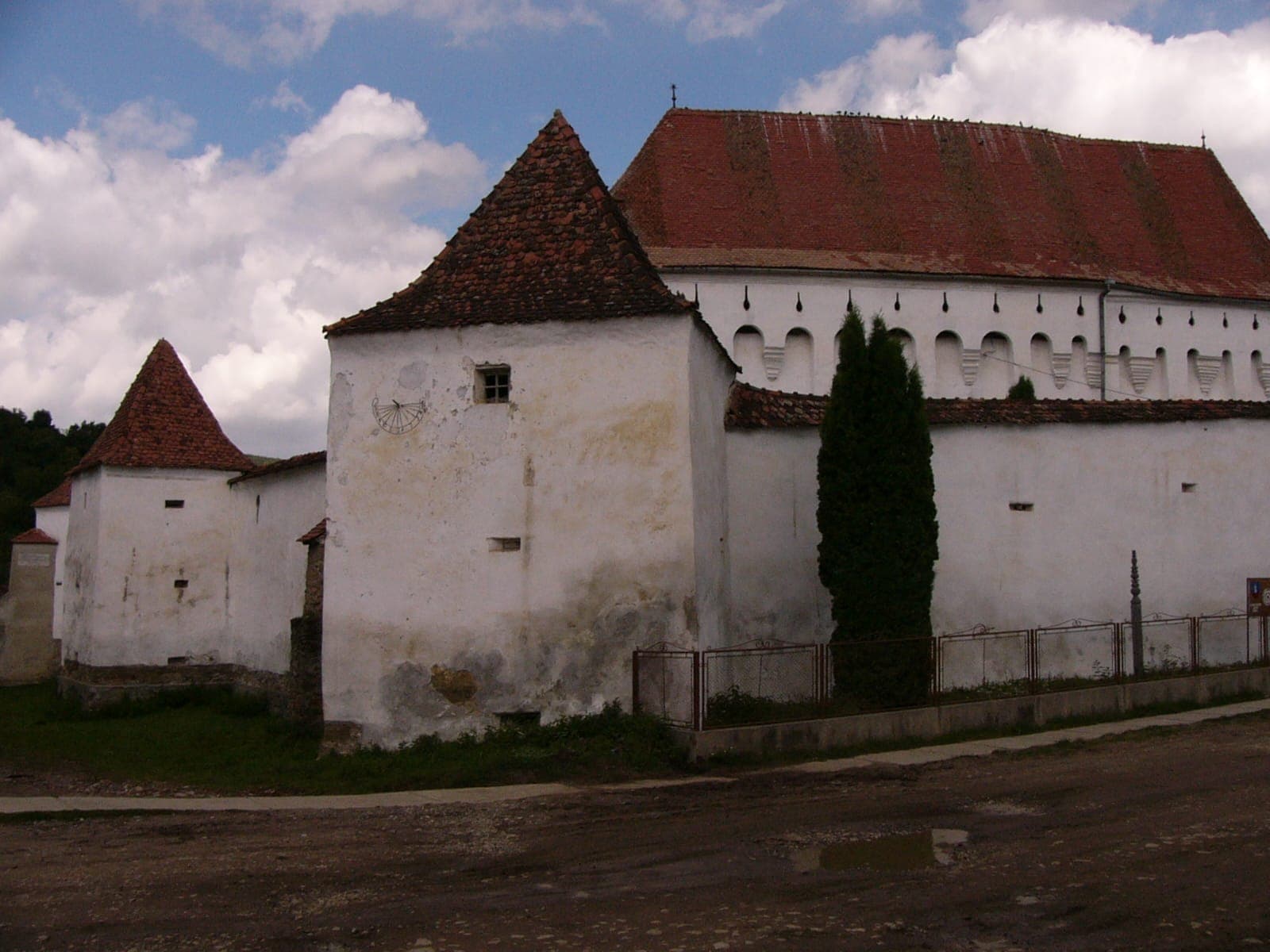
The only Székely and Unitarian church in the UNESCO fortified-church site: a Gothic church with 1419 frescoes of the legend of Saint Ladislaus, whose fortress villagers still use to store their bacon.
Monasteries and churchesFortresses and fortificationsUNESCO
A nature reserve in the Vrancea Subcarpathians where methane gas seeps out of the ground and burns by itself, in small flames best seen in dry weather and towards evening.
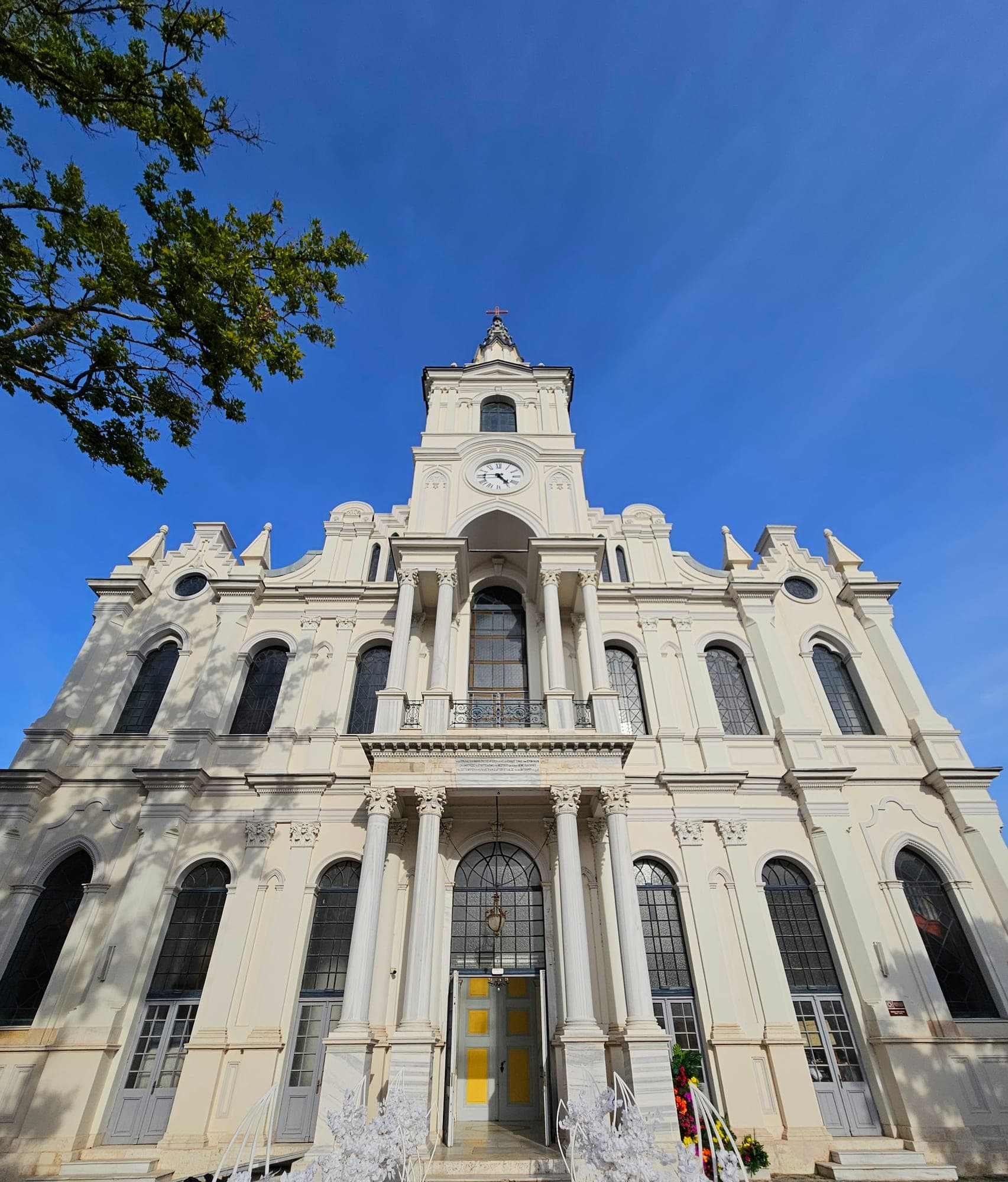
The church raised between 1863 and 1872 by Brăila’s Greek community to plans by the architect Avraam Ioanidis: a Byzantine-style building with a clock tower, paintings by Tattarescu and Liochis, and the famous Healing Spring.
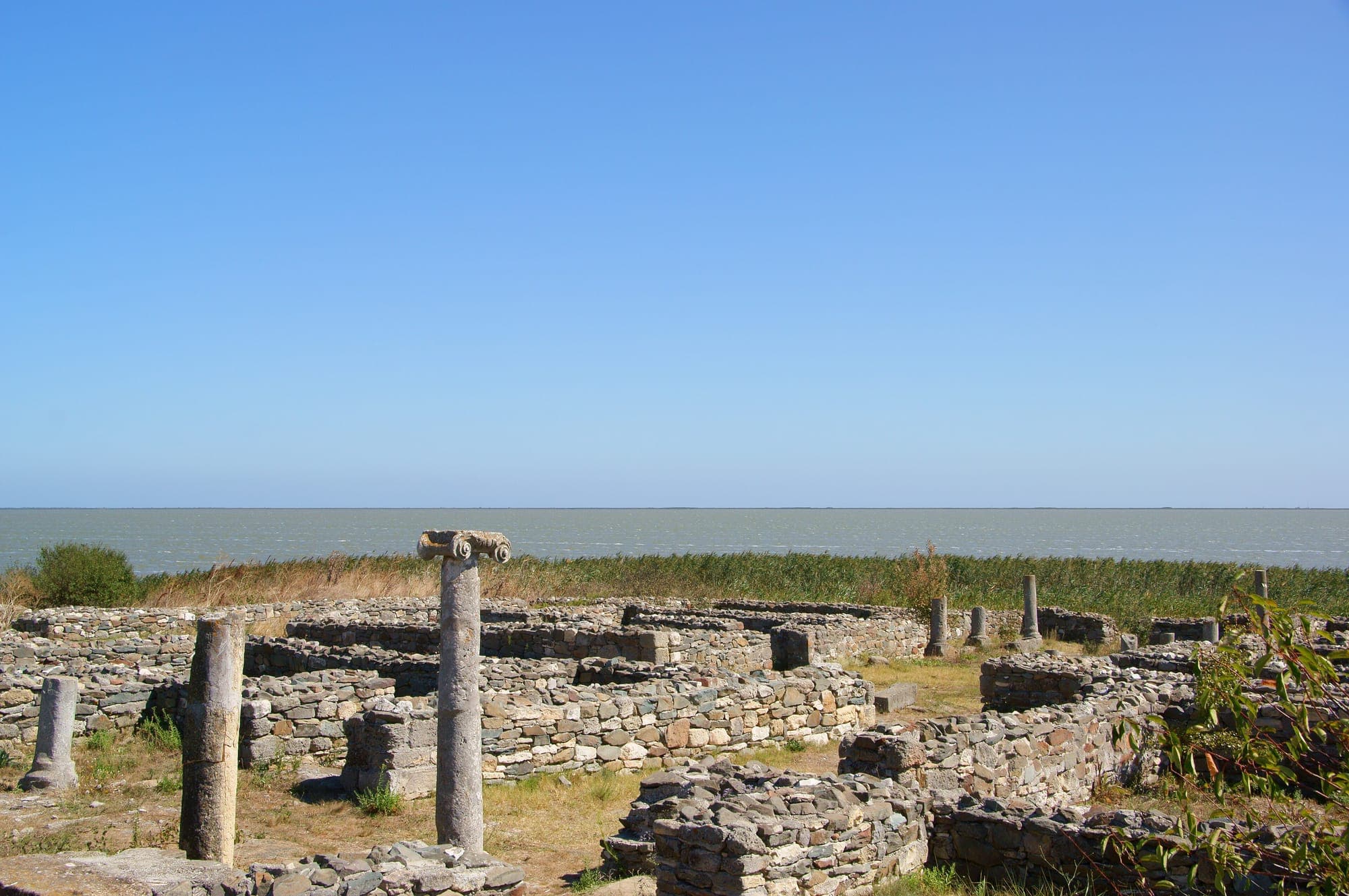
The ruins of the oldest city on Romanian soil, a Greek colony founded by Miletus in the 7th century BC on the shore of Lake Sinoe, with the site museum alongside.
Fortresses and fortificationsMuseums and memorial housesMonuments and historic sites
A 13th-century Romanesque hall church with an eight-storey keep above the old choir, two rings of walls and fragments of medieval wall paintings, a few kilometres from Rupea.
Monasteries and churchesFortresses and fortifications
A 13th-century Romanesque church with a richly carved portal, enclosed by a double ring of walls in the Hârtibaciu valley, with the Făgăraș Mountains behind.
Monasteries and churchesFortresses and fortifications
An active cave in the Trascău Mountains, with a portal almost 40 m high in the limestone wall and an underground river of lakes and waterfalls, visited only on guided tours in a wetsuit.
 Top 100