A masterpiece of Transylvanian Secession architecture, completed in 1913, with a gold-ground mosaic façade, the Hall of Mirrors and its 12 stained-glass windows, a concert hall with an organ and the Mureș County Museum's art galleries.
Queen Marie's Art Nouveau castle, built between 1899 and 1902 next to Peleș, with the Gold Room, the Gold Bedroom and interiors designed by the queen herself; her heart is kept here.
The Bucharest home of Nicolae and Elena Ceaușescu from 1965 to 1989, also known as the Ceaușescu Mansion or Spring Palace, with its lavish interiors, mosaic pool and private cinema, seen on guided tours only.
The former residence of Romania's kings on Revolution Square, now the National Museum of Art of Romania: the Throne Hall, the Voivodes' Staircase and the country's largest collection of Romanian and European art.
The Roman Catholic bishops' residence, built in 1762–1777 by Franz Anton Hillebrandt, is Romania's largest Baroque palace; today it hosts church art exhibitions, and the garden is open daily.
Castles and palacesMuseums and memorial housesParks and gardens
The princely court built by Constantin Brâncoveanu in 1698 for his eldest son, with a loggia-fronted palace, walled courtyards and restored gardens, ~50 km from Bucharest.
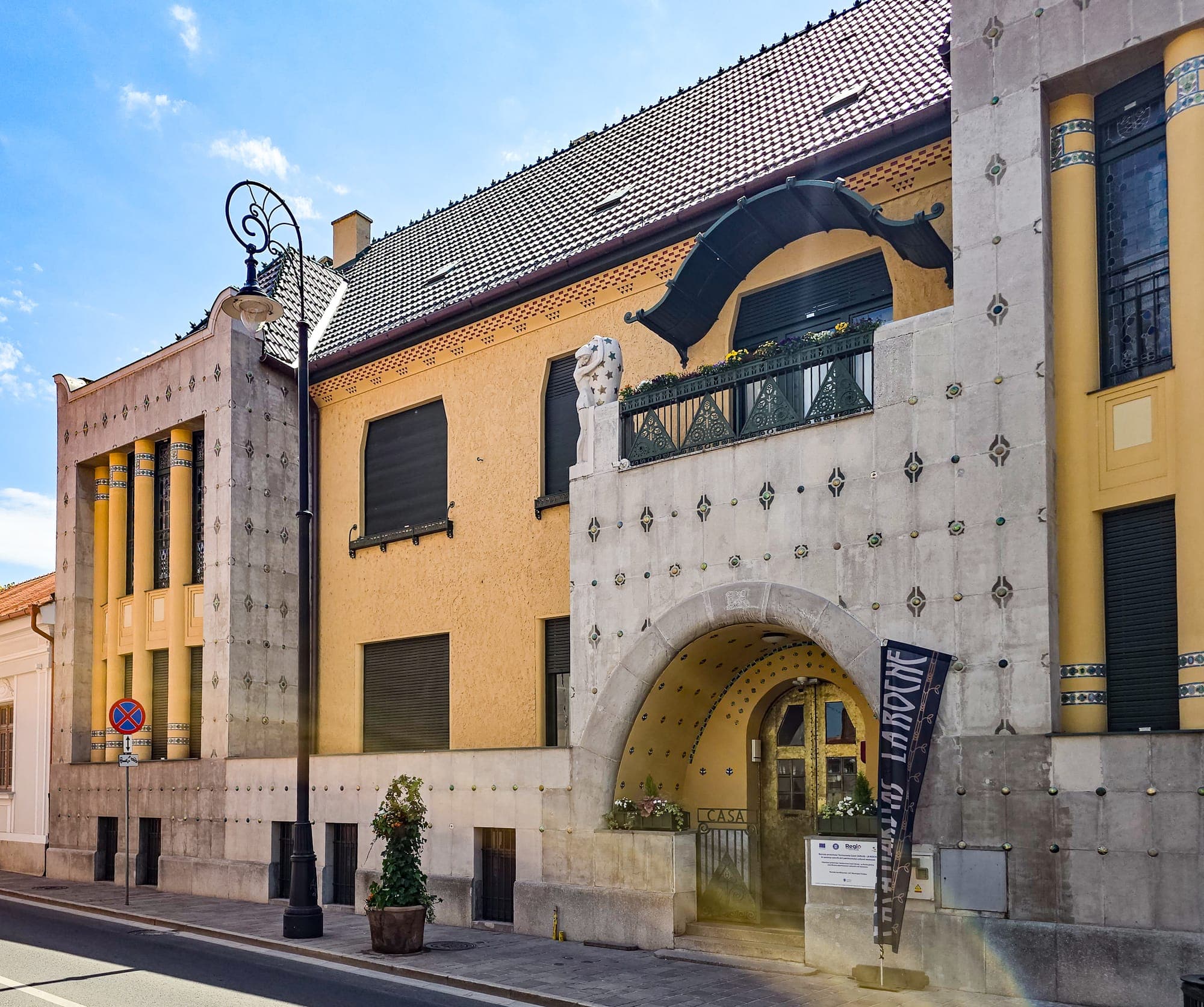
The Secession villa of the industrialist Imre Darvas, designed by the Vágó brothers in 1909–1912, now houses Romania's first Art Nouveau museum, with period interiors and a garden.
The Renaissance castle of the Lázár family, with four bastions, a gate tower and walls topped by ornamental crenellations, at the edge of the forest near Gheorgheni; Gabriel Bethlen spent his childhood here.
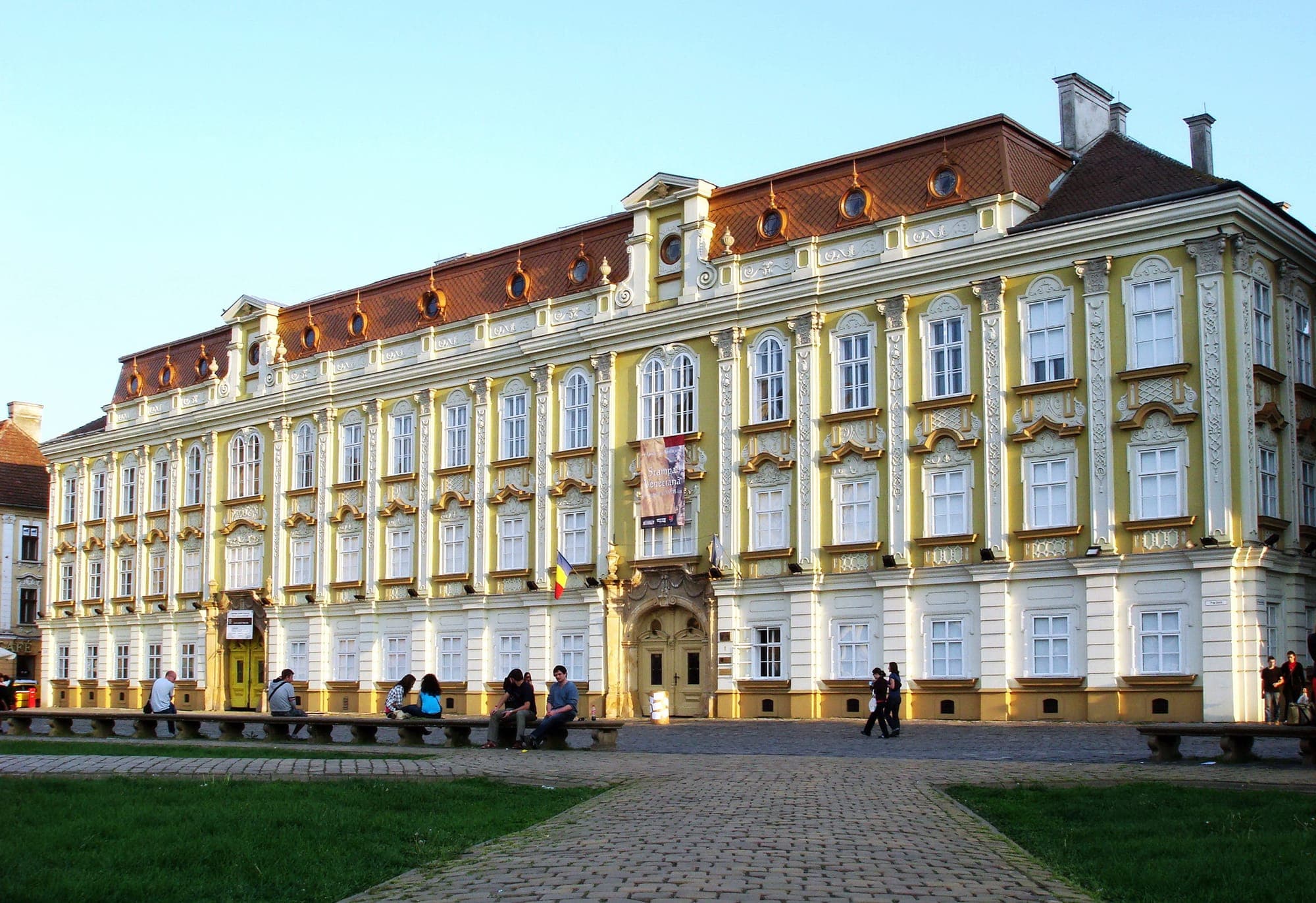
The museum in the Baroque Palace on Union Square holds old European painting, Banat and Romanian art and the Corneliu Baba collection, in a building begun in 1754.
 Top 100