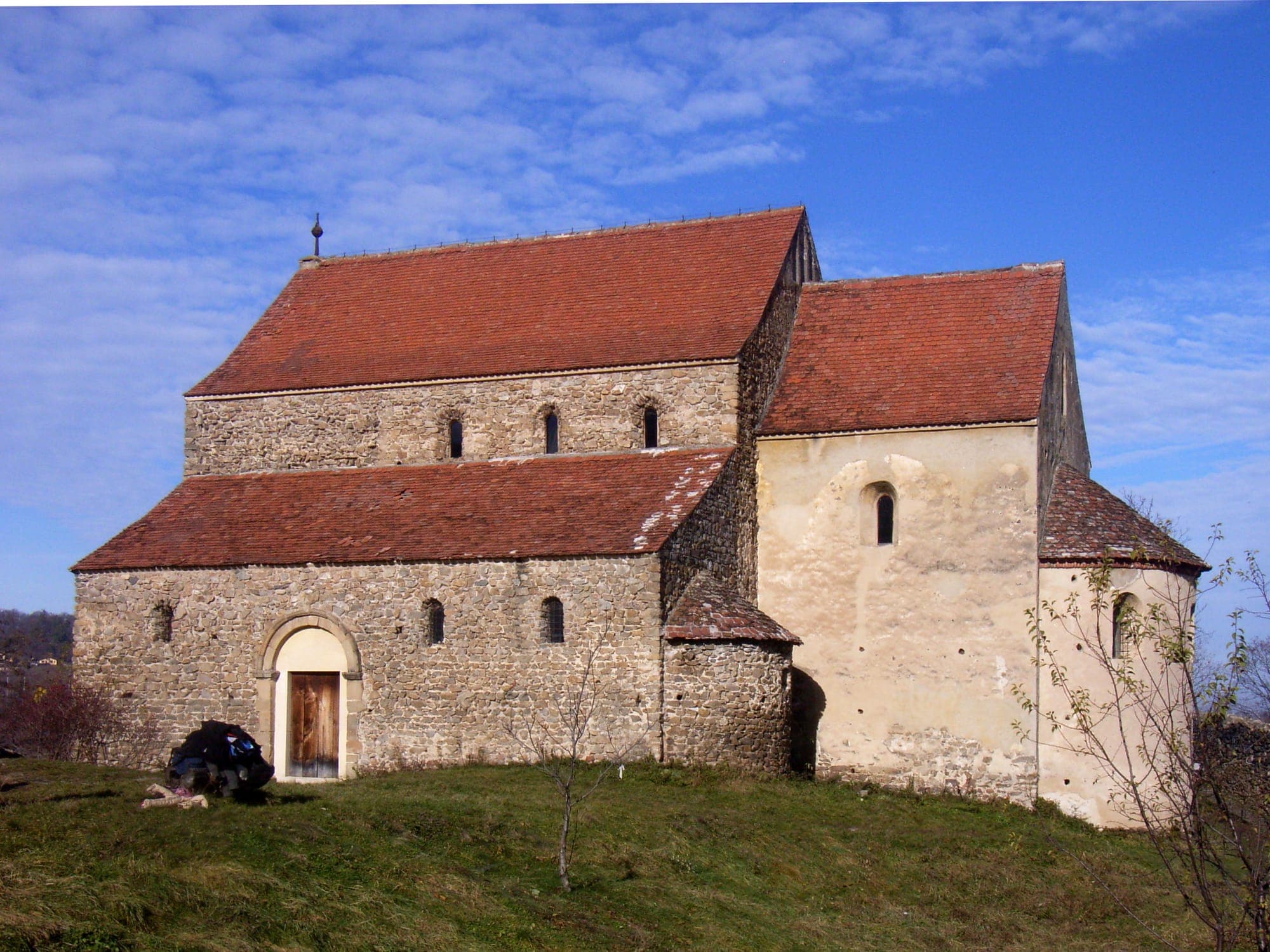
A Romanesque basilica from the turn of the 12th and 13th centuries, left almost unaltered, on the rocky top of St Michael's Hill, ringed by a defensive wall and looking out to the Făgăraș Mountains.
Monasteries and churchesFortresses and fortifications
A Dacian fortress on Cetățuia hill, at the gateway to the Orăștie Mountains: earth ramparts, a stone wall built in the Hellenistic manner, tower houses and temples, a UNESCO site.
Fortresses and fortificationsMonuments and historic sitesUNESCO
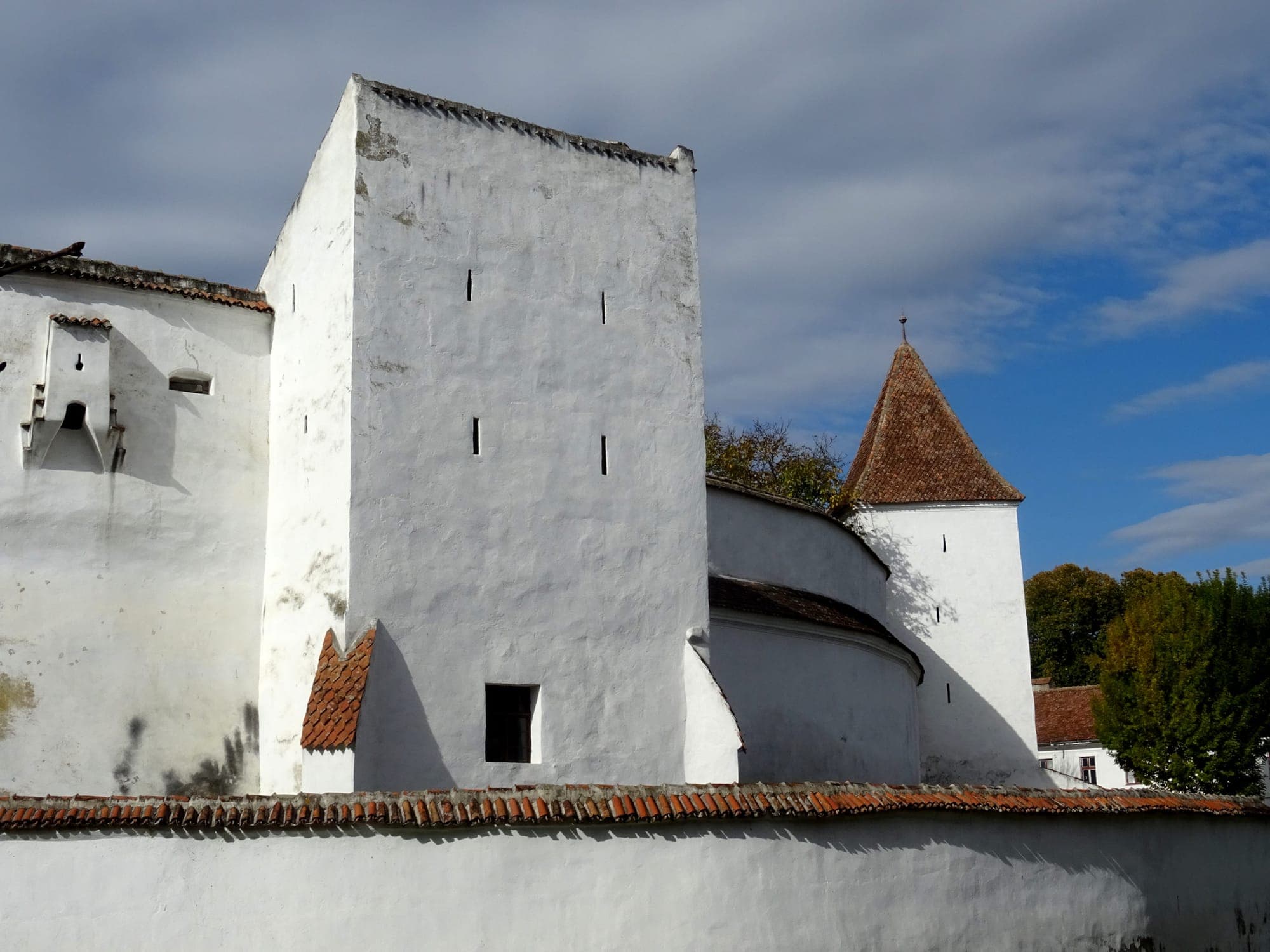
A 13th-century Romanesque basilica enclosed by 12 m walls with seven towers, with the tallest bell tower in the Burzenland and a chapel of 15th-century Gothic frescoes.
Monasteries and churchesFortresses and fortifications
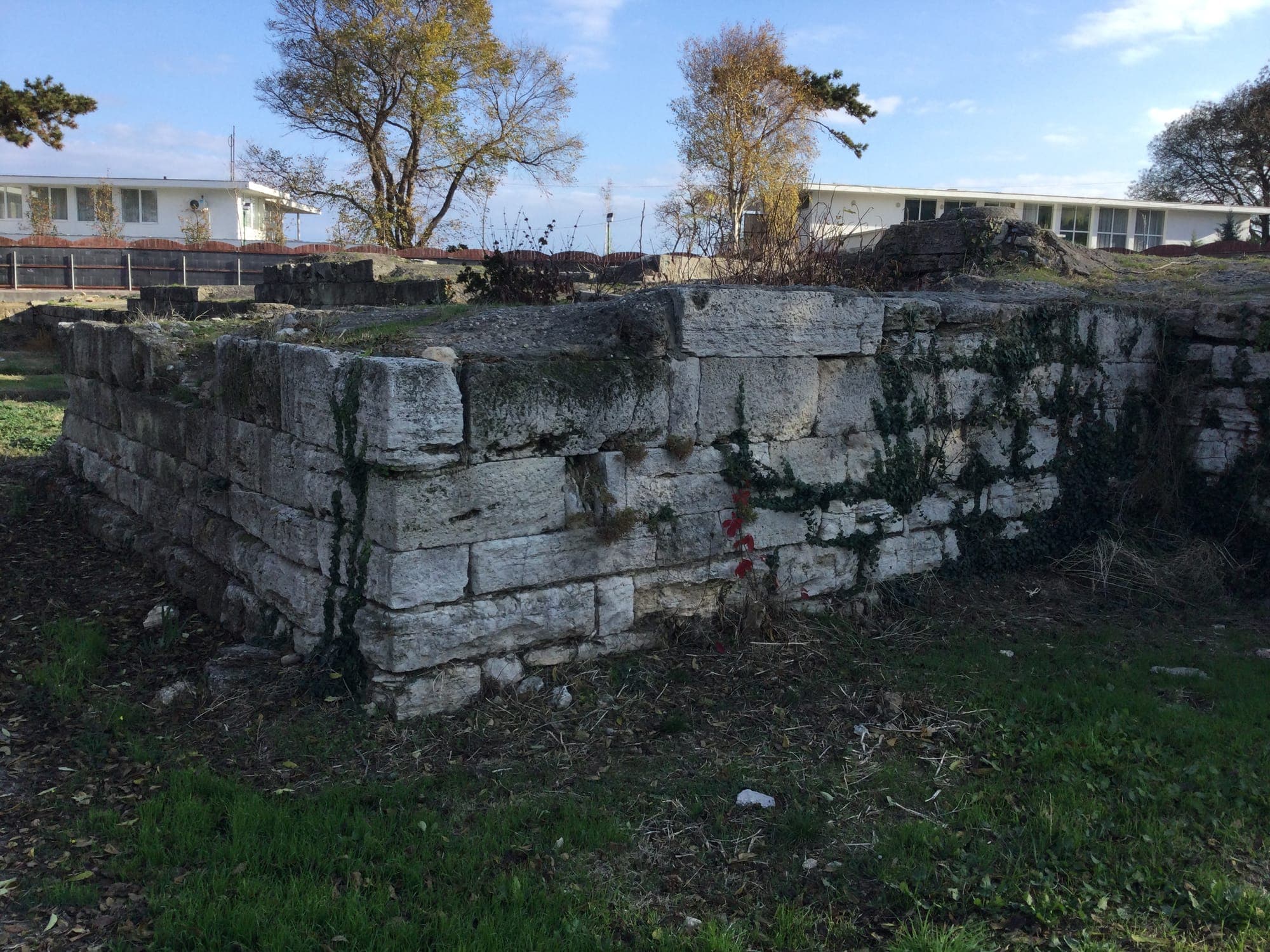
The ruins of the Greek city from which Mangalia grew: the circuit wall with its towers and the Syrian-type basilica on the clifftop promenade, steps from the beach, plus the town's archaeology museum.
Fortresses and fortificationsMonuments and historic sitesSeaside
One of the strongest Dacian fortresses in the Orăștie Mountains: murus dacicus walls, six towers and a dog-leg entrance, on a wooded hill above Costești, a UNESCO site.
Fortresses and fortificationsMonuments and historic sitesUNESCO
The largest surviving piece of Timișoara's bastioned fortress, built by the Austrians in the 1730s and restored with EU funds, now home to the National Museum of Banat.
Fortresses and fortificationsMuseums and memorial houses
The Lutheran church in the centre of Mediaș, late Gothic and enclosed in a fortress with walls and towers; its leaning tower, with a five-pointed spire, is the town's emblem.
Monasteries and churchesFortresses and fortifications
The northernmost bastion of Roman Dacia: the fort with its reconstructed gates, the paved imperial road, the civil town and the amphitheatre, on the hills at Moigrad in Sălaj.
Monuments and historic sitesFortresses and fortificationsUNESCO
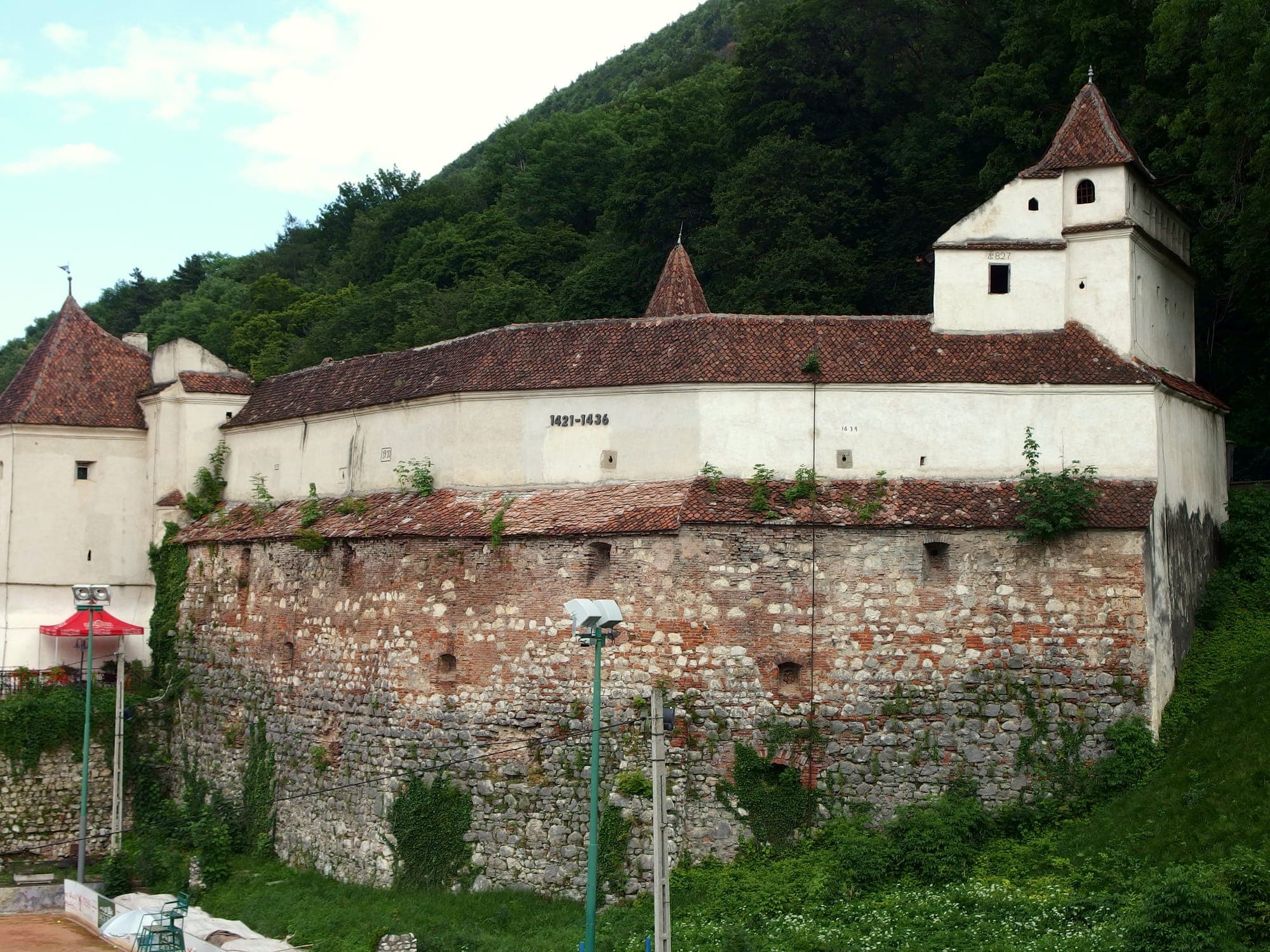
The best-preserved bastion of Brașov's city walls, built by the weavers' guild in the 15th and 16th centuries, with timber galleries on four levels and a model of the medieval town.
Fortresses and fortificationsMuseums and memorial houses