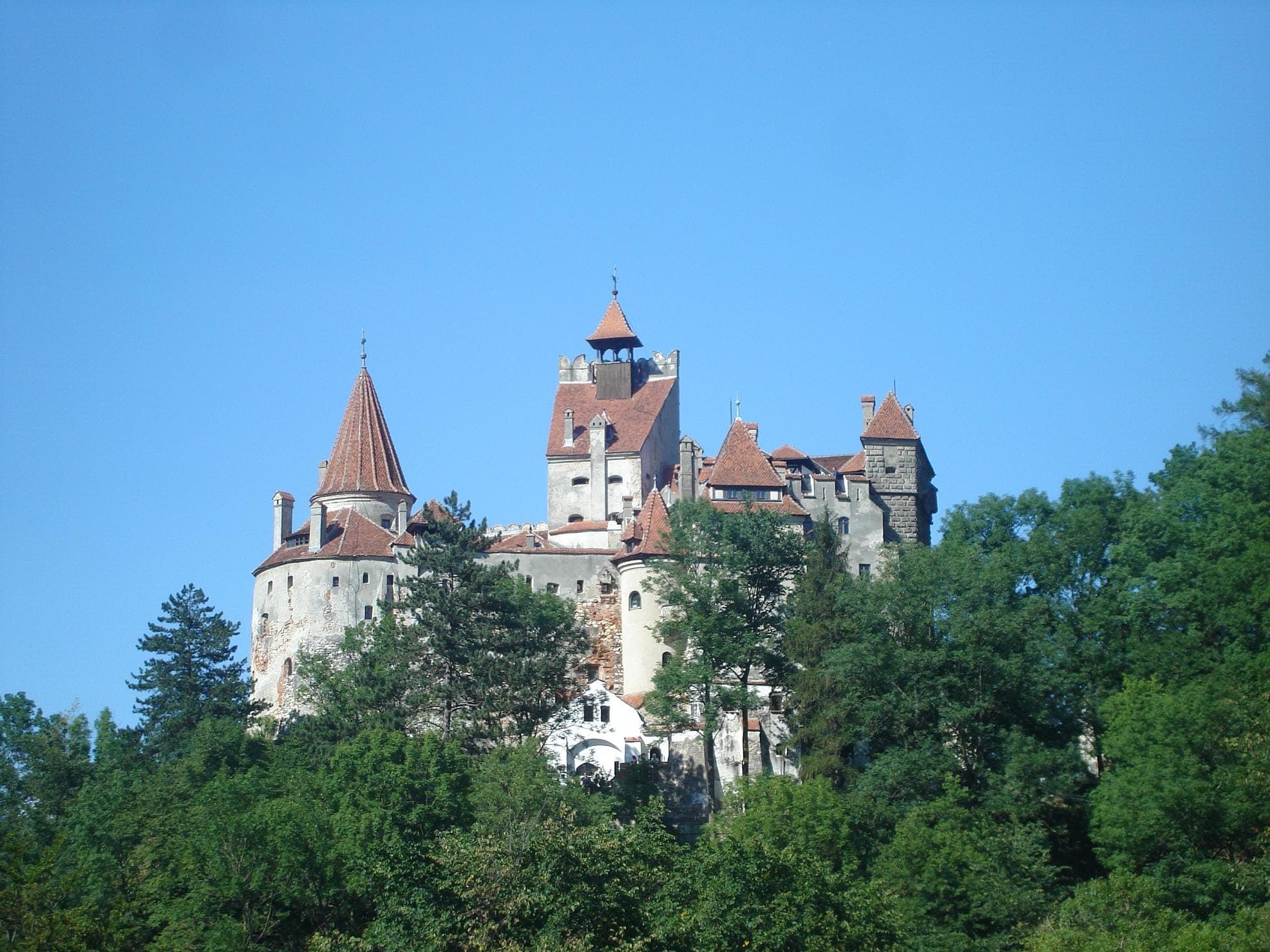
A medieval fortress built by the people of Brașov on a rock in the Bran Pass, later Queen Marie's summer residence and known around the world as “Dracula's Castle”.
Castles and palacesFortresses and fortificationsMuseums and memorial houses
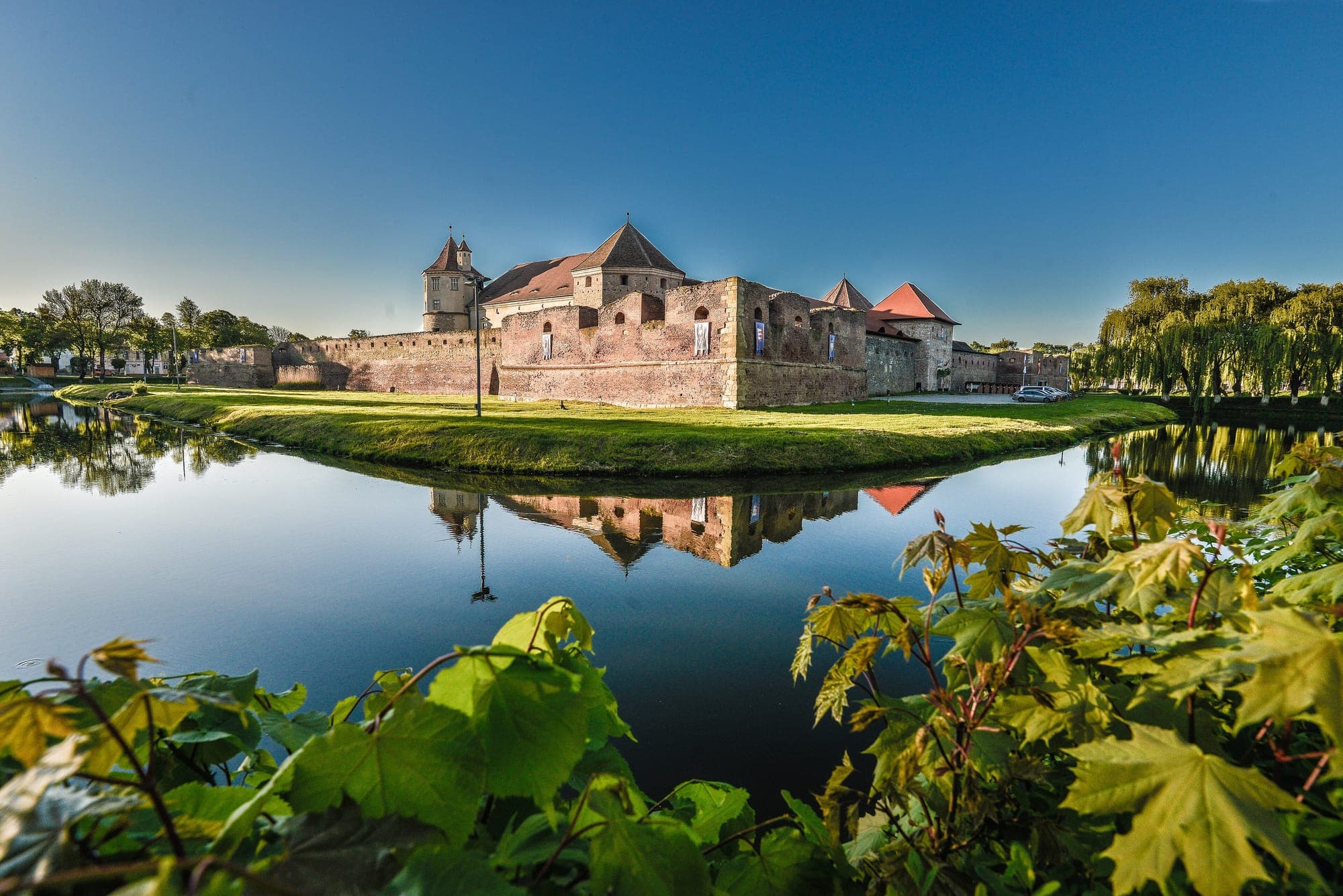
A moated, bastioned fortress in the centre of Făgăraș, seat of the princes of Transylvania in the 17th century and now home to the Făgăraș Land Museum.
Fortresses and fortificationsMuseums and memorial houses
The capital of the Dacian kingdom, hidden in the beech forests of the Orăștie Mountains: the walls of Decebalus's fortress, the paved road and the sacred area with andesite and limestone sanctuaries, a UNESCO site.
Fortresses and fortificationsMonuments and historic sitesUNESCO
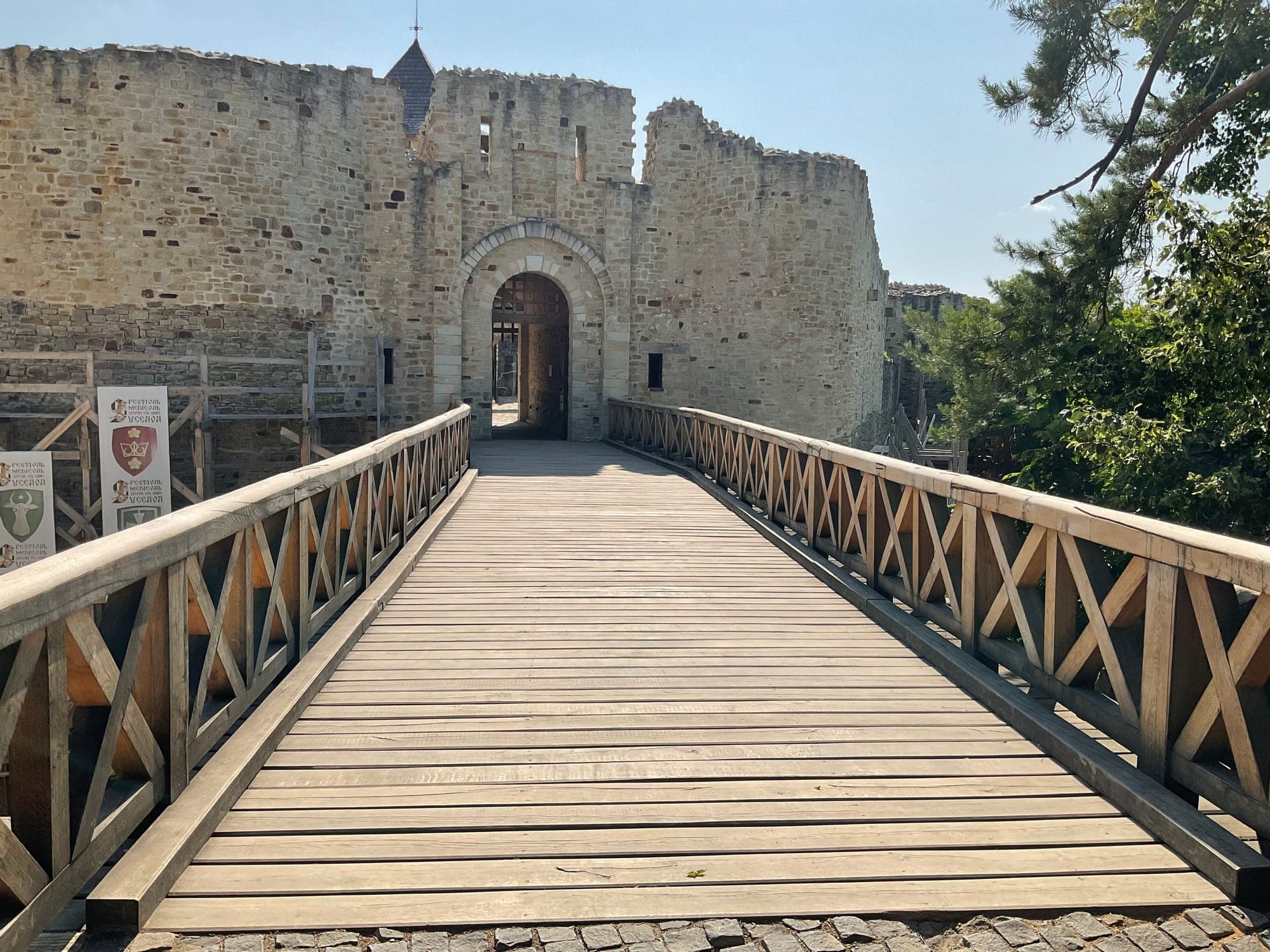
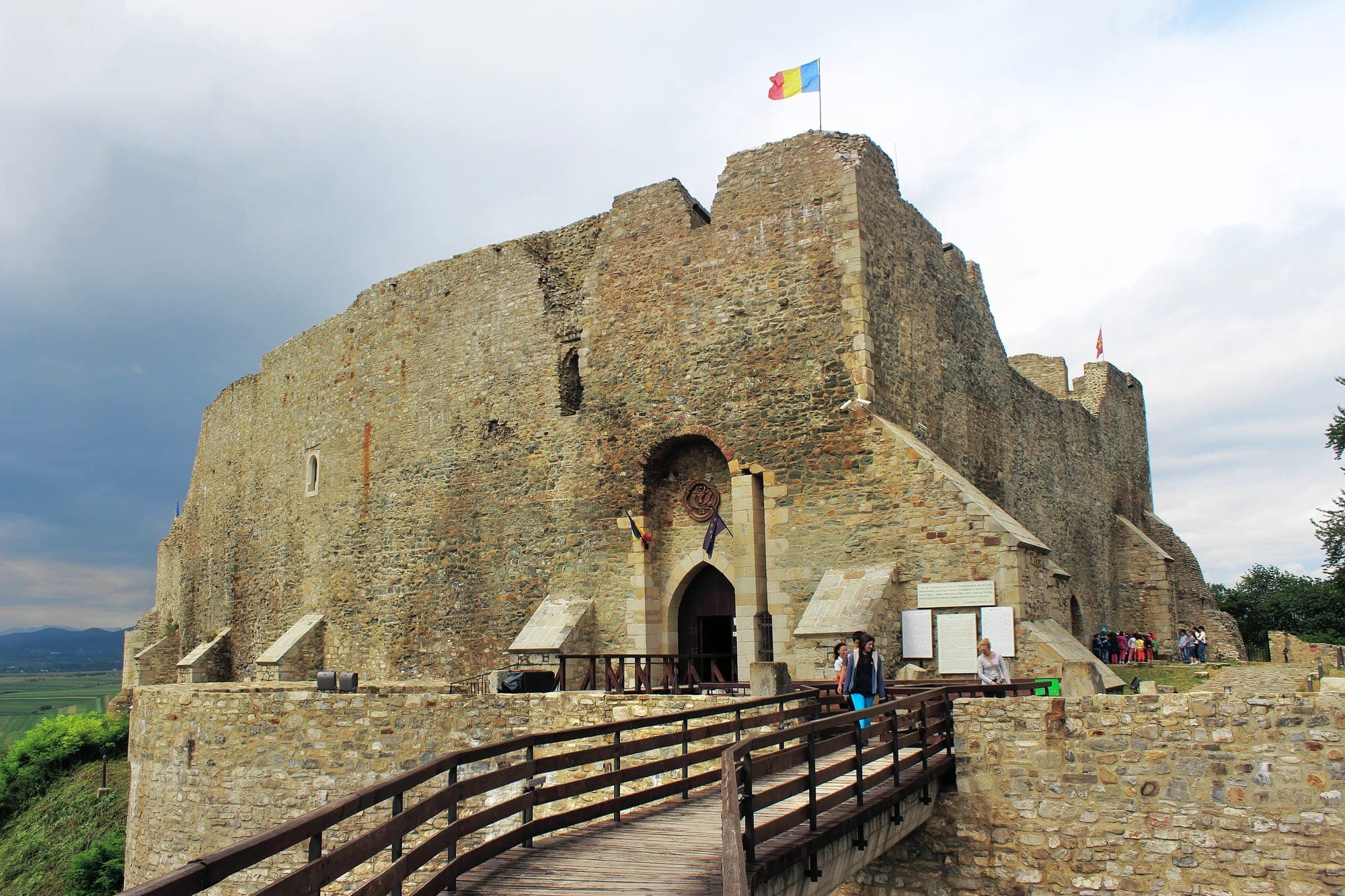
The stone stronghold of the princes of Moldavia in Suceava, built by Peter Mușat and strengthened by Stephen the Great, with a bridge over the moat, walls over 10 m high and a display of medieval arms and treasure.
Fortresses and fortificationsMuseums and memorial houses
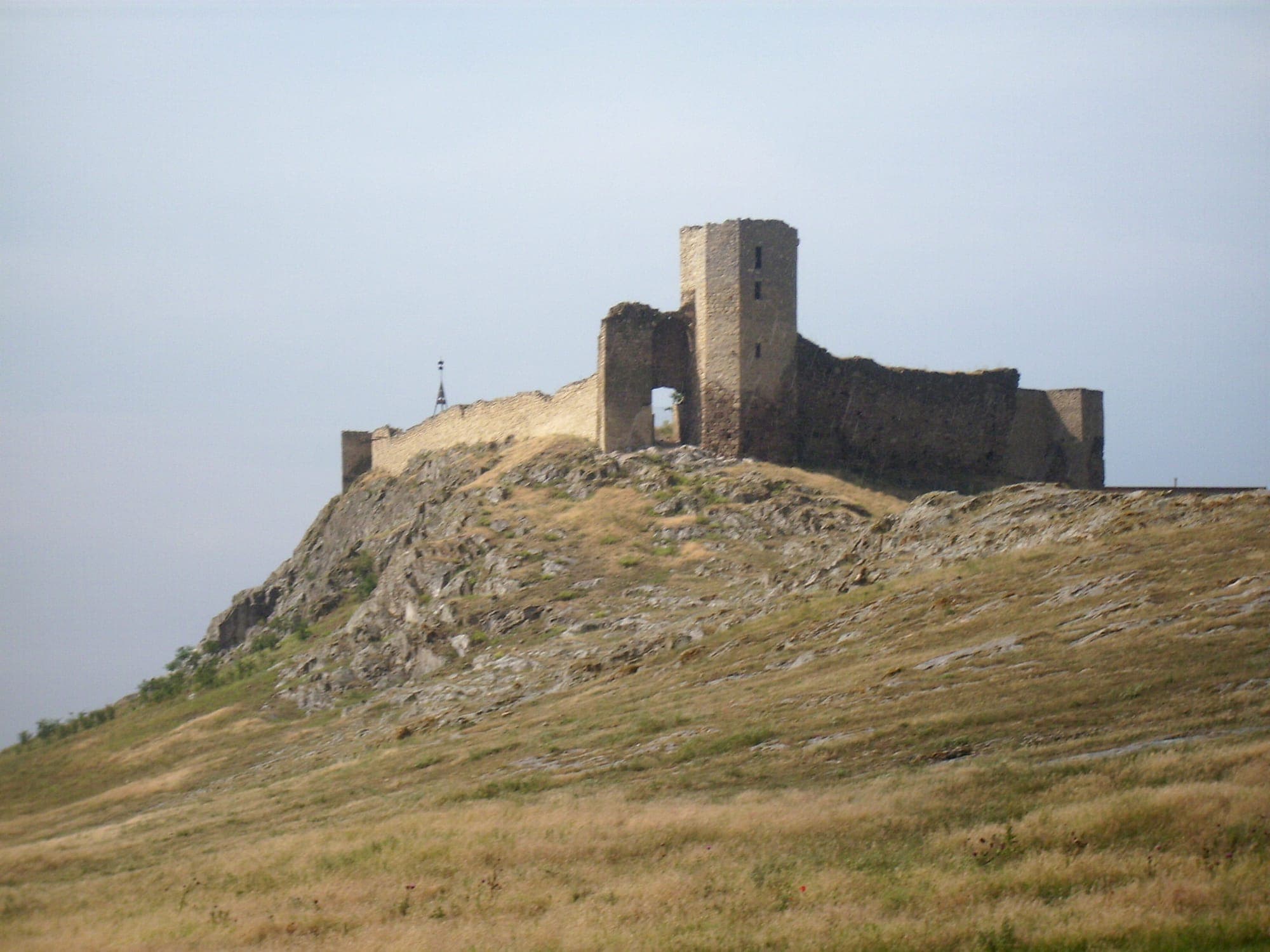
The ruins of a 14th-century fortress, probably built by the Genoese on a limestone hill above lakes Razim and Babadag, with one of the widest views in Dobruja.
Fortresses and fortificationsMonuments and historic sites
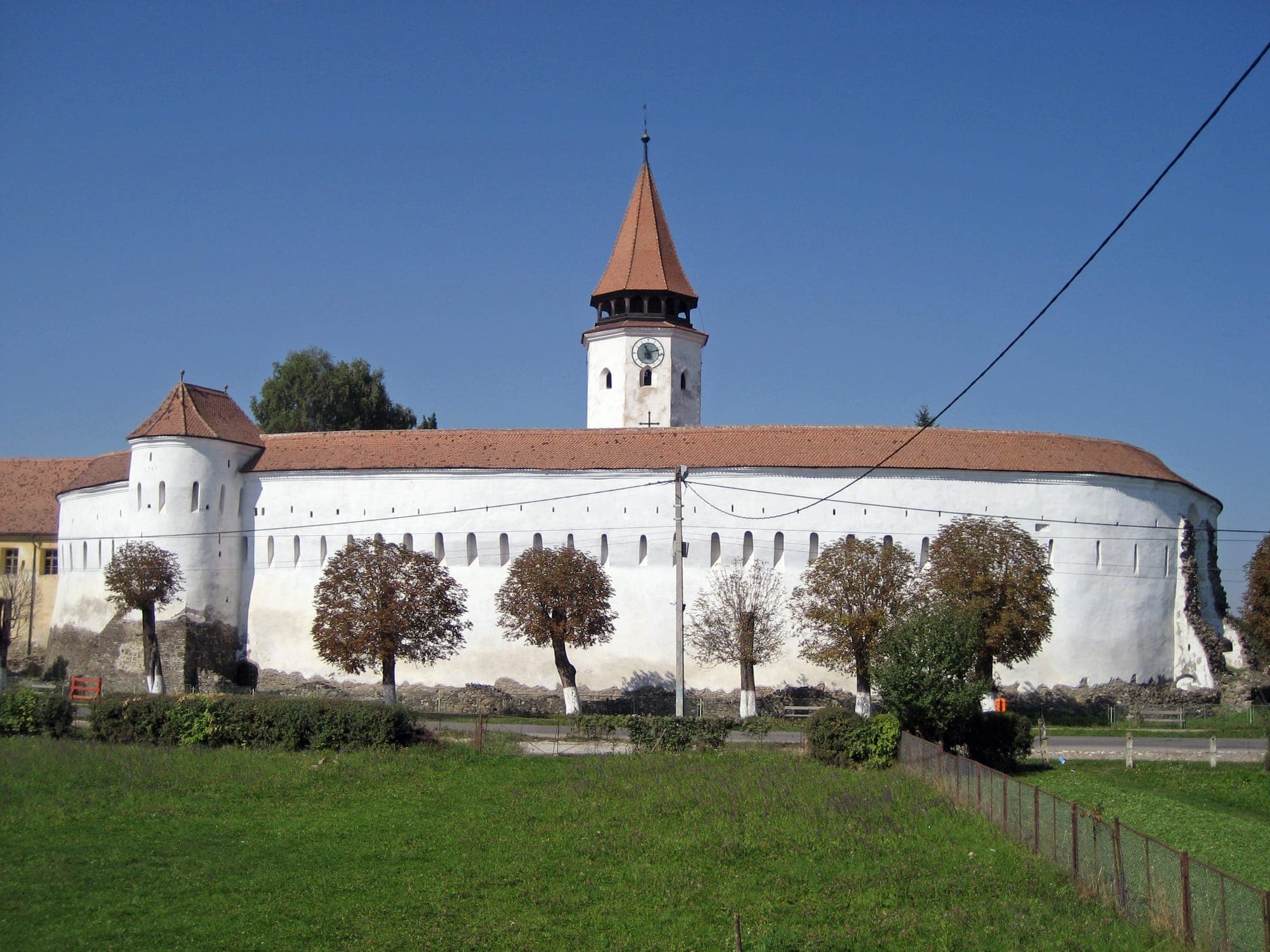
One of the largest Saxon fortified churches: a Gothic church on a cross-shaped plan, ringed by an oval wall with over 270 refuge rooms reached by timber galleries.
Monasteries and churchesFortresses and fortificationsUNESCO
A medieval peasant fortress on a rocky hill above Râșnov, looking out to the Bucegi and Piatra Craiului mountains; the upper enclosure is under restoration, but the Fortress Garden and Báthory Tower are open.
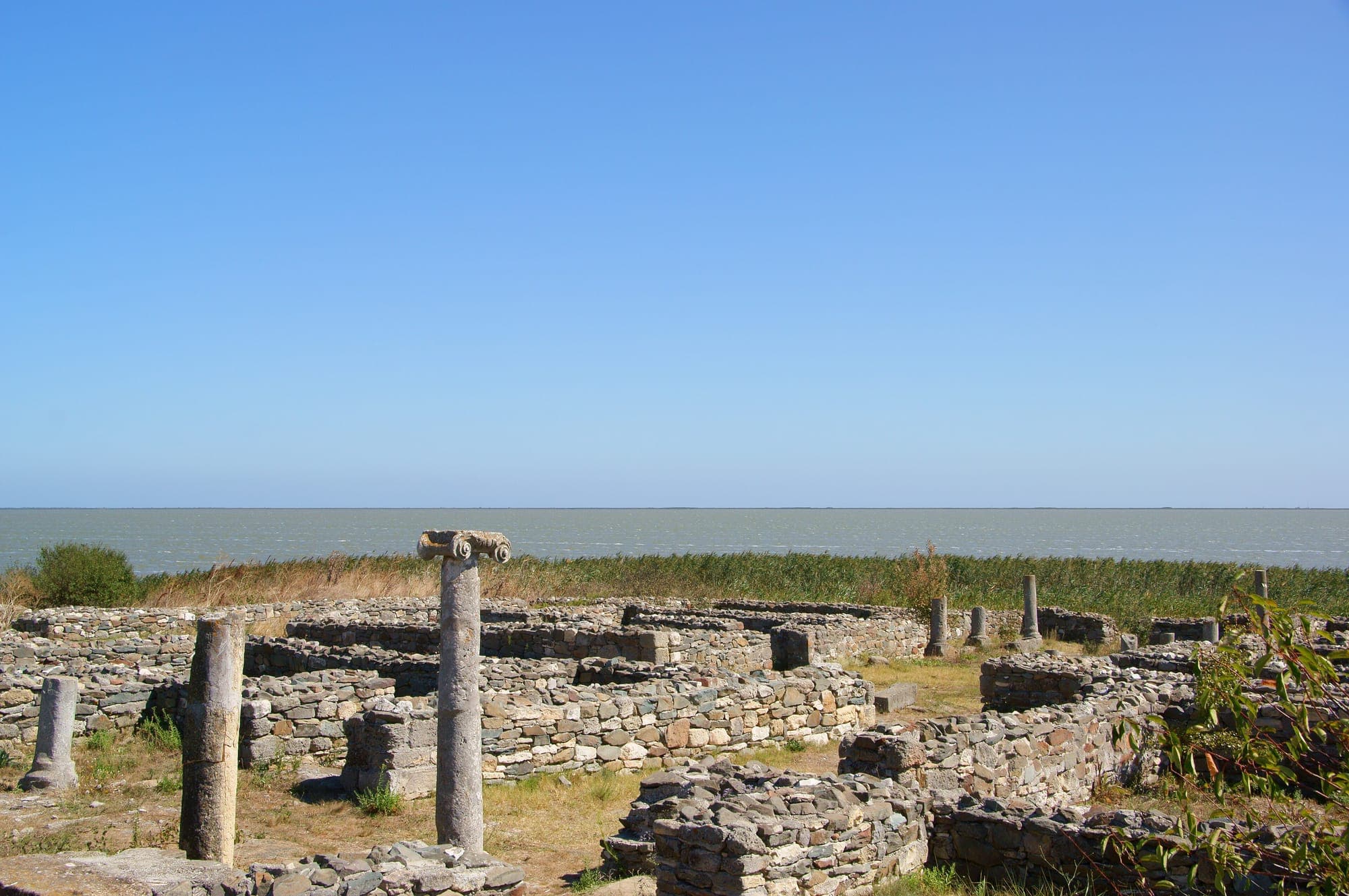
The ruins of the oldest city on Romanian soil, a Greek colony founded by Miletus in the 7th century BC on the shore of Lake Sinoe, with the site museum alongside.
Fortresses and fortificationsMuseums and memorial housesMonuments and historic sites
A medieval Moldavian fortress on a rocky spur above Târgu Neamț, built by the Mușatin princes and strengthened by Stephen the Great, which held out against Mehmed II's siege in 1476.
Fortresses and fortificationsMuseums and memorial houses
Vlad the Impaler's fortress, perched on a ridge above the Argeș Gorge on the Transfăgărășan; 1,480 steps lead up to walls that look out over the whole valley.
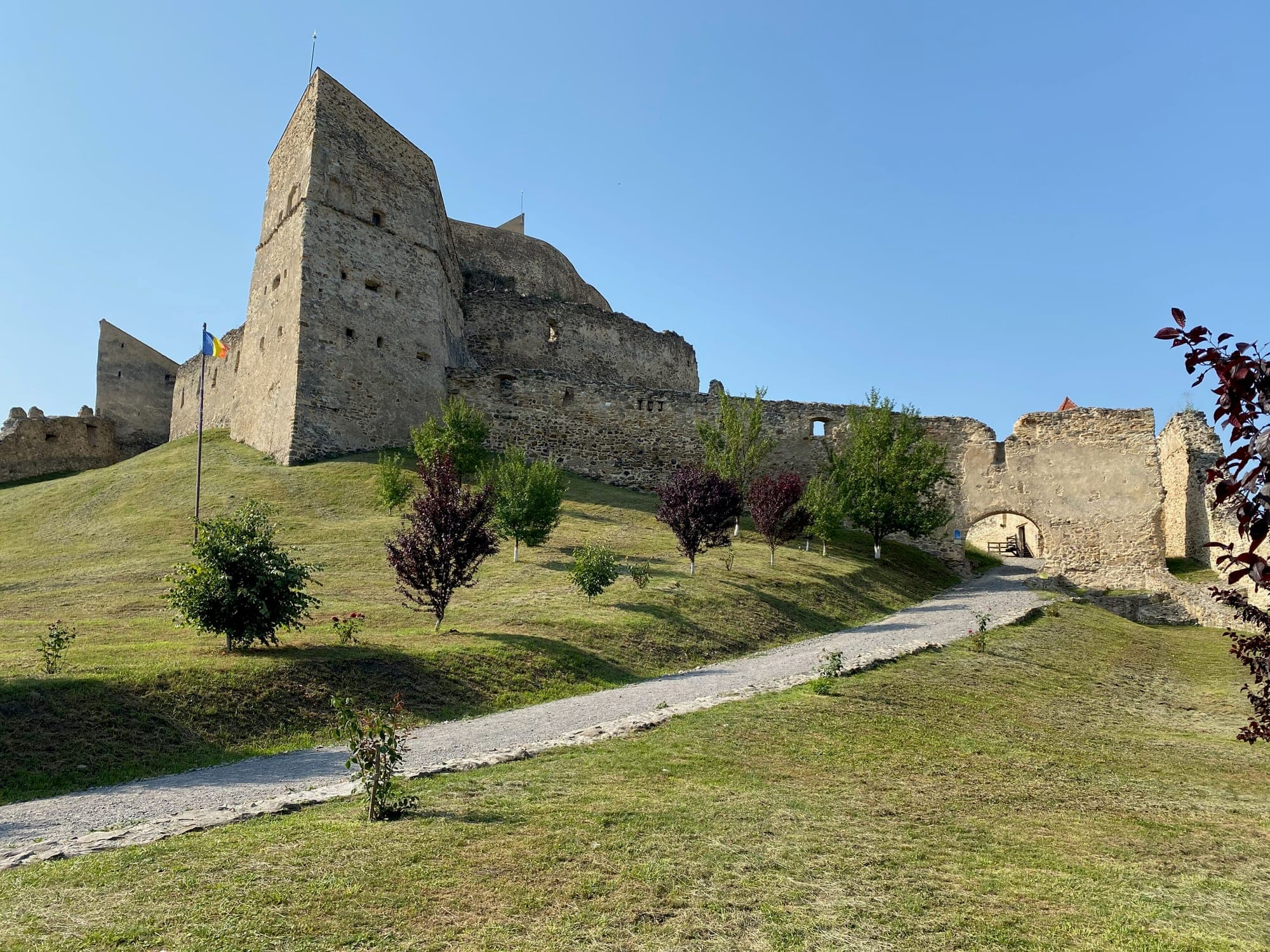
A Saxon peasant fortress climbing in tiers up a basalt hill above the town of Rupea, first recorded in 1324 and restored in 2010–2013, with wide views over the Transylvanian hills.
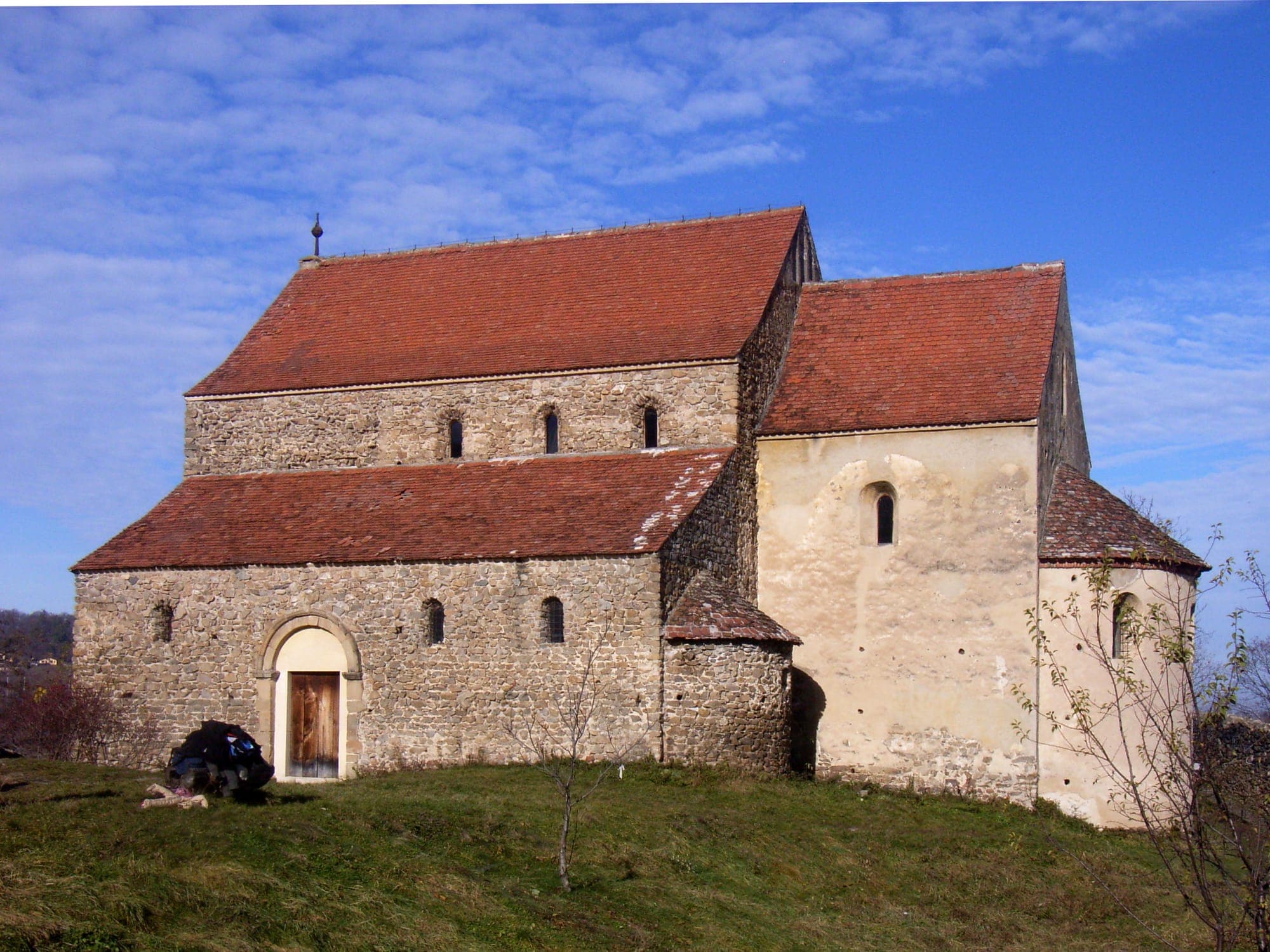
A Romanesque basilica from the turn of the 12th and 13th centuries, left almost unaltered, on the rocky top of St Michael's Hill, ringed by a defensive wall and looking out to the Făgăraș Mountains.
Monasteries and churchesFortresses and fortifications
A Dacian fortress on Cetățuia hill, at the gateway to the Orăștie Mountains: earth ramparts, a stone wall built in the Hellenistic manner, tower houses and temples, a UNESCO site.
Fortresses and fortificationsMonuments and historic sitesUNESCO
One of the strongest Dacian fortresses in the Orăștie Mountains: murus dacicus walls, six towers and a dog-leg entrance, on a wooded hill above Costești, a UNESCO site.
Fortresses and fortificationsMonuments and historic sitesUNESCO
The Lutheran church in the centre of Mediaș, late Gothic and enclosed in a fortress with walls and towers; its leaning tower, with a five-pointed spire, is the town's emblem.
Monasteries and churchesFortresses and fortifications
 Top 20