
About Prislop Pass
At a glance: Scenic roads in Maramureș County. Opening hours: daily open 24 hours. Ticket: Free. The visit takes 1½ – 2 hours. Information verified on 28 September 2026.
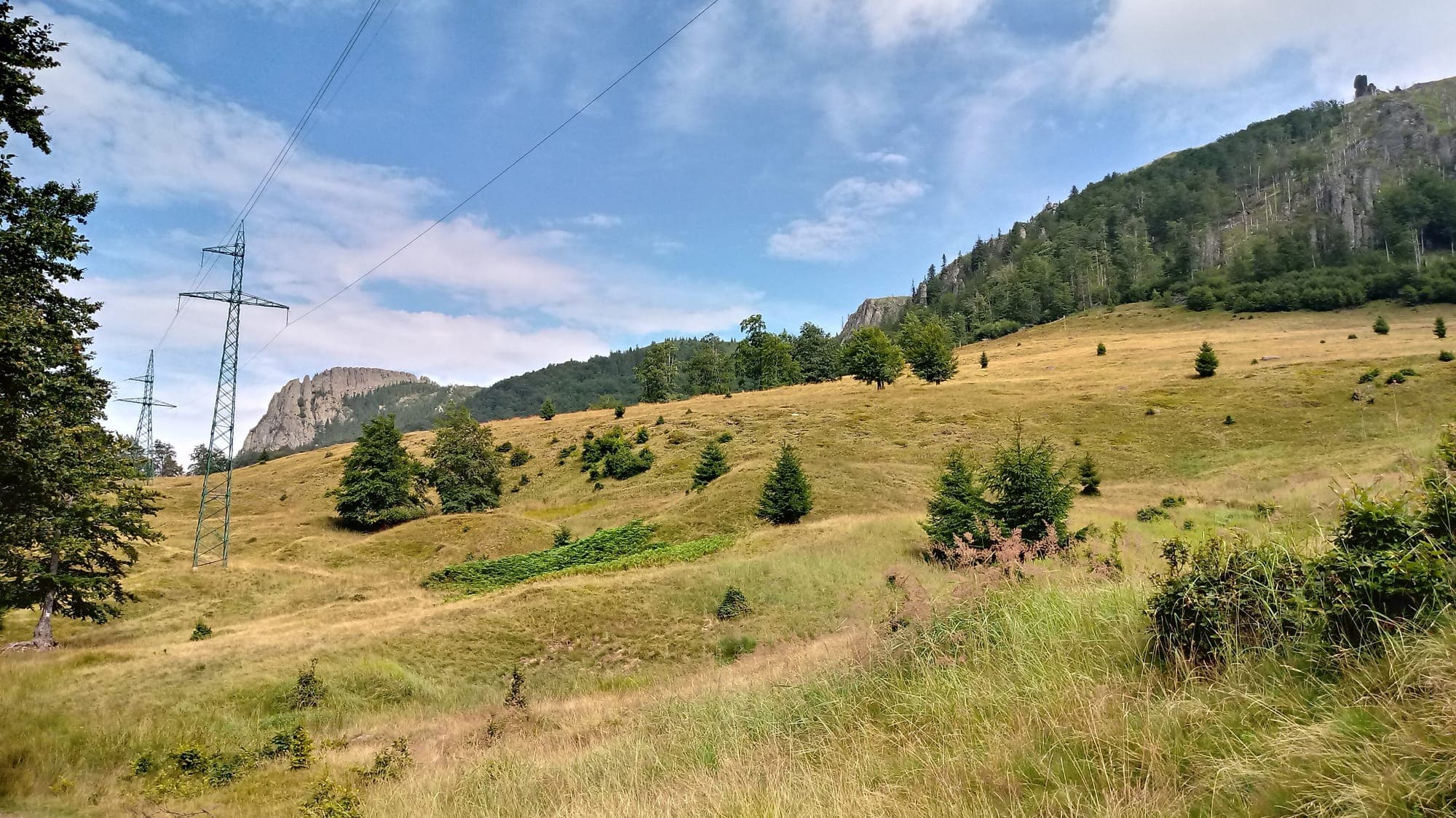
The Prislop Pass is where the DN18 crosses from Maramureș into Bukovina, between Borșa and the village of Șesuri in Cârlibaba commune. At 1,416 m it is the highest pass in the Eastern Carpathians and the watershed between the Vișeu valley to the west and the Golden Bistrița (Bistrița Aurie) valley to the east. To the south rise the Rodna Mountains, with Pietrosul and Ineu, and to the north the Maramureș Mountains, with Toroiaga; at the pass itself the road crosses a broad saddle of pasture dotted with spruce, with views in both directions.
Shepherds, merchants and armies have used this crossing for centuries. The people of Borșa still remember the 1717 battle at Preluca Tătarilor, where they defeated a Tatar force returning from its last raid on Maramureș. In the First World War, the Austro-Hungarian army built a narrow-gauge military railway over the pass between Borșa and Iacobeni, abandoned between the wars. For years the road was almost impassable; it was rebuilt between Moisei and Iacobeni between 2015 and 2020 and is now paved throughout.
What you can see
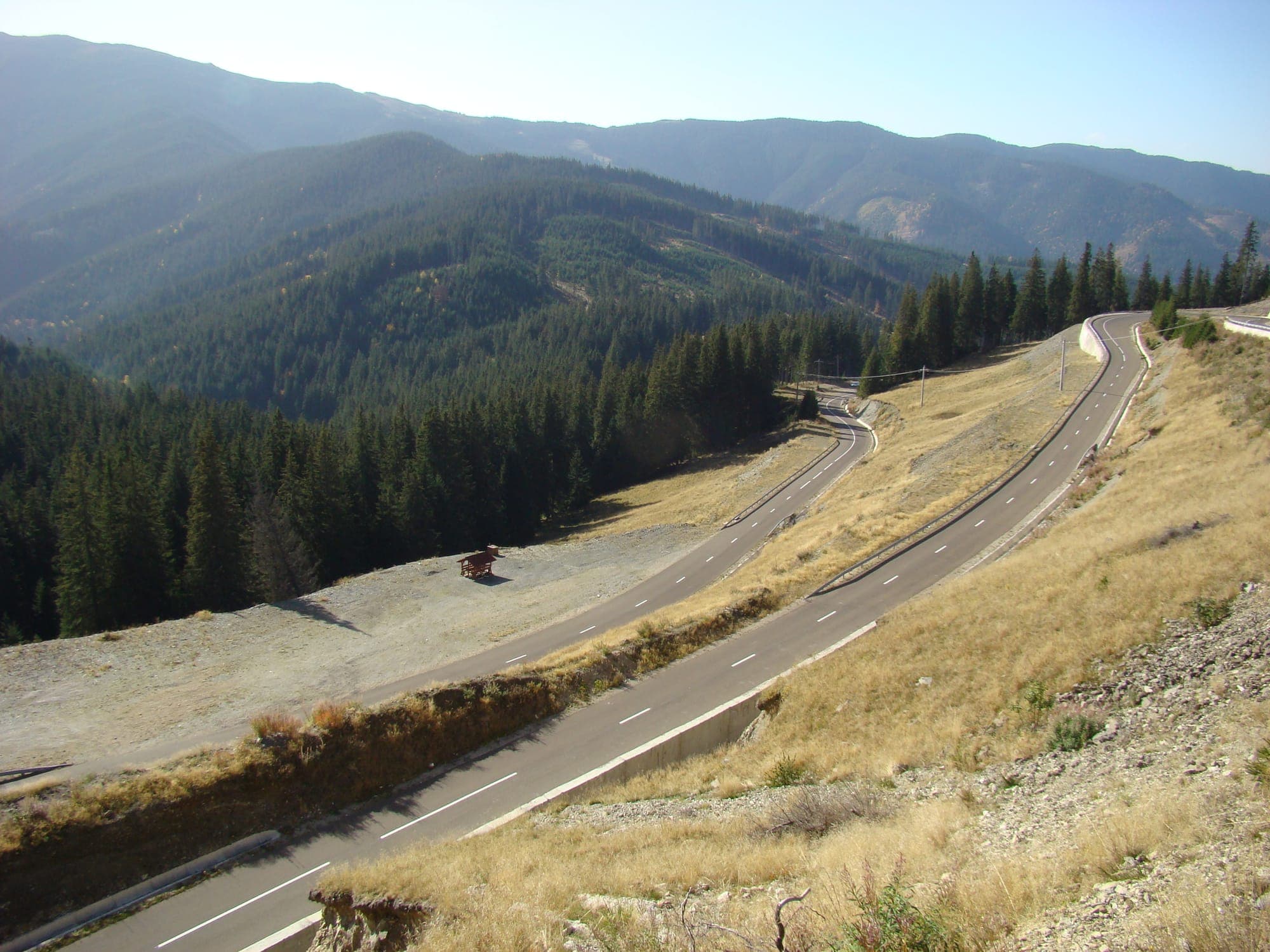
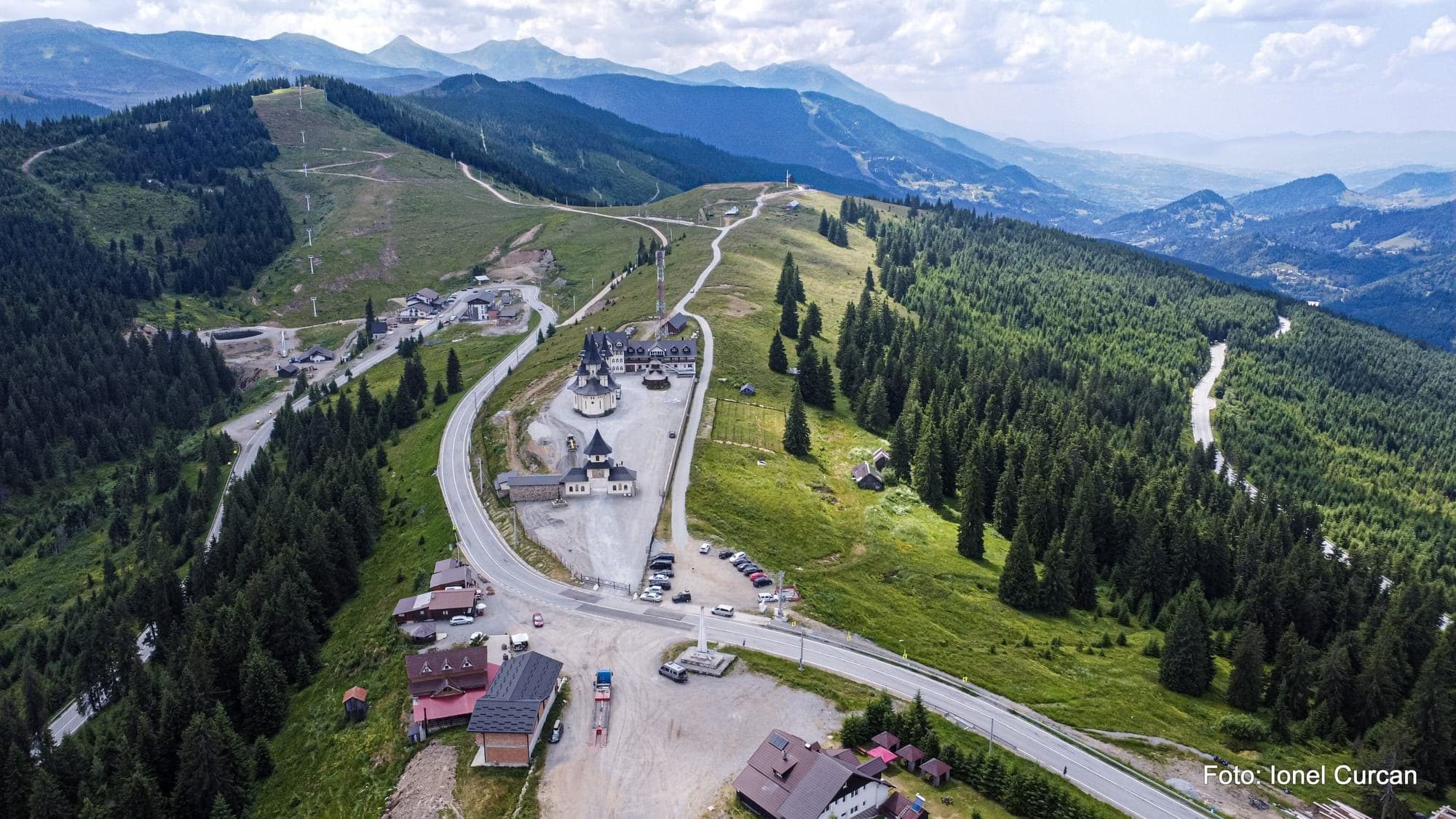
From Borșa, the DN18 climbs through spruce forest past the turn-off for the Borșa ski resort, then emerges in hairpins onto the pastures of the pass. At the top are Prislop Monastery, built from 1999 onwards and home to monks since 2008, the cemetery of soldiers who fell in the two world wars, the red obelisk at the pass and a few guesthouses. To the south you can see the Rodna ridge, with snow on the peaks until early summer. The descent to the east, down the Bârjaba and Golden Bistrița valleys, passes through mountain villages of wooden houses to Cârlibaba, from where the road continues to Iacobeni and Vatra Dornei.
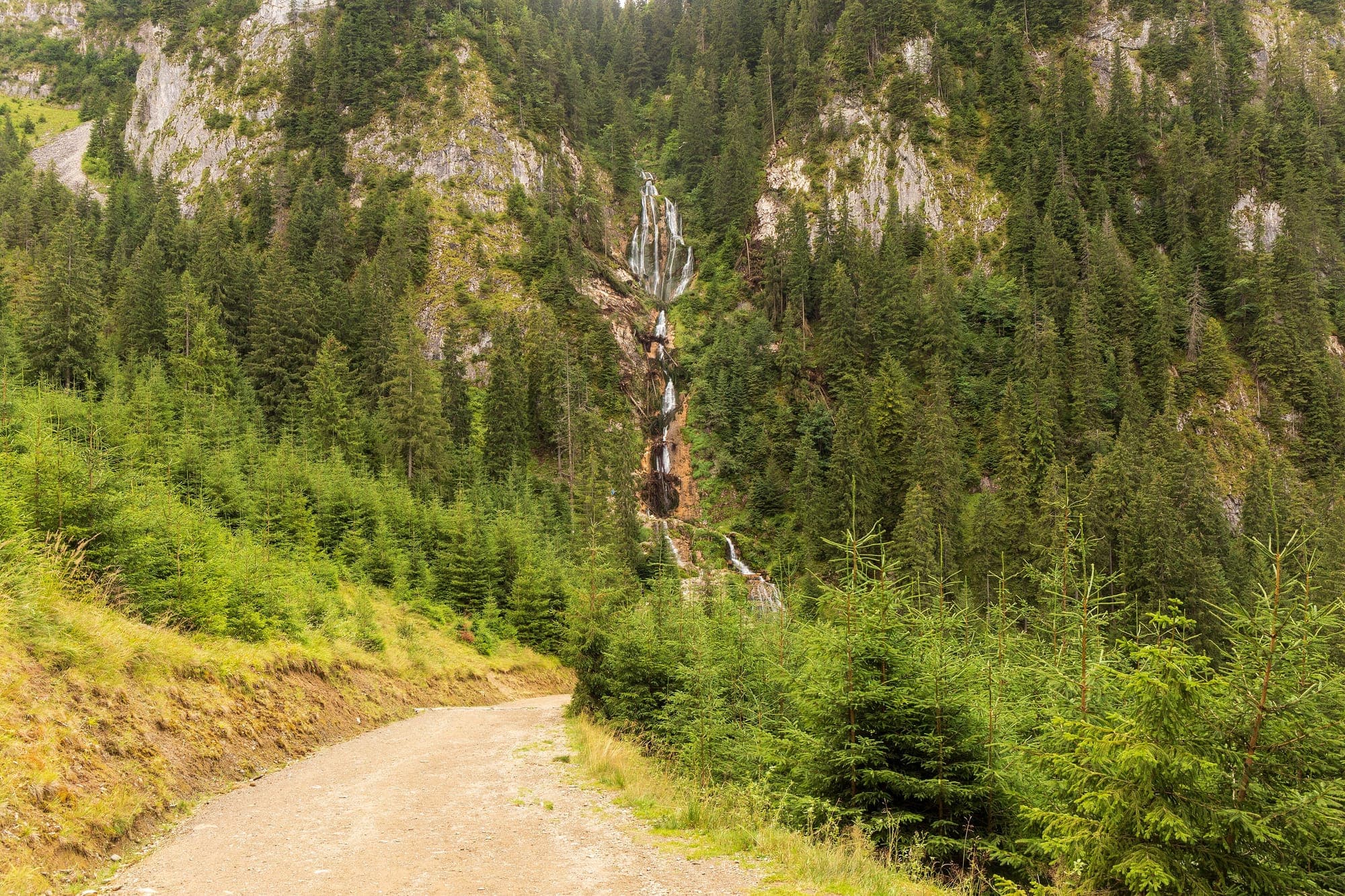
Marked trails lead from the pass to the Cailor Waterfall and Borșa, and to Toroiaga peak in the Maramureș Mountains.
Good to know
The road is open all year, but above 1,400 m snow and ice arrive from October to April, sometimes later. "Hora la Prislop", the folk festival traditionally held at the pass in the second half of August, has not taken place every year recently: check the announcements before travelling specially for it.
- The view of the Rodna ridge from the saddle of the pass, with snow on the peaks until early summer.
- Prislop Monastery, with its church at the pass and the cemetery of soldiers who fell in the two world wars.
- The DN18 hairpins between Borșa and the pass, seen from above, with spruce forest and the pastures above it.
- The descent down the Golden Bistrița valley to Cârlibaba, through villages of wooden houses.
- The red-triangle trail from the pass to the Cailor Waterfall, if you have a few hours to walk.
Good to know before you go
- Getting there
By car: from Maramureș, take the DN18 via Sighetu Marmației and Vișeu de Sus to Borșa, then climb another ~23 km to the pass (~100 km from Sighetu Marmației, about 2h30). From Bukovina, from Vatra Dornei on the DN17 to Iacobeni, then the DN18 through Cârlibaba (~65 km, about 1h30 to the pass). The crossing from Borșa to Cârlibaba is about 55 km and takes around an hour and a half without stops. The road is paved, with hairpins on the Maramureș side; fill up in Borșa or Vatra Dornei.
Public transport: minibuses and buses run to Borșa from Baia Mare and Sighetu Marmației, and trains go as far as Vișeu de Jos, where you change to a minibus. Over the pass itself public transport is rare or non-existent; in practice you cross by car, motorbike or bicycle.
- Where to park
At the pass there is a large parking area on the roadside and in front of the monastery, where almost everyone passing stops; the guesthouses and eateries at the pass also have spaces for customers. On the hairpins, stop only in the wider spots, never on the carriageway.
- Fees & discounts
The road is public and free, with no toll. The road vignette (rovinieta) is compulsory on the DN18 outside built-up areas.
- Rules
In winter drive only on winter tyres and allow for the road being closed temporarily in heavy snow. On the hairpins do not stop on the carriageway for photos. At the monastery dress modestly, with shoulders and knees covered. On the mountain trails from the pass stay on the waymarked routes, wear proper mountain gear and remember that the weather turns quickly above 1,400 m.
- Facilities
Prislop Monastery, with its church open to visitors · guesthouses and eateries at the pass · accommodation, restaurants and petrol stations in Borșa · waymarked trails to the Cailor Waterfall and Toroiaga
Frequently asked questions about Prislop Pass
- How much is a ticket to Prislop Pass?
- Admission to Prislop Pass is free (public road, no toll). The road is public and free, with no toll. The road vignette (rovinieta) is compulsory on the DN18 outside built-up areas.
- What are the opening hours of Prislop Pass?
- Opening hours at Prislop Pass: daily open 24 hours. The national road is open at all times, with no seasonal closure. In winter and spring (in 2026 it snowed at the pass as late as April) road crews work with ploughs and grit, but in heavy snowfall traffic can be slowed or temporarily stopped; you need winter tyres, and it is worth checking road conditions on the CNAIR road authority's website or with Infotrafic before setting off.
- How long does a visit to Prislop Pass take?
- A visit to Prislop Pass takes about 1½ – 2 hours (Borșa–Cârlibaba, with one stop).
- Can you visit Prislop Pass with kids?
- Yes, Prislop Pass is suitable for children (warm clothes, changeable weather).
- Where can I park at Prislop Pass?
- There is free parking at Prislop Pass (at the pass, by the monastery). At the pass there is a large parking area on the roadside and in front of the monastery, where almost everyone passing stops; the guesthouses and eateries at the pass also have spaces for customers. On the hairpins, stop only in the wider spots, never on the carriageway.
- How do I get to Prislop Pass?
- Prislop Pass is located at DN18, between Borșa and Cârlibaba (Șesuri village), about 23 km from central Borșa, Maramureș County. By car: from Maramureș, take the DN18 via Sighetu Marmației and Vișeu de Sus to Borșa, then climb another ~23 km to the pass (~100 km from Sighetu Marmației, about 2h30). From Bukovina, from Vatra Dornei on the DN17 to Iacobeni, then the DN18 through Cârlibaba (~65 km, about 1h30 to the pass). The crossing from Borșa to Cârlibaba is about 55 km and takes around an hour and a half without stops. The road is paved, with hairpins on the Maramureș side; fill up in Borșa or Vatra Dornei. Public transport: minibuses and buses run to Borșa from Baia Mare and Sighetu Marmației, and trains go as far as Vișeu de Jos, where you change to a minibus. Over the pass itself public transport is rare or non-existent; in practice you cross by car, motorbike or bicycle.
- When is the best time to visit Prislop Pass?
- The best season for Prislop Pass: May – October (open in winter too, with snow).
Reviews
Other attractions nearby
The closest attractions to Prislop Pass, sorted by distance.
 Top 1006 km from Prislop Pass
 52 km from Prislop Pass