 Top 20
Slănic Prahova Salt Mine
Slănic, PH
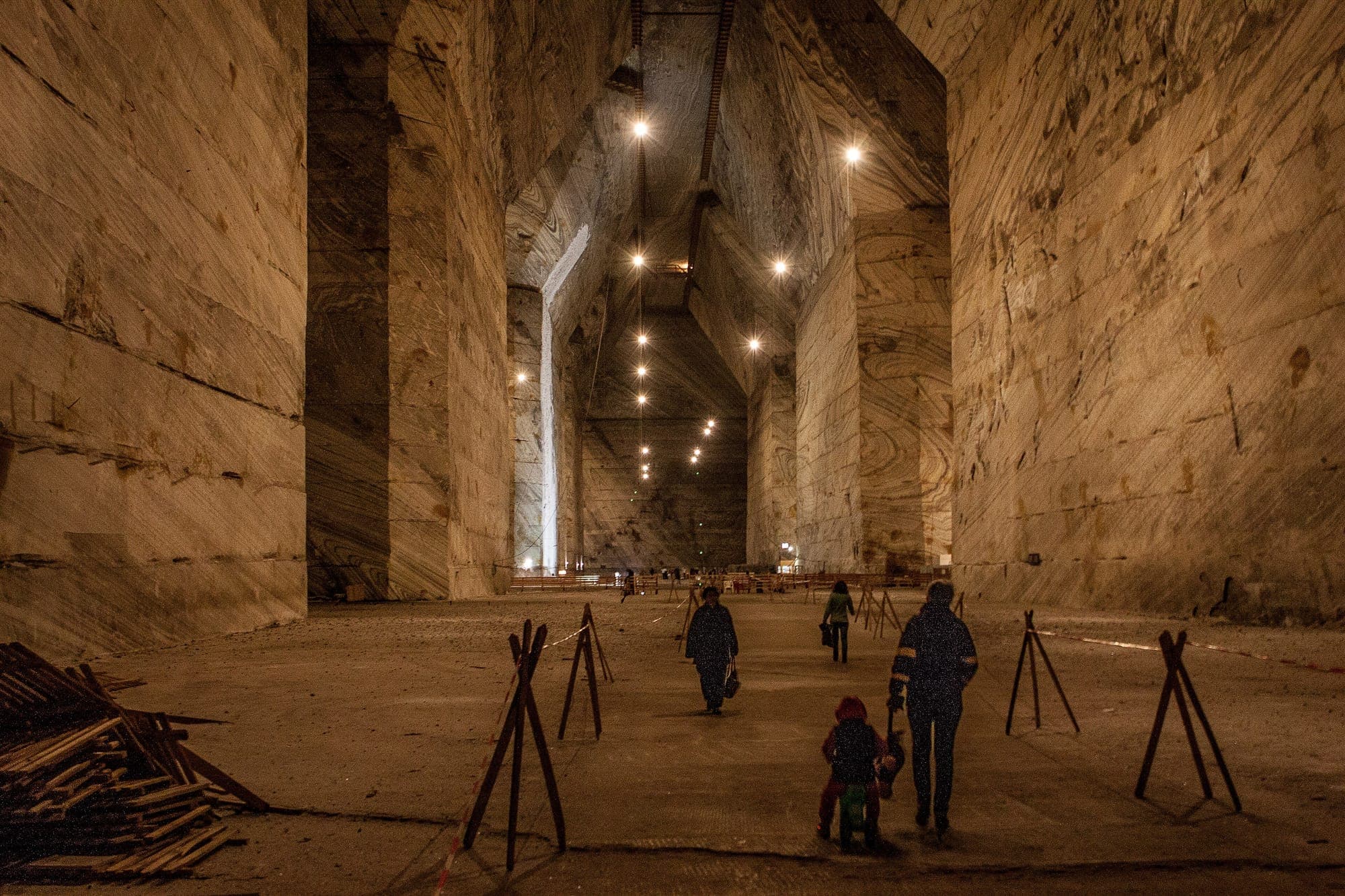
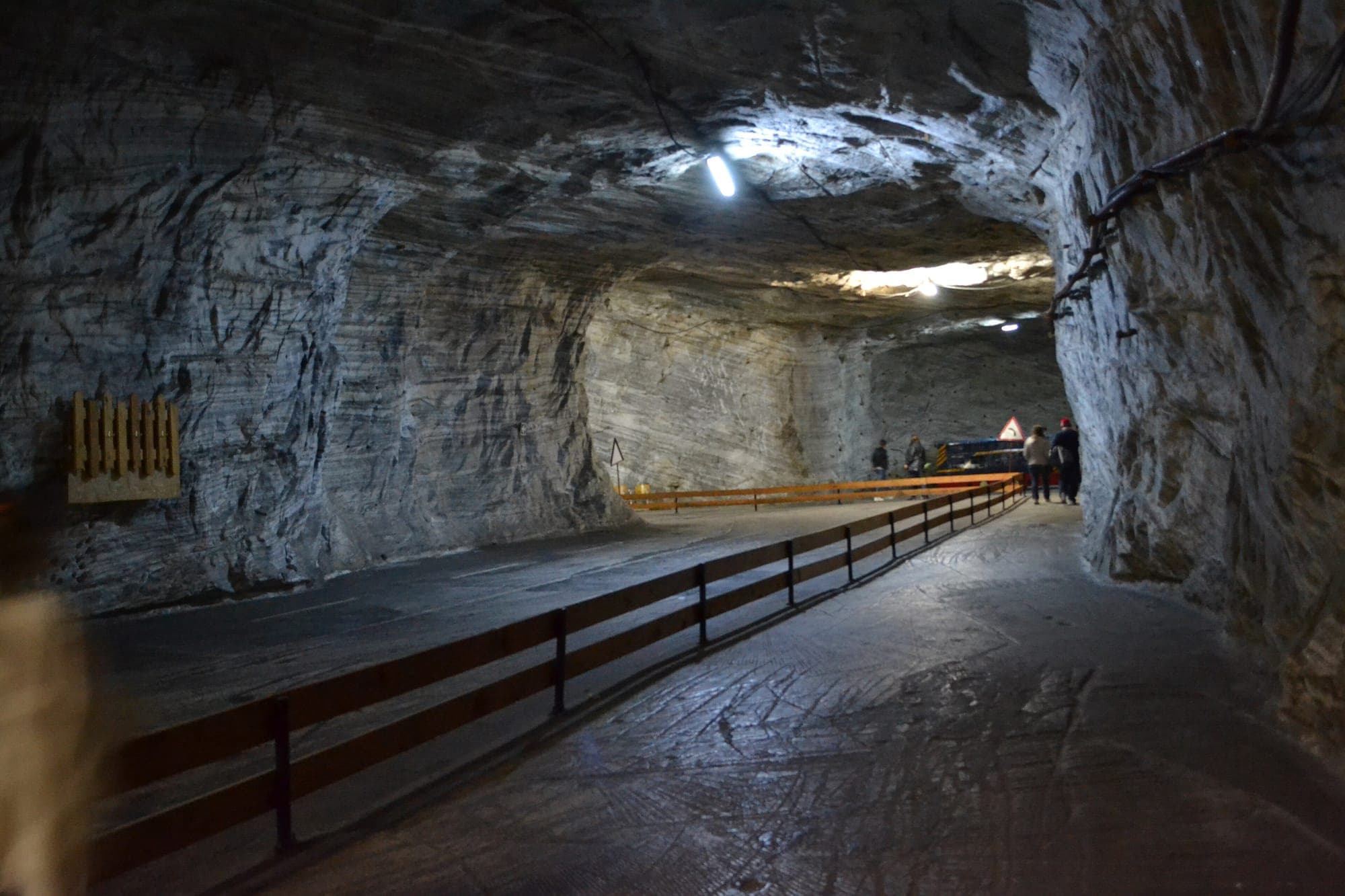
The Unirea mine, dug between 1938 and 1970, is a string of 14 salt halls over 50 m high, 208 m underground, which you reach by minibus; 100 km from Bucharest.
Salt mines
Open now2 – 2½ hours60 lei
Salt has been mined in the Carpathians since before the Romans, and the salt mines of Romania that are open to the public are former mines which you descend by lift, by bus or by stairs to galleries several tens of metres high. The air down there, with its constant temperature and no allergens, turned them into treatment places for respiratory conditions, then into leisure spaces with sports grounds and underground lakes. They are concentrated in Transylvania, on an arc from Dej to Praid, but there are some in Moldavia and Wallachia too. Above many of them lie the salt lakes of old collapsed mine shafts, good for bathing in summer.
Turda Salt Mine is the best known, with its Ferris wheel and underground lake; Praid Salt Mine is the salt mine of Szeklerland. Slănic Prahova Salt Mine impresses with the huge chamber of the Unirea mine, Cacica Salt Mine in Bukovina has hand-carved galleries and a chapel, and Târgu Ocna Salt Mine in Moldavia has a church 240 m underground. For bathing in salt lakes: Ocna Sibiului.
Top 20The Unirea mine, dug between 1938 and 1970, is a string of 14 salt halls over 50 m high, 208 m underground, which you reach by minibus; 100 km from Bucharest.
 Top 20
A salt mine worked from the Middle Ages until 1932 and turned into a spectacular underground park: a Ferris wheel, a lake with rowing boats, an amphitheatre and salt walls 120 m below ground, near Cluj.

A modern spa complex in Ocna Mureș, opened in 2023, with heated salt-water and fresh-water pools, saunas and treatments. It is above ground only: the old salt mine cannot be visited.

A lido with two salt lakes formed where old salt mines caved in, 24 km from Cluj-Napoca, plus an indoor pool of warm salt water that stays open all year.
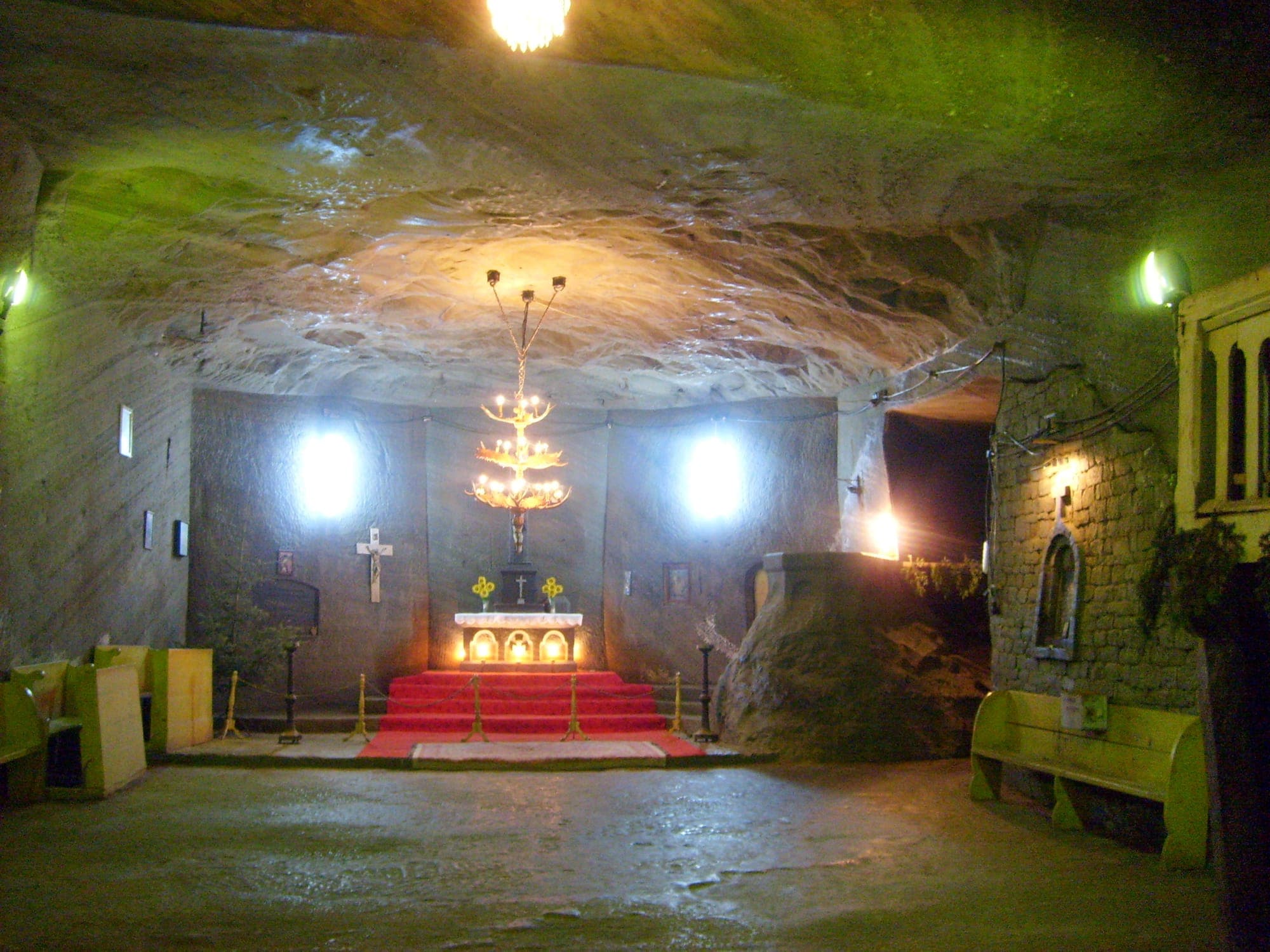
A salt mine opened by the Austrians in 1791 with miners brought from Galicia: 192 fir steps lead down to a chapel carved in salt, a salt lake and a ballroom 42 m below ground.

A summer lido on two salt lakes formed in collapsed old salt pits, 100 m from the Durgău entrance of the Turda Salt Mine. The very salty water keeps you afloat; the mine is visited separately.

A working salt mine near Dej, where salt has been dug since Roman times, with an Orthodox church carved into the salt about 80 m down. Not currently open to visitors.
 Top 100
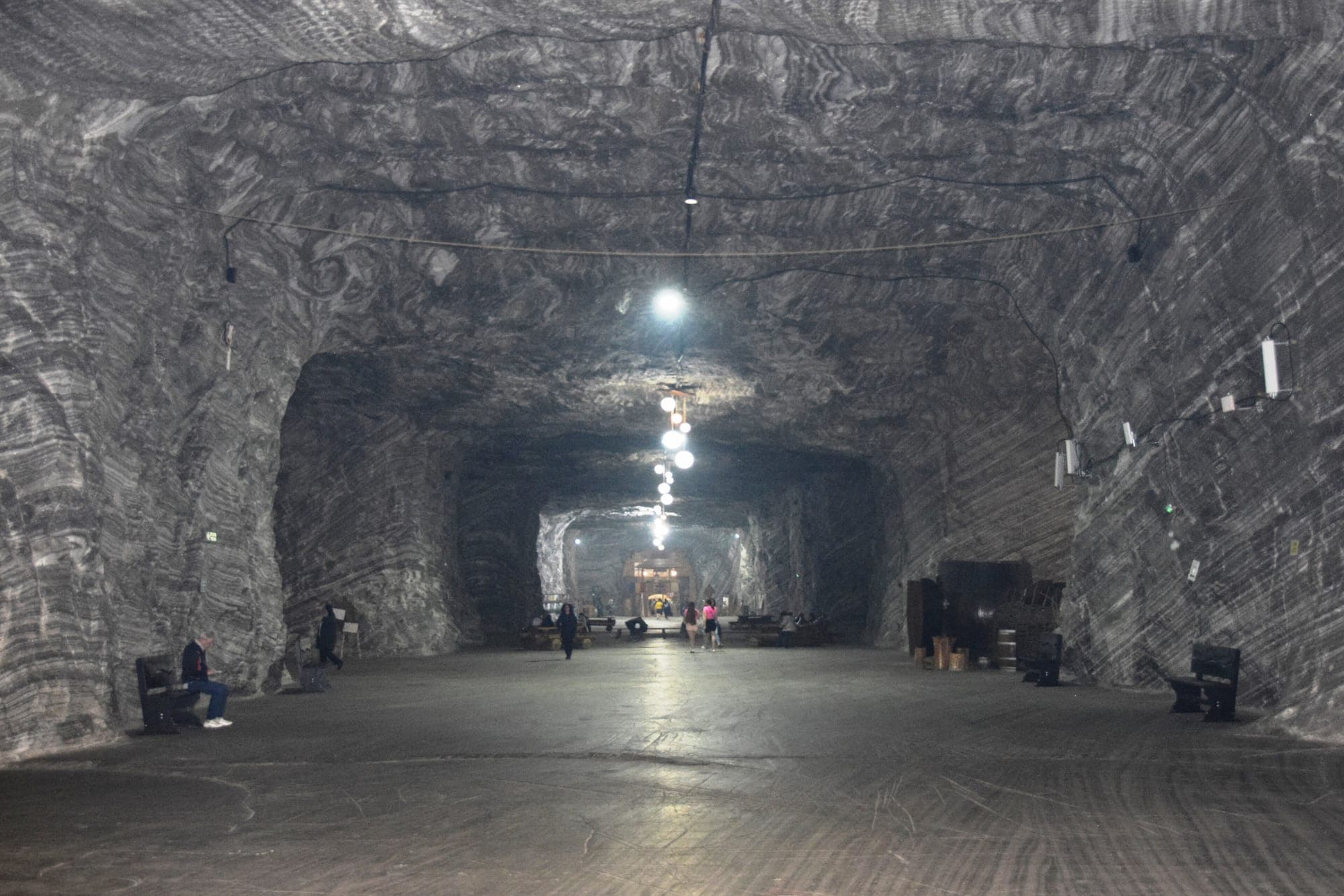
A working salt mine near Râmnicu Vâlcea that you enter by bus through a tunnel: huge galleries with swirling salt walls, sports courts, an ice rink and the country's largest underground church.
 Top 100
The salt mine of the Land of Salt, with huge leisure and treatment halls 120 m underground, once Romania's most visited. Closed indefinitely since the flood of May 2025.
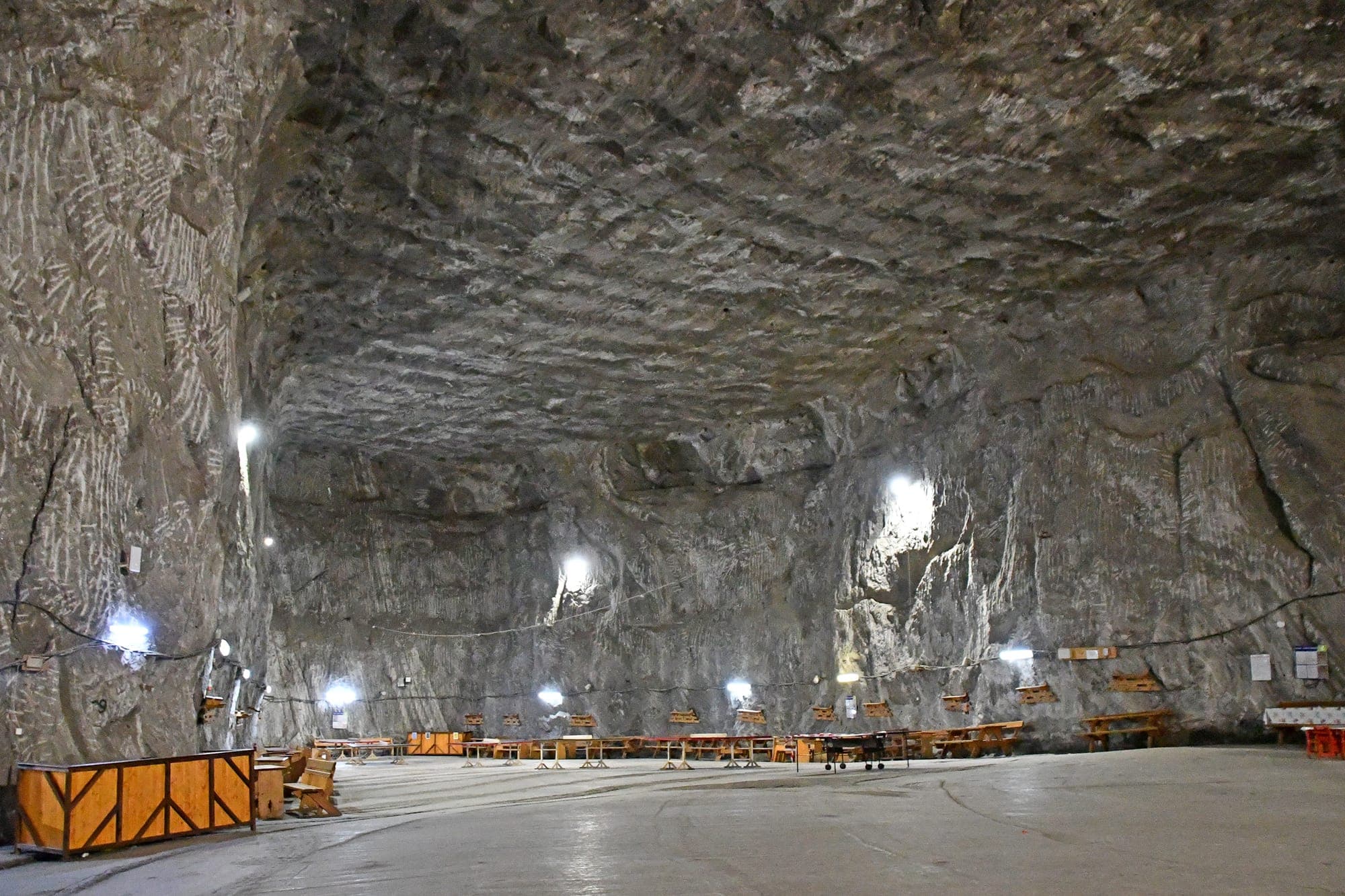
One of Moldavia's oldest salt mines, still being worked: a bus takes you through a tunnel over 3 km long to 240 m below ground, to a salt church, a lake with a waterfall and sports courts.
Salt lakes formed over the old salt mines of Telega, near Câmpina: in summer you swim in water holding almost 277 g of salts per litre. The mine galleries cannot be visited.

Turda's historic lido, on the Roman Lake, a salt lake formed in old salt workings in the Băile Sărate district. The town's spa was born here around 1840.
 Top 100
A spa resort 15 km from Sibiu with salt lakes formed where old salt mines caved in: in summer you swim in water that keeps you afloat, between white banks of salt.

A spa resort in Maramureș with salt lakes that formed on the surface above old salt mines, including Lake Gavril, 30 m deep; salt-water bathing happens in the pools of the local complexes.
Top 20Top 20Top 100Top 100Top 100