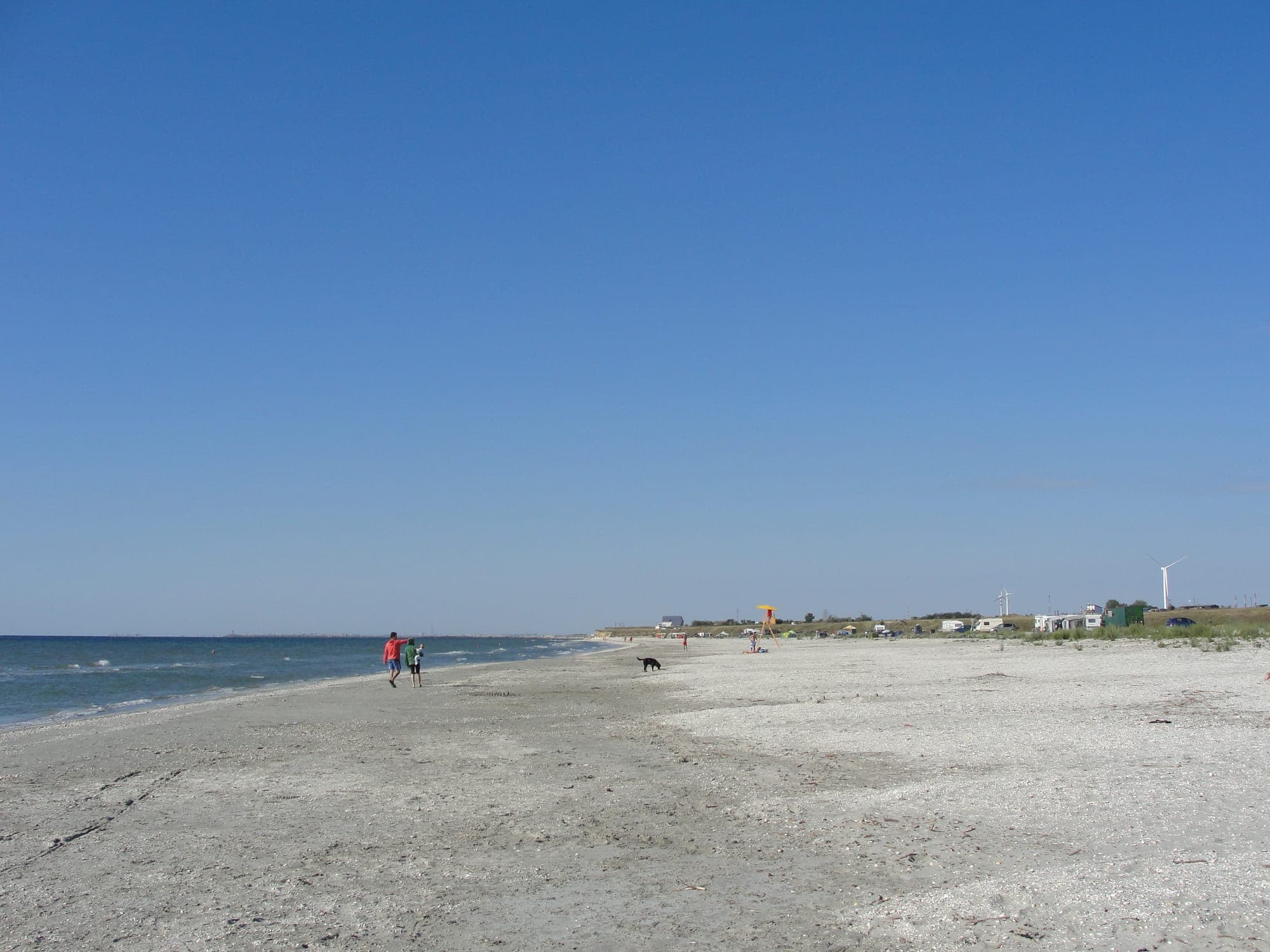
A wild beach of shell-strewn sand at the village of Vadu, inside the Danube Delta Biosphere Reserve: low dunes, not a single building and an earth track down to the sea.
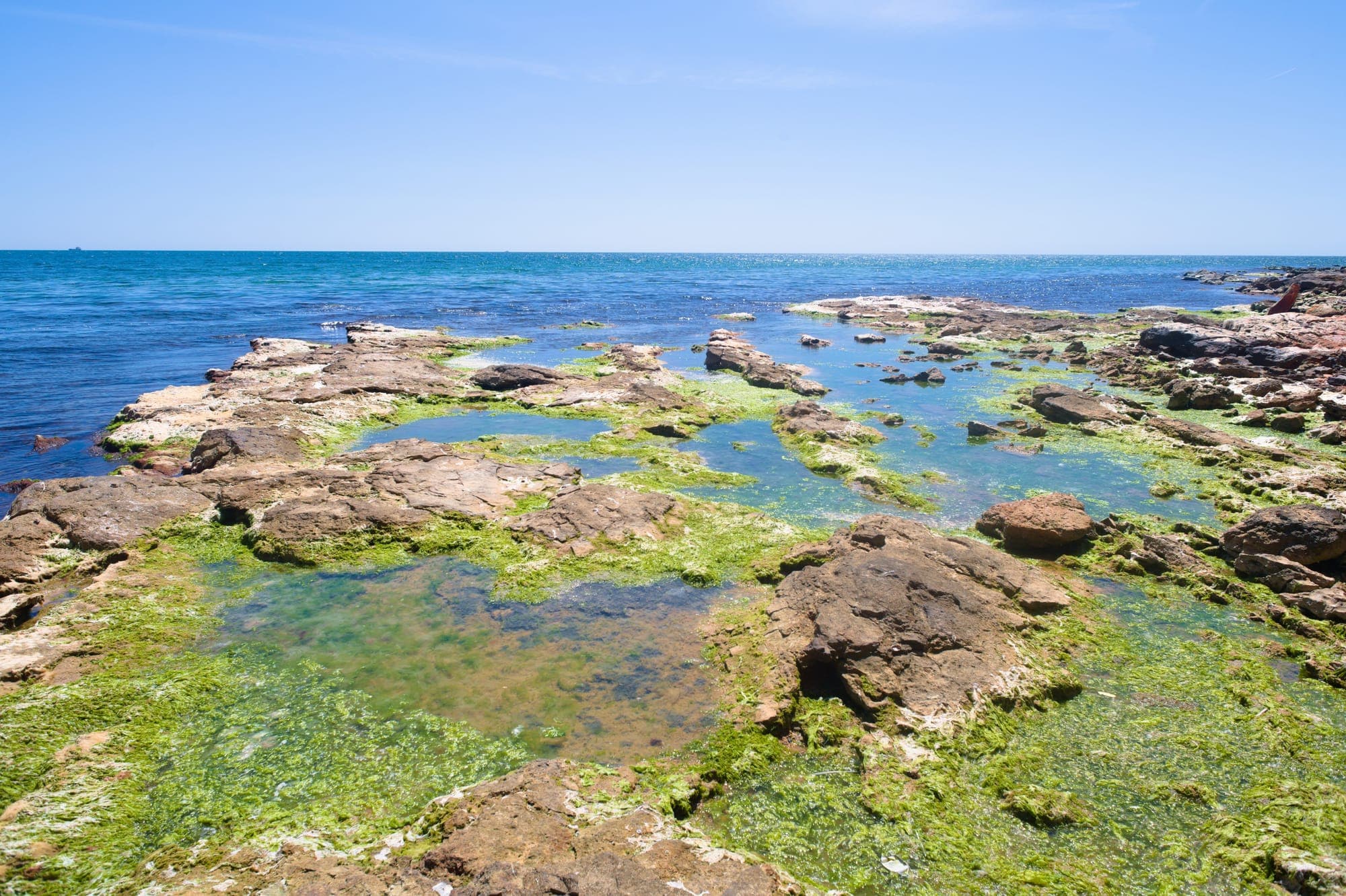
The only marine reserve on the Romanian coast: the waters between 2 Mai and the Bulgarian border, with stone reefs, brown seaweed beds and mussel banks to see with a mask or on a dive.
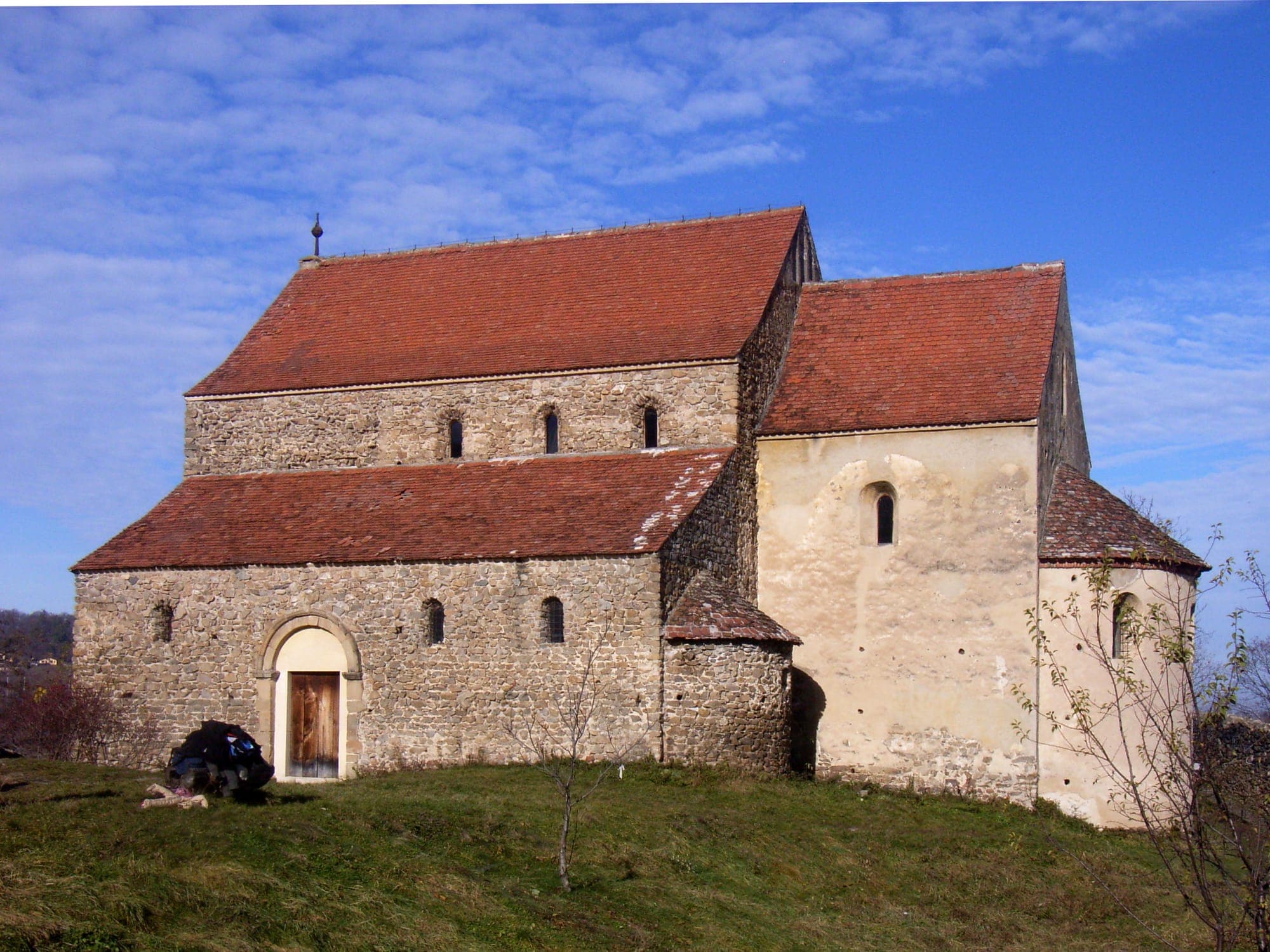
A Romanesque basilica from the turn of the 12th and 13th centuries, left almost unaltered, on the rocky top of St Michael's Hill, ringed by a defensive wall and looking out to the Făgăraș Mountains.
Monasteries and churchesFortresses and fortifications
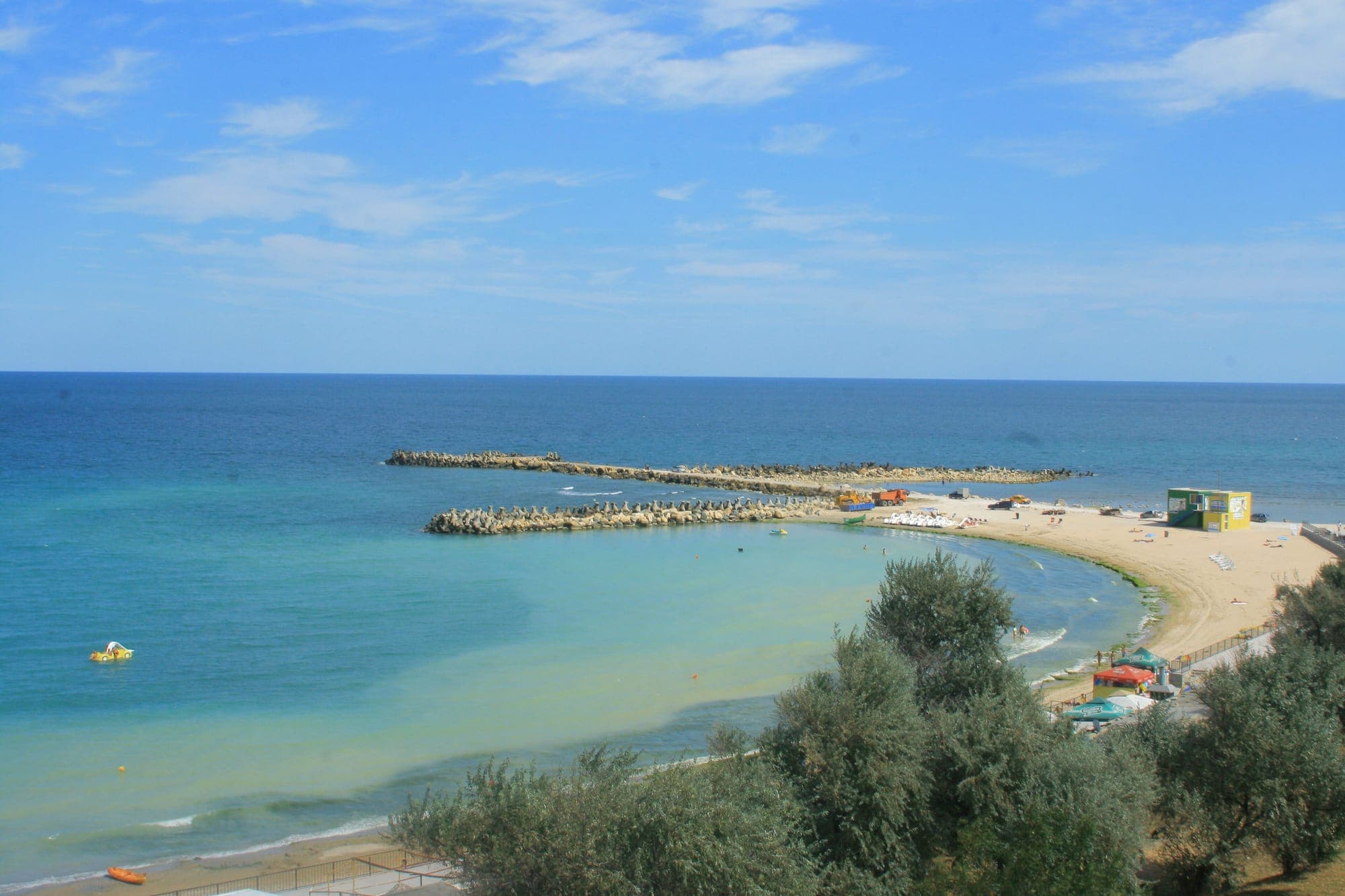
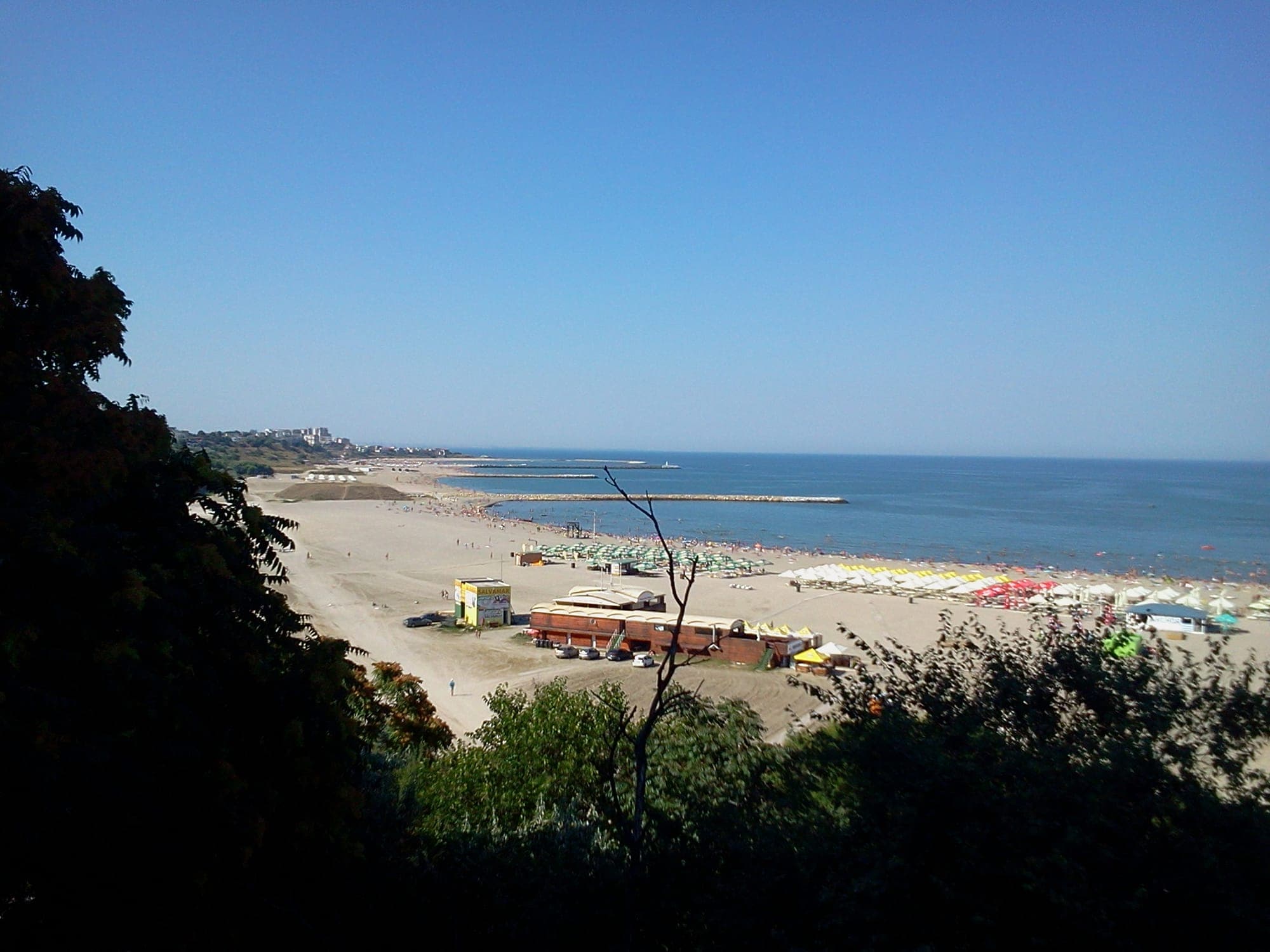
The resort where Romanian spa tourism began, on the highest cliff of the coast: interwar villas, an Art Deco casino and a beach recently widened to over a hundred metres.
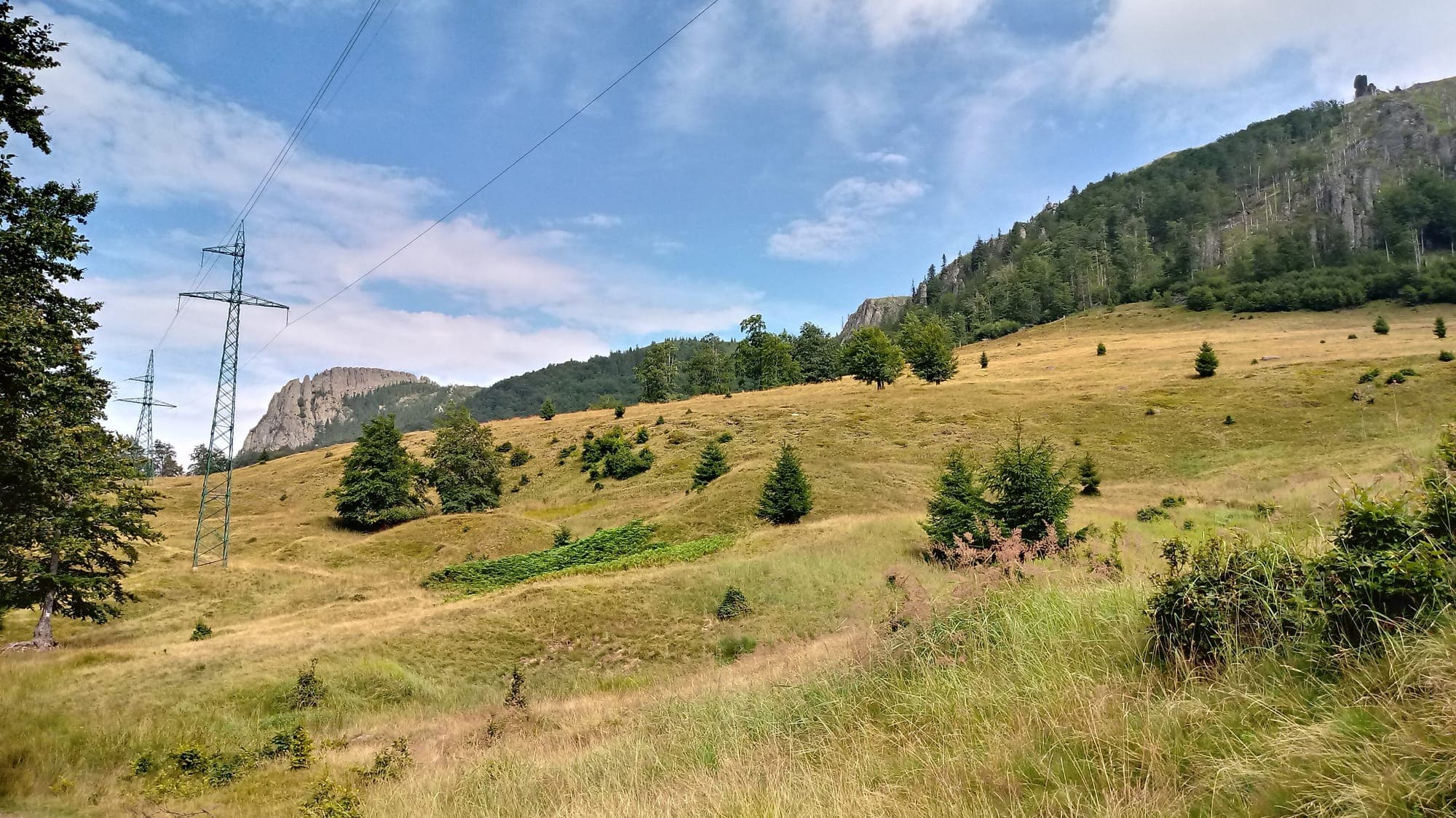
The pass where the DN18 climbs in hairpins from Baia Sprie to 987 m between the Igniș and Gutâi Mountains, then drops towards Mara and the Maramureș Land, an hour from Baia Mare.
The DN7A climbs 108 km from Brezoi up the Lotru valley, through Voineasa and past Lake Vidra to Obârșia Lotrului, then crosses the Groapa Seacă Pass and drops through the Jieț Gorge to Petroșani.
A modern spa complex in Ocna Mureș, opened in 2023, with heated salt-water and fresh-water pools, saunas and treatments. It is above ground only: the old salt mine cannot be visited.
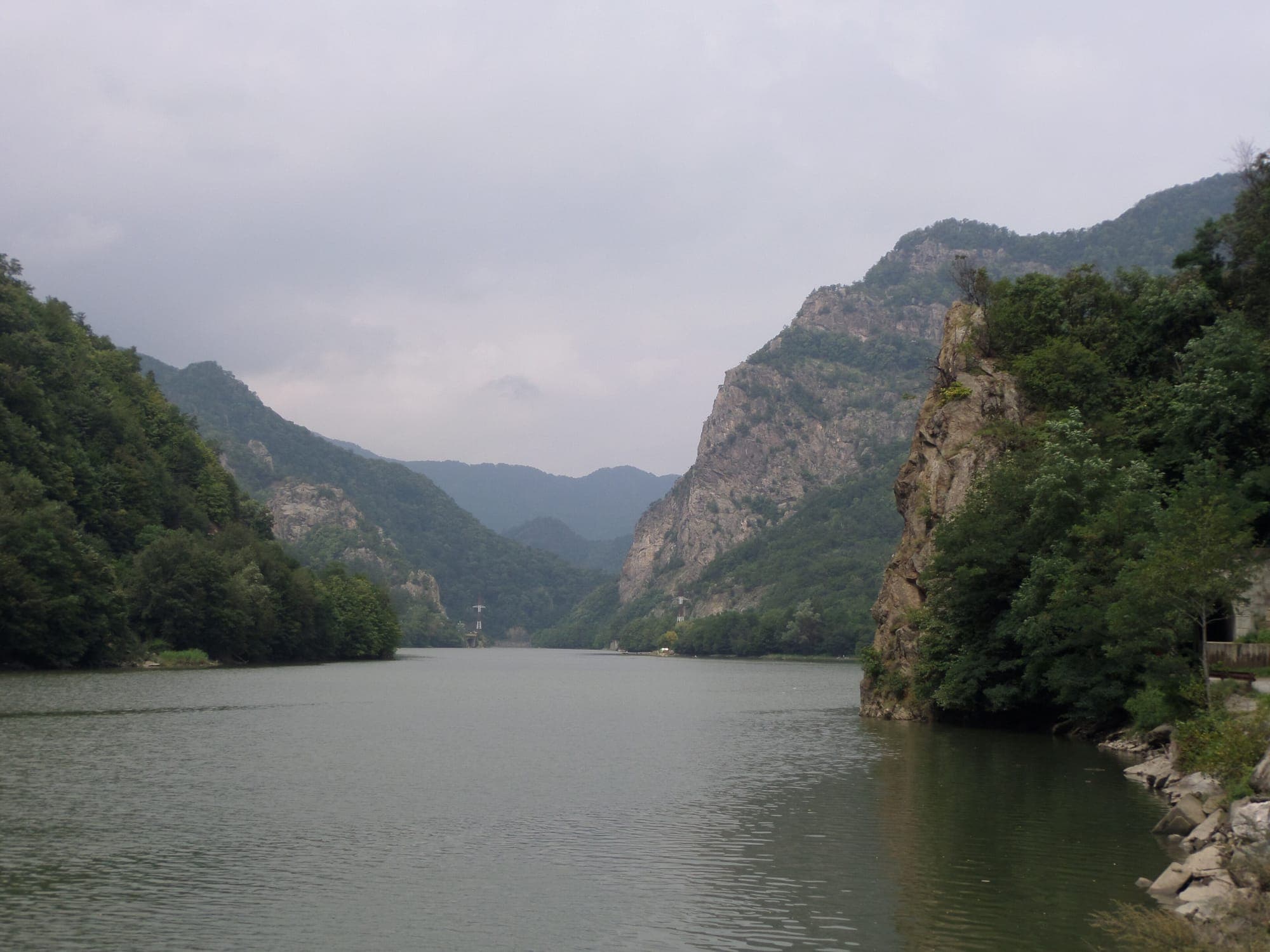
The 47 km gorge by which the Olt crosses the Carpathians: on the DN7, between Boița and Călimănești, the road follows the river past Cozia Monastery. A busy through route, not a leisure drive.
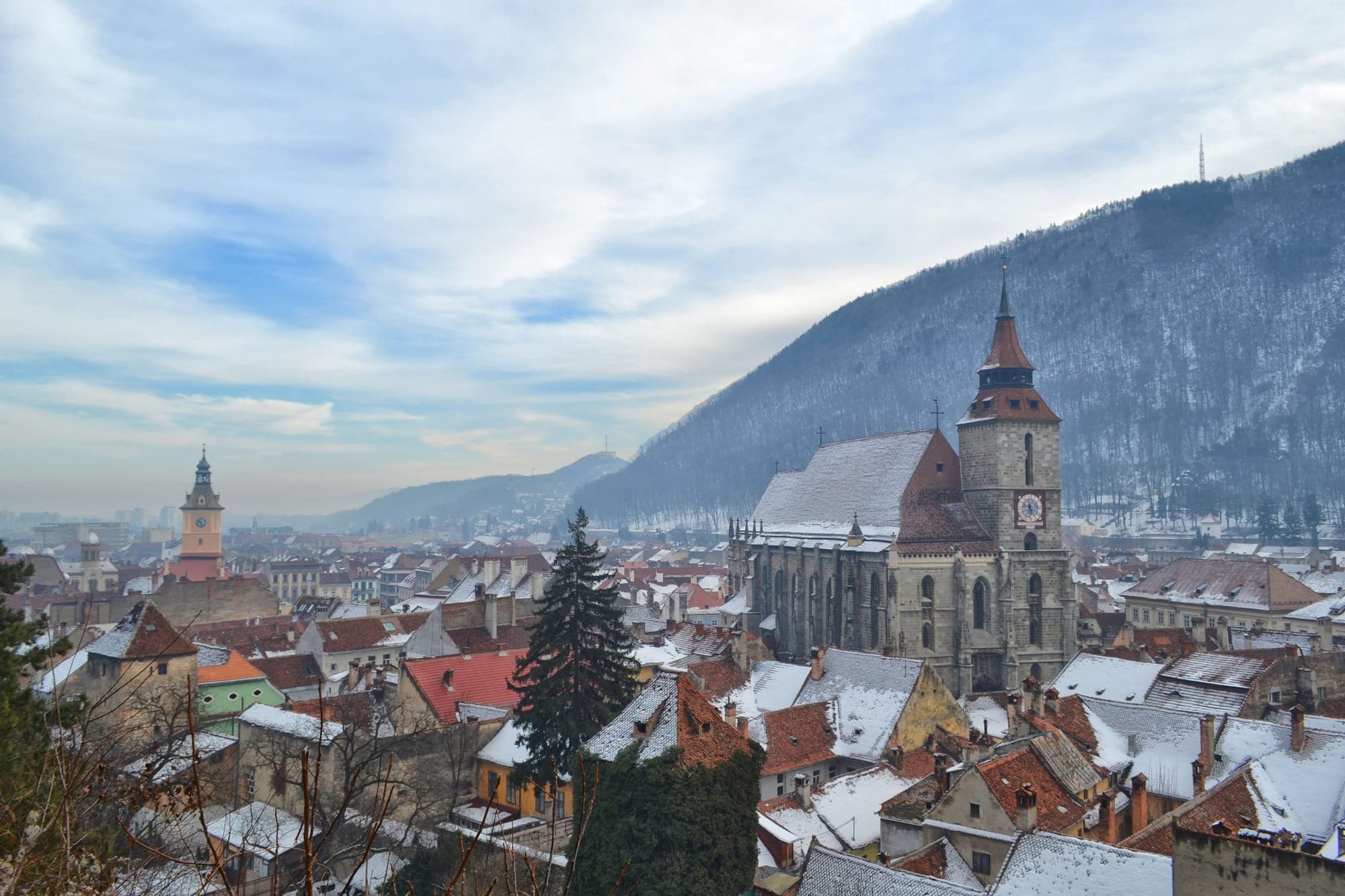
Romania's largest Gothic church, built by the Saxons of Brașov between 1383 and 1477; inside are the 1839 Buchholz organ and a rare collection of Anatolian carpets.
Monasteries and churchesMonuments and historic sites
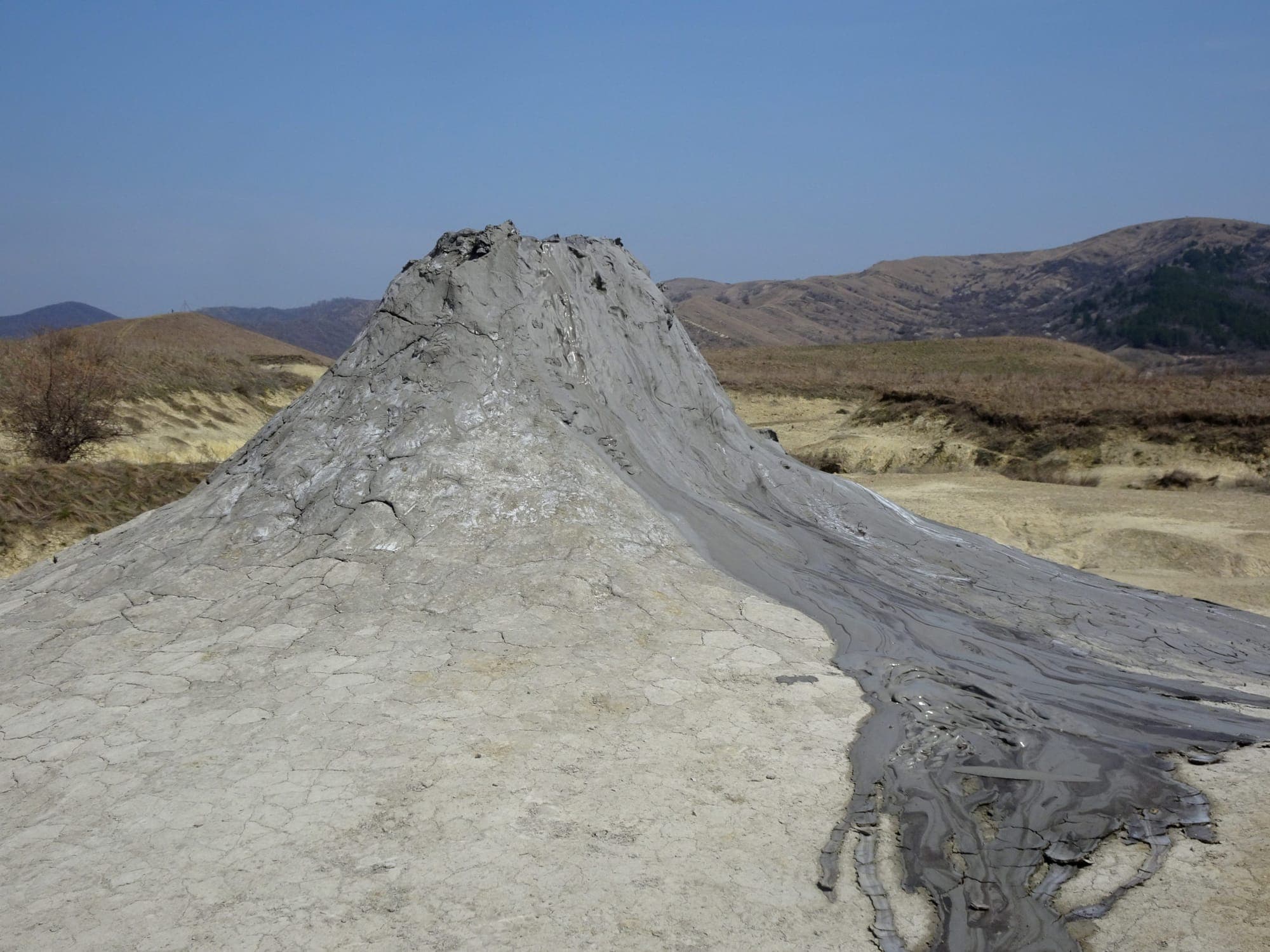
Two plateaus of cold-mud cones and craters, Pâclele Mari and Pâclele Mici, in a nature reserve in the Buzău Subcarpathians, with a lunar-landscape feel.
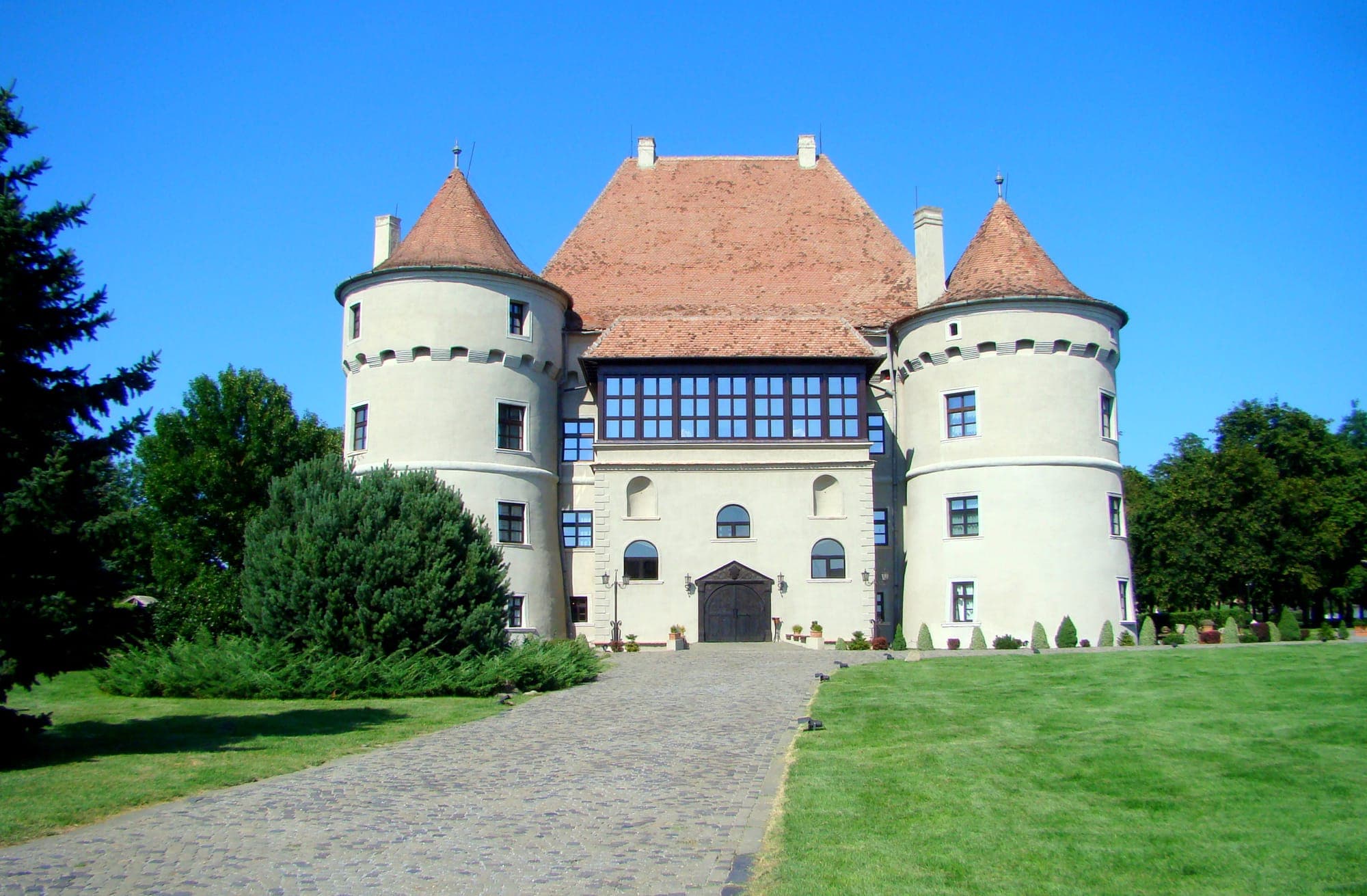
A Renaissance castle with four round towers, built by the Bethlen family on a hill above the Târnava Mică; today it is the emblem of Jidvei wines and is visited on hourly guided tours.
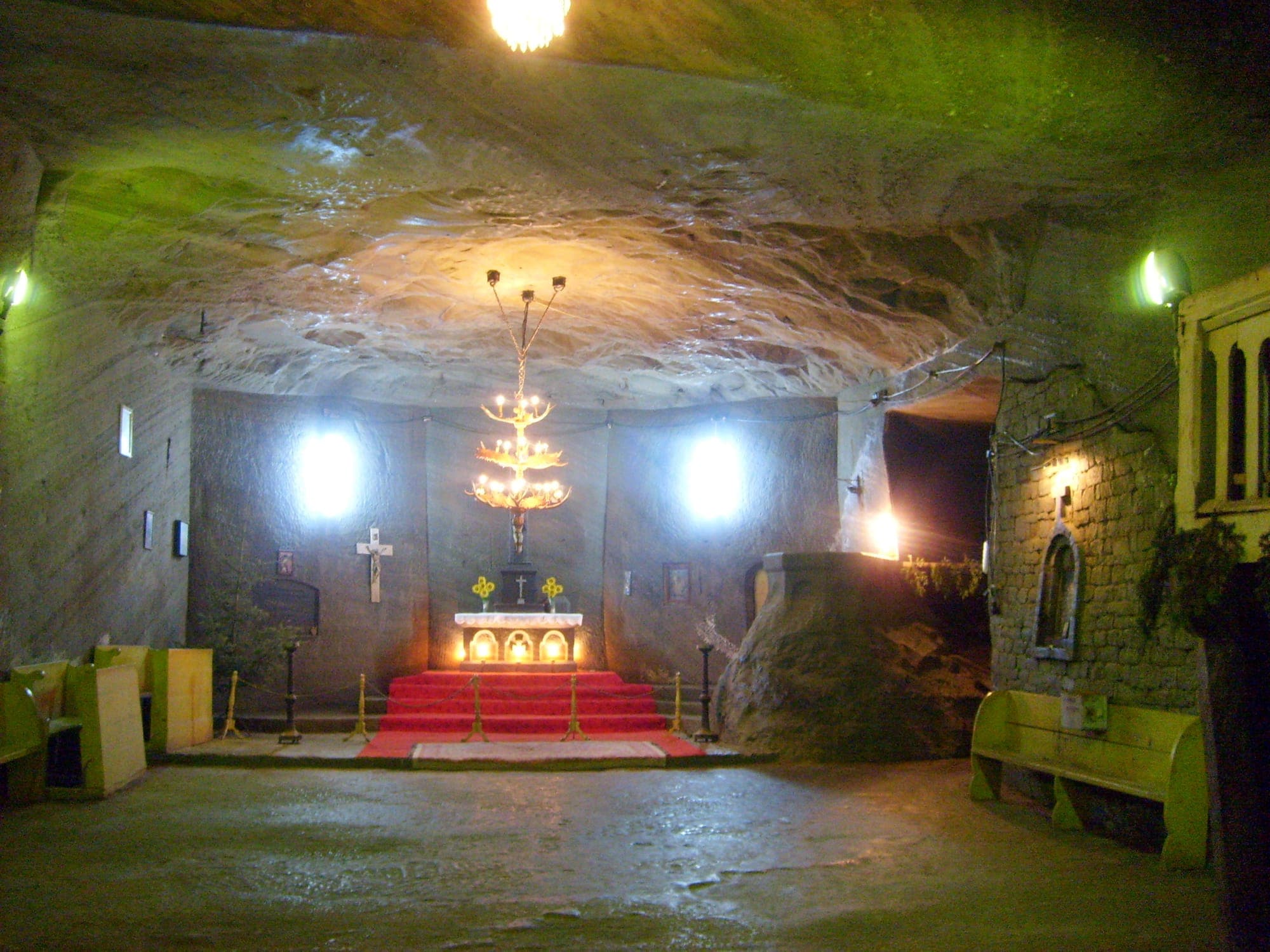
A salt mine opened by the Austrians in 1791 with miners brought from Galicia: 192 fir steps lead down to a chapel carved in salt, a salt lake and a ballroom 42 m below ground.
The city's own beaches, from the fish market down to the cliff below the old town: three and a half kilometres of replenished sand, with Modern, Trei Papuci and Tataia one after another.
The last wild beach at the southern edge of the Danube Delta Biosphere Reserve: shell-strewn sand, dunes and a low earth cliff, with no hotels, sunbeds or lifeguards.
The youth resort of the Romanian coast, 31 kilometres south of Constanța: an east-facing beach, the white obelisk on the sand and the rusting wreck of the cargo ship Evangelia.