
The University of Bucharest's botanical garden, in Cotroceni: more than 18 hectares with a rose garden, an Italian garden, a lake with an island, greenhouses with palms and orchids, and a botanical museum.
Parks and gardens
Closed1½ – 2 hours15 lei
The University of Bucharest's botanical garden, in Cotroceni: more than 18 hectares with a rose garden, an Italian garden, a lake with an island, greenhouses with palms and orchids, and a botanical museum.
The only marine dunes left on the Romanian coast, protected since 1939 in the grounds of the Agigea Marine Biological Station: rare sand plants, tortoises and a free themed trail.
 Top 20
Romania's largest bastion fortress, a seven-pointed star built by the Habsburgs in 1715–1738 at Alba Iulia; baroque gates, cathedrals, the Union Hall and a changing of the guard, all with free access.
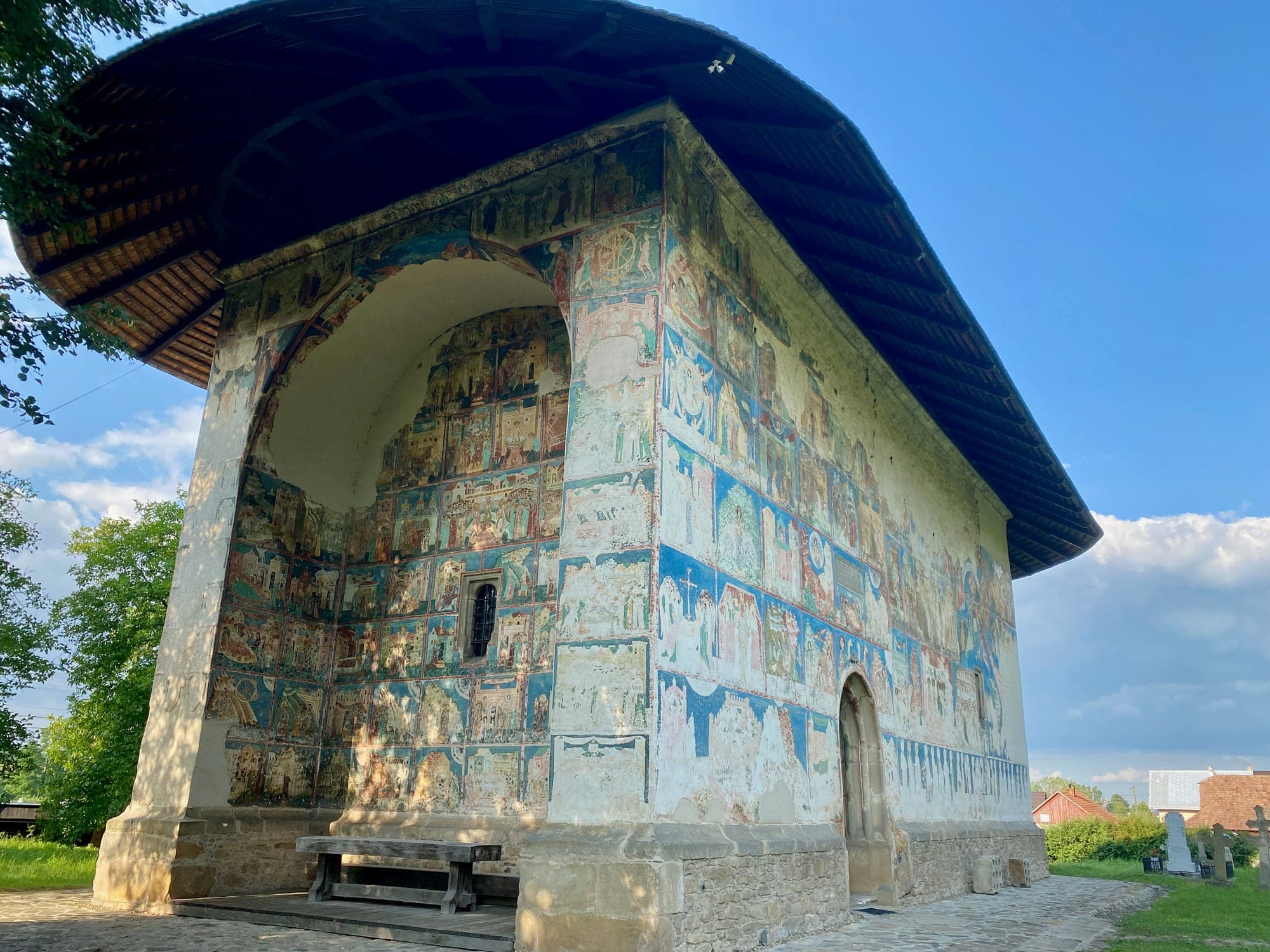
The church built in 1502 by Hetman Luca Arbore, with no tower and exterior frescoes from 1541 dominated by green; a UNESCO site, today the church of Arbore Monastery.
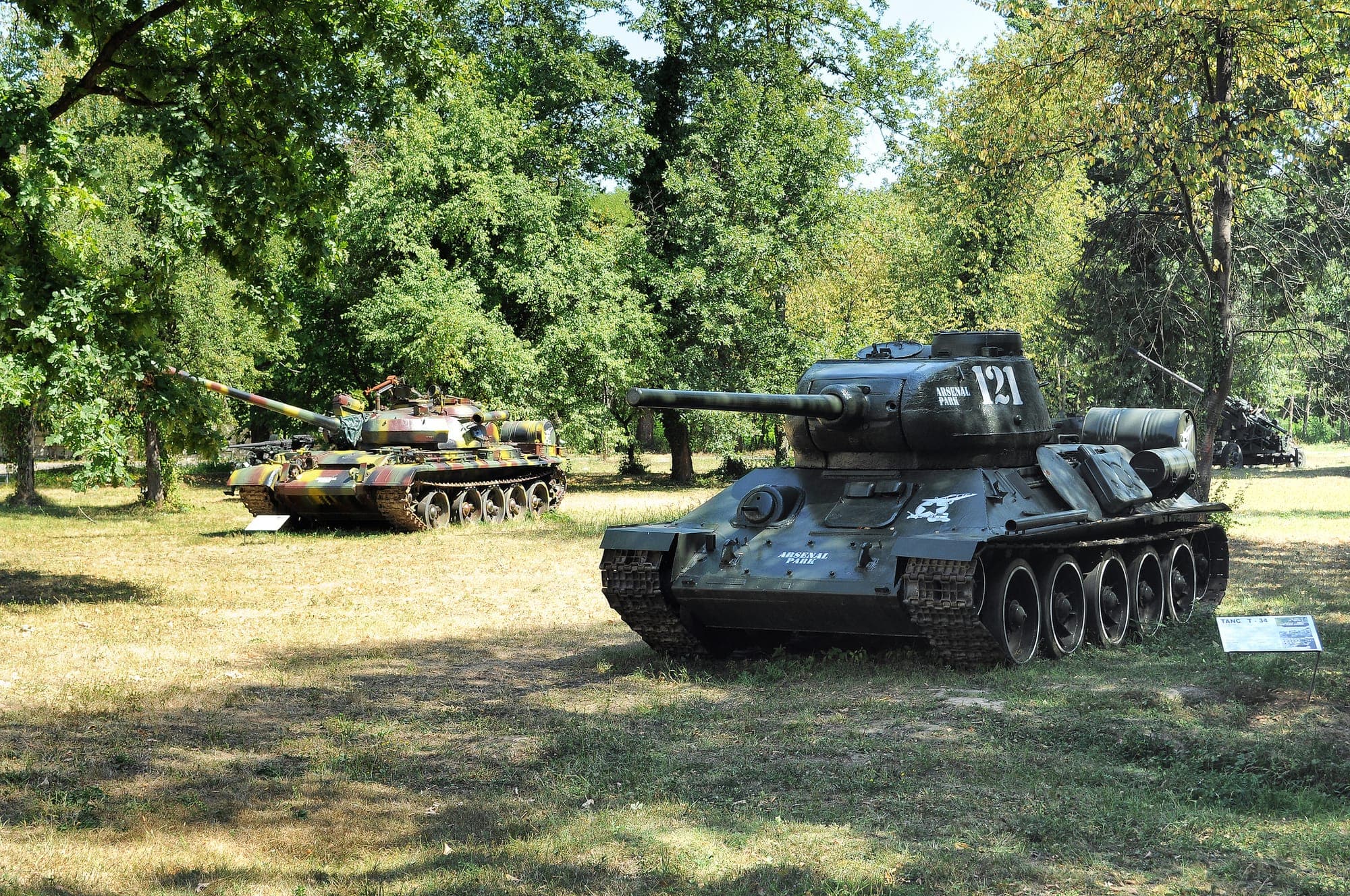
A military-themed park at Orăștie, on 88 hectares of forest: an open-air museum of military hardware, an adventure park, a 607 m zip line and a summer water park.

A lido with two salt lakes formed where old salt mines caved in, 24 km from Cluj-Napoca, plus an indoor pool of warm salt water that stays open all year.

The last stretch of free-flooding Danube floodplain between Giurgeni and Brăila: seven river islands, 52 lakes and over 200 bird species, reached only by boat.
 Top 100
Transylvania's largest Baroque aristocratic residence, gutted in 1944 and being brought back to life by an award-winning training site; neo-Gothic façade, lapidarium and an exhibition on Miklós Bánffy.
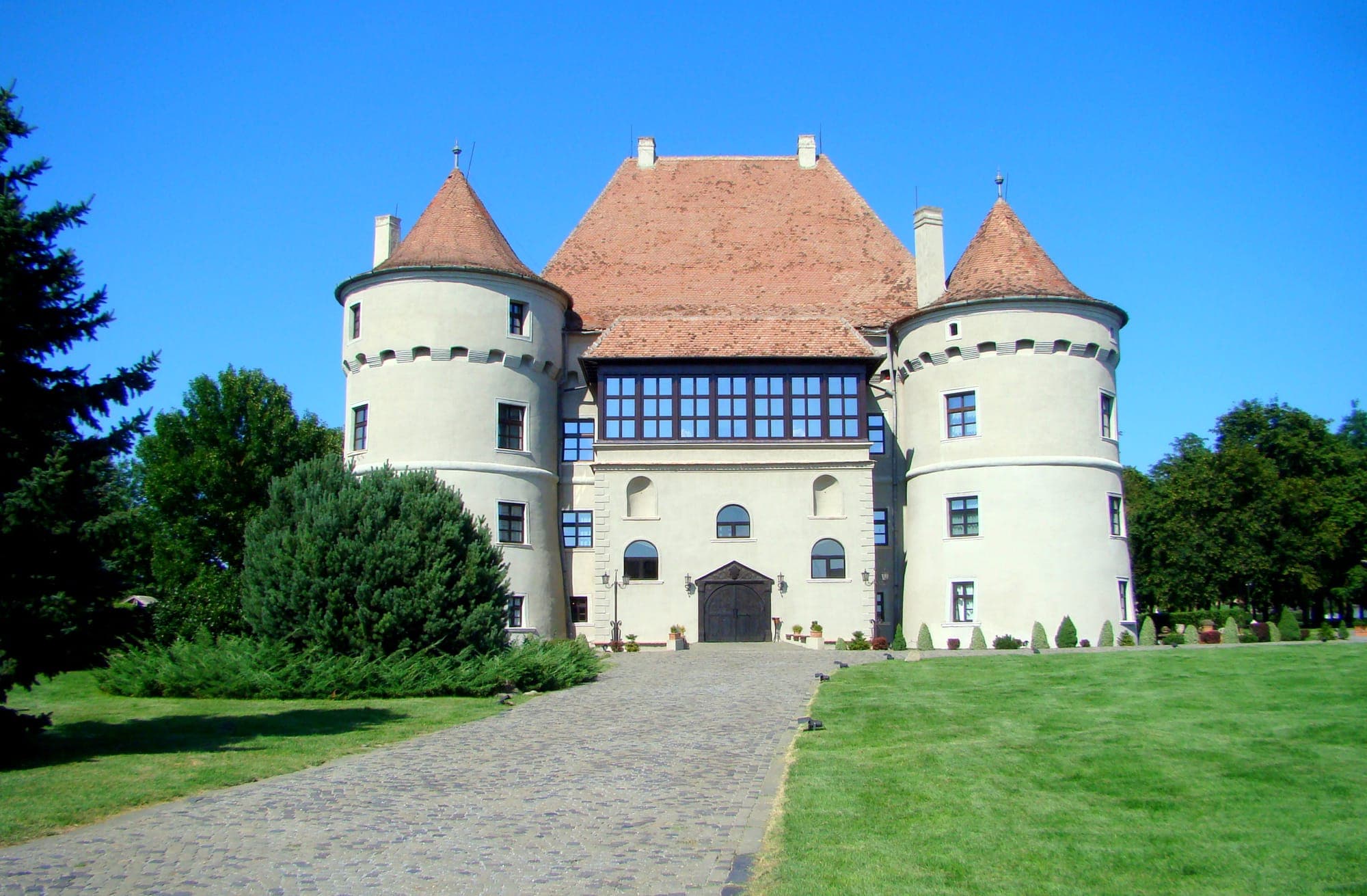
A Renaissance castle with four round towers, built by the Bethlen family on a hill above the Târnava Mică; today it is the emblem of Jidvei wines and is visited on hourly guided tours.
 Top 100
A moss-clad tufa waterfall whose water fans out in dozens of threads over green steps, in the beech forest of the Cheile Nerei–Beușnița National Park, an hour's walk beyond Ochiul Beiului Lake.

Orthodox monastery founded by Constantin Brâncoveanu below the Făgăraș Mountains: the church rebuilt in 1926–1946 on its old foundations, an icon museum and a new Brâncovenesc-style precinct.
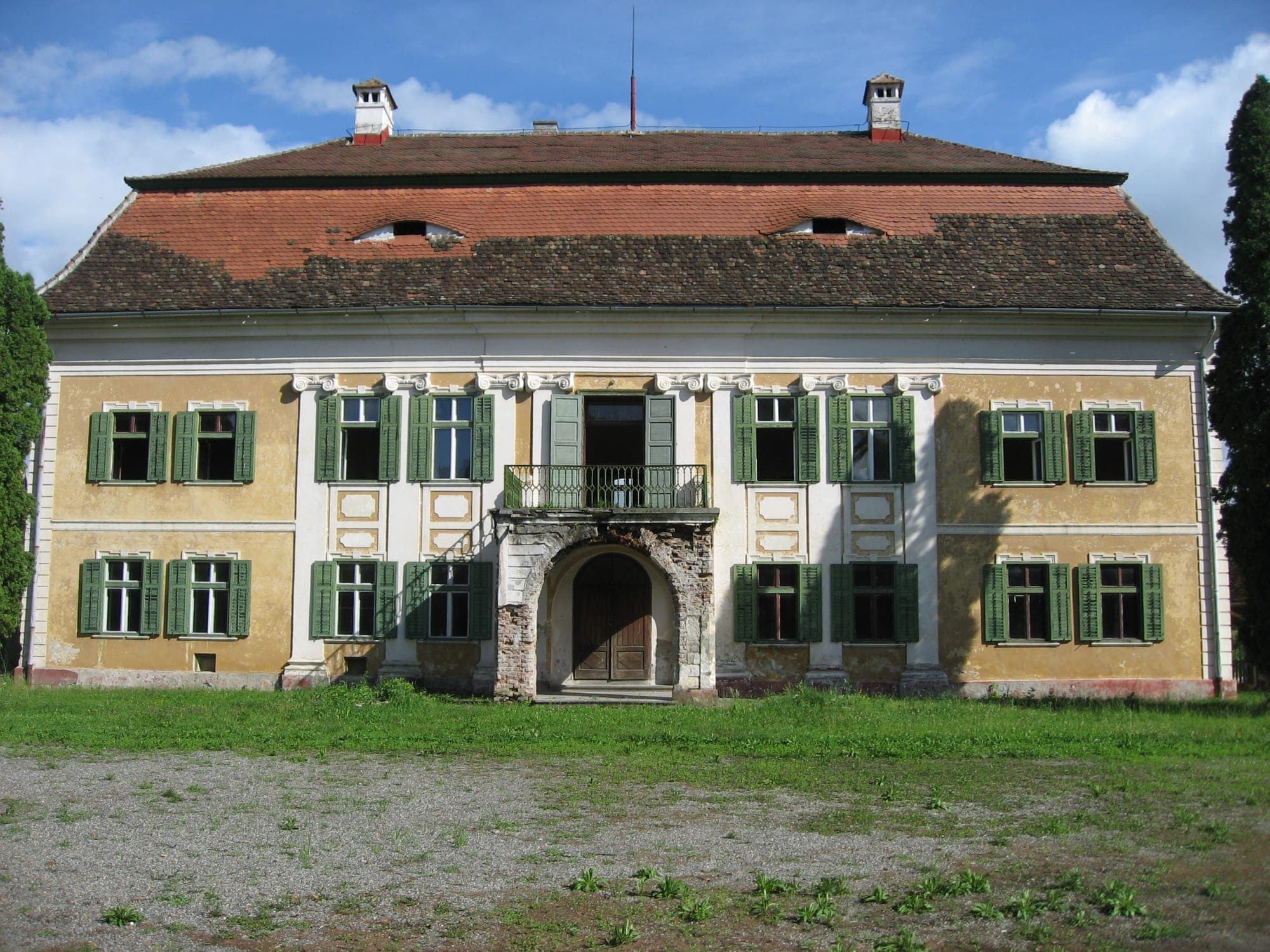
The summer residence of Baron Samuel von Brukenthal, governor of Transylvania, built in the Baroque style on a terrace above the Olt, with its Baroque garden, orangery and a small exhibition in the palace rooms.

A historic park laid out in 1900–1906 on Filaret Hill for the General Romanian Exhibition, with a lake, a monumental central avenue, the Zodiac Fountain and the Heroes of the Nation Memorial on the upper plateau.
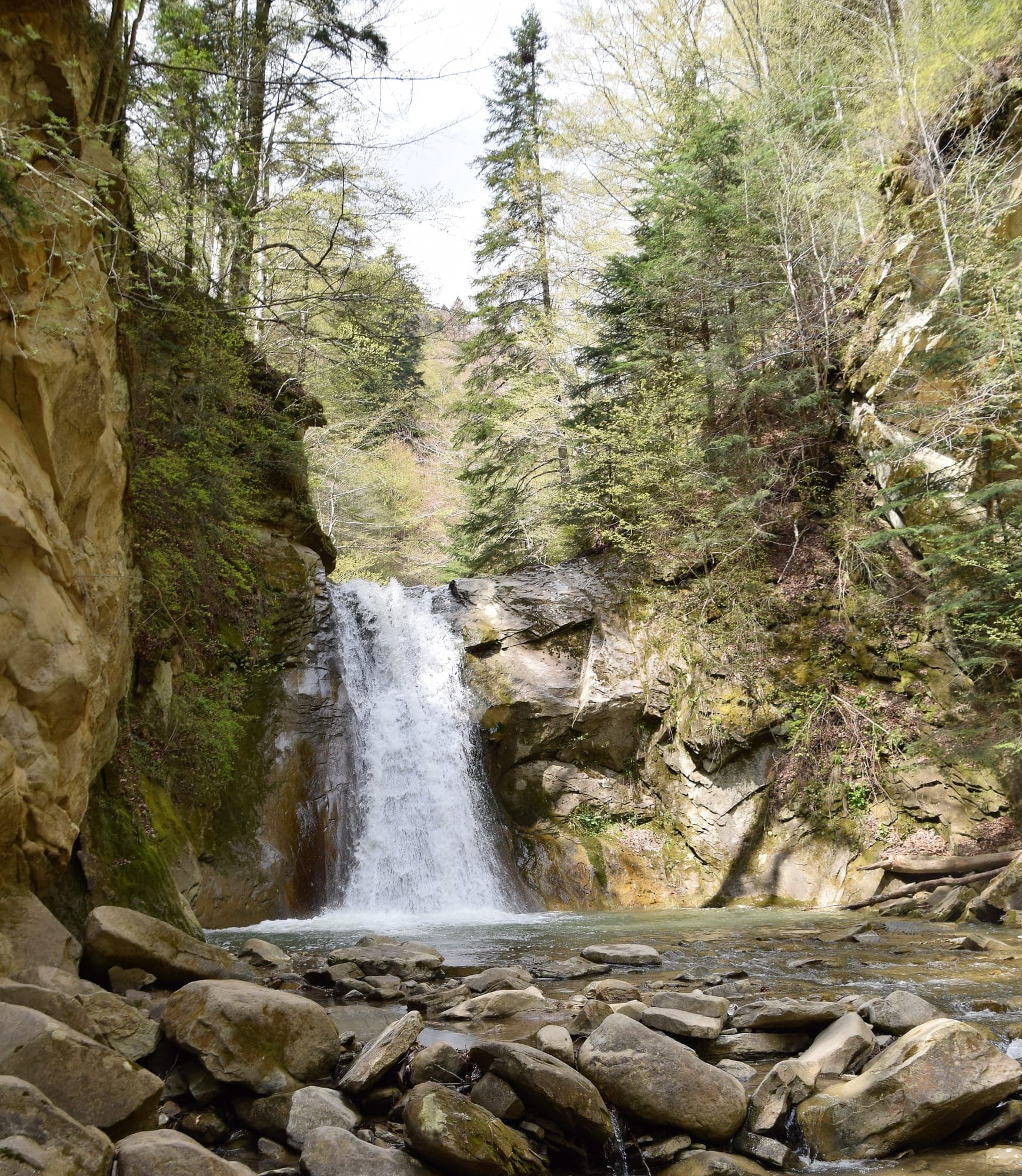
A waterfall of about 8 m dropping over a sandstone ledge in a wooded gorge of the Cașoca Valley, near Lake Siriu; also known as the Pruncea Waterfall, it can be reached by car almost to its foot.

The ~1,100 m pass where the DN17A crosses the Obcina Mare ridge between Vatra Moldoviței and Sucevița, with hairpins through spruce forest, wide views over the Bukovina hills and the road builders' “Palm” monument.
Top 20Top 100Top 100