Cloșani Cave
About Cloșani Cave
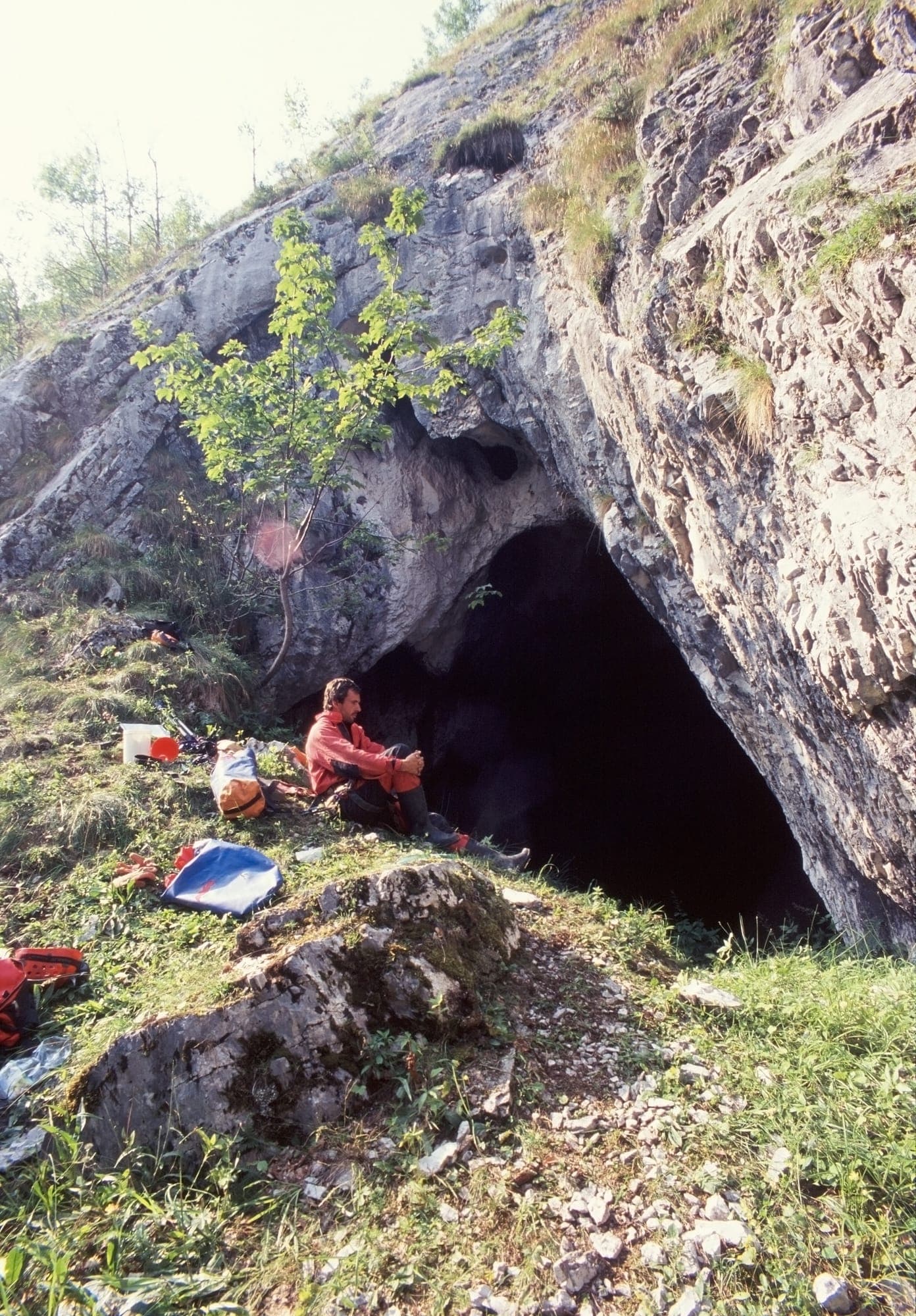
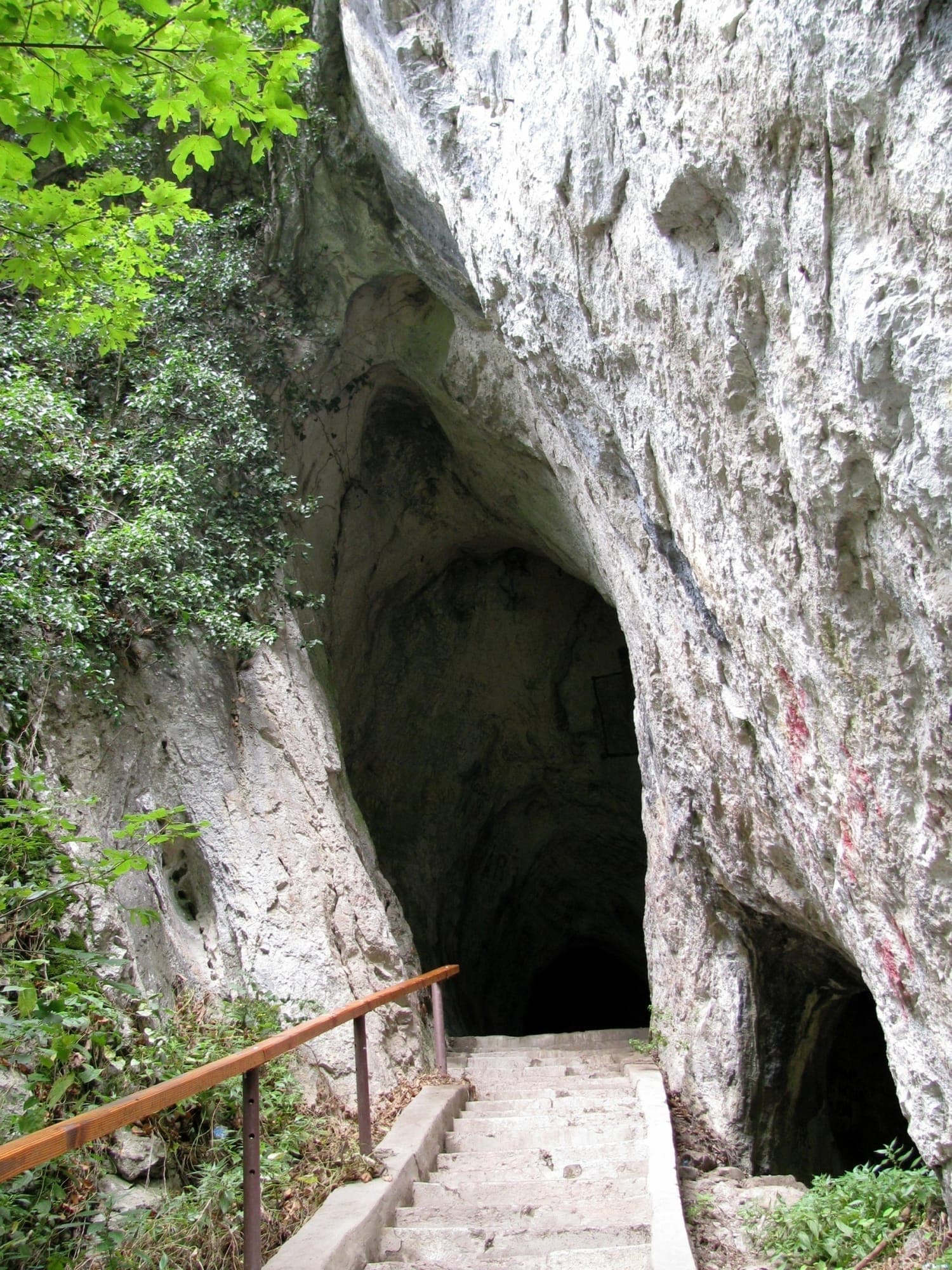
Cloșani Cave opens in the north of the Mehedinți Mountains, above the village of Cloșani in Padeș commune, upstream of the point where the Motru meets the Motru Sec. The entrance is at about 440 m, and the passages, just over 1,000 m long, run on two horizontal levels: the Laboratory Gallery and the Matei Ghica Gallery. Deep inside it is about 11 °C, the air is very humid and there are no draughts.
The cave is known above all as a place of research. From 1959 the Emil Racoviță Institute of Speleology of the Romanian Academy built a research station and an underground laboratory here: spaces and breeding set-ups for studying karst processes and underground fauna have been fitted out in the galleries, and some 70 species of microscopic animals have been discovered in the cave. Its stalagmites have also been used to reconstruct the climate of south-western Romania over the last 20,000 years or so. The cave is part of the Piatra Cloșanilor reserve, 1,730 ha, within Domogled–Valea Cernei National Park.
Local legends say that Tudor Vladimirescu hid the archive of the 1821 revolution here, and that beneath the vault of Piatra Mare a sorcerer shut away a corner of paradise full of flowers.
What you can see
The passages are decorated with white or reddish calcite formations: columns, stalactites, stalagmites and calcite flowers. The greater horseshoe bat (Rhinolophus ferrumequinum) also lives in the cave. Visitors, however, only see what is outside: the research station building on the right bank of the Motru, at about 400 m, home to a weather station and, since 2002, a Bat Information, Study and Protection Centre, and the limestone massif of Piatra Cloșanilor, climbed from the village by a trail marked with a red dot towards the ridge and the Valea Mare dam (~10.5 km).
Good to know
The cave is not open to the public: it is run by the Emil Racoviță Institute of Speleology, and entry is only with the institute's approval, for research. In 2024 Padeș town hall began steps to take over the cave and fit it out for visitors; for now there is no tourist route. Nearby you can visit God's Bridge, the natural bridge at Ponoarele (~21 km), and Tismana Monastery (~25 km). Caves set up for tourists lie further east, about two hours' drive away: the Women's Cave and Polovragi Cave.
Information verified on 31 October 2026.
- The white and reddish calcite formations: columns, stalactites, stalagmites and calcite flowers.
- The Laboratory Gallery, with spaces fitted out for studying karst processes and underground fauna.
- The speleological research station on the right bank of the Motru, built from 1959 onwards.
- The limestone massif of Piatra Cloșanilor, with the red-dot trail climbing from the village along the ridge towards the Valea Mare dam.
- The greater horseshoe bat, which lives in the cave, and the bat protection centre at the station, opened in 2002.
Good to know before you go
- Getting there
By car: Cloșani is in the Motru valley, in western Gorj County, ~15 km (~20 minutes) north of Baia de Aramă. From Târgu Jiu it is ~49 km (~1 h), from Drobeta-Turnu Severin ~75 km (~1 h 40 min), from Craiova ~129 km (~2 h 35 min). God's Bridge, at Ponoarele, is ~21 km away (~30 minutes), and Tismana Monastery ~25 km (~35 minutes).
Public transport: trains run to Târgu Jiu or Drobeta-Turnu Severin; from there you need a car to reach Cloșani.
- Rules
The cave is a scientific reserve, within the Piatra Cloșanilor reserve in Domogled–Valea Cernei National Park. Entry without the approval of the Emil Racoviță Institute of Speleology is not allowed: do not try to go in on your own and do not disturb the bats. In the park, keep to the marked trails; leave no litter and light no fires.
- Facilities
No tourist facilities in the cave
Frequently asked questions about Cloșani Cave
Can you visit Cloșani Cave with kids?
No, Cloșani Cave is not recommended for visits with children (closed to the public).
How do I get to Cloșani Cave?
Cloșani Cave is located at above the village of Cloșani, Padeș commune, in the Motru valley; the research station is on the right bank of the Motru, Cloșani, Gorj County. More under “Getting there”
Reviews
Other attractions nearby
The closest attractions to Cloșani Cave, sorted by distance.
 13 km from Cloșani Cave
 Top 10015 km from Cloșani Cave
 20 km from Cloșani Cave