Transalpina
Gorj County · 59 km from Târgu Jiu
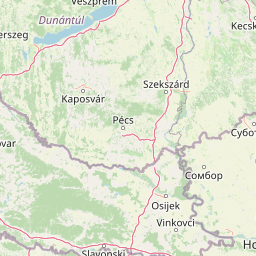
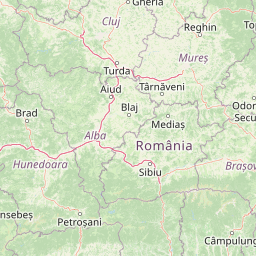
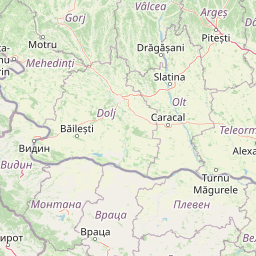
Romania's highest road: the DN67C climbs from Novaci over the Parâng Mountains to 2,145 m at the Urdele Pass and drops past Lake Oașa to Sebeș, 148 km above the clouds.
Gorj stretches from the ridges of the Parâng and Vâlcan mountains in the north down to the hills and plain along the Jiu, with Târgu Jiu as its county seat. It is the county of Constantin Brâncuși, born in Hobița, and of old monasteries – Tismana, Polovragi, Lainici – but also of limestone landscapes with caves and gorges such as the Sohodol and Olteț gorges. Among the tourist attractions in Gorj County, the sculptural ensemble in Târgu Jiu and the mountain roads are the best known.
In Târgu Jiu, the Endless Column, the Gate of the Kiss and the Table of Silence make up Brâncuși's ensemble, inscribed on the UNESCO World Heritage List. To the north, the Jiu Gorge links Oltenia to Transylvania by a road squeezed between the Parâng and the Vâlcan, while the Transalpina starts from Novaci and climbs past Rânca. Muierilor Cave, at Baia de Fier, and Polovragi Cave, at the mouth of the Olteț Gorge, are both open to visitors.
26 results
Romania's highest road: the DN67C climbs from Novaci over the Parâng Mountains to 2,145 m at the Urdele Pass and drops past Lake Oașa to Sebeș, 148 km above the clouds.

The 29.35 m column of brass-coated cast-iron modules raised by Constantin Brâncuși in 1938 in Târgu Jiu for the heroes of 1916: the eastern end of the “Heroes' Avenue” ensemble, a UNESCO World Heritage Site.

The 33 km gorge by which the Jiu crosses the Carpathians between Bumbești-Jiu and Livezeni: the DN66 follows the river through Defileul Jiului National Park, past Lainici Monastery.

Constantin Brâncuși's round stone table with 12 hourglass seats, in the park on the banks of the Jiu: the western end of the Heroes' Way ensemble, a UNESCO World Heritage Site.

A four-level cave at Baia de Fier, in the Galbenul Gorge at the foot of the Parâng Mountains, with 860 m of lit galleries, cave bear bones and some of the oldest modern human remains in Europe.

The travertine gate carved by Constantin Brâncuși in 1937–1938 at the entrance to Târgu Jiu's Central Park, part of the “Heroes' Way” ensemble, a UNESCO World Heritage Site.

A monastery for monks right beside the DN66 in the Jiu Gorge: the painted old church of 1812–1817, the two-level new church and the relics of St Irodion.
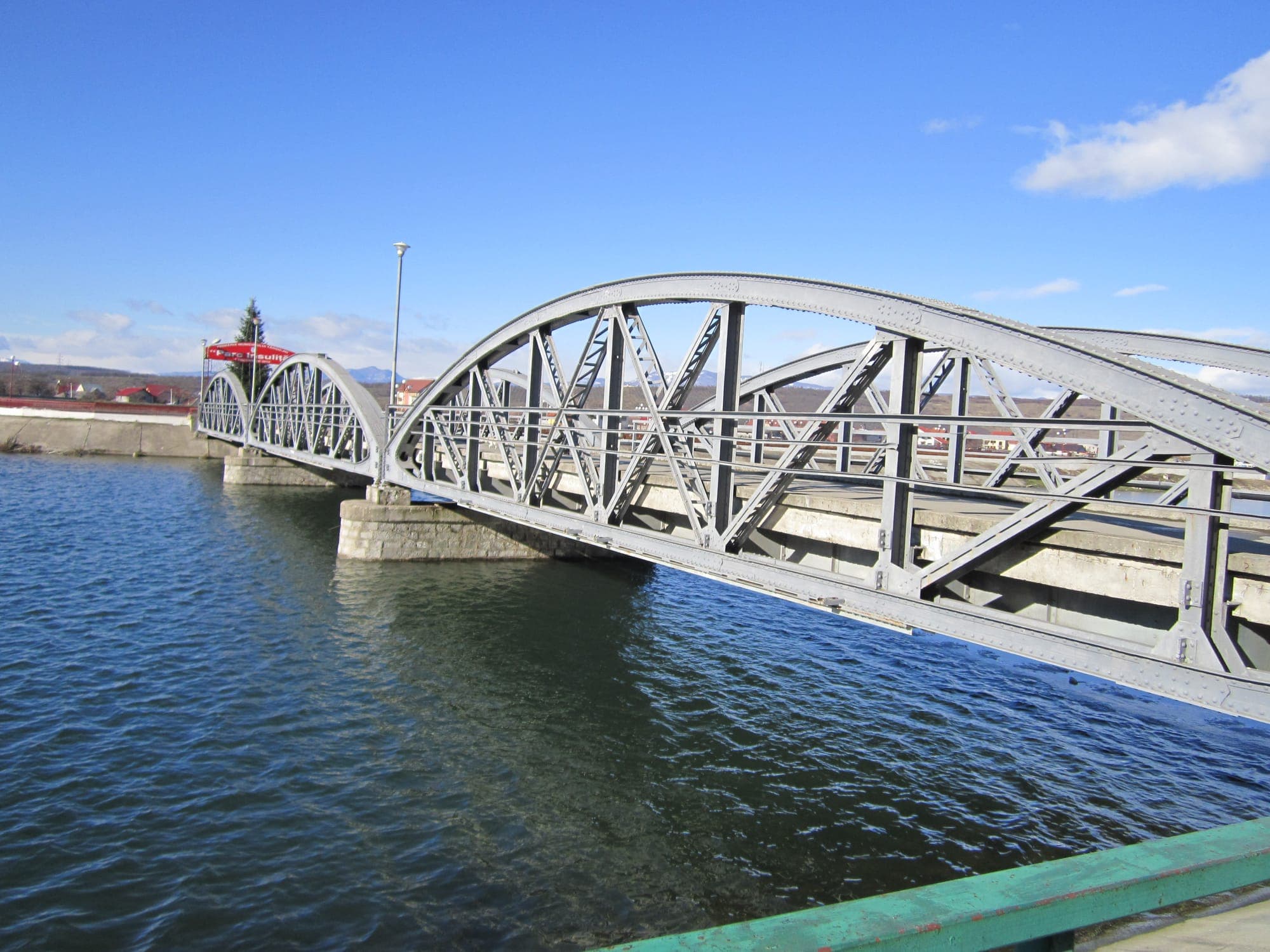
Historic metal bridge associated with the defence of Târgu Jiu in October 1916; three spans of the old structure now link the Central Park to the island on the Jiu.
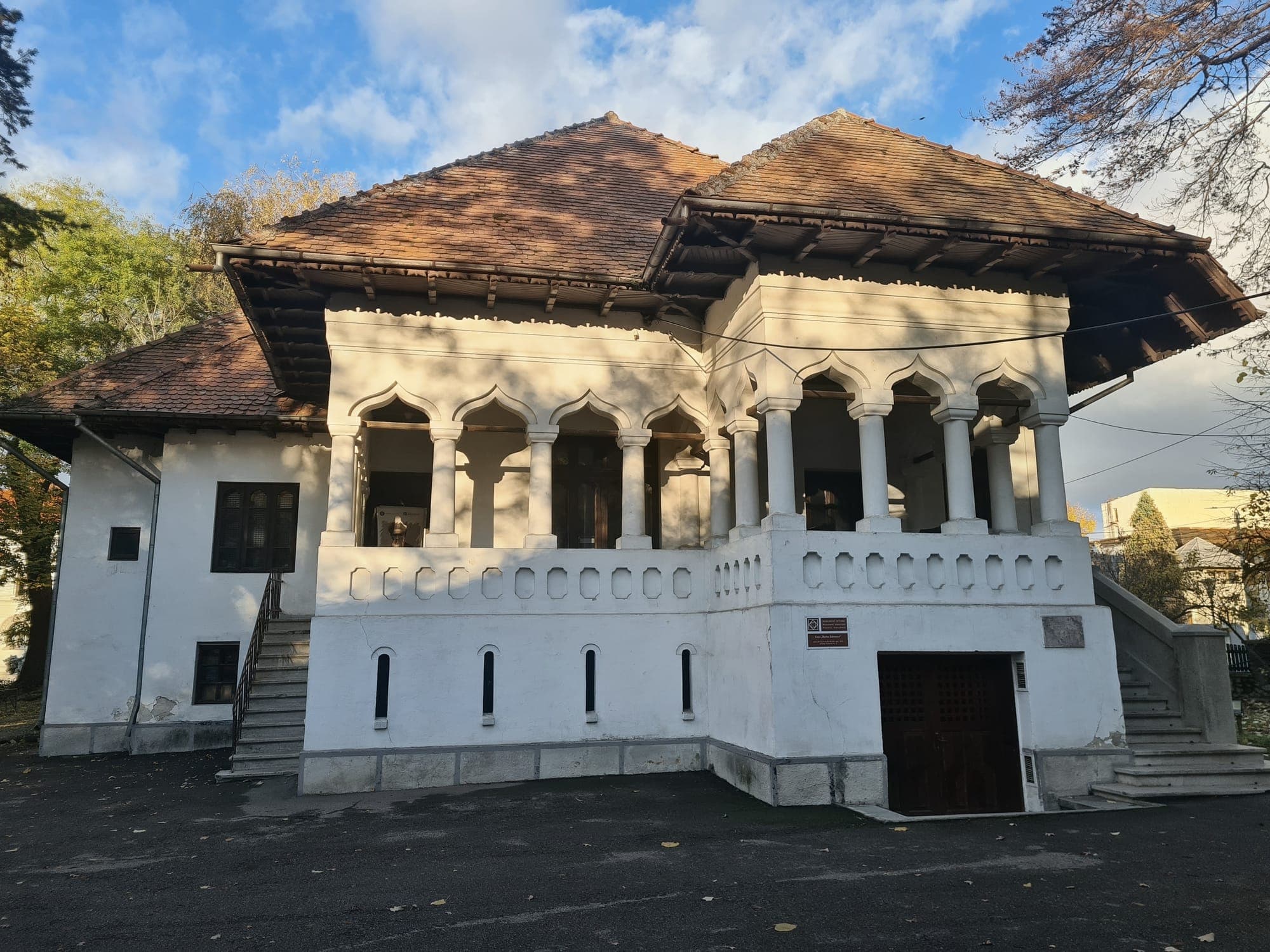
Art museum in Barbu Gănescu House, where Brâncuși stayed in 1937–1938, with temporary exhibitions and a Neo-Romanian porch with arches.

The oldest monastery in Wallachia, founded by St Nicodemus in the 14th century on a rocky spur next to a waterfall; Romania's National Bank gold was hidden here from 1944 to 1947.

The three-towered Orthodox church built in 1927–1937 on Heroes' Avenue in Târgu Jiu, halfway along the axis between the Gate of the Kiss and the Endless Column, and part of the UNESCO-listed Brâncuși ensemble.

Open-air museum at Curtișoara, near Bumbești-Jiu: over 30 wooden peasant houses from all over Gorj, the Tătărescu ensemble, churches and folk installations, next to the Cornoiu Kula.
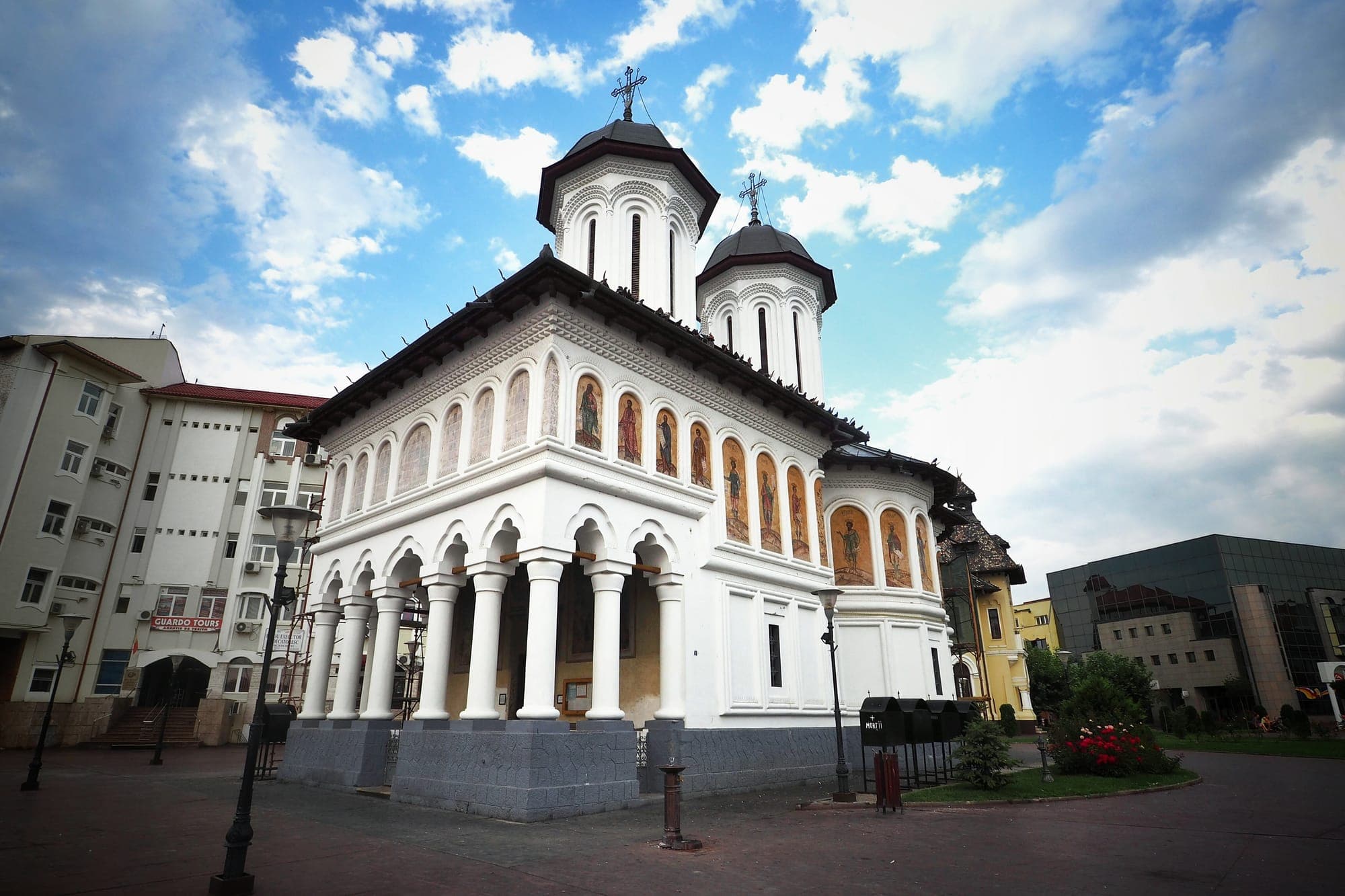
The two-towered Orthodox church on Victory Square, built in 1748–1764 by merchants, with exterior frescoes of ancient philosophers and a past as a museum under communism.

A fortified manor house in Glogova (Gorj), with a massive 17th-century cellar and an upper floor with a wooden veranda built after 1764, in the middle of a park beside St Nicholas church.
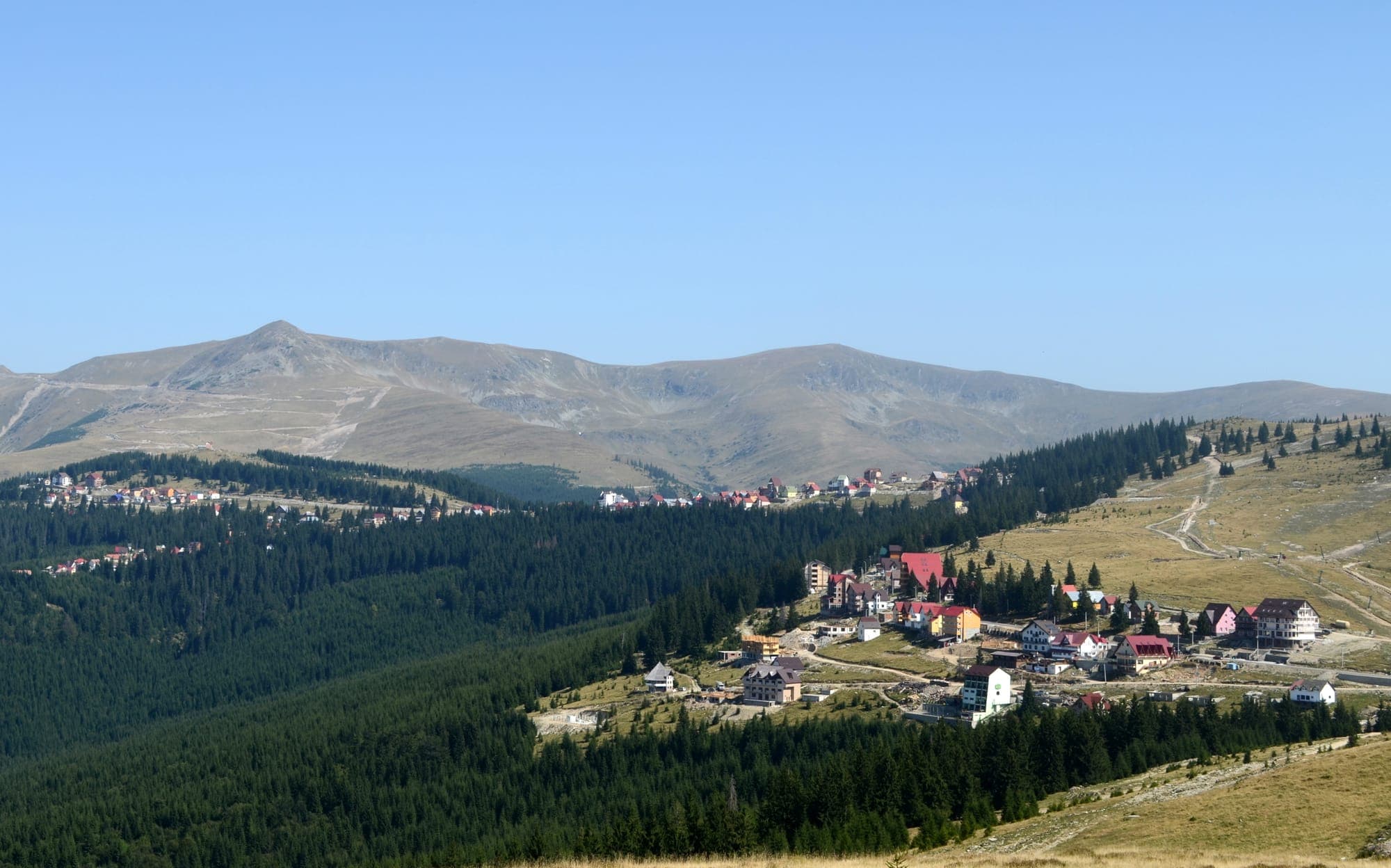
A mountain resort at 1,600 m, at the foot of Păpușa Peak in the Parâng Mountains, on the Transalpina: a ski area with chairlifts and drag lifts, alpine pasture scenery and a starting point for the Parâng ridge.