The lakes of Romania have very different origins, and that is precisely what makes them interesting: glacial lakes in the cirques of the Făgăraș and Retezat, a volcanic lake in Harghita, a natural dam lake formed by a landslide at Red Lake, salt lakes on the site of old salt mines, lagoons and limans on the coast, and the large reservoirs built on the Bistrița, Argeș and Olt rivers in the second half of the 20th century. Most mountain lakes are reached on foot; the reservoirs have shore roads, guesthouses and boats.
Bâlea Lake and Bucura Lake, the largest glacial lake in the country, are the landmarks of hikes in the Southern Carpathians. Lake Sfânta Ana is the only volcanic lake in Romania, while Red Lake, with its fir trunks rising from the water, sits at the entrance to the Bicaz Gorge. For lakeside holidays: Lake Izvorul Muntelui on the Bistrița or Lake Siutghiol next to Mamaia.
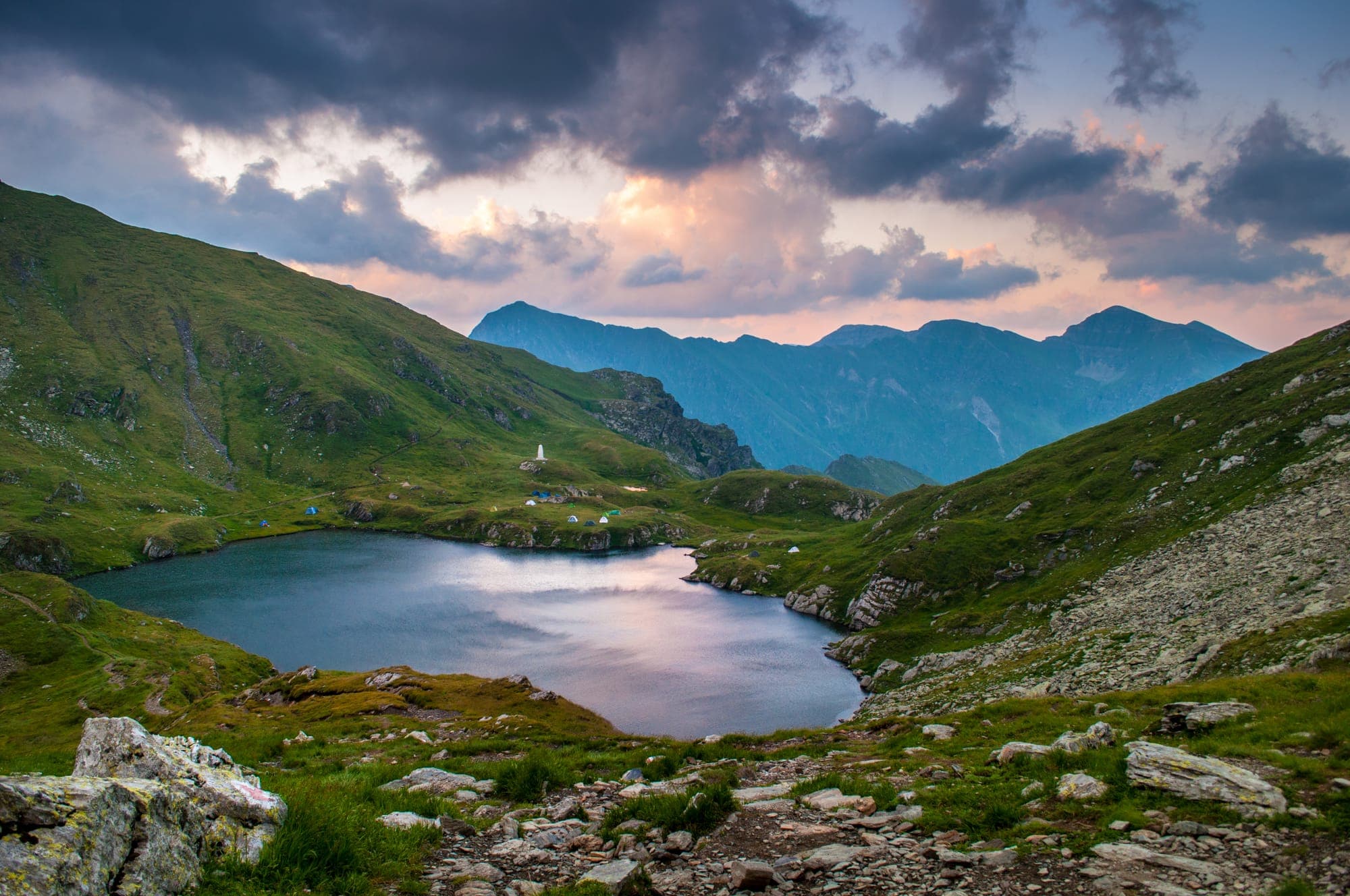
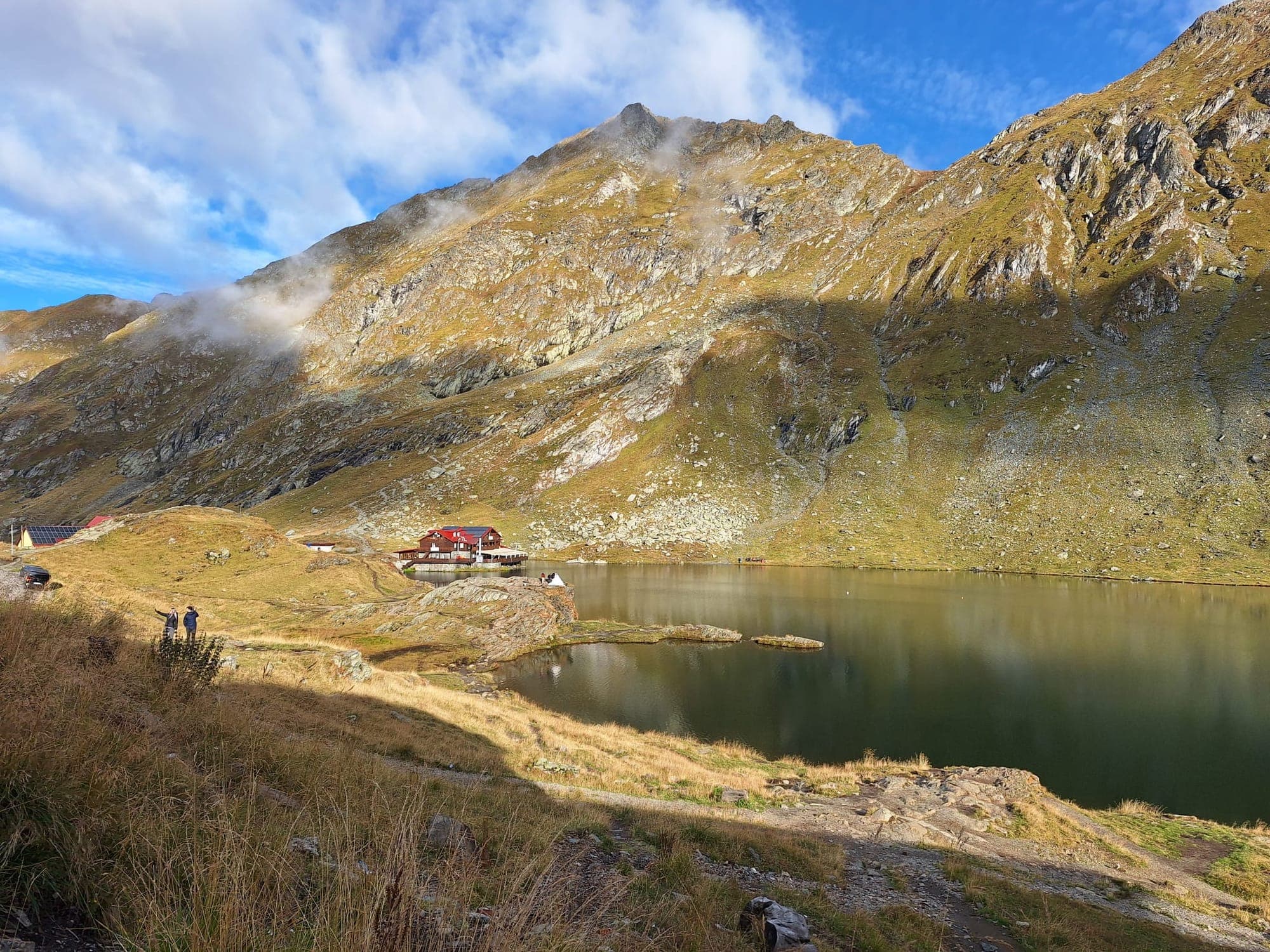
A glacial lake at 2,034 m in the Bâlea cirque of the Făgăraș Mountains, at the top of the Transfăgărășan; reachable by car in summer and by cable car all year round.
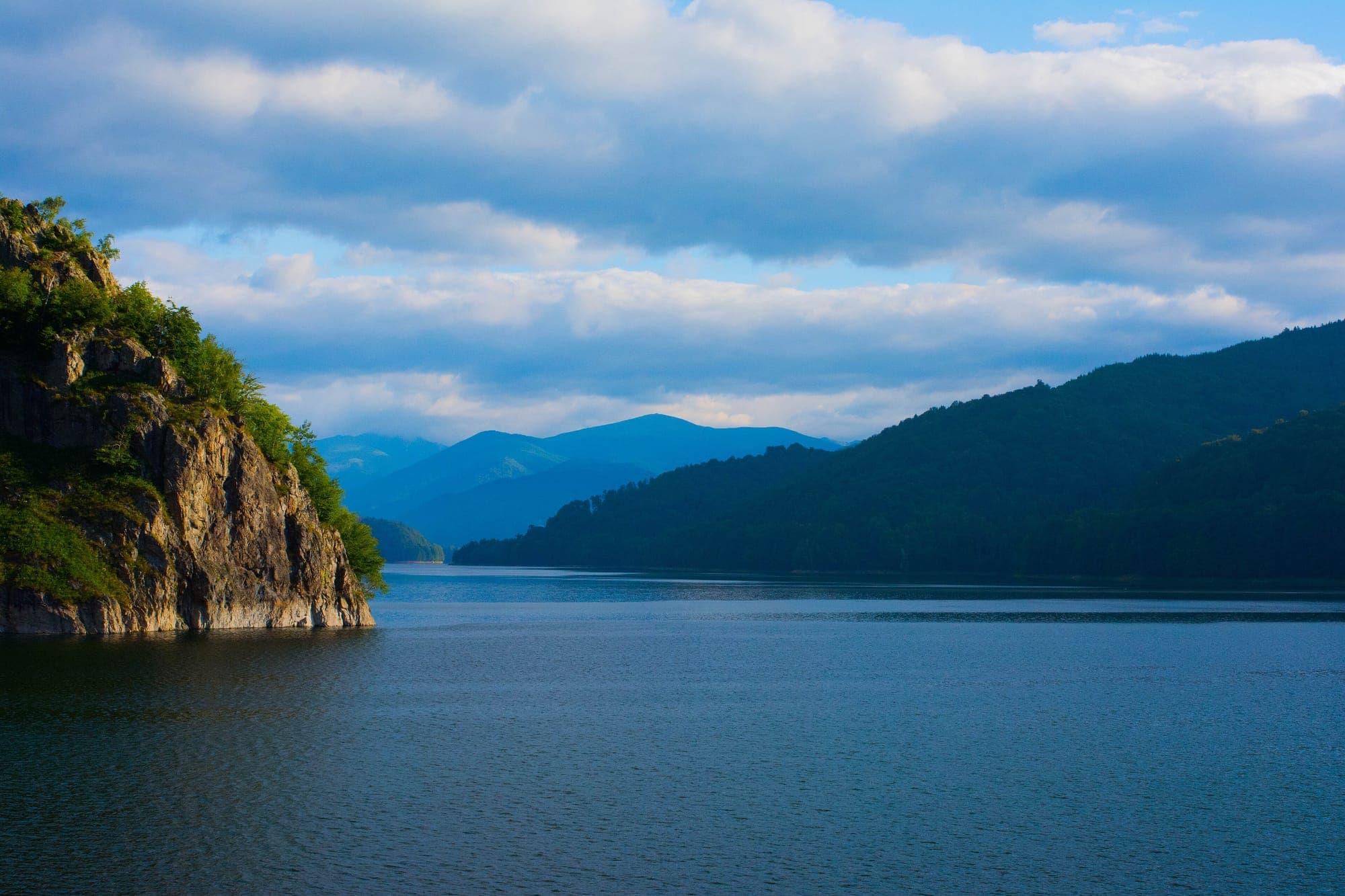
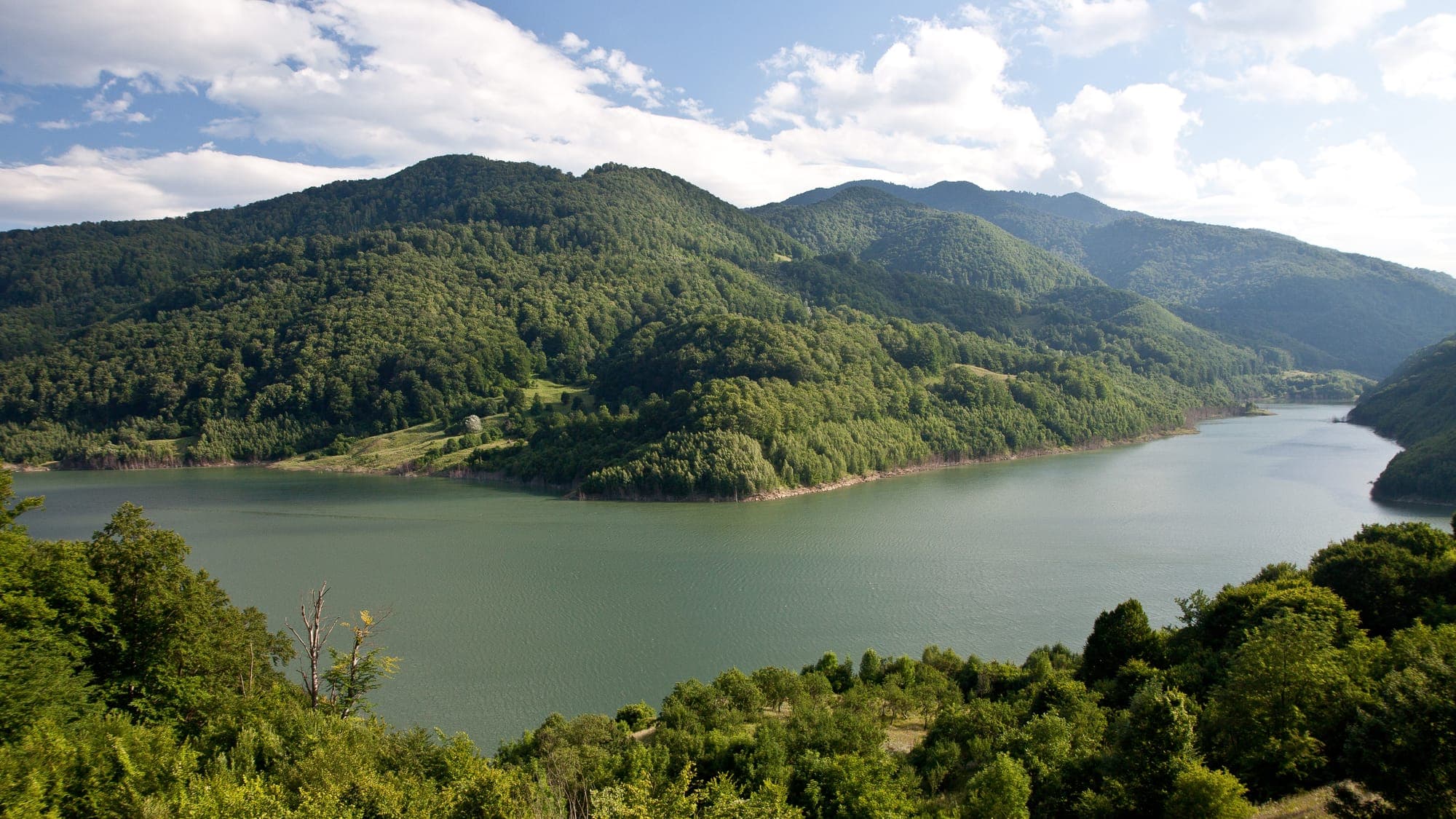
A reservoir over 10 km long on the Argeș, held back by the 166 m Vidraru arch dam; the Transfăgărășan runs along its crest, watched over by a statue of Prometheus.
A reservoir on the Bistrița Ardeleană between the Bârgău and Călimani mountains, nicknamed “the sea in the mountains”, with the Colibița resort spread along its shores.
Romania's largest glacial lake, at 2,040 m in the heart of Retezat National Park; it can only be reached on foot, after a climb of about two hours from Poiana Pelegii.
A glacial lake at 2,230 m on the southern side of the Făgăraș Mountains, just below the ridge; about an hour's walk from Bâlea Lake, over the Capra saddle.
A reservoir about 13 km long on the Someșul Cald in the Apuseni Mountains, at almost 1,000 m; in dry summers the ruined church of the drowned village of Giurcuța de Jos rises from the water.
A reservoir on the Ialomița at 1,438 m, in the heart of the Bucegi Mountains, held back by a 55 m stone dam and ringed by spruce forest, between the Tătaru and Zănoaga gorges.
Romania's largest natural dam lake, formed by landslides between 1978 and 1991 in the Stânișoarei Mountains, with bare spruce trunks rising out of the water; reached on foot through the forest.
Better known as Lake Bicaz, it is the largest reservoir on Romania's inland rivers: 35 km of water on the Bistrița, below Mount Ceahlău, held back by a 127 m dam.
A 4-hectare reservoir at 731 m in the forests of the Gutâi Mountains above the town of Baia Sprie, with a lakeside path, terrace, beach and kayaks for hire in summer, 18 km from Baia Mare.
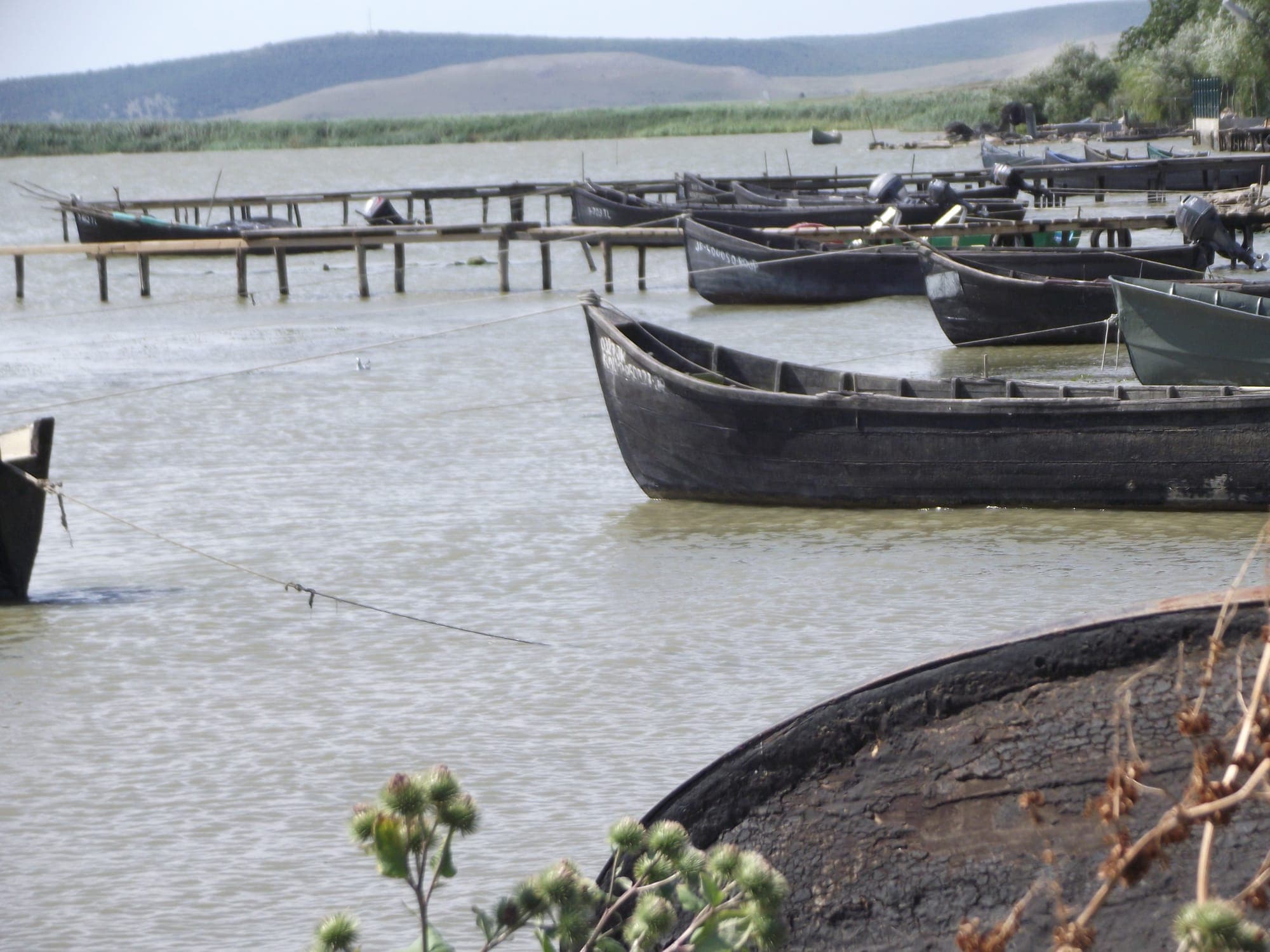
Romania's largest lake, a lagoon of about 415 km² south of the Danube Delta, with Lipovan fishing villages on its shores, protected islands and the ruins of Enisala and Argamum above the water.
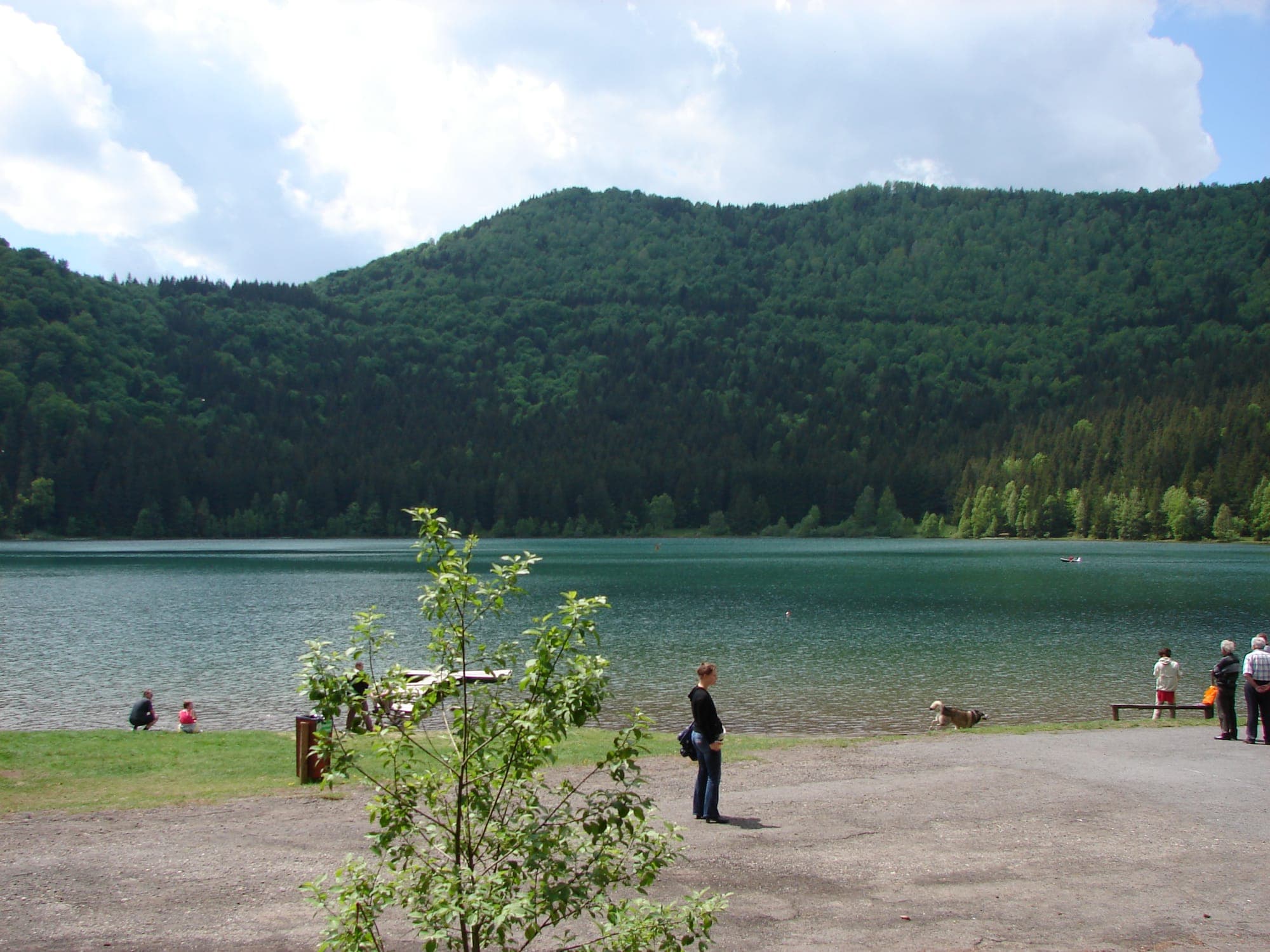
Romania's only volcanic lake: an almost round sheet of water in the Ciomatu crater, ringed by forest, with a Catholic chapel on the shore and the Mohoș peat bog in the neighbouring crater.
A reservoir over 10 km long in the Buzău valley, between the Siriu and Podu Calului mountains; the DN10 winds along its shore over viaducts, with views of the water and the 122 m rockfill dam.
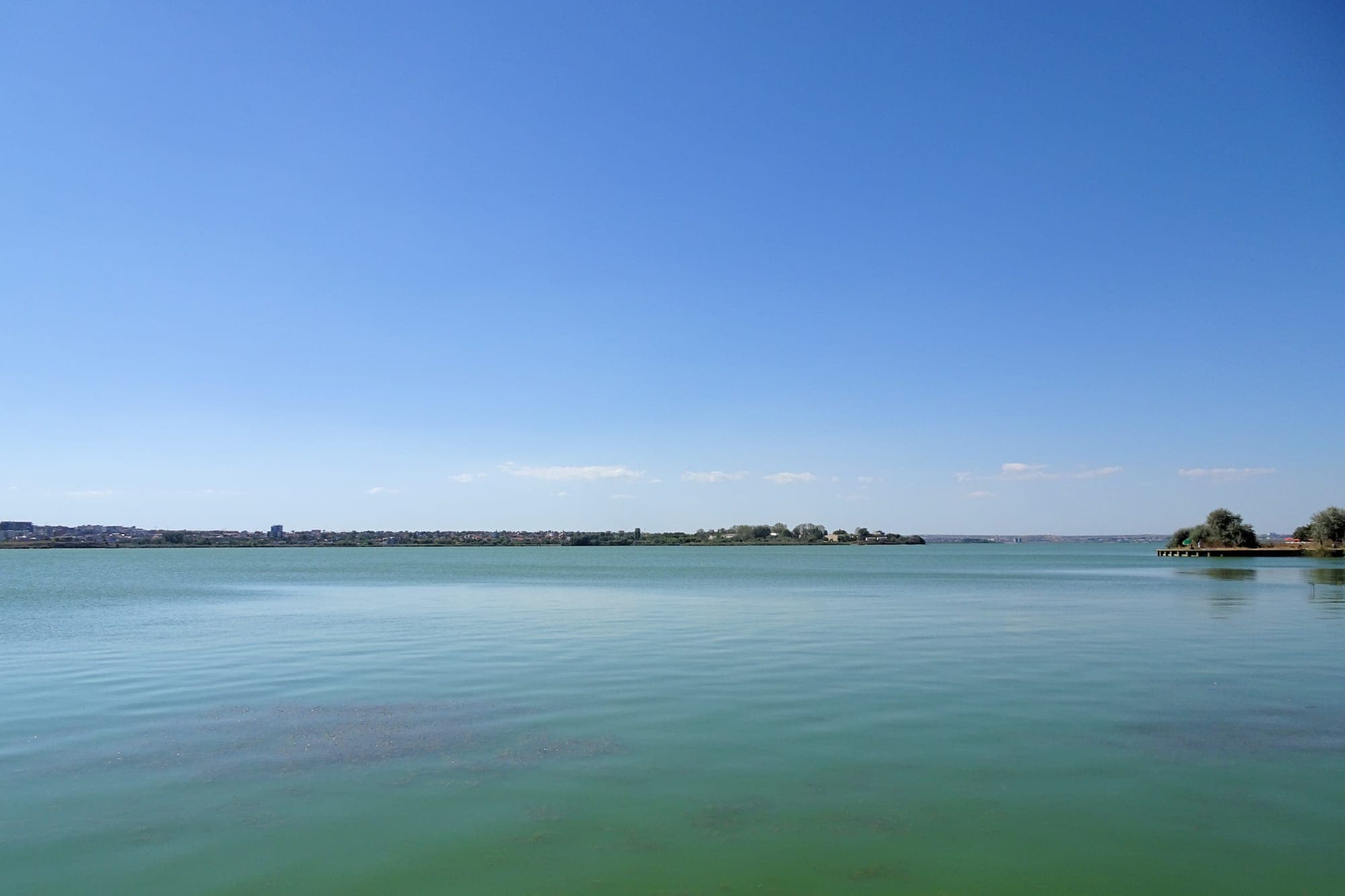
The freshwater lake behind Mamaia, 7.5 km long, with water sports bases on the resort side and little Ovidiu Island, tied to the legend of the Roman poet, off the town of Ovidiu.
 Top 100