Dimitrie Gusti National Village Museum
București · Muntenia


About Dimitrie Gusti National Village Museum
At a glance: Museums and memorial houses in București. Opening hours: Monday 09:00 – 17:00, Tuesday–Sunday 09:00 – 19:00. Ticket: 40 lei. The visit takes 2 – 2½ hours. Information verified on 9 October 2026.
On the shore of Lake Herăstrău, in the middle of Bucharest, stands a village gathered from across the whole country: farmsteads, wooden churches, mills, workshops and wayside crosses brought piece by piece from their villages of origin and rebuilt here, grouped by region almost like the map of Romania. The buildings date from the 17th to the early 20th century, and in a few hours of walking you pass along the paths from Maramureș to Dobruja.
The museum was conceived by the sociologist Dimitrie Gusti, after ten years of monographic research in villages. It was built in just two months, from March 1936, with craftsmen who came from the villages of origin, and inaugurated on 10 May 1936 in the presence of King Carol II; the public was admitted a week later. It started with 4.5 hectares and 33 farmsteads, and today covers over 10 hectares, with a new area in the south added in 2016. In 1997 and in 2002 two fires destroyed several buildings, some of which have been rebuilt.
What you can see
The wooden church from Dragomirești (Maramureș), built in 1722 and donated to the museum in 1936, is one of its best-known buildings and appears in the museum's logo. The houses differ by region: those from hills and mountains stand on high foundations, those from the plains on low ones. Among them are the Yellow Inn, reconstructed from archive documents, a dance hall from Aluniș (1928), pottery workshops from Horezu and blacksmith workshops from Botuș and Vărzari, mills, sheepfolds and homesteads of minorities: Székelys from Bancu, Lipovan Russians from Jurilovca, plus a Saxon house and a Jewish one. Temporary exhibitions are held in the halls near the gates, and a shop sells contemporary folk art.
Good to know
The houses are open only from Wednesday to Sunday; on Monday and Tuesday you can only walk the paths, and the ticket costs half. The hours differ between summer and winter, and in January 2026 the houses were closed for conservation work. The museum has entrances on Șoseaua Kiseleff, next to the Arc de Triomphe, and gates towards Herăstrău Park.
- The wooden church from Dragomirești (Maramureș), from 1722, the one in the museum's logo.
- The Yellow Inn, reconstructed in the museum from archive documents and period images.
- The dance hall from Aluniș (Prahova), from 1928, with a lookout turret and fretwork ornaments.
- The pottery workshops from Horezu and the blacksmith workshops from Botuș and Vărzari.
- The minority homesteads: Székelys from Bancu, Lipovan Russians from Jurilovca, plus a Saxon house and a Jewish one.
Good to know before you go
- Getting there
By car: the museum is in northern Bucharest, on Șoseaua Kiseleff, next to the Arc de Triomphe and on the shore of Lake Herăstrău. The main entrances are at numbers 28 and 30; in Herăstrău Park there are also the “Miorița” gate (at the boat landing) and the “Transilvania” gate (next to the Arc de Triomphe).
Public transport: take the metro (M2) to Aviatorilor, from where it is a ~10–15 minute walk along Kiseleff. Buses serve the museum from the “Muzeul Satului” stop (131, 205, 331, 335, N113), the “Arcul de Triumf” stop (131, 205, 282, 330, 331, 335, 783, N113) and the “Institutul Agronomic” stop (205, 330, N113, plus tram 41). Routes sometimes change — check the local operator's app.
- Where to park
The museum does not advertise a car park of its own on its website. You park on Șoseaua Kiseleff, on the surrounding streets and around Herăstrău Park, usually for a fee; on fine weekends and at events the spaces fill up quickly. If you come from the centre, the metro to Aviatorilor is the more convenient option.
- Fees & discounts
Adult ticket 40 lei, senior 20 lei, pupil or student 10 lei (with documents proving the category). On Monday and Tuesday, when the houses are closed, half the price is charged. Entry is free, among others, for children aged 0–6, children and adults with disabilities (adults with a severe or marked disability, together with their companion), ICOM, ICOMOS and AMALR members, war veterans and holders of the Euro 26 card (up to 30 years old) on the 26th of the month. Passes: 1 week 200 lei (seniors 100, pupils/students 50), 1 month 400 lei (200 and 100), 12 months 2,000 lei (800 and 500). Guided tours on request, in Romanian (200 lei) or English, French, Russian (300 lei), for groups of up to 30 people; request in writing at least 48 hours in advance. The ticket is valid for a single entry, and no booking is needed for a visit without a guide.
- Rules
You visit on foot, along the paths. The houses and the objects in them are heritage: do not touch the exhibits, do not climb on fences or roofs and do not light fires. The paths are partly paved and partly earth, so wear comfortable shoes. The rules on pets, photography and luggage are posted at the entrance or on the official website.
- Facilities
ticket office at the entrances · contemporary folk art shop · temporary exhibition halls · toilets · guided tours on request · workshops on request
Frequently asked questions about Dimitrie Gusti National Village Museum
- How much is a ticket to Dimitrie Gusti National Village Museum?
- A ticket to Dimitrie Gusti National Village Museum costs 40 lei (discounts for seniors, pupils). Adult ticket 40 lei, senior 20 lei, pupil or student 10 lei (with documents proving the category). On Monday and Tuesday, when the houses are closed, half the price is charged. Entry is free, among others, for children aged 0–6, children and adults with disabilities (adults with a severe or marked disability, together with their companion), ICOM, ICOMOS and AMALR members, war veterans and holders of the Euro 26 card (up to 30 years old) on the 26th of the month. Passes: 1 week 200 lei (seniors 100, pupils/students 50), 1 month 400 lei (200 and 100), 12 months 2,000 lei (800 and 500). Guided tours on request, in Romanian (200 lei) or English, French, Russian (300 lei), for groups of up to 30 people; request in writing at least 48 hours in advance. The ticket is valid for a single entry, and no booking is needed for a visit without a guide.
- What are the opening hours of Dimitrie Gusti National Village Museum?
- Opening hours at Dimitrie Gusti National Village Museum: Monday 09:00 – 17:00, Tuesday–Sunday 09:00 – 19:00. Summer hours, valid at the Șoseaua Kiseleff entrances: Monday 9:00–17:00, Tuesday–Sunday 9:00–19:00. In winter the hours are daily 9:00–17:00 (last year the switch was made on 13 October). The houses are open only Wednesday–Sunday; on Monday and Tuesday you can only walk the paths, at half price. The last ticket is issued one hour before closing. The temporary exhibitions are open Wednesday–Sunday, 10:00–18:00 in summer. The gates in Herăstrău Park (Miorița and Transilvania) have reduced hours, in summer only on Saturdays and Sundays. The museum is closed on the first two days of Easter, on 25–26 December and on 1–2 January. Hours may change — check the official website.
- How long does a visit to Dimitrie Gusti National Village Museum take?
- A visit to Dimitrie Gusti National Village Museum takes about 2 – 2½ hours (extensive paths, outdoors).
- Can you visit Dimitrie Gusti National Village Museum with kids?
- Yes, Dimitrie Gusti National Village Museum is suitable for children (wide paths, workshops on request).
- Where can I park at Dimitrie Gusti National Village Museum?
- There is paid parking at Dimitrie Gusti National Village Museum (on nearby streets). The museum does not advertise a car park of its own on its website. You park on Șoseaua Kiseleff, on the surrounding streets and around Herăstrău Park, usually for a fee; on fine weekends and at events the spaces fill up quickly. If you come from the centre, the metro to Aviatorilor is the more convenient option.
- How do I get to Dimitrie Gusti National Village Museum?
- Dimitrie Gusti National Village Museum is located at Șoseaua Kiseleff 28-30, București. By car: the museum is in northern Bucharest, on Șoseaua Kiseleff, next to the Arc de Triomphe and on the shore of Lake Herăstrău. The main entrances are at numbers 28 and 30; in Herăstrău Park there are also the “Miorița” gate (at the boat landing) and the “Transilvania” gate (next to the Arc de Triomphe). Public transport: take the metro (M2) to Aviatorilor, from where it is a ~10–15 minute walk along Kiseleff. Buses serve the museum from the “Muzeul Satului” stop (131, 205, 331, 335, N113), the “Arcul de Triumf” stop (131, 205, 282, 330, 331, 335, 783, N113) and the “Institutul Agronomic” stop (205, 330, N113, plus tram 41). Routes sometimes change — check the local operator's app.
- When is the best time to visit Dimitrie Gusti National Village Museum?
- The best season for Dimitrie Gusti National Village Museum: April – October (in summer, with the houses open).
Reviews
Other attractions nearby
The closest attractions to Dimitrie Gusti National Village Museum, sorted by distance.
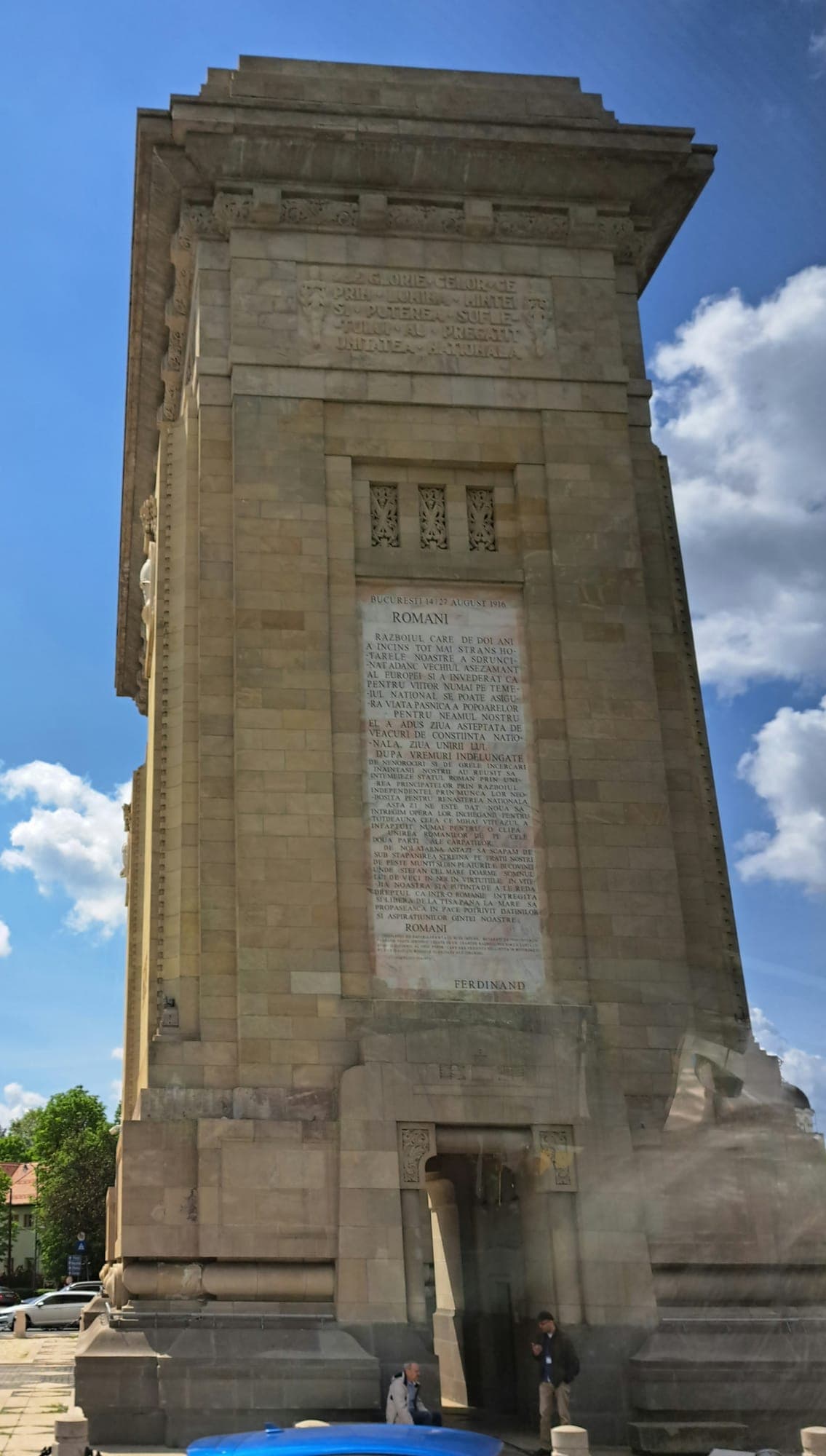 1 km from Dimitrie Gusti National Village Museum
 1 km from Dimitrie Gusti National Village Museum
 Top 1002 km from Dimitrie Gusti National Village Museum

