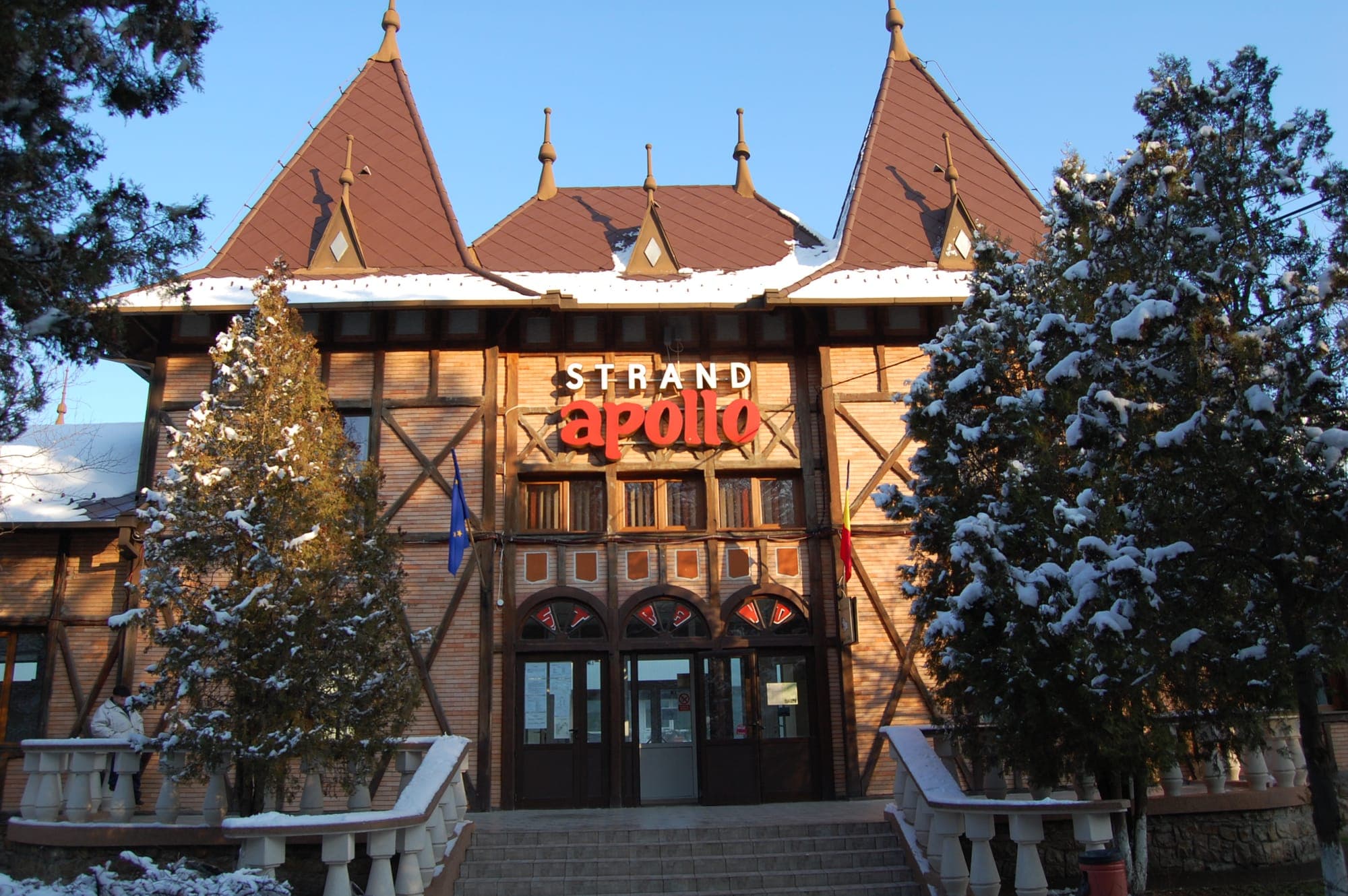
Romania's largest year-round spa resort, 8 km from Oradea: thermal springs of up to 49 °C, open-air baths that run all winter and a reserve of water lilies and thermal lotuses.
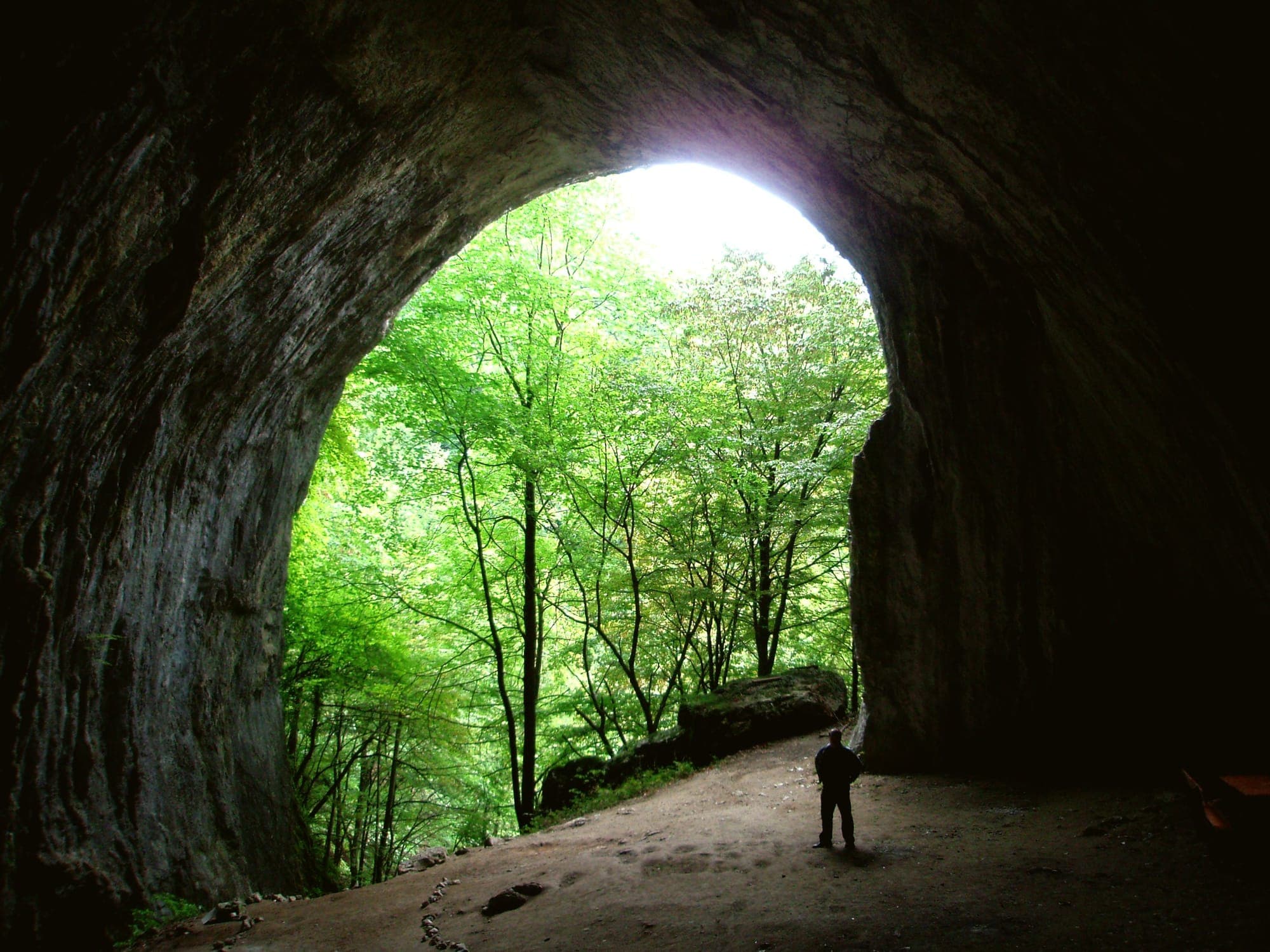
Romania's most visited cave: 488 m of lit galleries beneath the village of Chișcău, full of stalactites and stalagmites, with the bones of some 140 cave bears left where they were found.
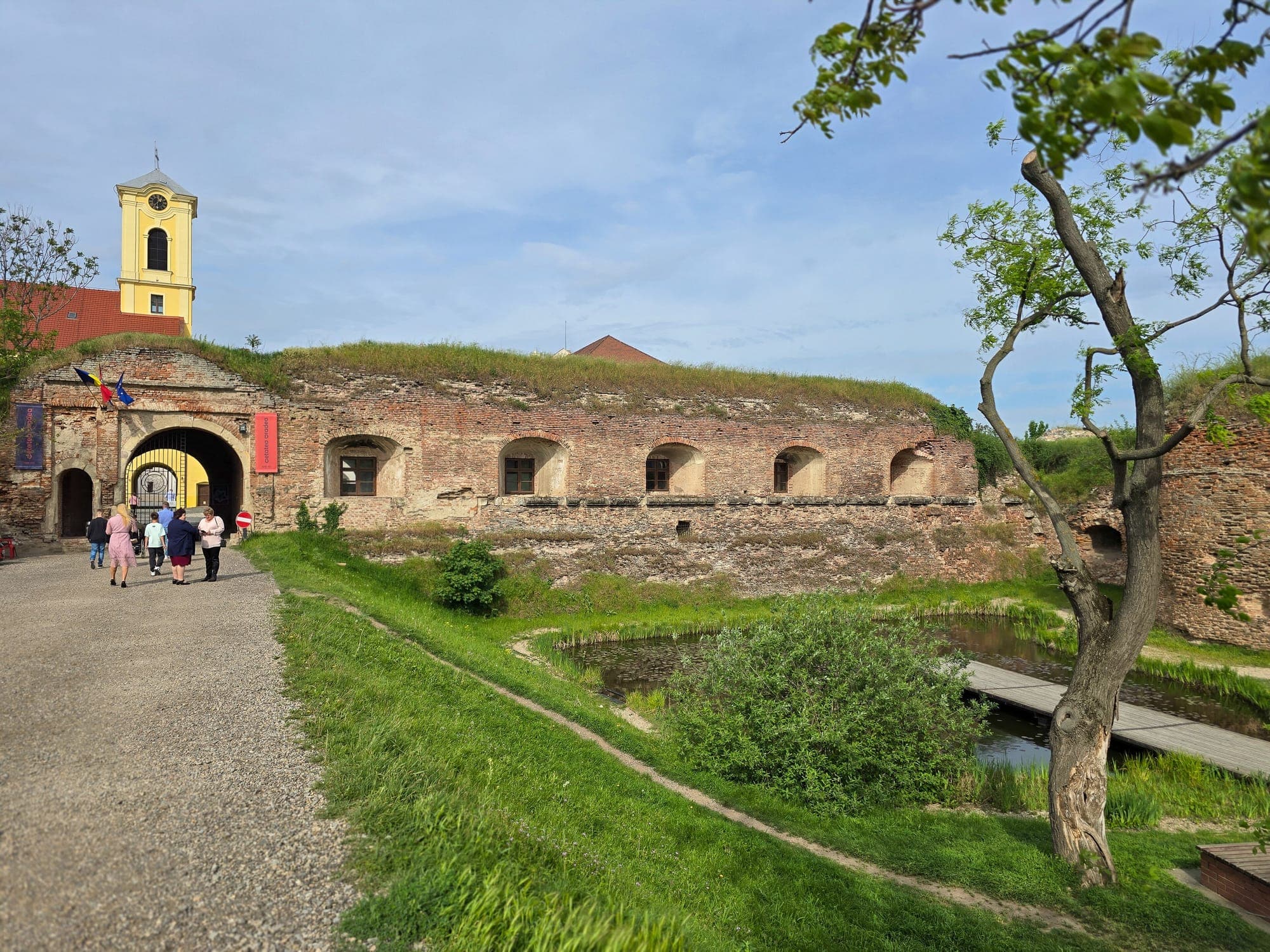
A pentagonal bastion fortress built by the princes of Transylvania in the 16th–17th centuries: five bastions, a princely palace housing the Oradea City Museum, and courtyards you can walk into freely.
Fortresses and fortificationsMuseums and memorial houses
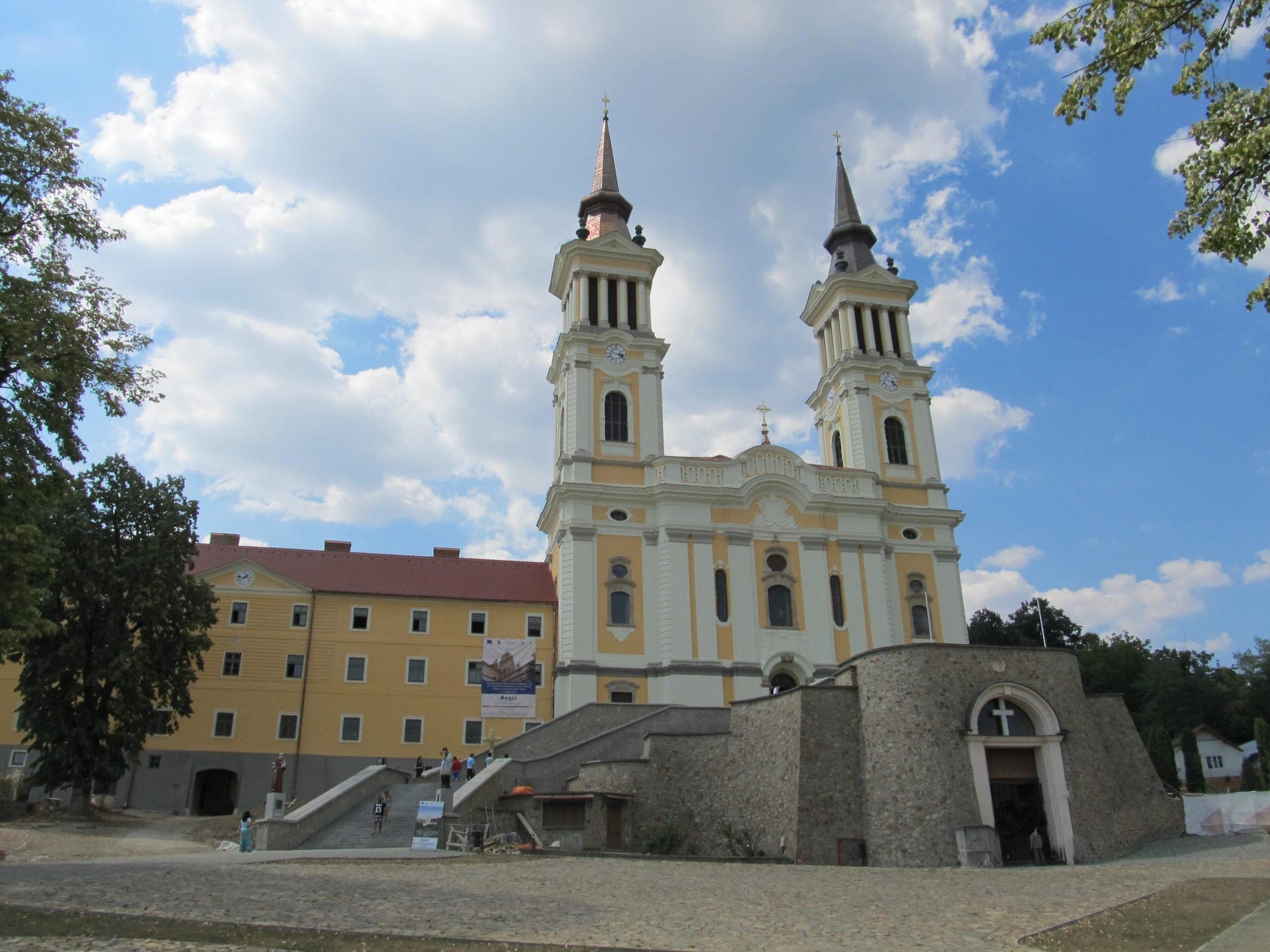
The largest Baroque pilgrimage church in western Romania, its 67-metre towers rising above the Mureș, with a miracle-working icon and corridors covered in votive paintings.
Monasteries and churchesMonuments and historic sites
The Roman Catholic bishops' residence, built in 1762–1777 by Franz Anton Hillebrandt, is Romania's largest Baroque palace; today it hosts church art exhibitions, and the garden is open daily.
Castles and palacesMuseums and memorial housesParks and gardens
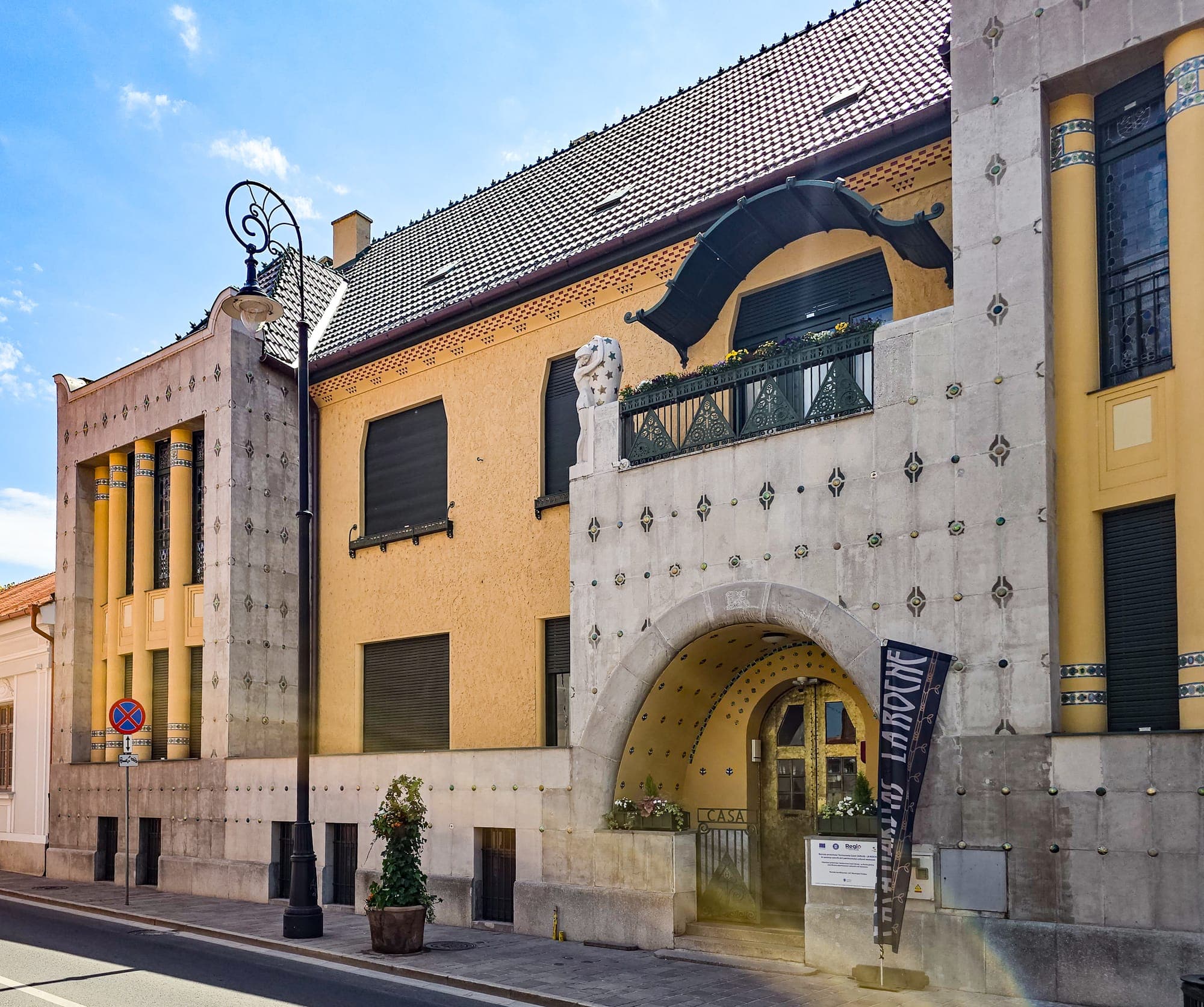
The Secession villa of the industrialist Imre Darvas, designed by the Vágó brothers in 1909–1912, now houses Romania's first Art Nouveau museum, with period interiors and a garden.
An ice cave in the forests of the Galbena Valley near Padiș, reached on foot along a marked trail. Around midday, light pours in through a hole in the roof and falls on the ice.
A multi-tiered waterfall on the Iad Valley, tumbling between huge boulders right beside the road from Stâna de Vale to Lake Leșu; you see it from a metal viewing platform or from below, by the water.
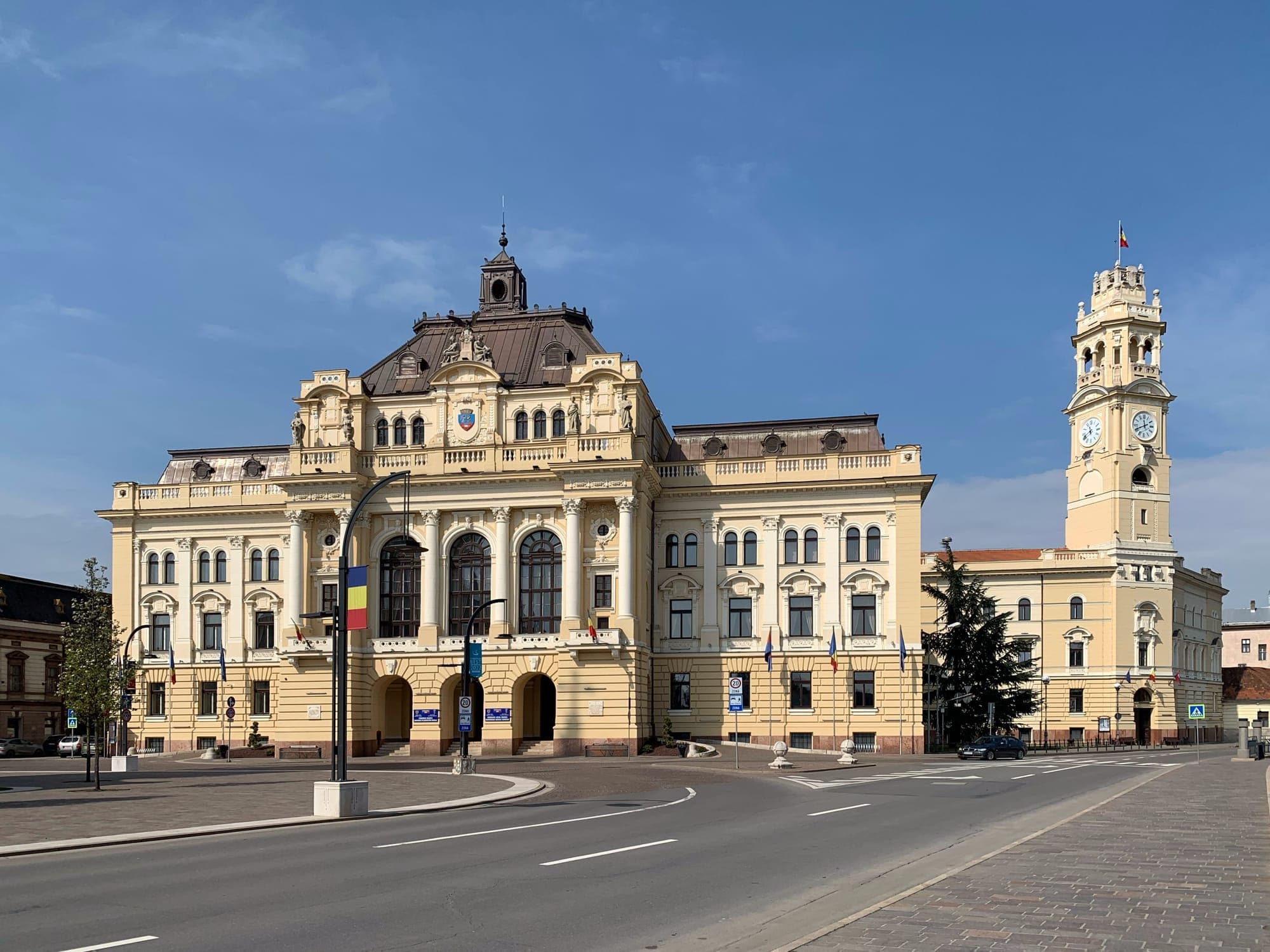
An eclectic palace of 1902–1903 on Piața Unirii, home to the city hall, with a tower of almost 50 m: its clock plays Iancu's March, and the top gives a view over the rooftops of the centre.
Oradea's zoological garden, open since 1962 on the grounds of a noble park with a chapel, rebuilt between 2010 and 2013 and now covering 7.5 hectares, with tigers, wolves, bears, zebras and dozens of other species.
The Cathedral of the Assumption, built between 1752 and 1780: the largest Baroque church in Romania, with an organ given by Maria Theresa and an interior of marble, frescoes and gilding.
Monasteries and churchesMonuments and historic sites
A wild waterfall on the Ieduțul stream, hidden among ferns and fir trees above the Iad Valley, a quarter of an hour's walk through the forest from the road between Stâna de Vale and Lake Leșu.
A synagogue of 1877–1878 on the bank of the Crișul Repede, with a broad dome and a Moorish-style painted interior; restored and reopened in 2015, it is now a cultural venue.
Bihor's county museum, housed since its move in the former Royal Cadet School of 1898: archaeology, history, art, ethnography, natural sciences and a vivarium under one roof.
 Top 100