
Zamca Monastery
About Zamca Monastery
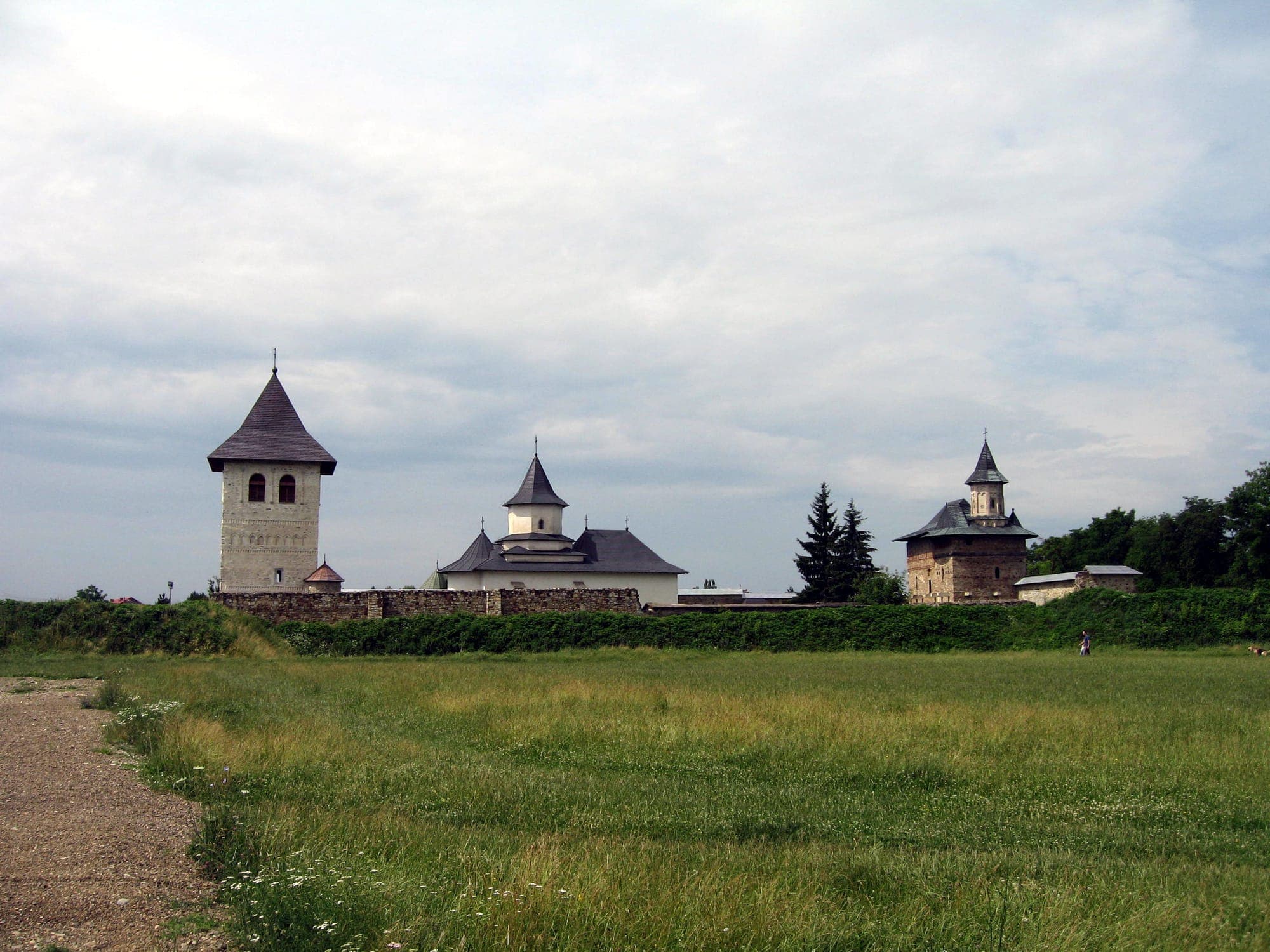
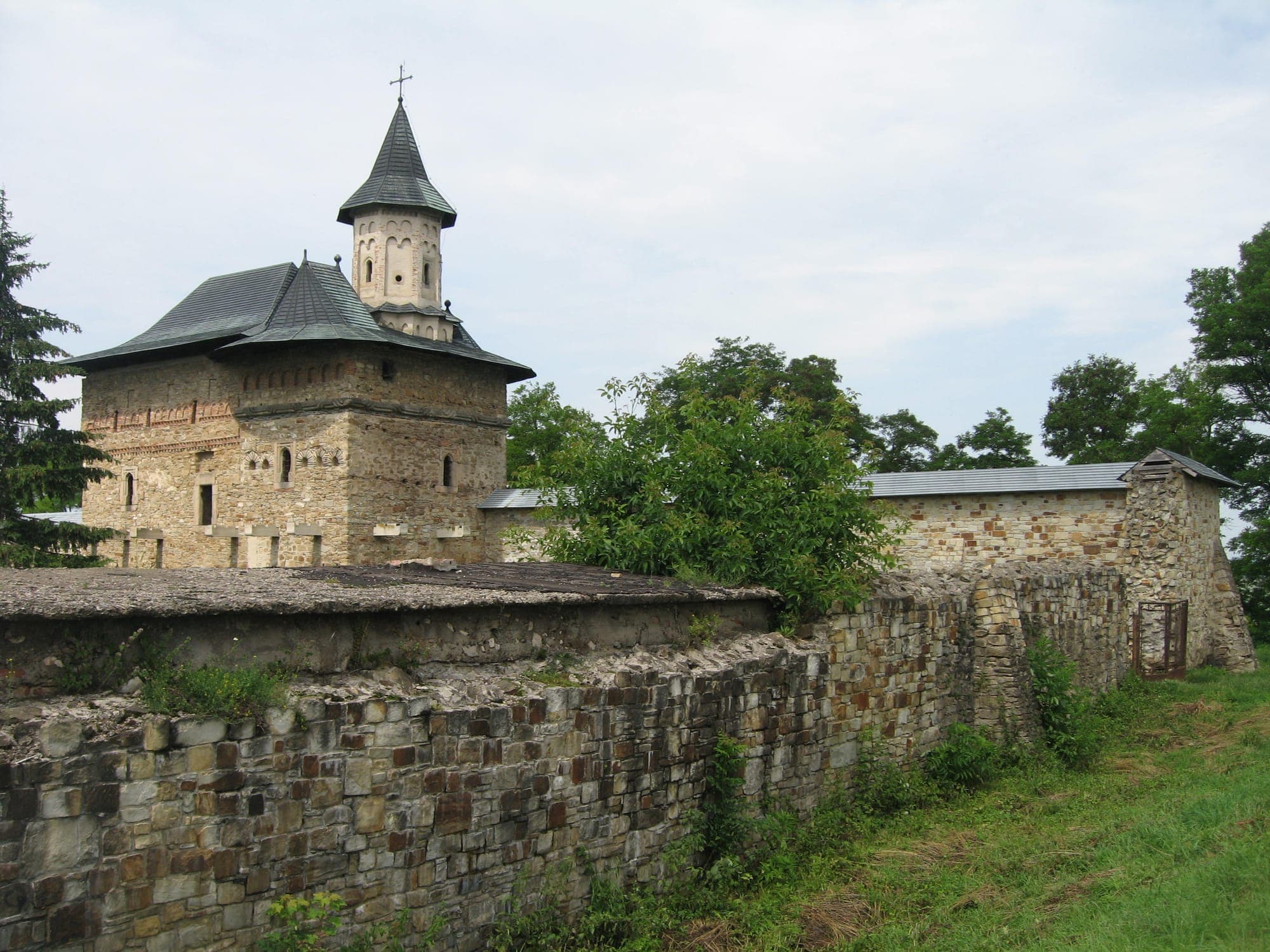
Zamca is a fortified medieval complex, regarded as the most important religious building raised by the Armenians of Suceava. It stands on a plateau on the western edge of the city, inside stone walls forming a trapezium (sides of 59 to 74 metres, one metre thick), with an earth rampart and a ditch around them. Armenians had settled in Suceava as early as the 14th century; the monastery was built in the early 17th century, and the year 1606 is carved on the keystone of the bell-tower arch. Armenian tradition names the brothers Hagop, Auxent and Grigor as its founders.
The name probably comes from the soldiers of the Polish king John Sobieski, who left a garrison here in 1691: "zamek" means "small fortress". Later, after the Austrians annexed northern Moldavia, the church was used as an ammunition store, and the Armenians won the monastery back in court only in 1827. Consolidation works began in 1994, and the church was re-consecrated on 14 August 2004.
What you can see
The church of St Auxentius is a stone building, plain on the outside, with a porch, nave and altar, and three altars in the manner of Armenian churches: one central and two in niches with stone tables. Only traces of the old painting remain, and in the nave lies the tombstone of Agopșa Vartan, the founder of the church. The bell tower, 26 metres high and more richly decorated than the church, has the vaulted gateway at ground level and, upstairs, a chapel dedicated to St Gregory the Illuminator. The west wing, with the gate, was the residence of the Armenian bishop; on its upper floor is the chapel of St Mary, with relief rosettes and a small octagonal turret. In the courtyard stands a well about 18 metres deep.
Good to know
Zamca belongs to the Armenian Apostolic Church and has no monastic community: services are held weekly, and around 15 August the Armenian community makes a pilgrimage to the Armenian monasteries of Suceava, with a liturgy at Zamca as well.
Information verified on 29 October 2026.
- The 26-metre bell tower, with its arcade decoration and the vaulted gateway into the courtyard.
- The tombstone of Agopșa Vartan in the nave of the church of St Auxentius.
- The church's three altars, in the Armenian manner, two of them in niches with stone tables.
- The chapel of St Mary in the west wing, with its relief rosettes and octagonal turret.
- The earth rampart and ditch around the walls, left from the Polish garrison of 1691.
Good to know before you go
- Getting there
By car: through western Suceava, along Strada Zamca to its end, where the monastery stands (well signposted). It is ~4 km (~7 min) from the Suceava Fortress, ~3 km (~5 min) from the Monastery of St John the New, and ~5 km (~8 min) from Suceava railway station. From Gura Humorului it is ~35 km (~45 min), from Rădăuți ~37 km (~45 min), from Iași ~147 km (~2 hours 45 minutes). It combines easily with the Suceava Fortress and the Monastery of St John the New.
- Rules
It is a working place of worship: modest dress (shoulders and knees covered) and quiet in the grounds, especially during services. Ask before taking photographs inside.
Frequently asked questions about Zamca Monastery
How long does a visit to Zamca Monastery take?
A visit to Zamca Monastery takes about 30 min (courtyard and exterior).
Can you visit Zamca Monastery with kids?
Yes, Zamca Monastery is suitable for children (quiet grounds).
How do I get to Zamca Monastery?
Zamca Monastery is located at Strada Zamca 30, Suceava, Suceava County. More under “Getting there”
When is the best time to visit Zamca Monastery?
The best season for Zamca Monastery: All year round (summer, with green grass).
Reviews
Other attractions nearby
The closest attractions to Zamca Monastery, sorted by distance.
 2 km from Zamca Monastery
 Top 1003 km from Zamca Monastery
 3 km from Zamca Monastery


