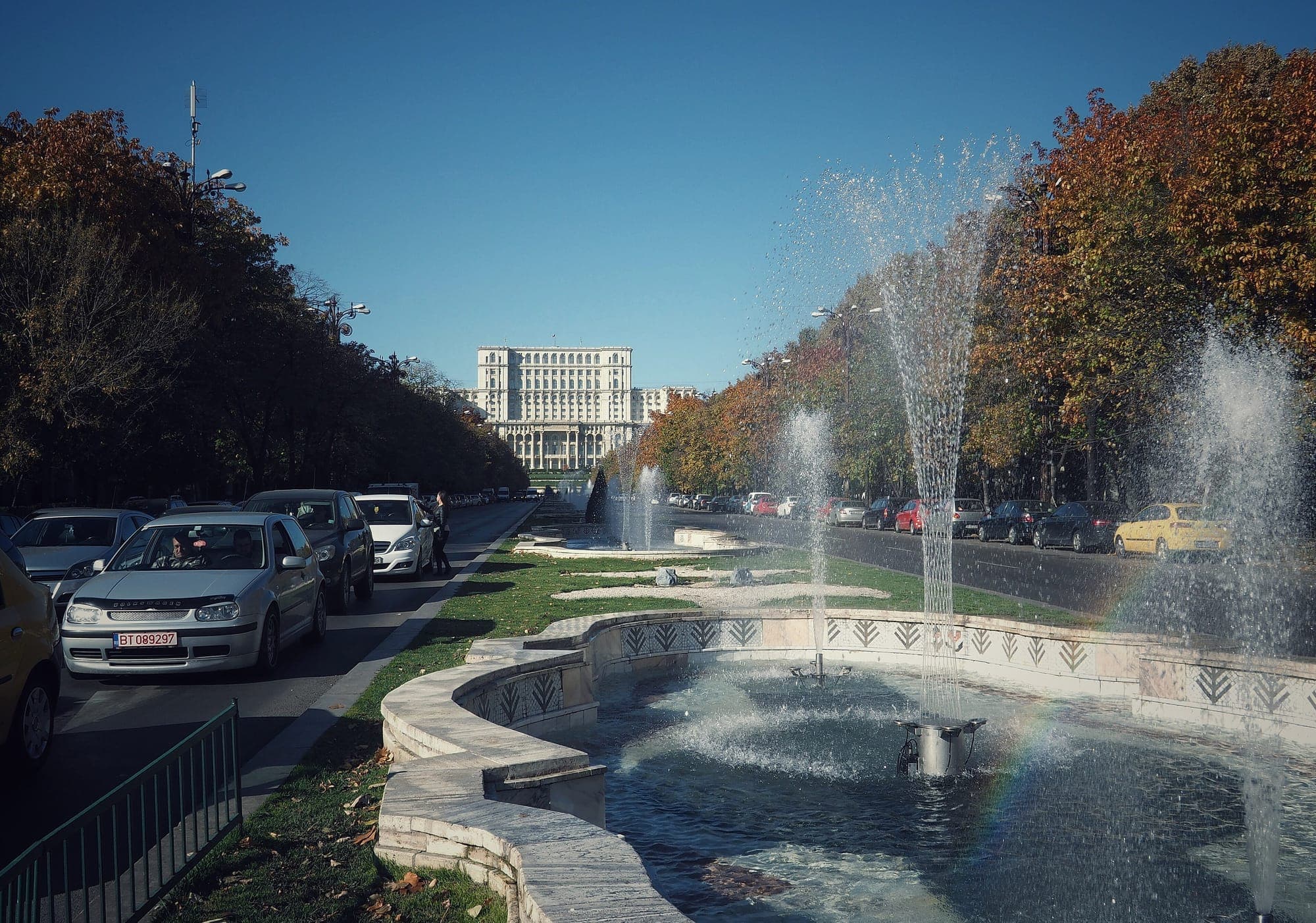
The heaviest building in the world, raised by Ceaușescu in the 1980s on Spirii Hill; the guided tour passes through marble-clad state rooms hung with crystal chandeliers weighing several tonnes.
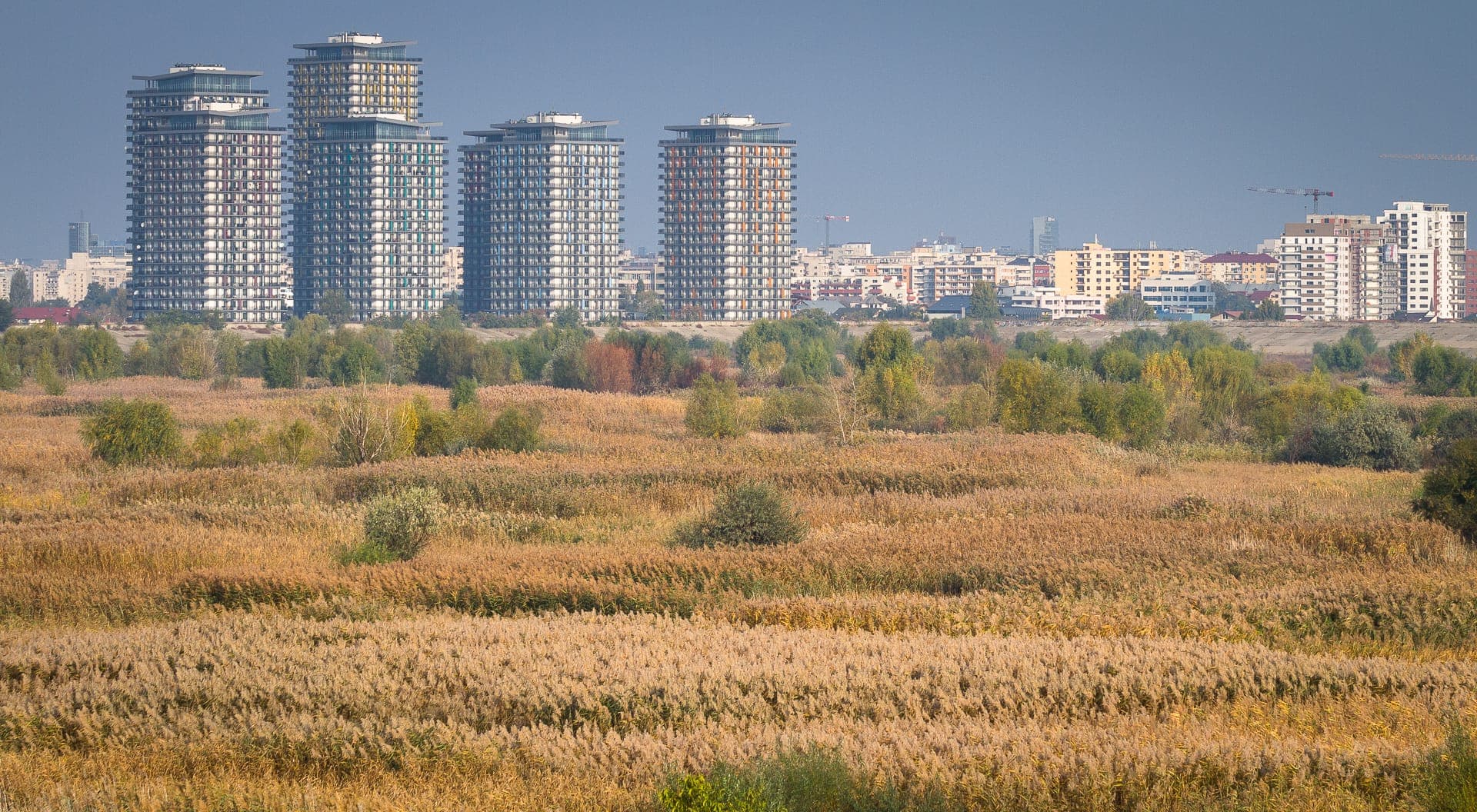
Romania's first urban nature park: 183 ha of ponds, reed beds and willows inside an abandoned reservoir in southern Bucharest, home to over 180 bird species, otters and foxes, a few hundred metres from the tower blocks.
The royal residence of King Ferdinand and Queen Marie, today the seat of the Romanian Presidency and the National Cotroceni Museum: period salons, the king's library, the queen's apartments and Șerban Cantacuzino's rebuilt church.
The Bucharest home of Nicolae and Elena Ceaușescu from 1965 to 1989, also known as the Ceaușescu Mansion or Spring Palace, with its lavish interiors, mosaic pool and private cinema, seen on guided tours only.
The former residence of Romania's kings on Revolution Square, now the National Museum of Art of Romania: the Throne Hall, the Voivodes' Staircase and the country's largest collection of Romanian and European art.
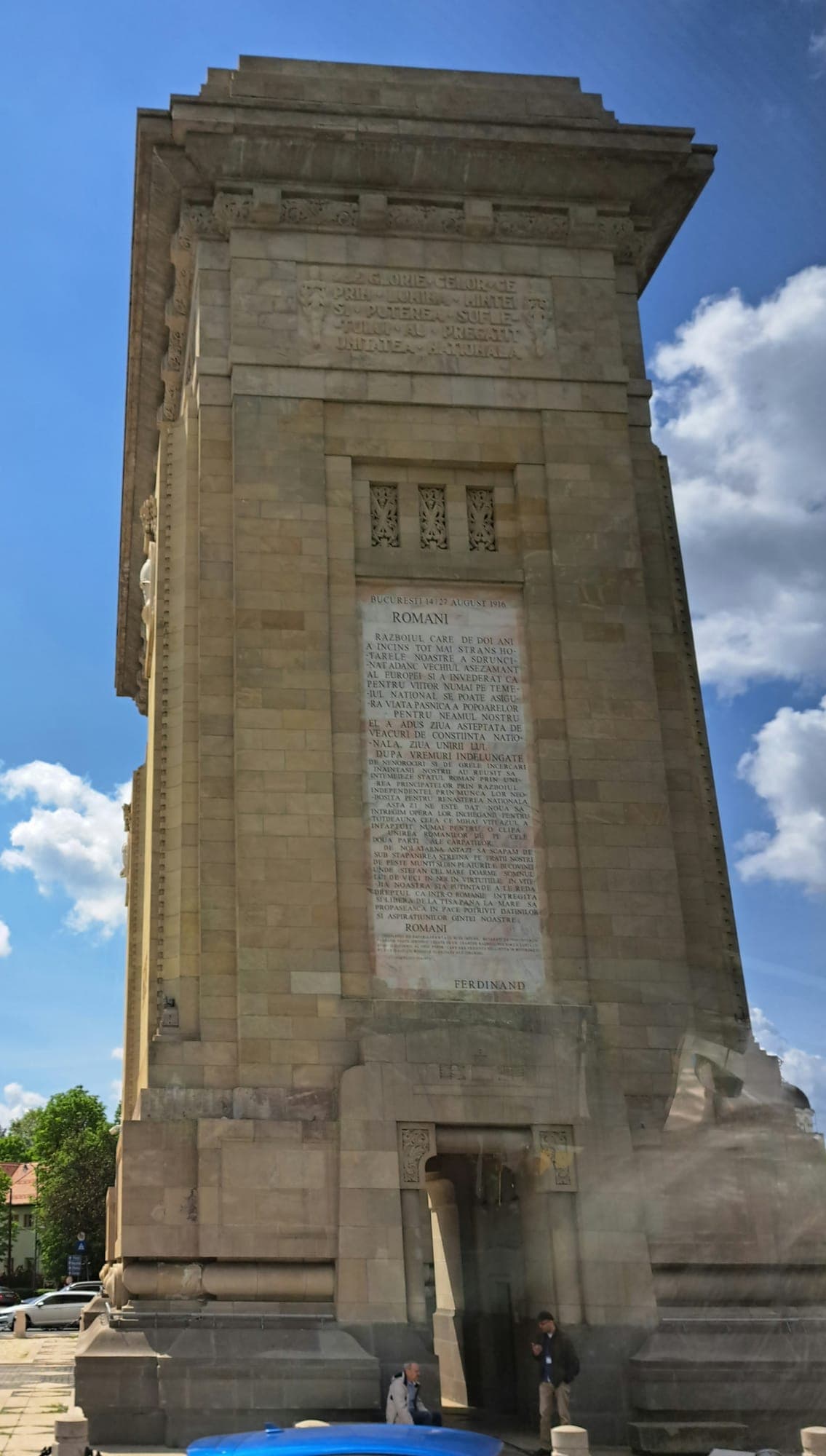
The 27 m interwar monument at the end of Șoseaua Kiseleff, built in memory of the Great Union, with 292 steps up to a terrace overlooking northern Bucharest.
The capital's zoological garden, open since 1959 in Băneasa Forest, with tigers, lions, bears, wolves, zebras, monkeys and more than 150 species on almost 6 hectares.
An open-air ethnographic museum on the shore of Lake Herăstrău, in the middle of Bucharest: farmsteads, wooden churches, mills and workshops brought from all over the country and rebuilt here since 1936.
Museums and memorial housesVillages and traditions
The museum on Kiseleff Road holds the 1907 dioramas, the Deinotherium skeleton and over 2 million zoological, palaeontological and mineralogical pieces, in a building inaugurated in 1908.
An inn from 1808, built by the merchant and diplomat Manuc Bei beside the Old Court: a listed building with an inner courtyard and wooden balconies, where the 1812 Russo-Turkish peace talks took place.
The museum in the Neo-Romanian building on Kiseleff Road, named European Museum of the Year in 1996, keeps over 100,000 objects of peasant art and civilisation.
A small convent in the Old Town with a Brâncoveanu-style church from 1724, façades painted with saints in medallions, an arcaded courtyard and a lapidary of stones from vanished Bucharest churches.
Monasteries and churchesMonuments and historic sites
 Top 20