A chain of travertine cascades on the Șipote stream, below the Bedeleu cliffs in the Trascău Mountains: the last one drops straight into the Arieș by the DN75, the upper ones are reached on a nature trail from Sălciua.
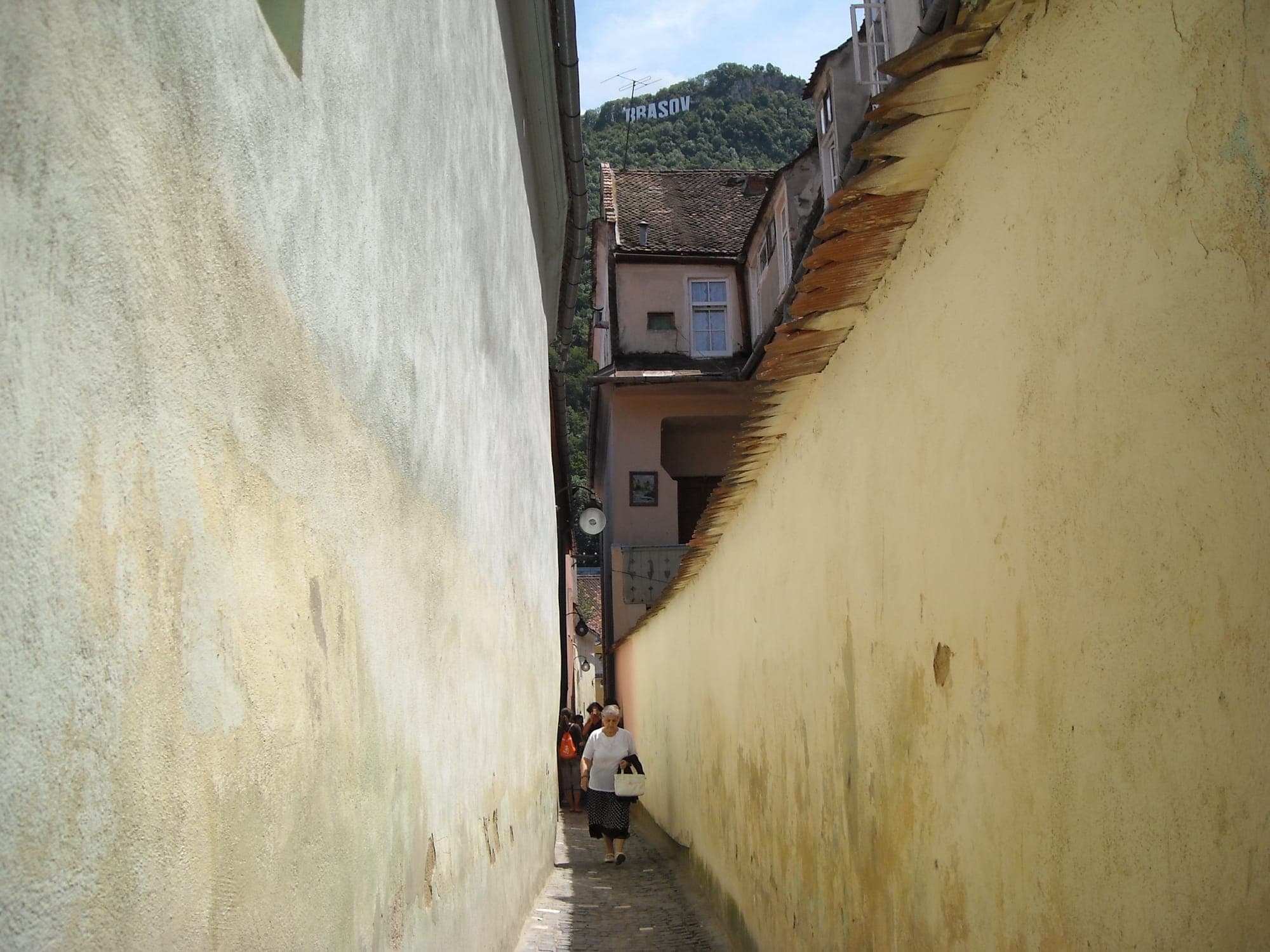
A passage 1.1–1.35 m wide in Brașov's old town, recorded in the 17th century and counted among the narrowest streets in Europe; closed for repairs since November 2025.
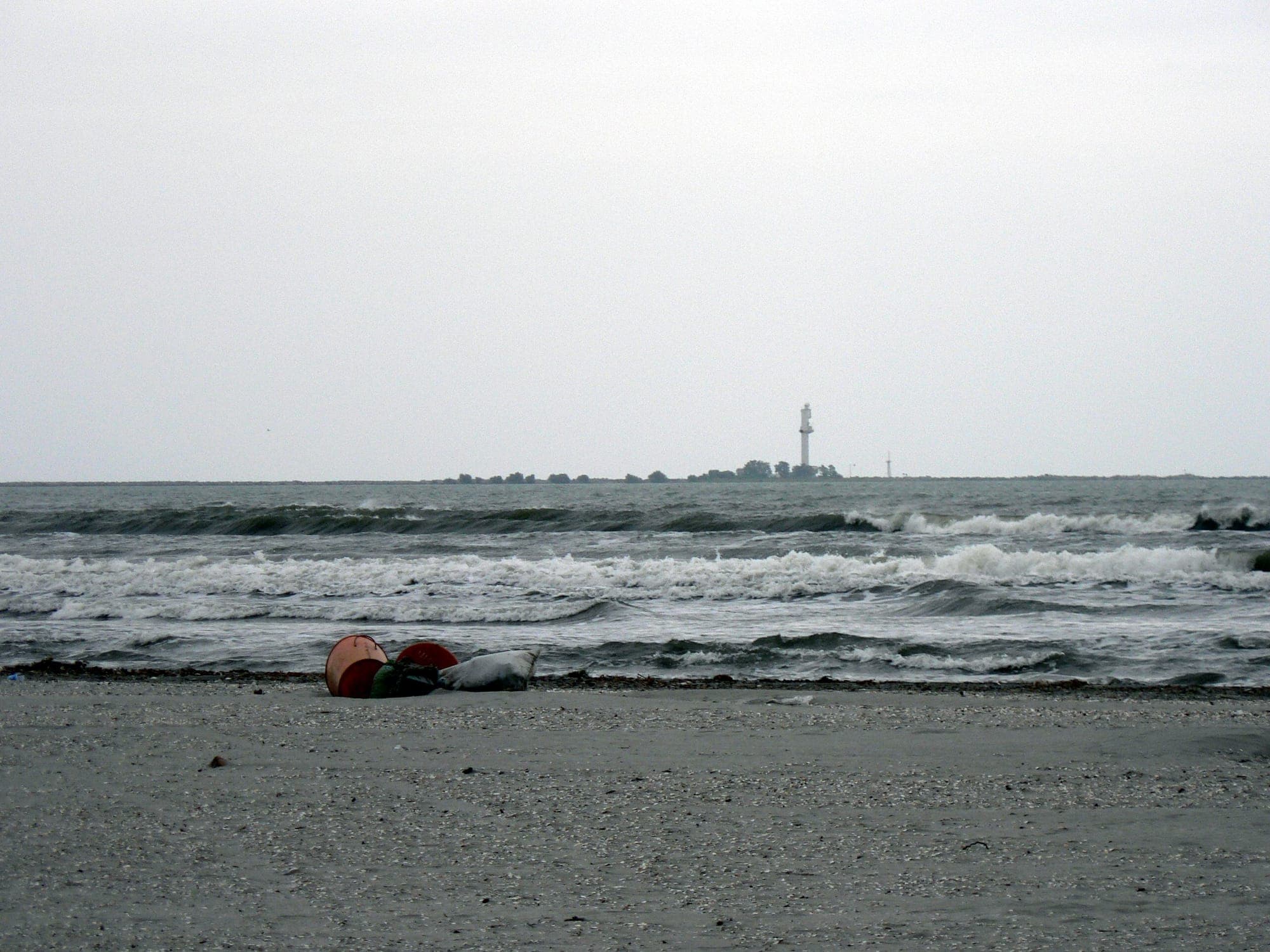
Romania's easternmost beach, where the Sulina branch meets the Black Sea: very fine alluvial sand, an unusually wide strip and water that stays shallow for tens of metres.
The oldest museum in Székely Land, in a building designed by Kós Károly in 1911–1912: history, ethnography, natural sciences and a garden with Székely gates.
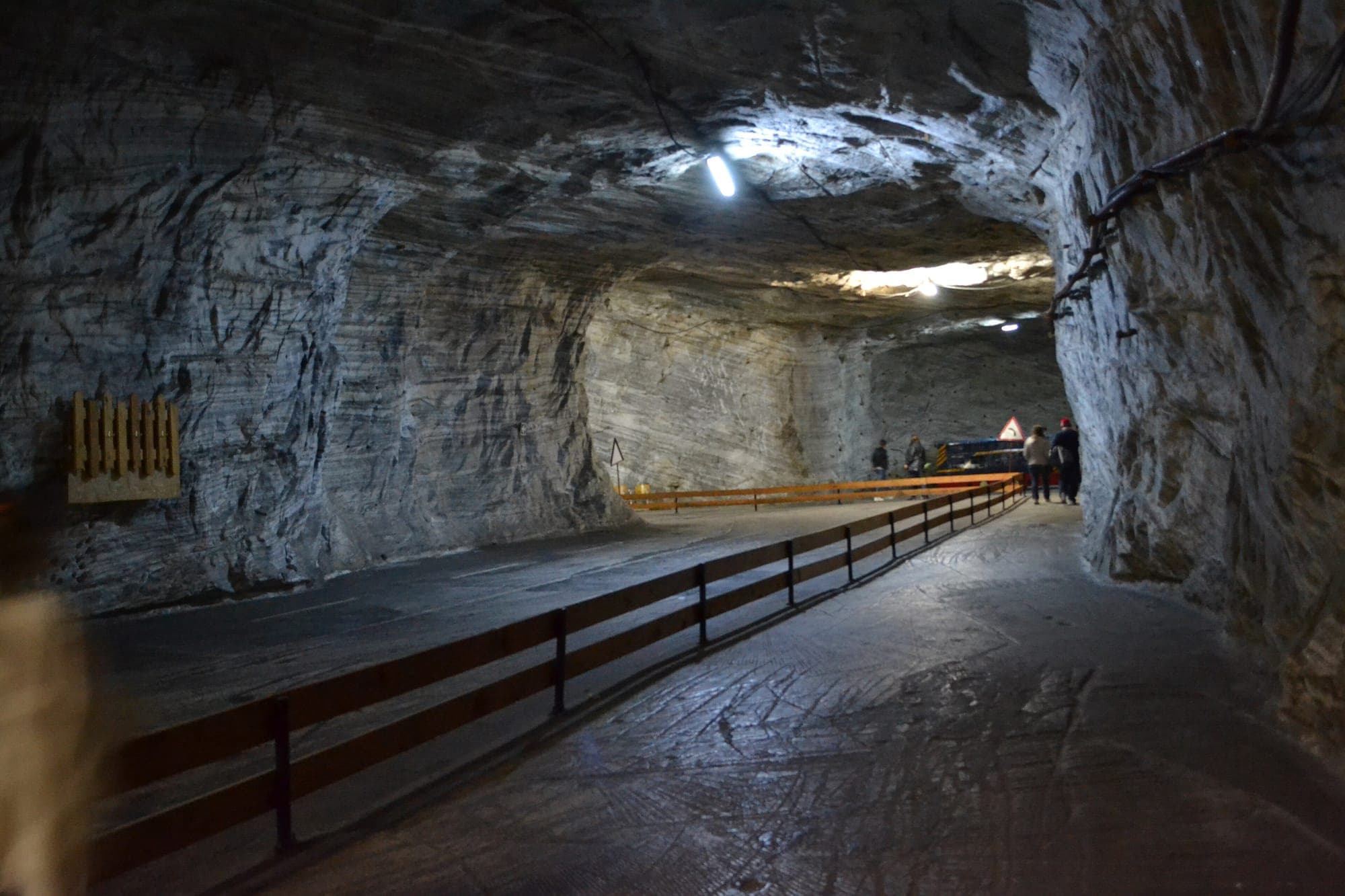
One of Moldavia's oldest salt mines, still being worked: a bus takes you through a tunnel over 3 km long to 240 m below ground, to a salt church, a lake with a waterfall and sports courts.
Bihor's county museum, housed since its move in the former Royal Cadet School of 1898: archaeology, history, art, ethnography, natural sciences and a vivarium under one roof.
Salt lakes formed over the old salt mines of Telega, near Câmpina: in summer you swim in water holding almost 277 g of salts per litre. The mine galleries cannot be visited.
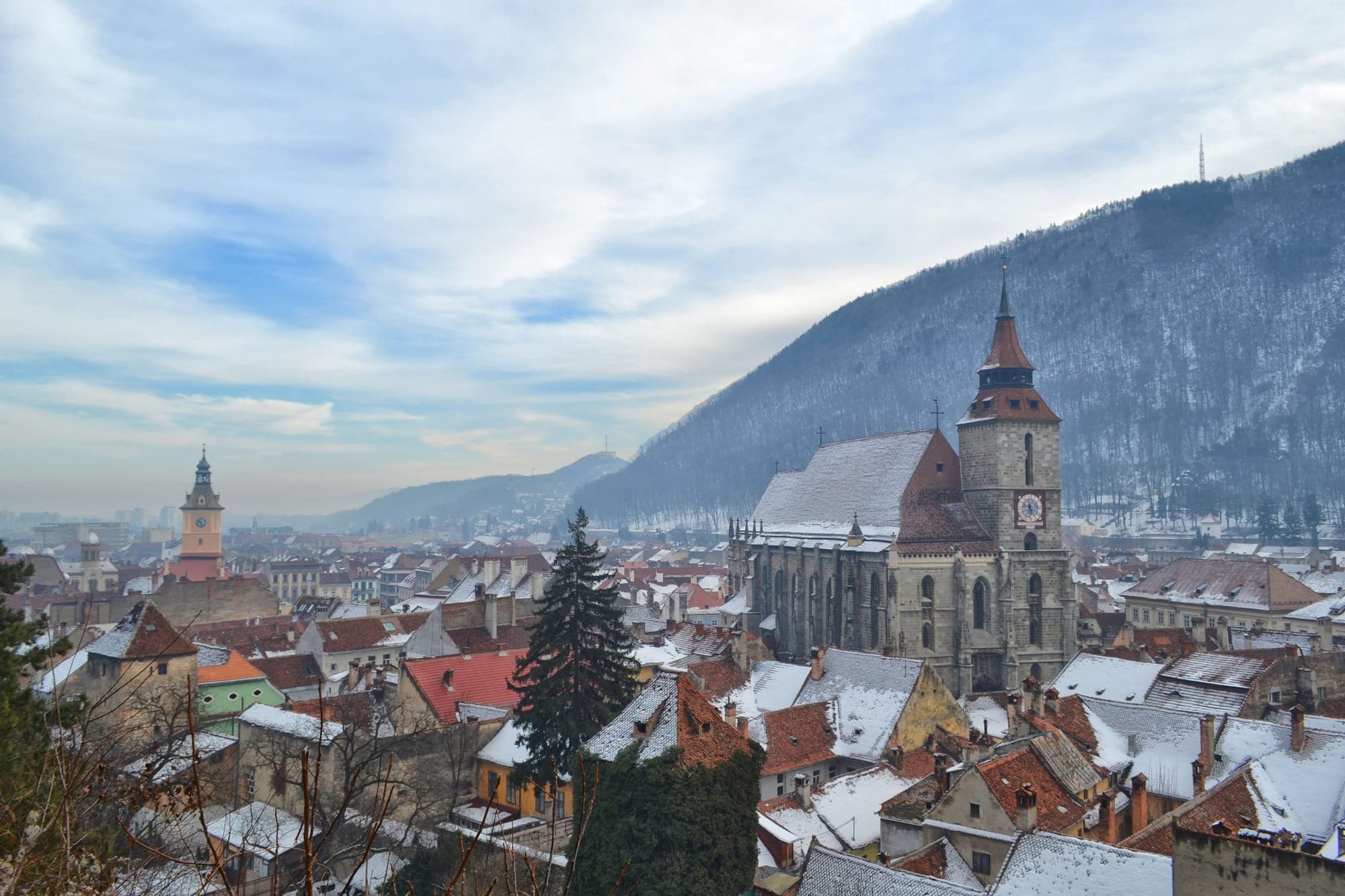
Romania's largest Gothic church, built by the Saxons of Brașov between 1383 and 1477; inside are the 1839 Buchholz organ and a rare collection of Anatolian carpets.
Monasteries and churchesMonuments and historic sites
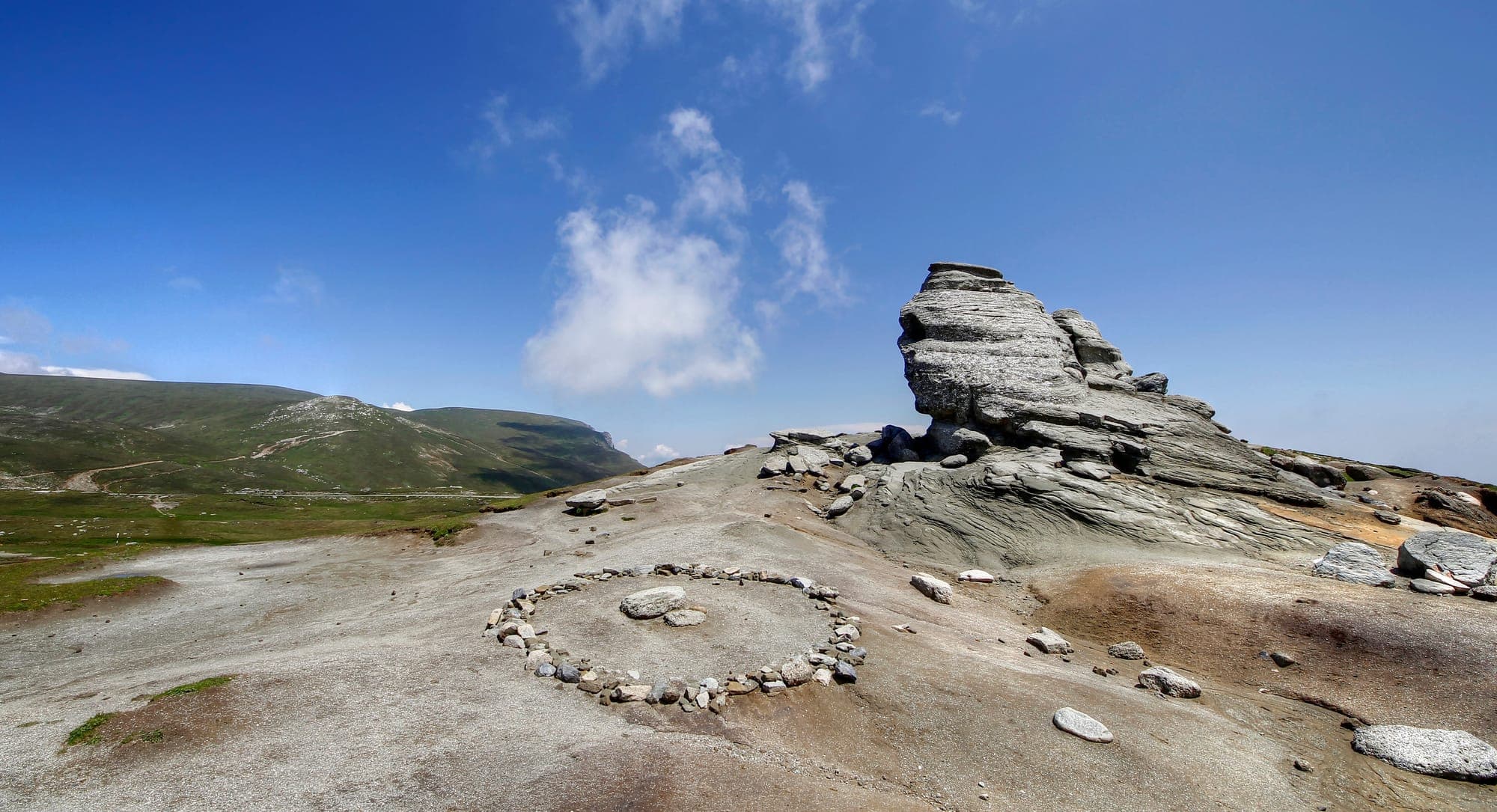
An 8 m conglomerate rock shaped by wind, frost and rain that, from certain angles, looks like a human head; it stands on the Bucegi plateau at 2,216 m, next to Babele.
A thermal and wellness complex on the edge of Bucharest, on the DN1: geothermal pools under a glass dome full of palm trees, water slides, saunas and a sandy beach open in summer.
A roughly 15 m waterfall on the eastern slopes of the Bucegi Mountains, an hour's easy forest walk from Bușteni; the most visited waterfall in the massif and a classic outing on the Prahova Valley.
A lit cave on the slopes of Postăvarul, between Râșnov and Poiana Brașov, with a great hall over 20 m high, visited with a guide and sometimes used for concerts.
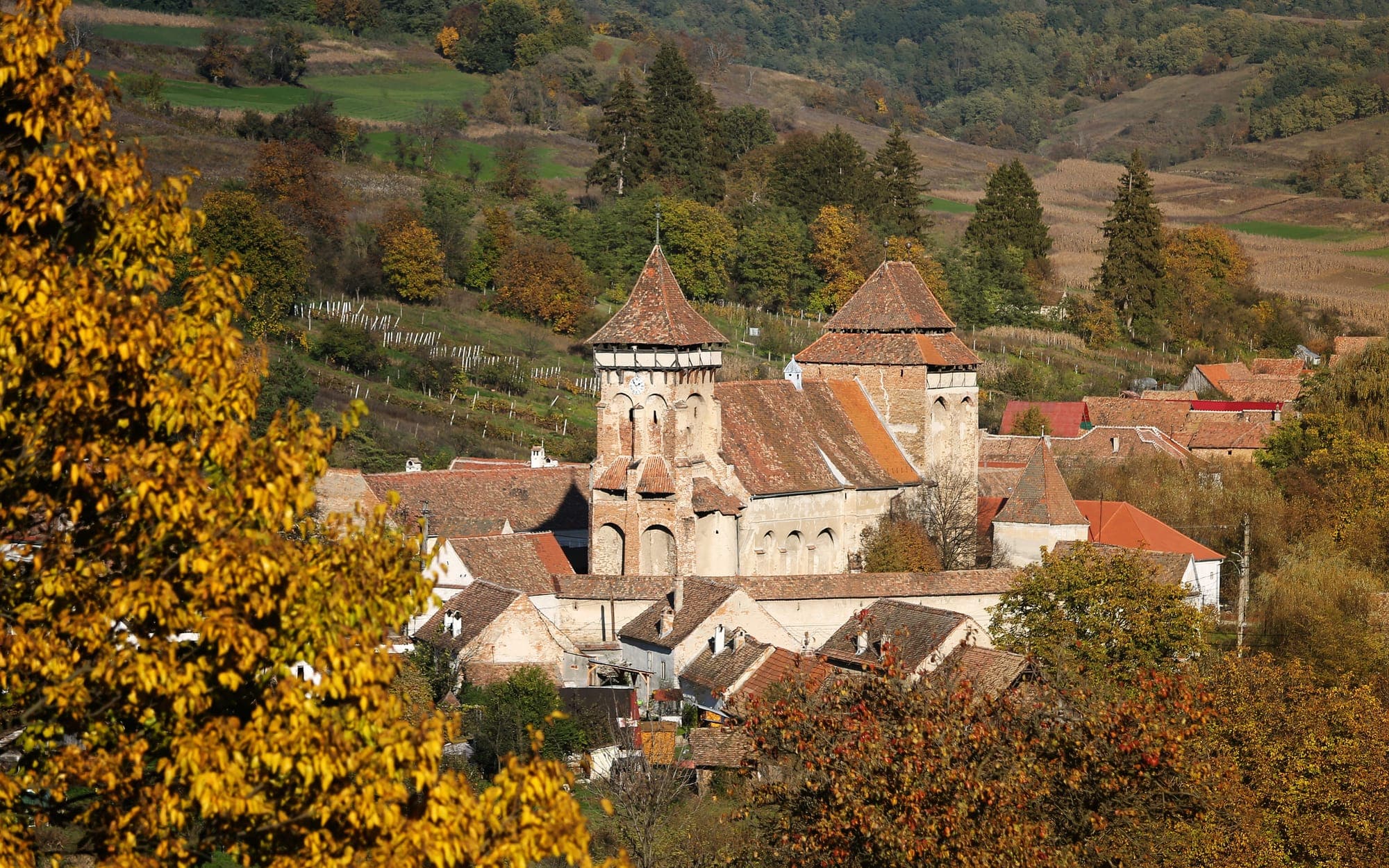
The Saxon church in a vineyard valley near Mediaș, with its choir turned into a defence tower, an almost intact oval wall and a wood-and-iron portcullis that has survived for centuries.
Monasteries and churchesFortresses and fortificationsUNESCO
The last working forest railway in the Carpathians: a steam-hauled train climbs 21.6 km up the Vaser valley, through the Maramureș Mountains Nature Park, to Paltin station.
Monuments and historic sitesNational parks and reserves
A four-level cave in the Galbenul Gorge at the foot of the Parâng Mountains, with 860 m of lit galleries, cave bear bones and some of the oldest modern human remains in Europe.