The only surviving medieval gate of Brașov's walled town, a white tower of 1559 with four corner turrets and the town's coat of arms; next to it, the neoclassical Șchei Gate of 1827–1828.
Fortresses and fortificationsMonuments and historic sites
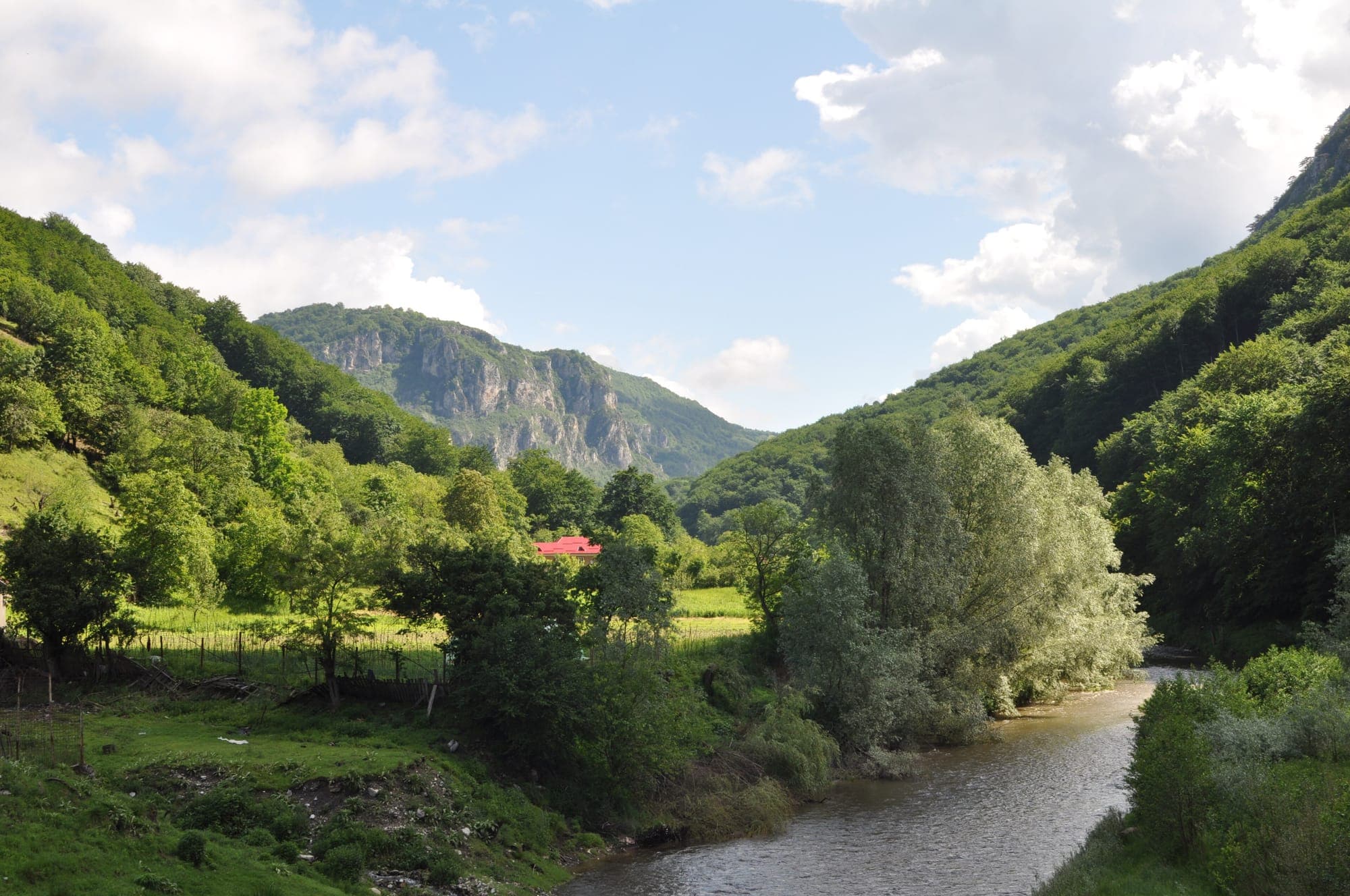
The DN67D links Baia de Aramă to Băile Herculane in about 65 km: it climbs to the Arșasca saddle at ~900 m and drops down the Cerna Valley, between limestone walls, through Domogled–Valea Cernei National Park.
A 13th-century Romanesque basilica turned Saxon fortress, 10 km from Sibiu: a bell tower with a clock dating from 1425, double walls and a small museum.
Monasteries and churchesFortresses and fortifications
The ~1,100 m pass where the DN17A crosses the Obcina Mare ridge between Vatra Moldoviței and Sucevița, with hairpins through spruce forest, wide views over the Bukovina hills and the road builders' “Palm” monument.
A wild, unlit cave in the Anina Mountains with more than 6 km of passages on three levels, 1,750 m of which you explore with a helmet and head torch, led by the national park's rangers.
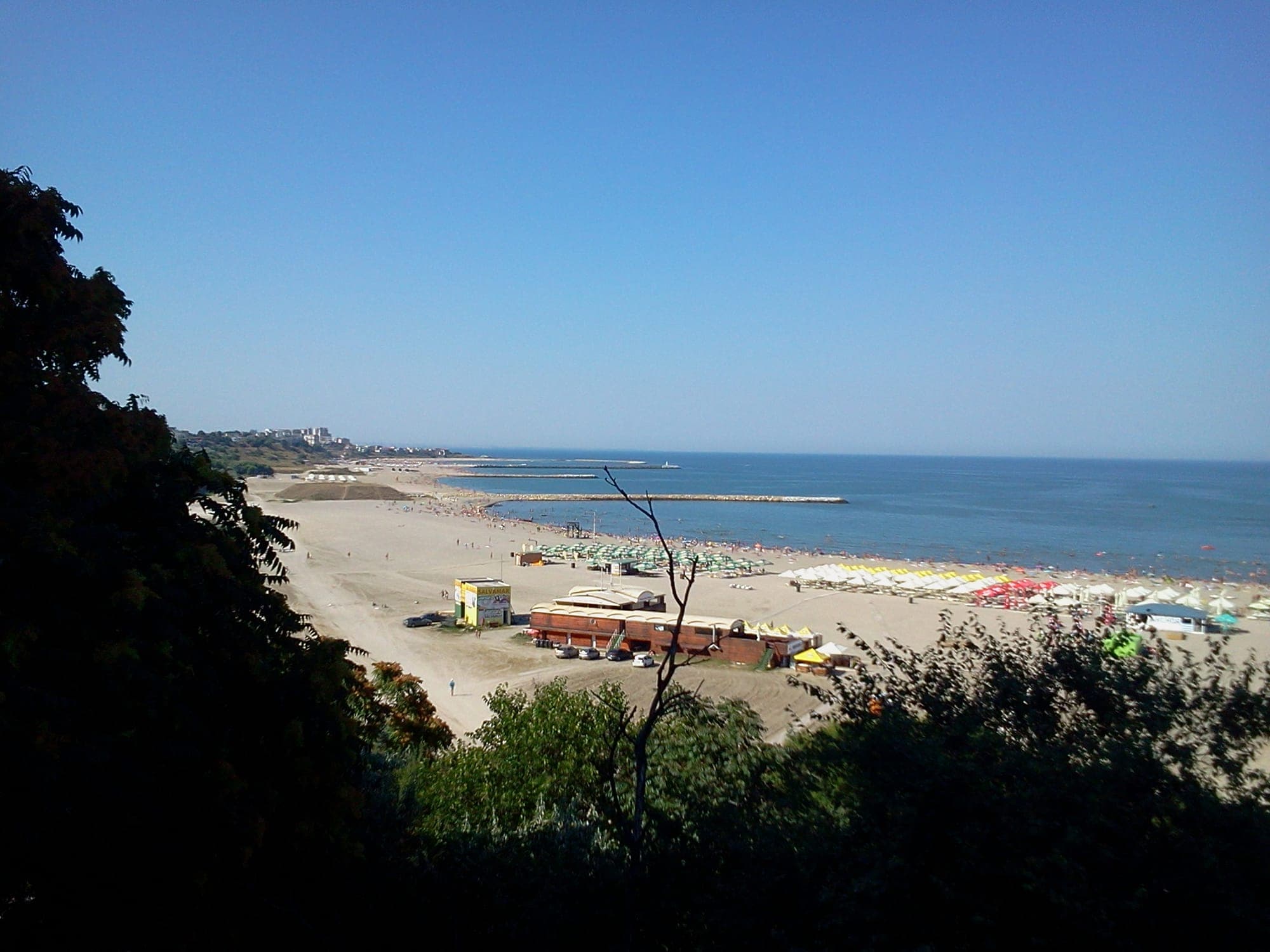
The city's own beaches, from the fish market down to the cliff below the old town: three and a half kilometres of replenished sand, with Modern, Trei Papuci and Tataia one after another.
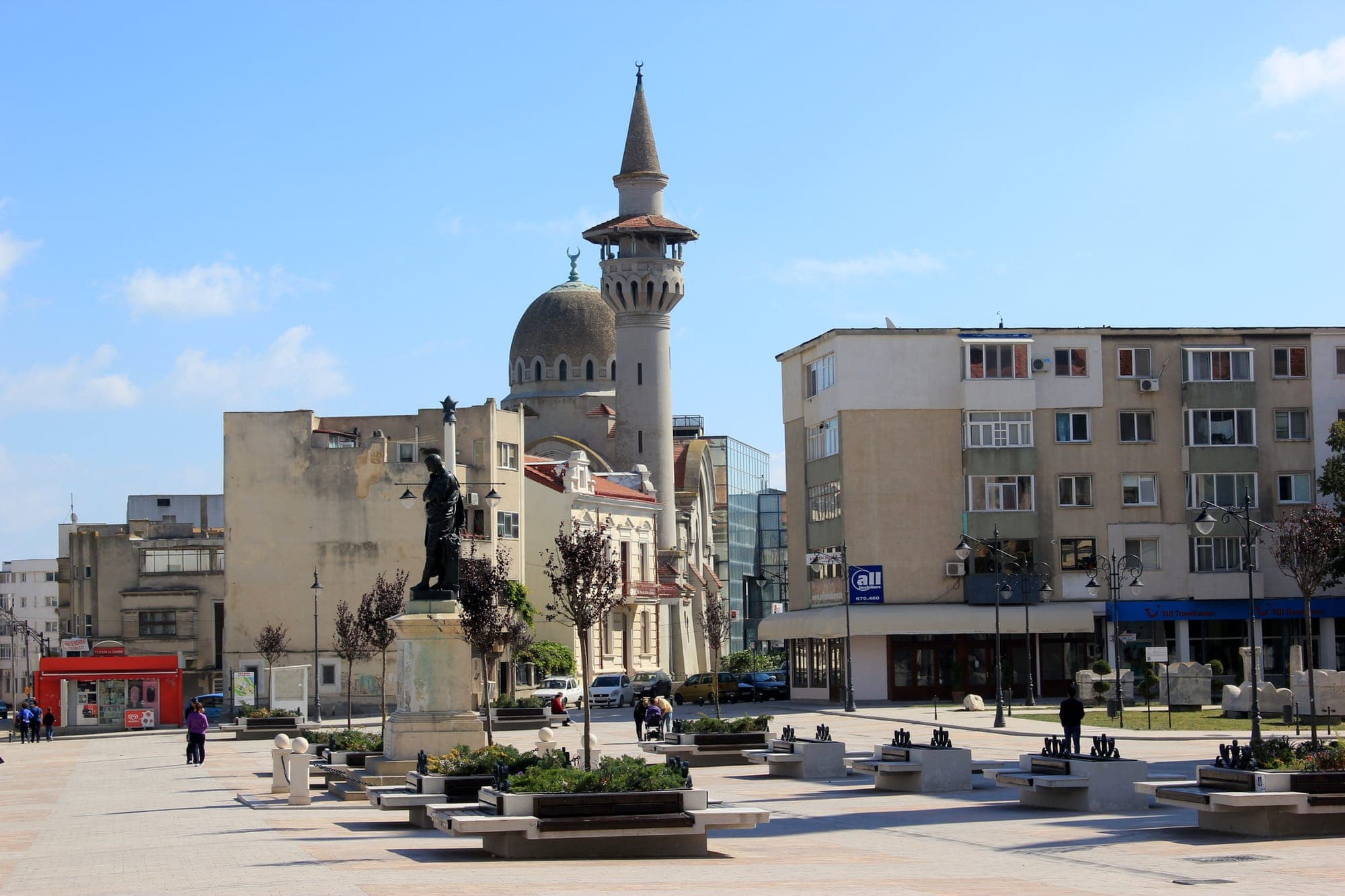
Constanța's old town, on the site of ancient Tomis: Ovid Square, the Roman mosaic, the mosque and its minaret, the cathedral, the Genoese Lighthouse and the casino seafront, all a few steps apart.
One of the strongest Dacian fortresses in the Orăștie Mountains: murus dacicus walls, six towers and a dog-leg entrance, on a wooded hill above Costești, a UNESCO site.
Fortresses and fortificationsMonuments and historic sitesUNESCO
The main square of old Brașov, lined with merchants' houses and dominated by the Council House, the old town hall with its watchtower, now the County History Museum, with Tâmpa as a backdrop.
Monuments and historic sitesMuseums and memorial houses
The museum in the Jean Mihail Palace, built in 1898–1907 to plans by Paul Gottereau, holds six works by Brâncuși, including “The Kiss”, as well as Romanian and European art.
A 19th-century Lutheran church with an 1813 organ, enclosed by an oval 15th-century wall, on a hill in the middle of a quiet Saxon village a few kilometres off the DN13.
Monasteries and churchesFortresses and fortifications
The narrowest stretch of the Danube Gorge, between Dubova and Ogradena: the river squeezes between limestone walls, with Serbia on the far bank, seen by boat or from Ciucaru Mare.
Galați's 3–4 km promenade, on two levels above the Danube, with metal sculptures from the 1976–1991 camps and restaurants on boats; under redevelopment since 2026.
An open-air ethnographic museum on the shore of Lake Herăstrău, in the middle of Bucharest: farmsteads, wooden churches, mills and workshops brought from all over the country and rebuilt here since 1936.
Museums and memorial housesVillages and traditions