
Lake Tarnița
Gilău, CJ
A reservoir almost 9 km long on the Someșul Cald, about 30 km from Cluj-Napoca, with wooded slopes, a 97 m arch dam and sailing or kayaking on the water.
Lakes
Open nowFree
A reservoir almost 9 km long on the Someșul Cald, about 30 km from Cluj-Napoca, with wooded slopes, a 97 m arch dam and sailing or kayaking on the water.
 Top 100
The longest developed beach on the Romanian coast: eight kilometres of sand on the spit between the Black Sea and Lake Siutghiol, widened by more than a hundred metres with dredged sand.

The town's own beach, running from the marina breakwater towards Saturn below the promenade rebuilt in 2022; since autumn 2026 it is being widened with sand, behind four new breakwaters.

The First World War heroes' mausoleum, built between 1923 and 1938 on the 1917 battlefield, with 5,073 soldiers in its crypts and a museum of the battles.
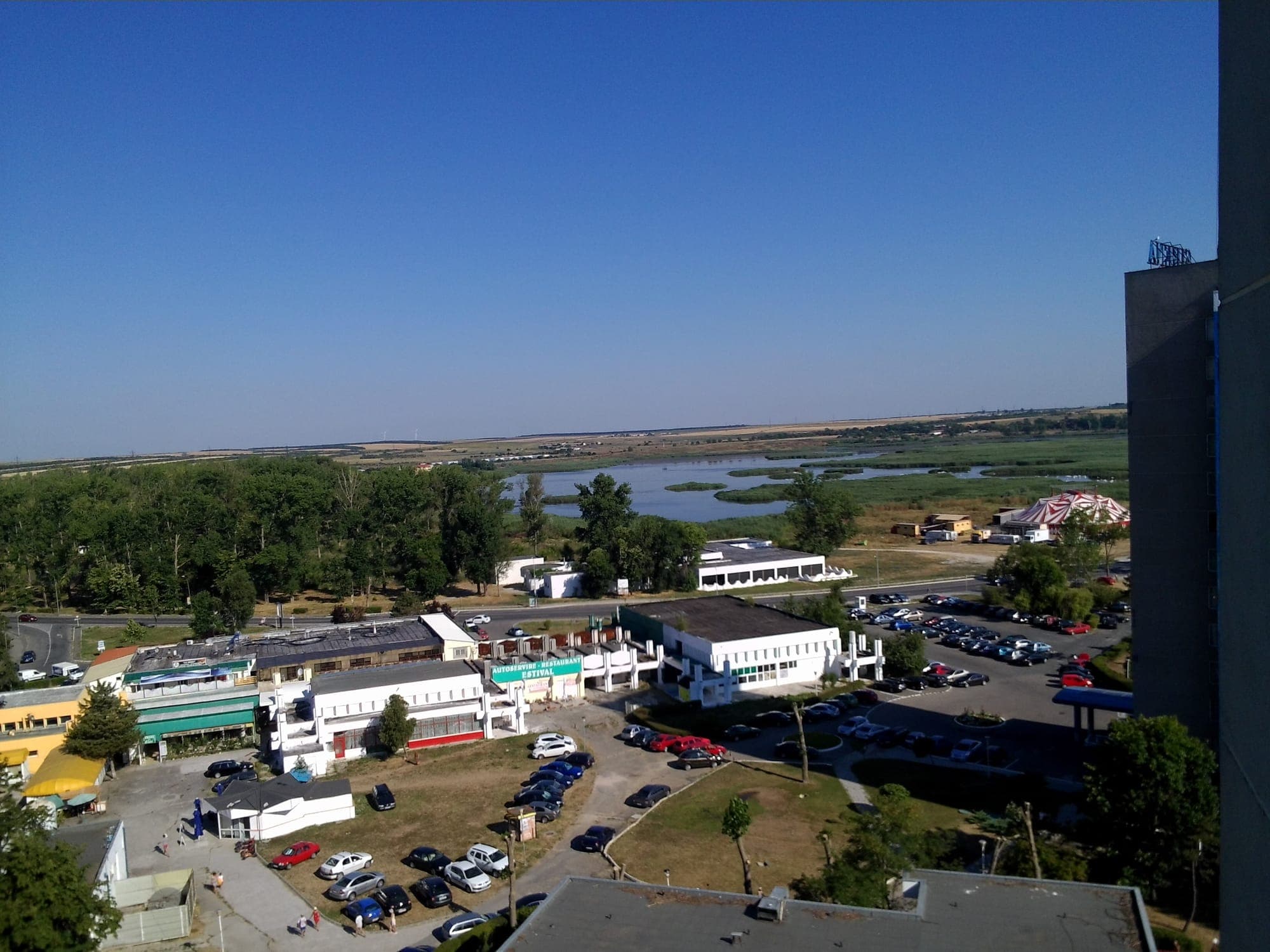
A 98-hectare former lagoon between Saturn and Venus, with reed beds, open water and sulphur springs where swans, egrets and black-winged stilts stop over; you watch it from the surrounding roads.

Founded by Petru Rareș in 1532, with a church painted on the outside in shades of yellow and blue and the famous Siege of Constantinople fresco; a UNESCO site in Bukovina.
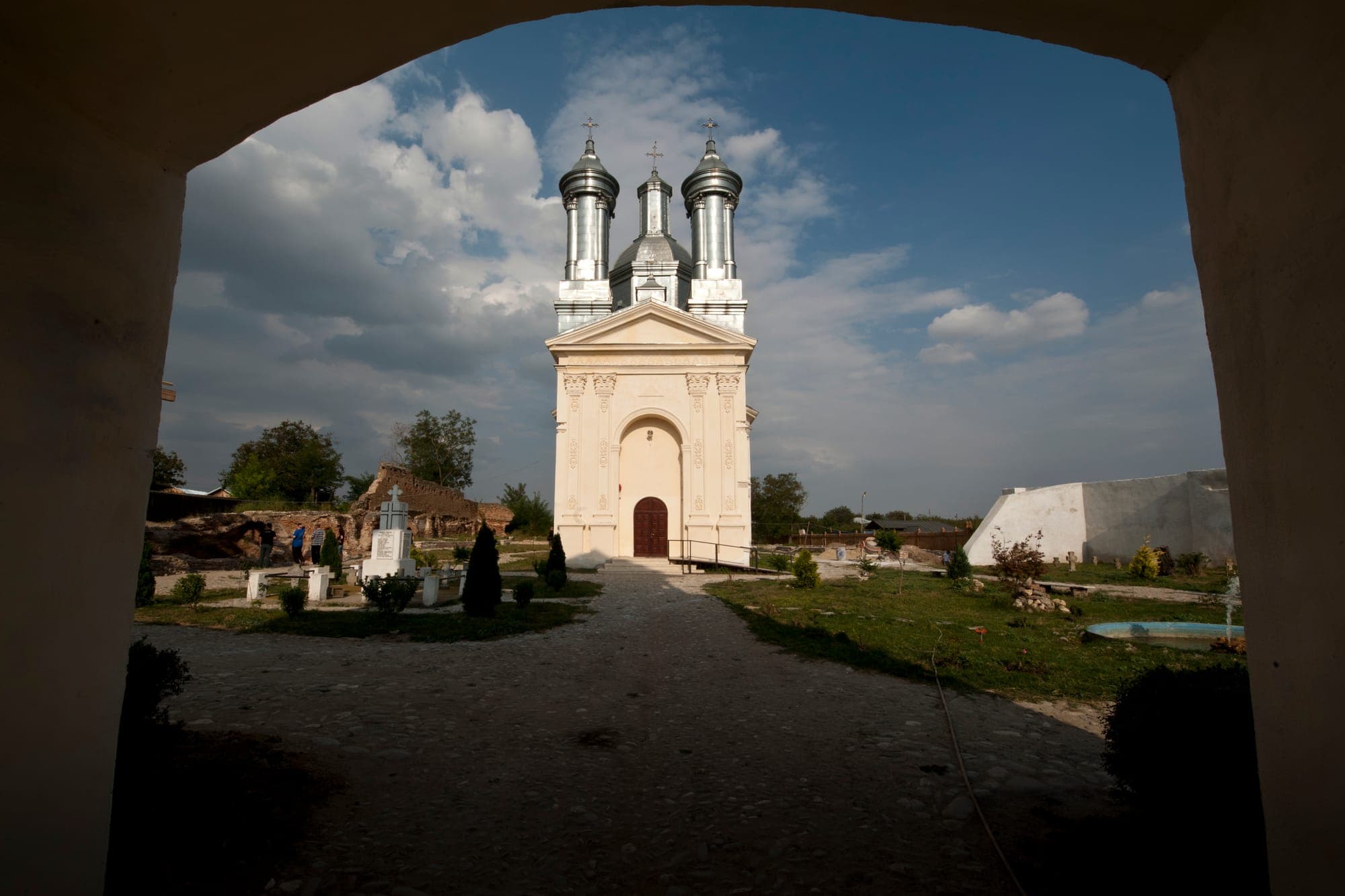
A foundation of 1648–1649 by Matei Basarab and Lady Elina on the bank of the Argeș: a three-towered church with 19th-century frescoes, restored with EU funds and reconsecrated in 2016.
 Top 100
A spa resort 15 km from Sibiu with salt lakes formed where old salt mines caved in: in summer you swim in water that keeps you afloat, between white banks of salt.

The Church of the Exaltation of the Holy Cross, built by Stephen the Great in 1487: his oldest surviving foundation, with the "Cavalcade of the Holy Cross" fresco; a UNESCO site near Suceava.
 Top 100
Vlad the Impaler's fortress, perched on a ridge above the Argeș Gorge on the Transfăgărășan; 1,480 steps lead up to walls that look out over the whole valley.

The northernmost bastion of Roman Dacia: the fort with its reconstructed gates, the paved imperial road, the civil town and the amphitheatre, on the hills at Moigrad in Sălaj.

The Oradea State Theatre building, designed by the Viennese firm Fellner & Helmer and opened in 1900: an Ionic portico on Piața Ferdinand and an auditorium with boxes and a balcony, still in use every week.

The oldest monastery in the Bărăgan, founded by the Grand Postelnic Ianache Caragea and rebuilt by Matei Basarab, with a 17th-century brick enclosure wall and a bell tower you enter through.
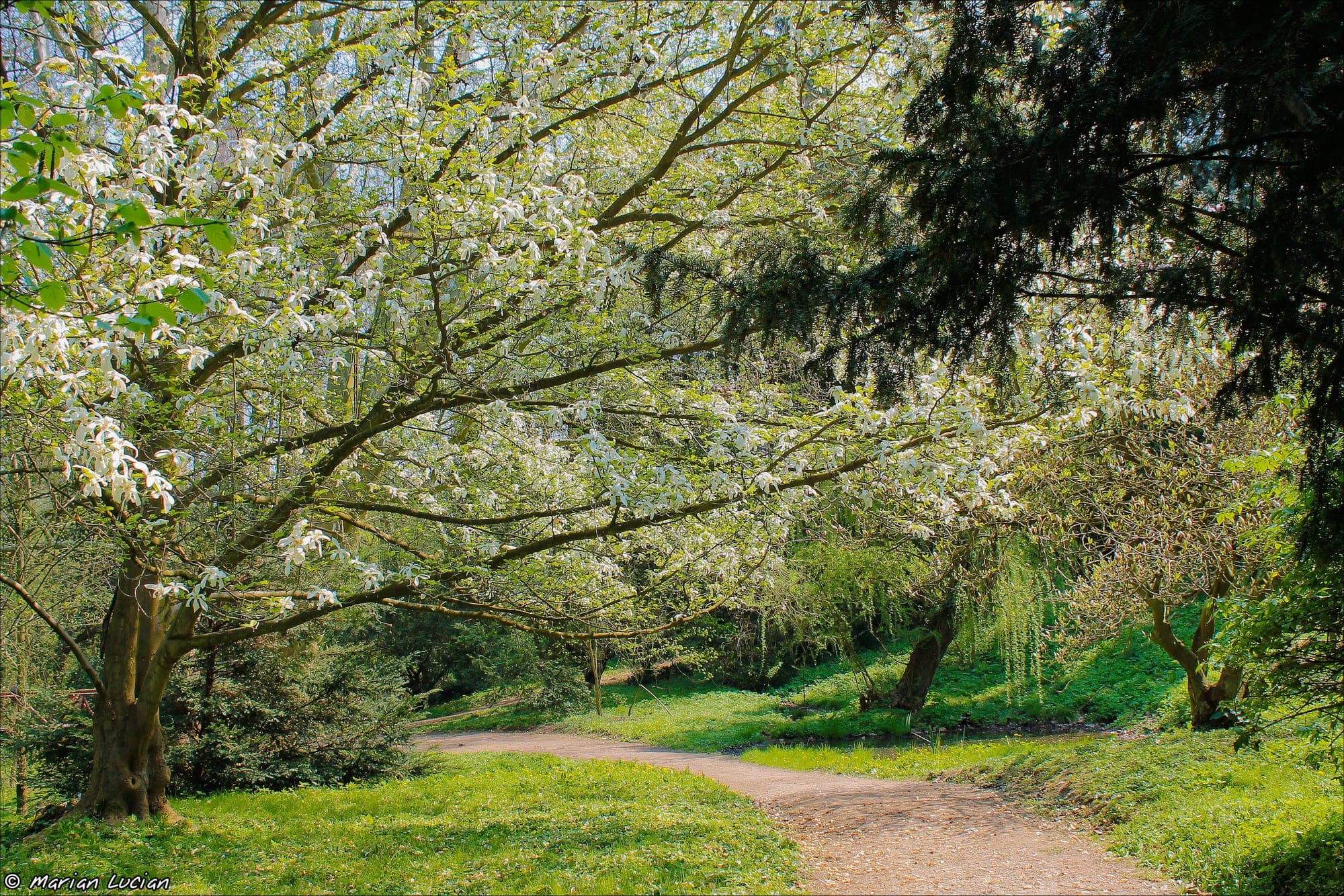
Romania's oldest dendrological park, on almost 70 hectares beside the Mureș: more than 2,000 taxa, magnolias in spring and paths among centuries-old trees.

A synagogue of 1877–1878 on the bank of the Crișul Repede, with a broad dome and a Moorish-style painted interior; restored and reopened in 2015, it is now a cultural venue.
Top 100Top 100Top 100