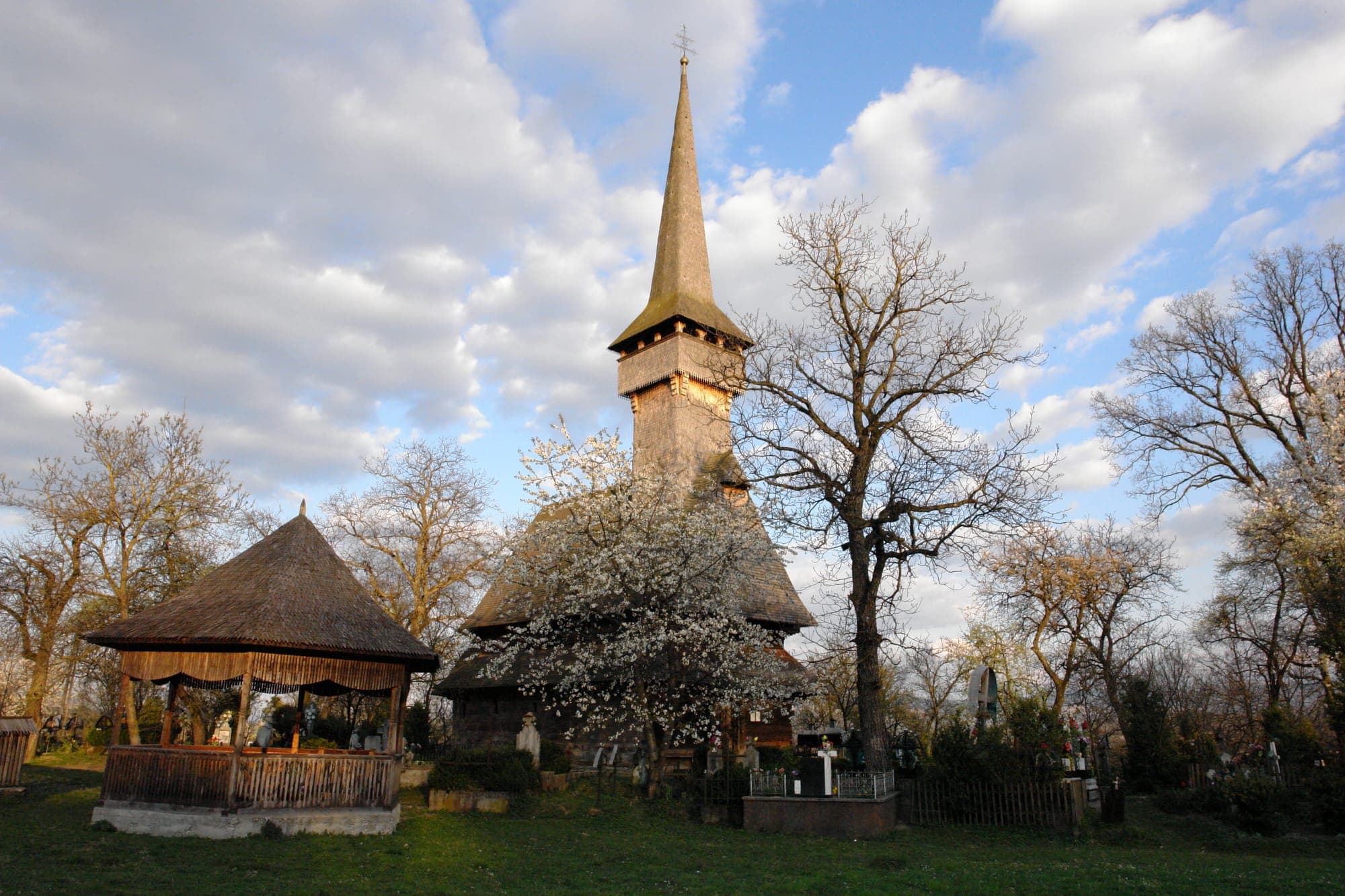
A wooden church from 1770 dedicated to Saint Paraskeva, painted in 1780 by Radu Munteanu with a crowded Last Judgement; one of the eight Maramureș churches on the UNESCO World Heritage List.
A 25 m, two-tier waterfall on the Rupturi stream, in the forests below Toaca peak in Ceahlău National Park; reached on foot from the Durău resort in about two hours.
WaterfallsNational parks and reservesMountains and trails
The house in the village of Liveni, rebuilt on the foundations of the one where George Enescu was born in 1881, holds an exhibition on the composer's childhood: the pianino, rugs, photographs and early scores.
A 14th-century Gothic church built by the noble Apafi family, with the largest ensemble of Gothic frescoes in Transylvania and a polyptych altarpiece that has stood in place for more than five centuries.
Monasteries and churchesFortresses and fortifications
An inn from 1808, built by the merchant and diplomat Manuc Bei beside the Old Court: a listed building with an inner courtyard and wooden balconies, where the 1812 Russo-Turkish peace talks took place.
A modern spa complex in Ocna Mureș, opened in 2023, with heated salt-water and fresh-water pools, saunas and treatments. It is above ground only: the old salt mine cannot be visited.
Romania's National Cathedral, on Arsenal Hill next to the Palace of the Parliament: a 127 m Neo-Byzantine church with its altar consecrated in 2018 and its painting consecrated in 2025, open to visitors only in announced periods.
The former residence of Romania's kings on Revolution Square, now the National Museum of Art of Romania: the Throne Hall, the Voivodes' Staircase and the country's largest collection of Romanian and European art.
The travertine gate carved by Constantin Brâncuși in 1937–1938 at the entrance to Târgu Jiu's Central Park, part of the “Heroes' Way” ensemble, a UNESCO World Heritage Site.
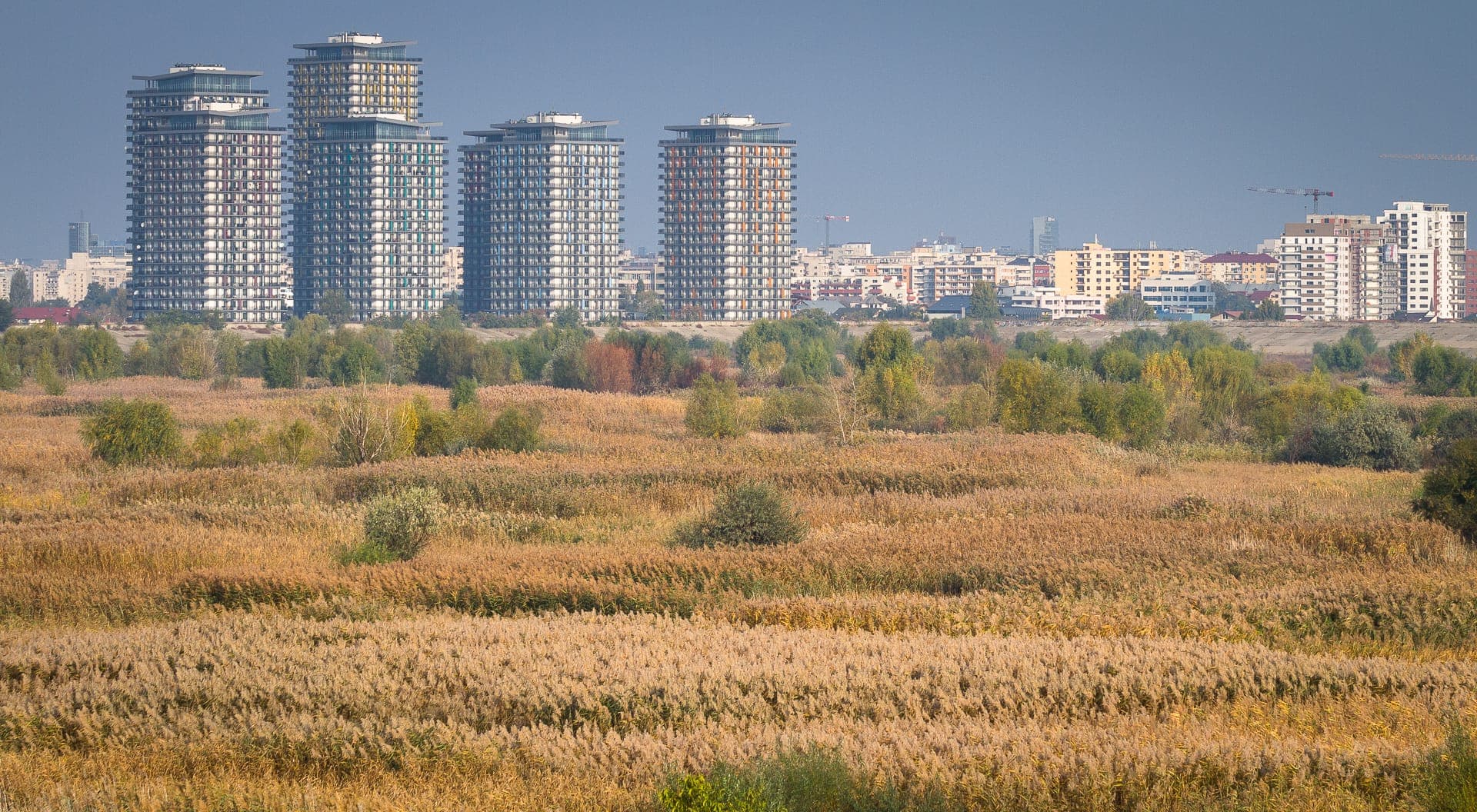
Romania's first urban nature park: 183 ha of ponds, reed beds and willows inside an abandoned reservoir in southern Bucharest, home to over 180 bird species, otters and foxes, a few hundred metres from the tower blocks.
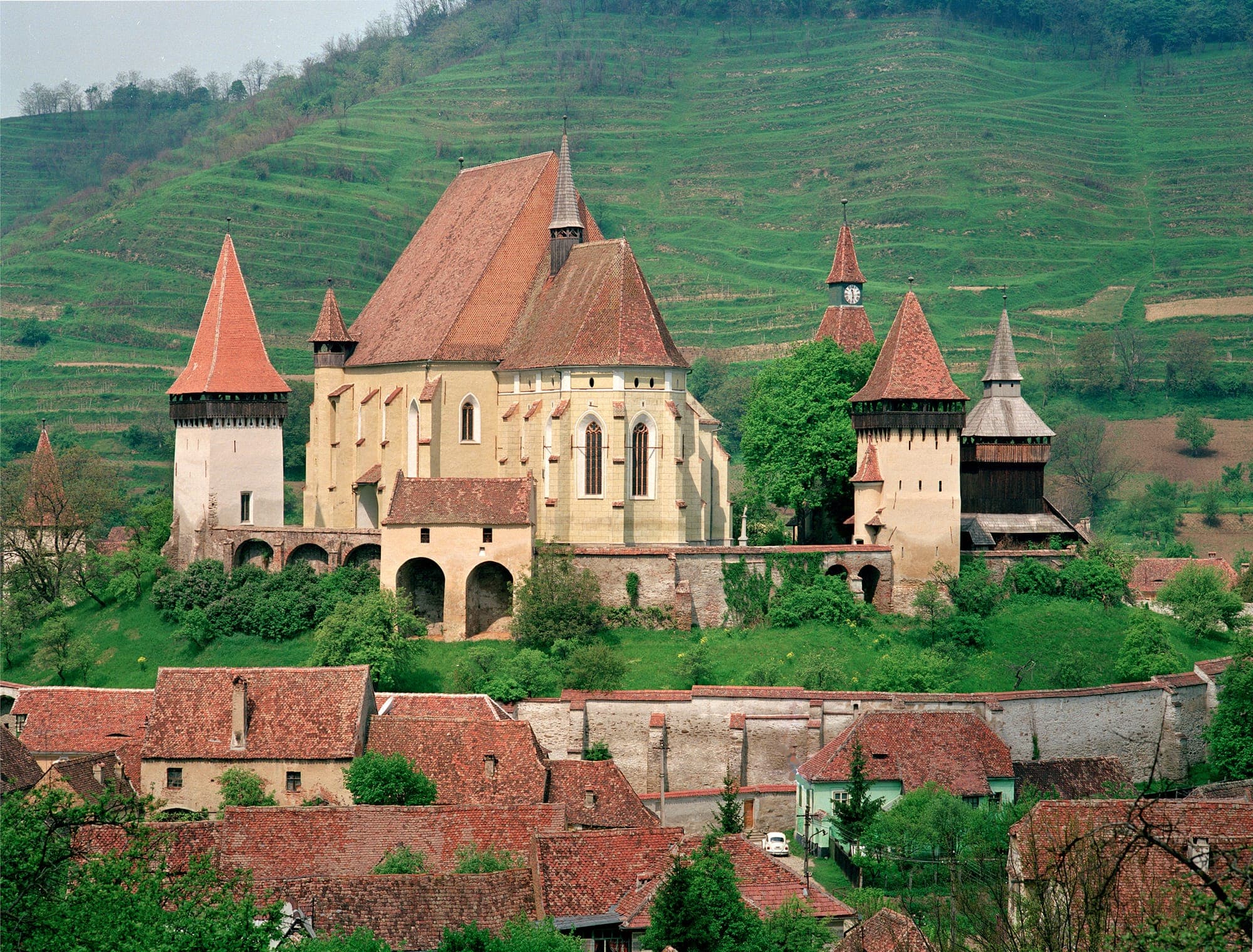
The Saxon church on the hill in the middle of the village, guarded by three rings of walls and towers; inside, Romania's largest polyptych altarpiece and a door with a lock from 1515.
Monasteries and churchesFortresses and fortificationsUNESCO
Romania's largest open-air museum, in the Dumbrava forest outside Sibiu: over 300 houses, mills, workshops and wooden churches brought from across the country, along ~10 km of paths.
Museums and memorial housesVillages and traditions
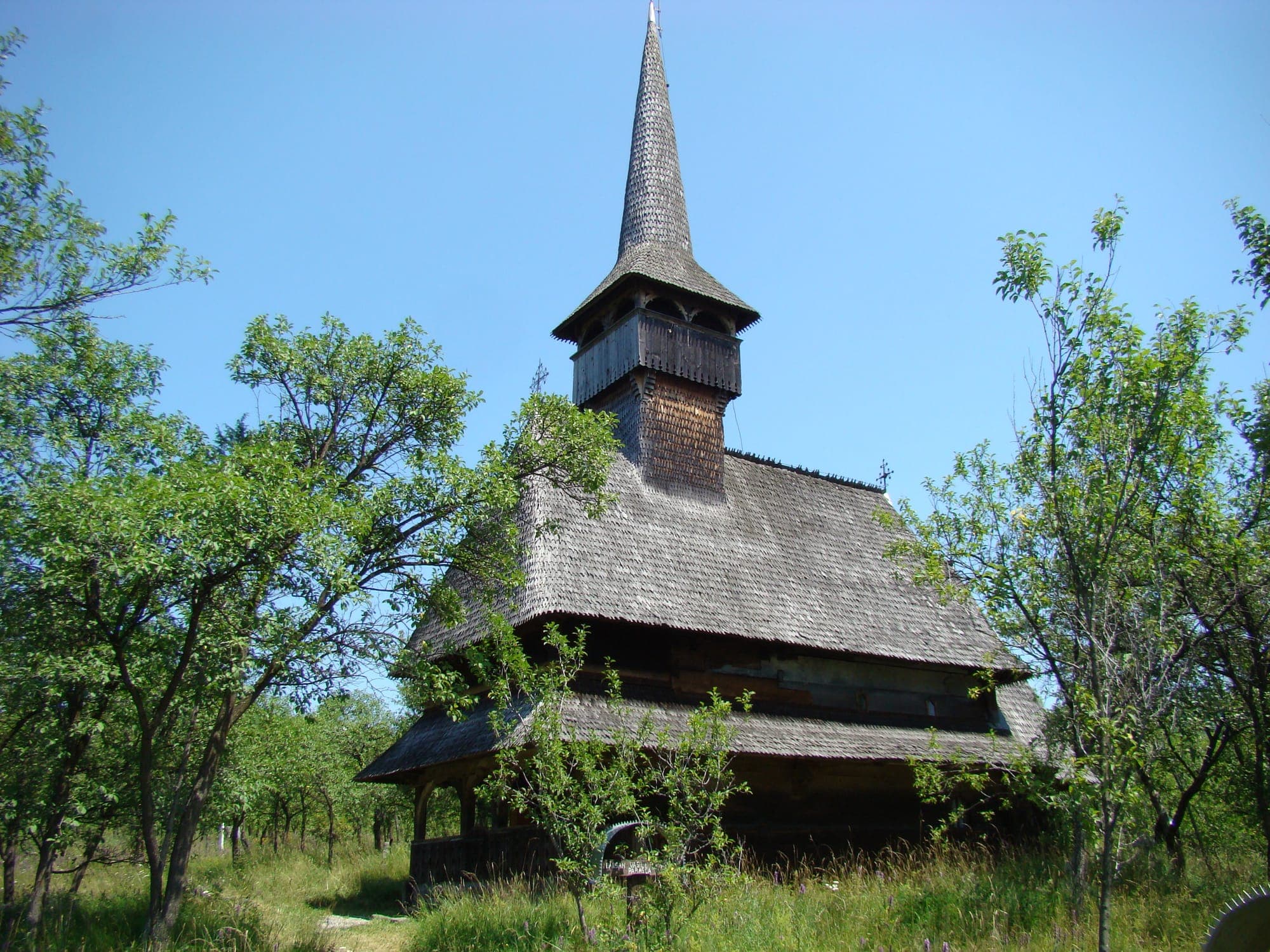
Bârsana's old wooden church, dating from 1711, stands on Jbâr Hill in an orchard full of crosses; inside is Toader Hodor's Baroque painting of 1806. A UNESCO site.
Monasteries and churchesMonuments and historic sitesUNESCO
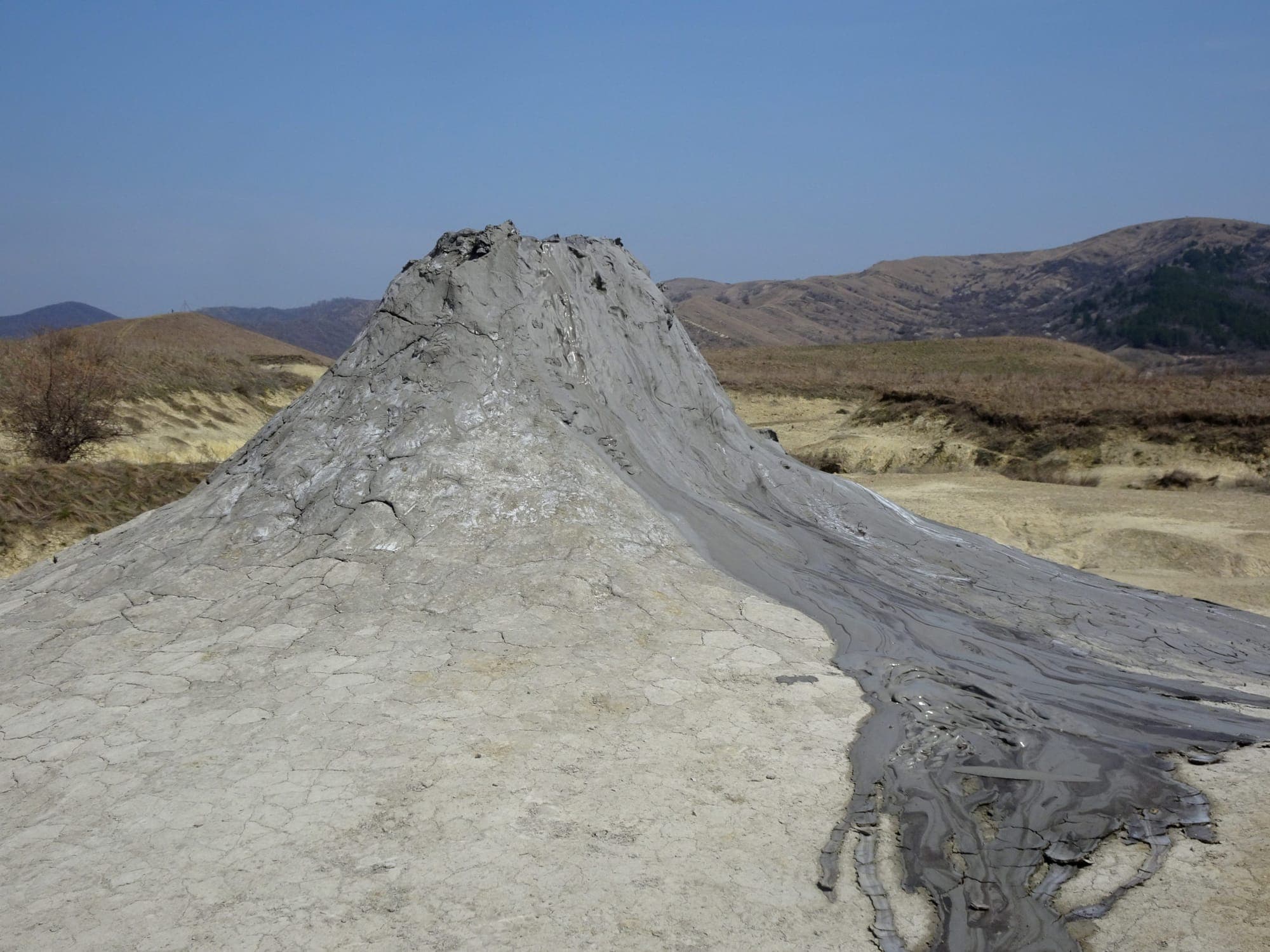
Two plateaus of cold-mud cones and craters, Pâclele Mari and Pâclele Mici, in a nature reserve in the Buzău Subcarpathians, with a lunar-landscape feel.
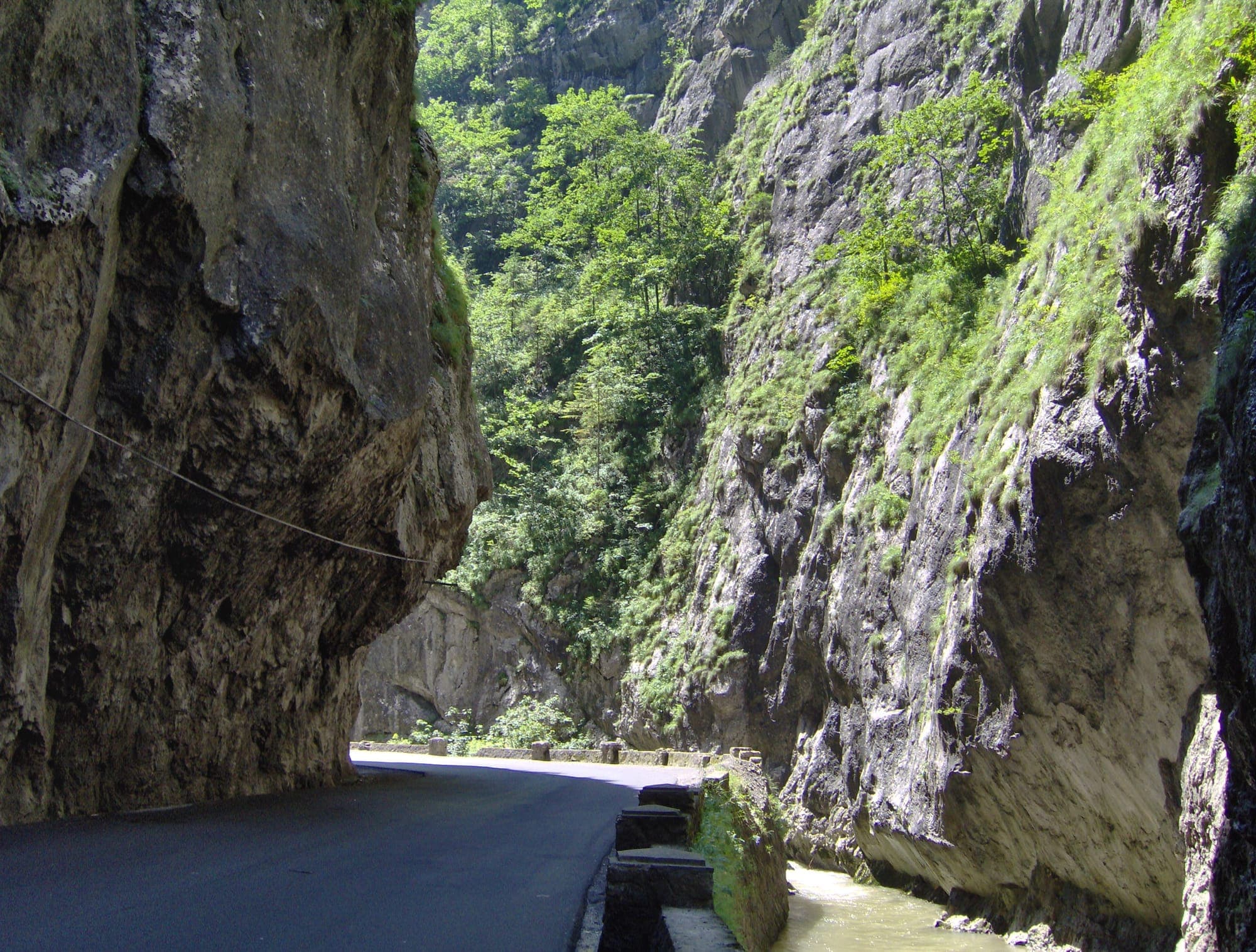
The best-known gorge in the Carpathians: the DN12C road runs between limestone walls over 300 m high, along the Bicaz river, between Lacu Roșu and Bicaz-Chei.