The Cathedral of the Ascension, rebuilt in neoclassical style between 1830 and 1837: a portico of six Corinthian columns and two towers dominate Piața Libertății, and inside lies the tomb of a martyr bishop.
Monasteries and churchesMonuments and historic sites
Romania's largest open-air museum, in the Dumbrava forest outside Sibiu: over 300 houses, mills, workshops and wooden churches brought from across the country, along ~10 km of paths.
Museums and memorial housesVillages and traditions
Romania's largest year-round spa resort, 8 km from Oradea: thermal springs of up to 49 °C, open-air baths that run all winter and a reserve of water lilies and thermal lotuses.
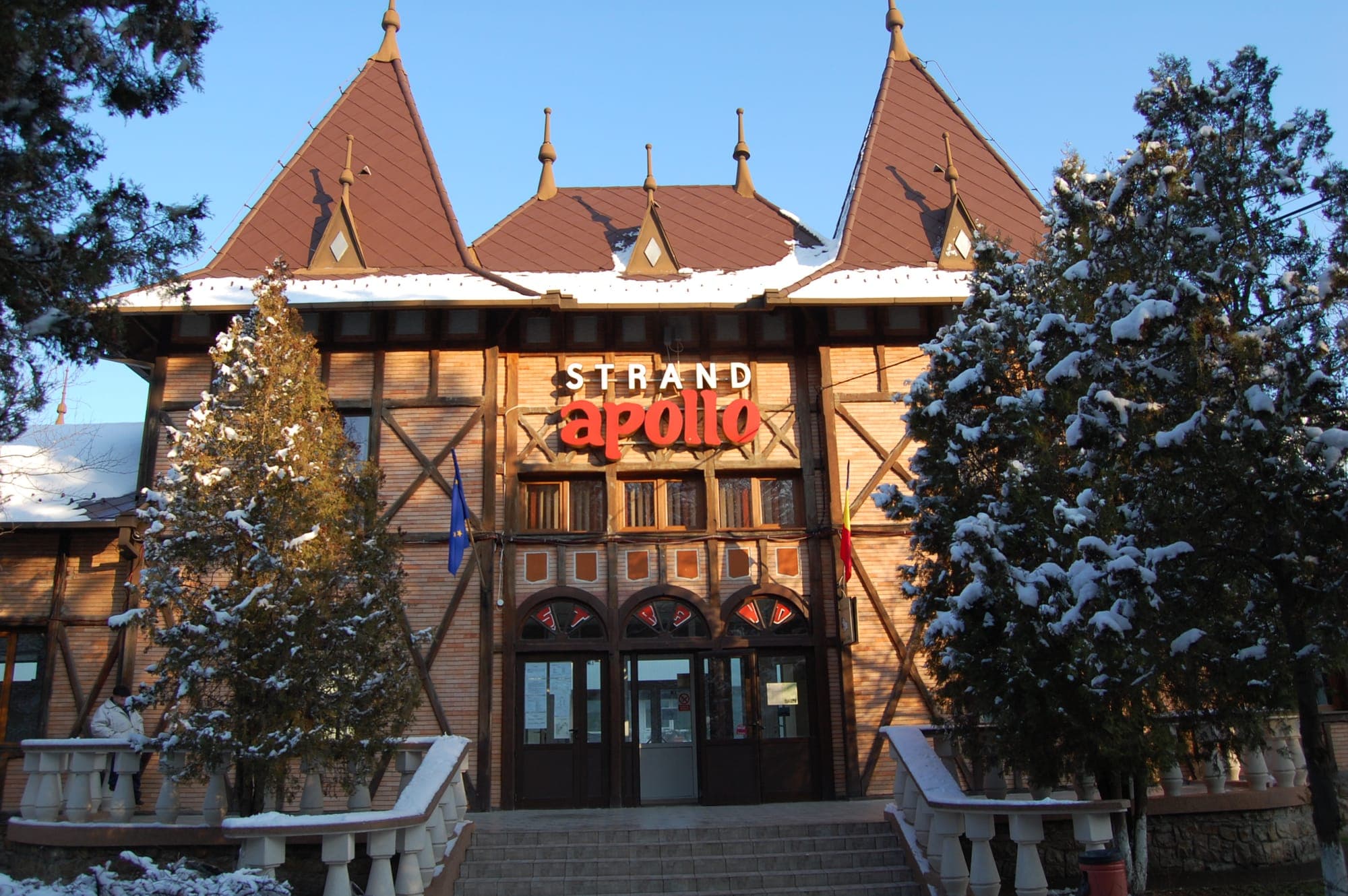
Turda's historic lido, on the Roman Lake, a salt lake formed in old salt workings in the Băile Sărate district. The town's spa was born here around 1840.
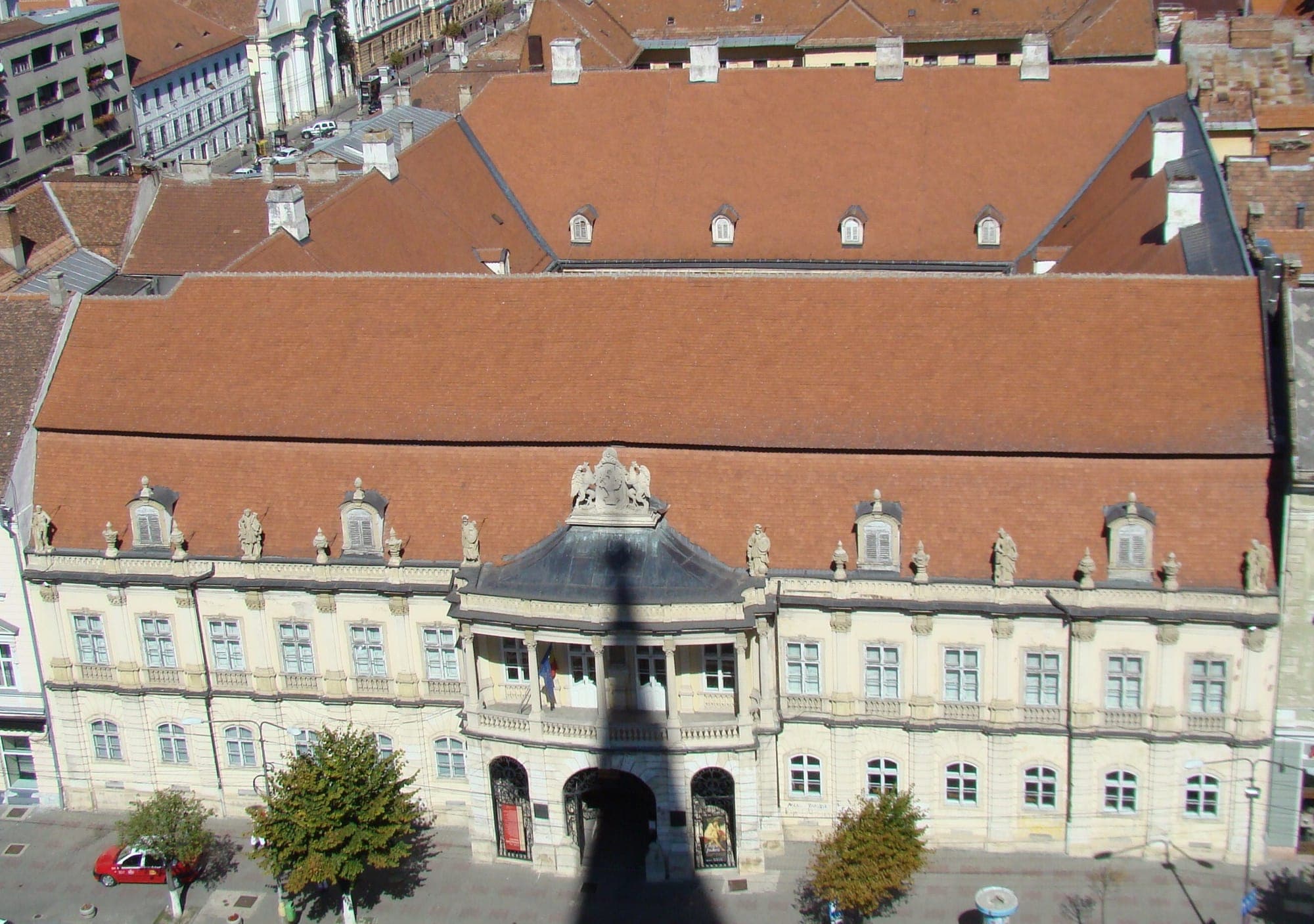
The finest Baroque palace in Transylvania, built between 1774 and 1785 on Cluj's Union Square, with classical statues along its attic; it houses the Art Museum, with five centuries of Romanian and Transylvanian painting.
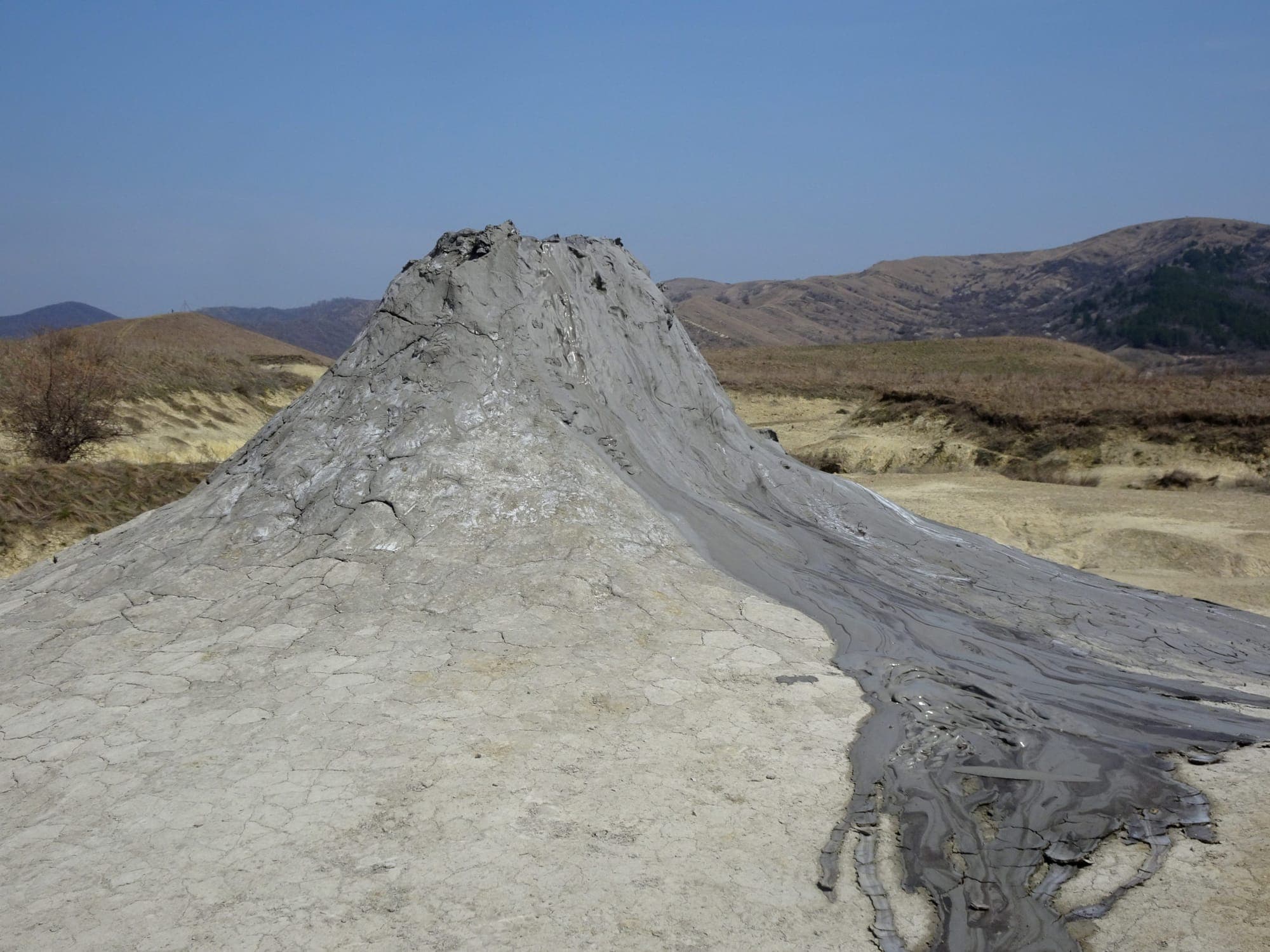
Two plateaus of cold-mud cones and craters, Pâclele Mari and Pâclele Mici, in a nature reserve in the Buzău Subcarpathians, with a lunar-landscape feel.
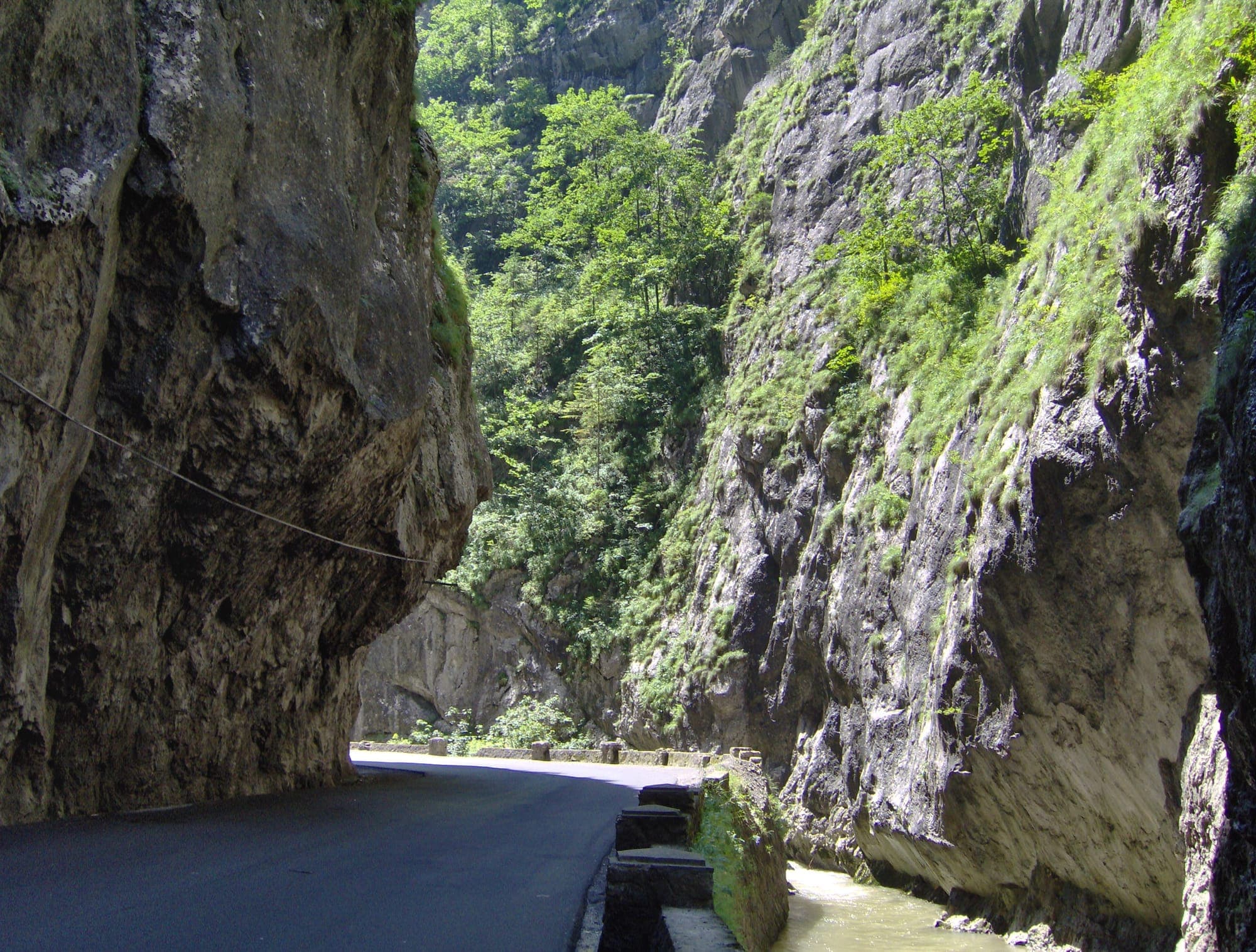
The best-known gorge in the Carpathians: the DN12C road runs between limestone walls over 300 m high, along the Bicaz river, between Lacu Roșu and Bicaz-Chei.
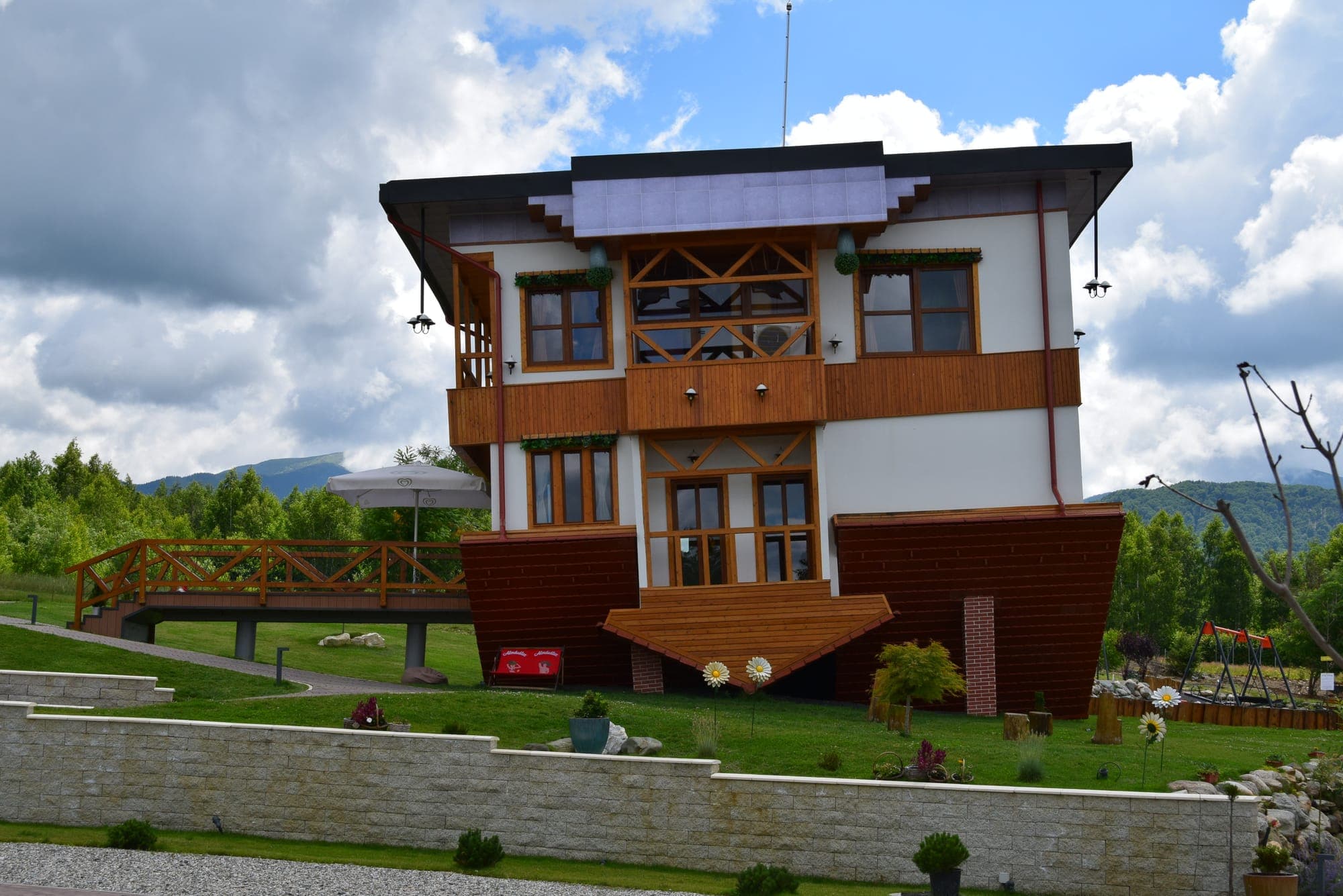
A family theme park in the Avrig Valley, home to the Upside-Down House, a 200 sq m tilted house built upside down, plus a mini zoo, tubing and playgrounds.
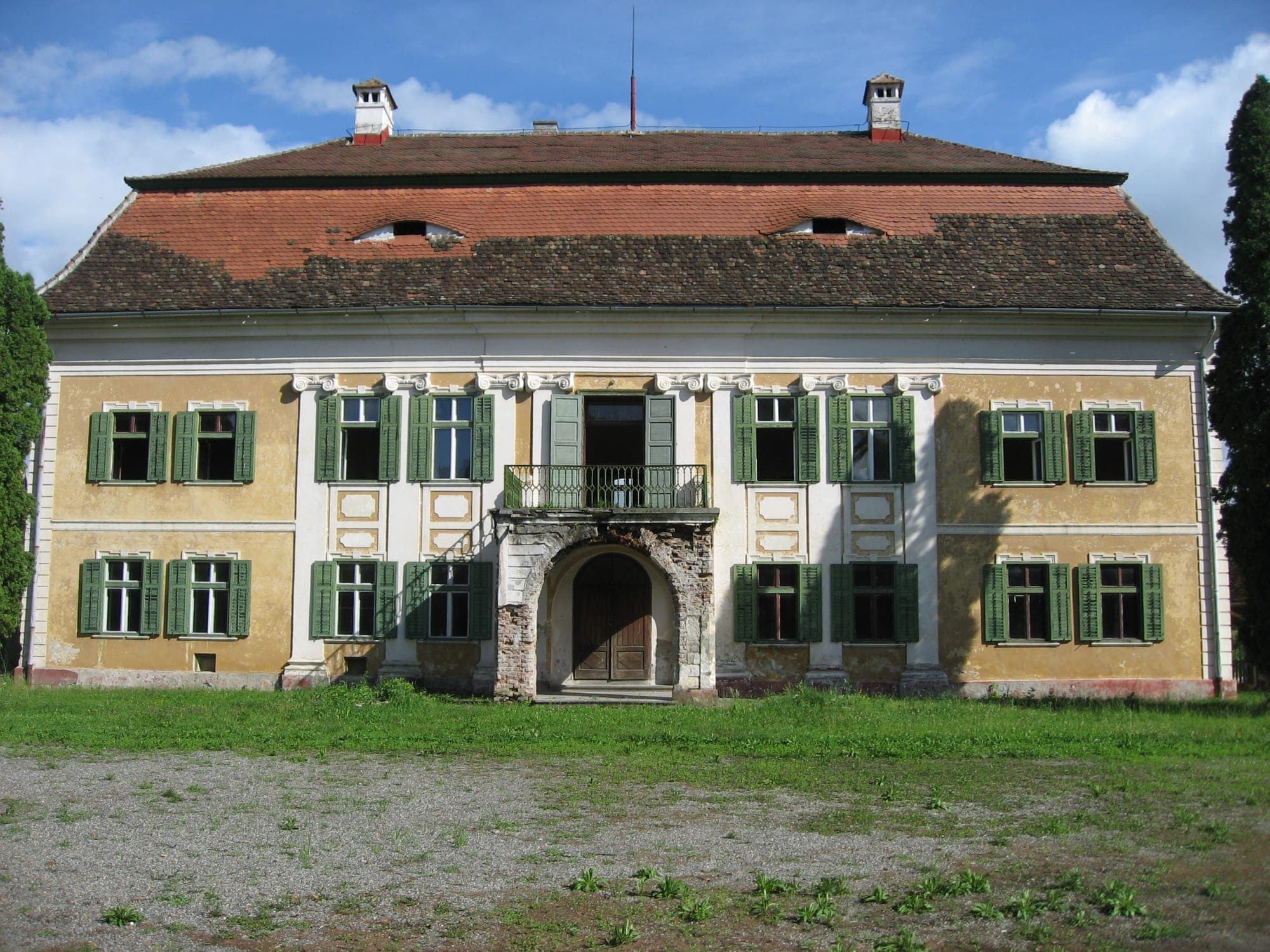
The summer residence of Baron Samuel von Brukenthal, governor of Transylvania, built in the Baroque style on a terrace above the Olt, with its Baroque garden, orangery and a small exhibition in the palace rooms.
The capital's zoological garden, open since 1959 in Băneasa Forest, with tigers, lions, bears, wolves, zebras, monkeys and more than 150 species on almost 6 hectares.
The 1643 Church of Saint Nicholas in the Cosău Valley, with a slender tower framed by four small turrets, paintings by Alexandru Ponehalschi and the chain mail attributed to the outlaw Pintea the Brave. A UNESCO site.
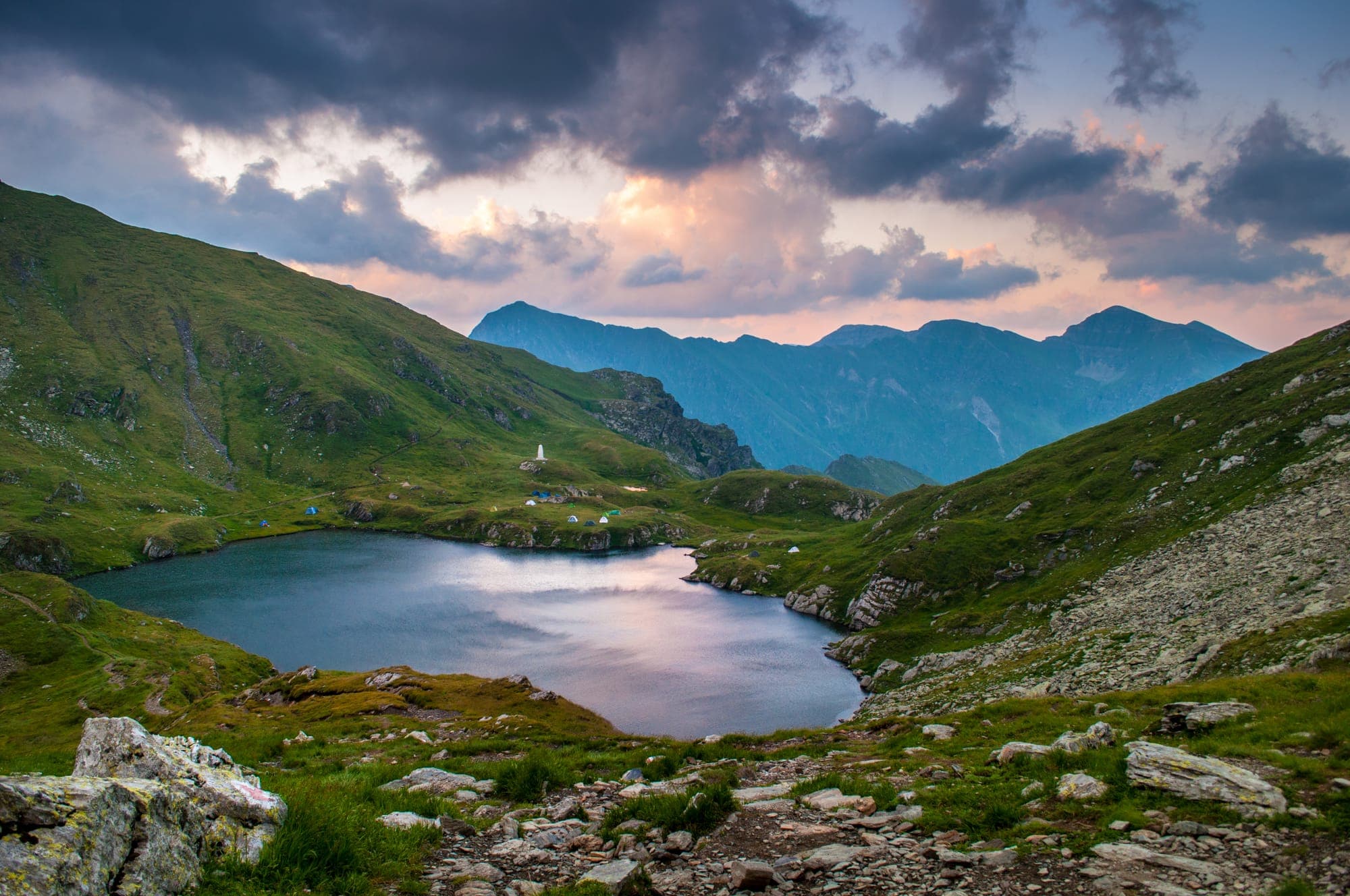
A glacial lake at 2,230 m on the southern side of the Făgăraș Mountains, just below the ridge; about an hour's walk from Bâlea Lake, over the Capra saddle.
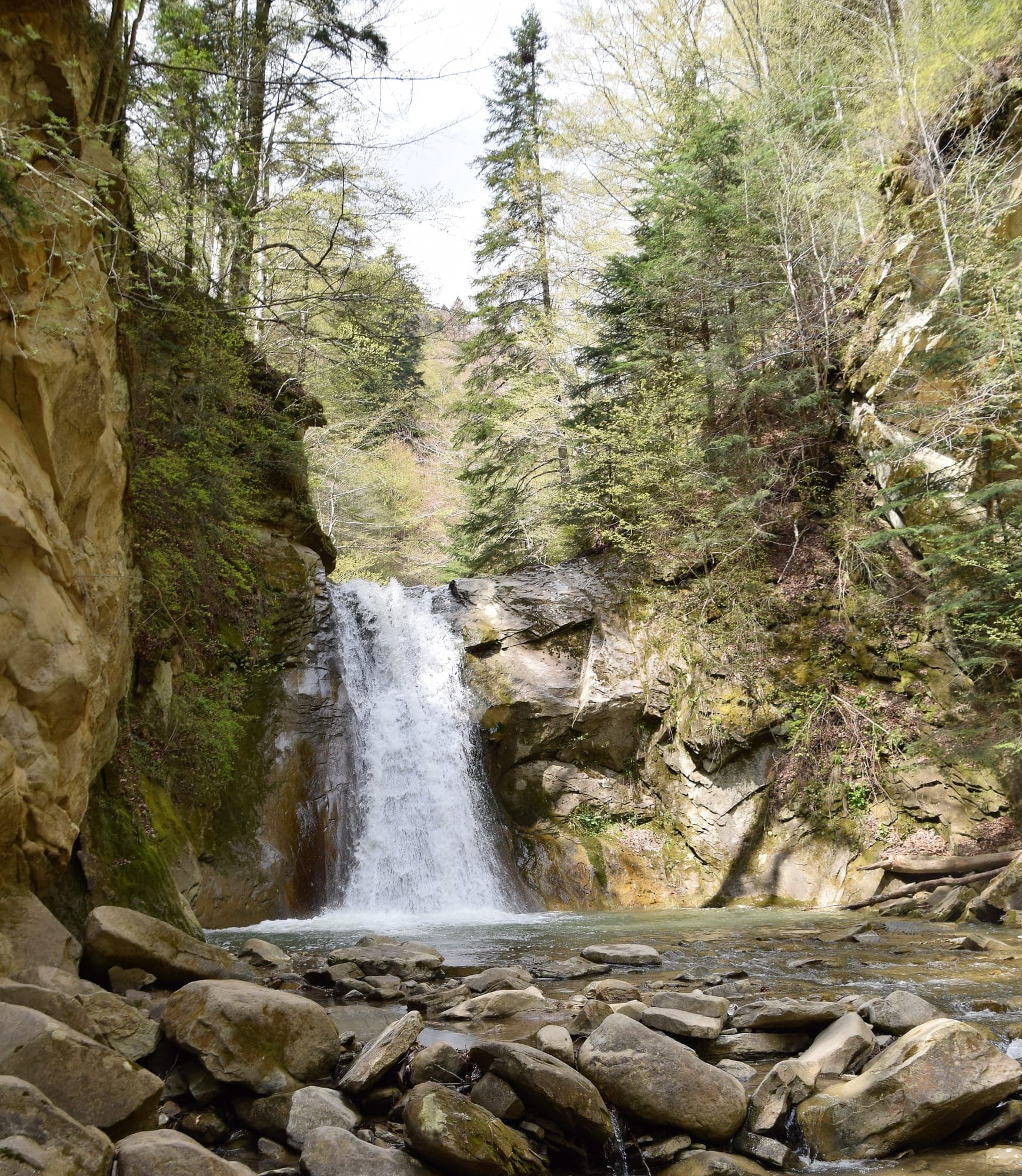
A waterfall of about 8 m dropping over a sandstone ledge in a wooded gorge of the Cașoca Valley, near Lake Siriu; also known as the Pruncea Waterfall, it can be reached by car almost to its foot.
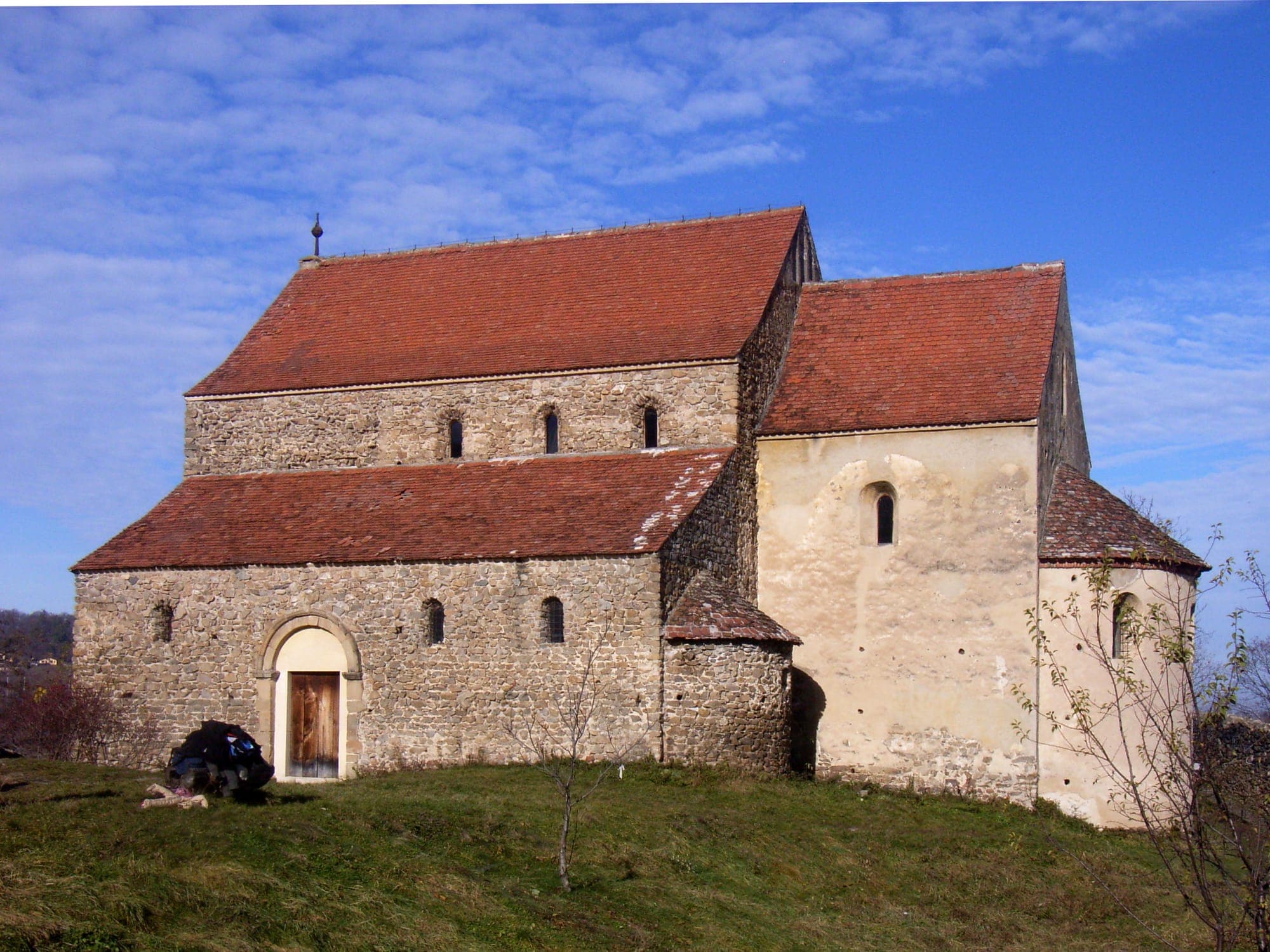
A Romanesque basilica from the turn of the 12th and 13th centuries, left almost unaltered, on the rocky top of St Michael's Hill, ringed by a defensive wall and looking out to the Făgăraș Mountains.
Monasteries and churchesFortresses and fortifications
A fairy-tale building of clay, sand, straw, wood and river stone, raised between 2014 and 2017 at the foot of the Făgăraș Mountains. Today it is a restaurant and guesthouse: you enter with a reservation, not a sightseeing ticket.