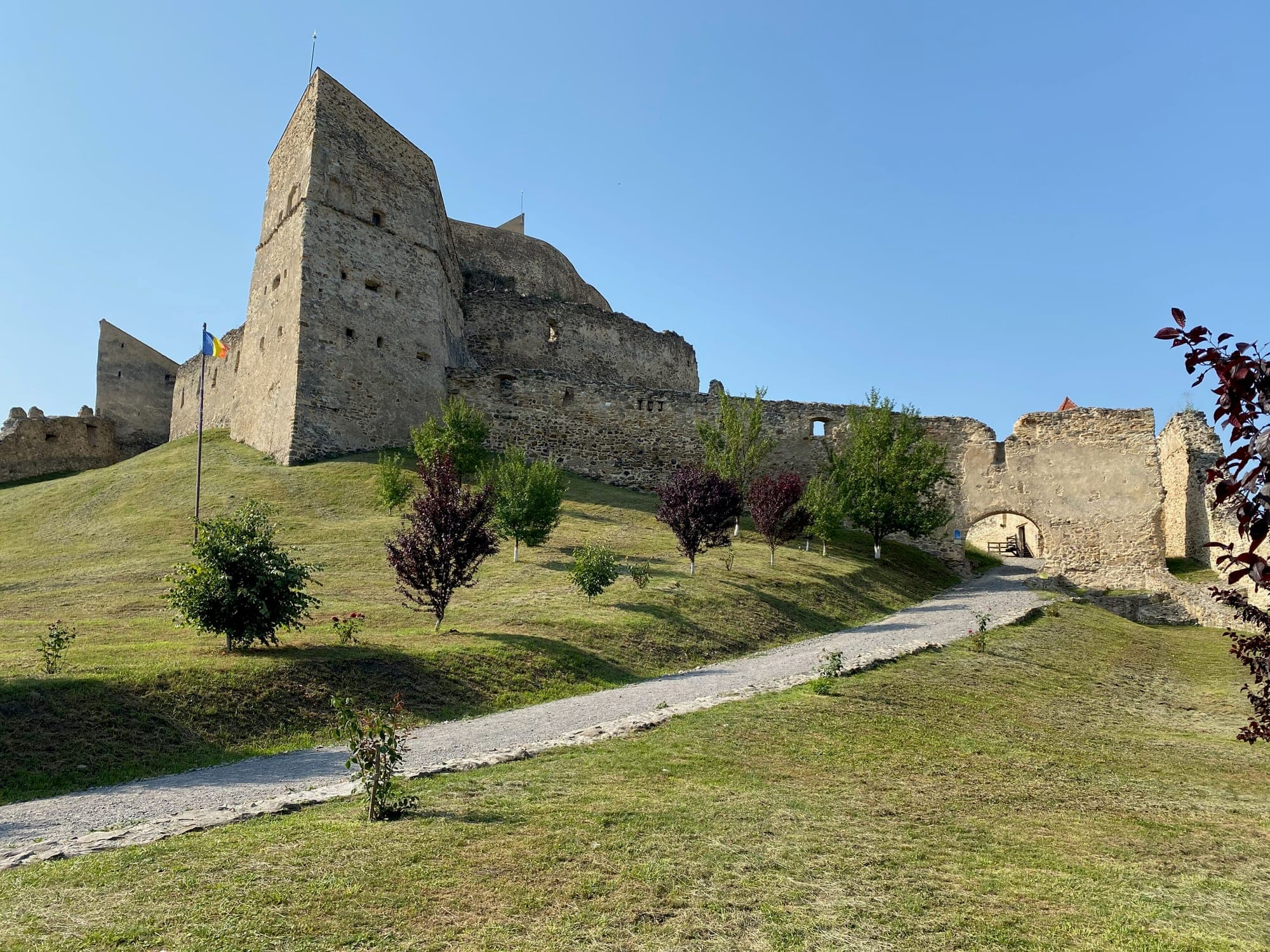
A Saxon peasant fortress climbing in tiers up a basalt hill above the town of Rupea, first recorded in 1324 and restored in 2010–2013, with wide views over the Transylvanian hills.
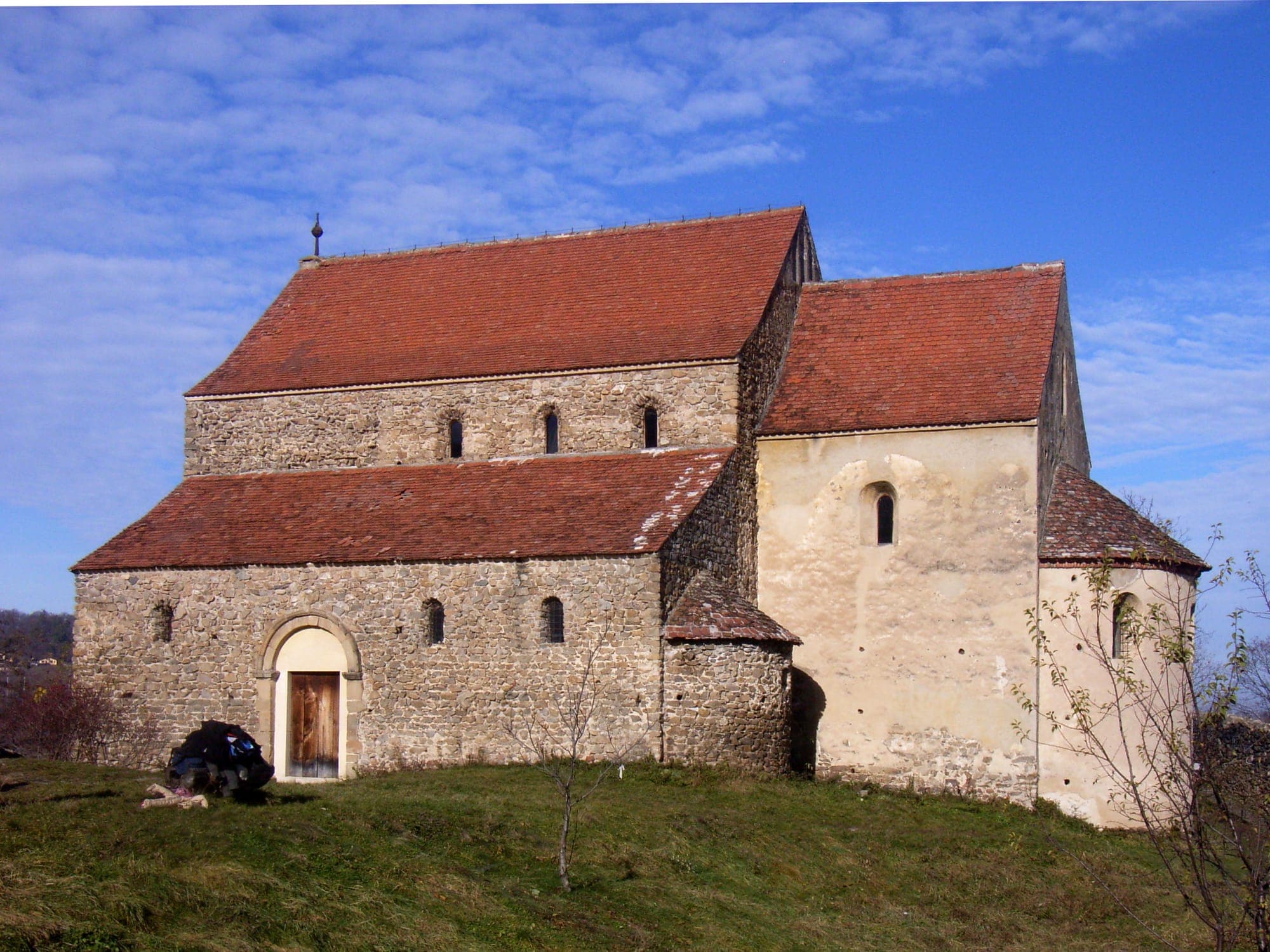
A Romanesque basilica from the turn of the 12th and 13th centuries, left almost unaltered, on the rocky top of St Michael's Hill, ringed by a defensive wall and looking out to the Făgăraș Mountains.
Monasteries and churchesFortresses and fortifications
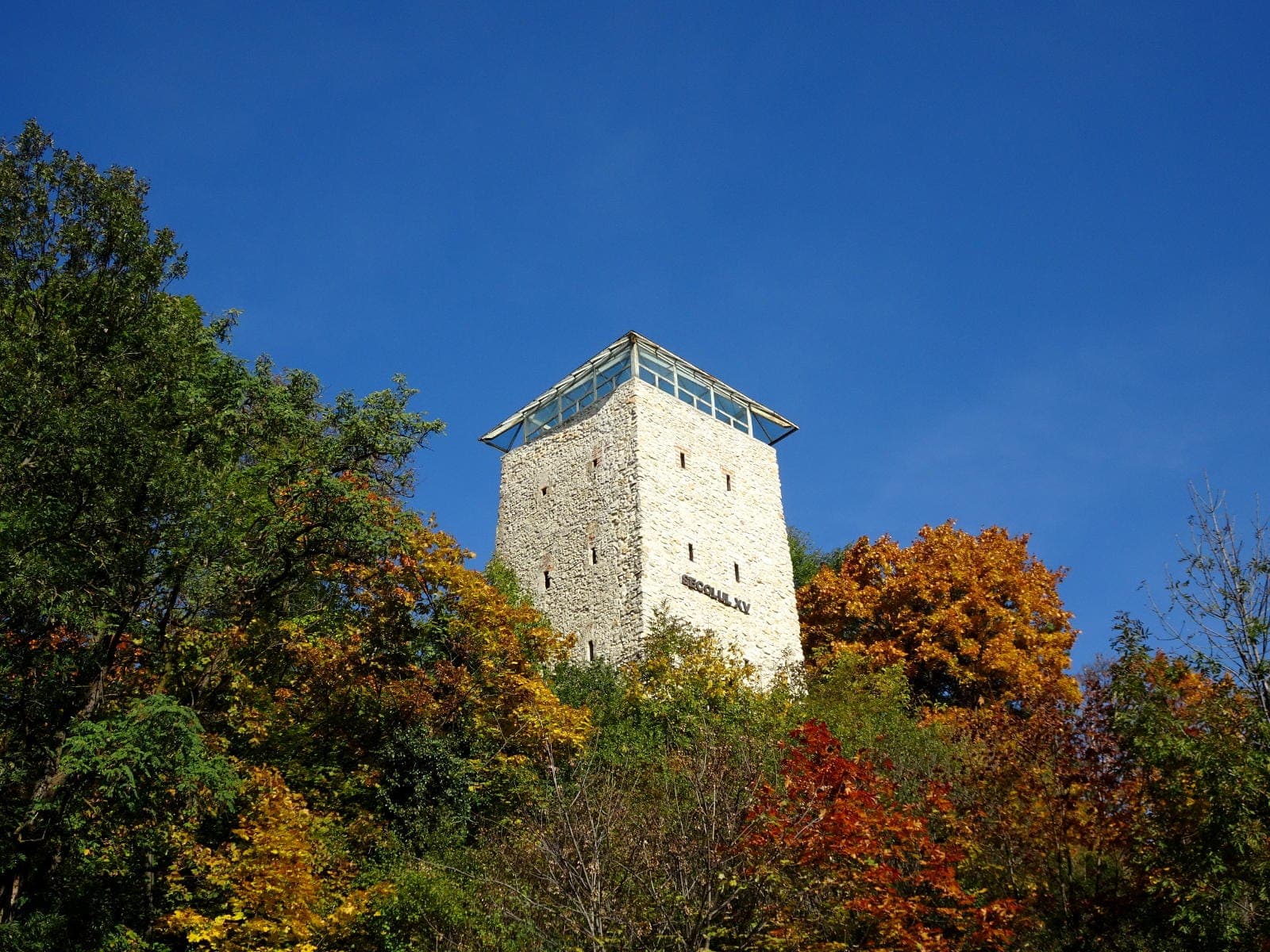
A square 15th-century watchtower perched on a rock outside Brașov's western walls, with a glass pyramid roof and a platform looking out over the old town and the Black Church.
Fortresses and fortificationsMonuments and historic sites
A Dacian fortress on Cetățuia hill, at the gateway to the Orăștie Mountains: earth ramparts, a stone wall built in the Hellenistic manner, tower houses and temples, a UNESCO site.
Fortresses and fortificationsMonuments and historic sitesUNESCO
A bastioned fortress on Citadel Hill, north of the old town, built to stop enemies firing on Brașov from the heights; the interior is closed for works, but the walls and the view can be enjoyed from the paths on the hill.
Fortresses and fortificationsMonuments and historic sites
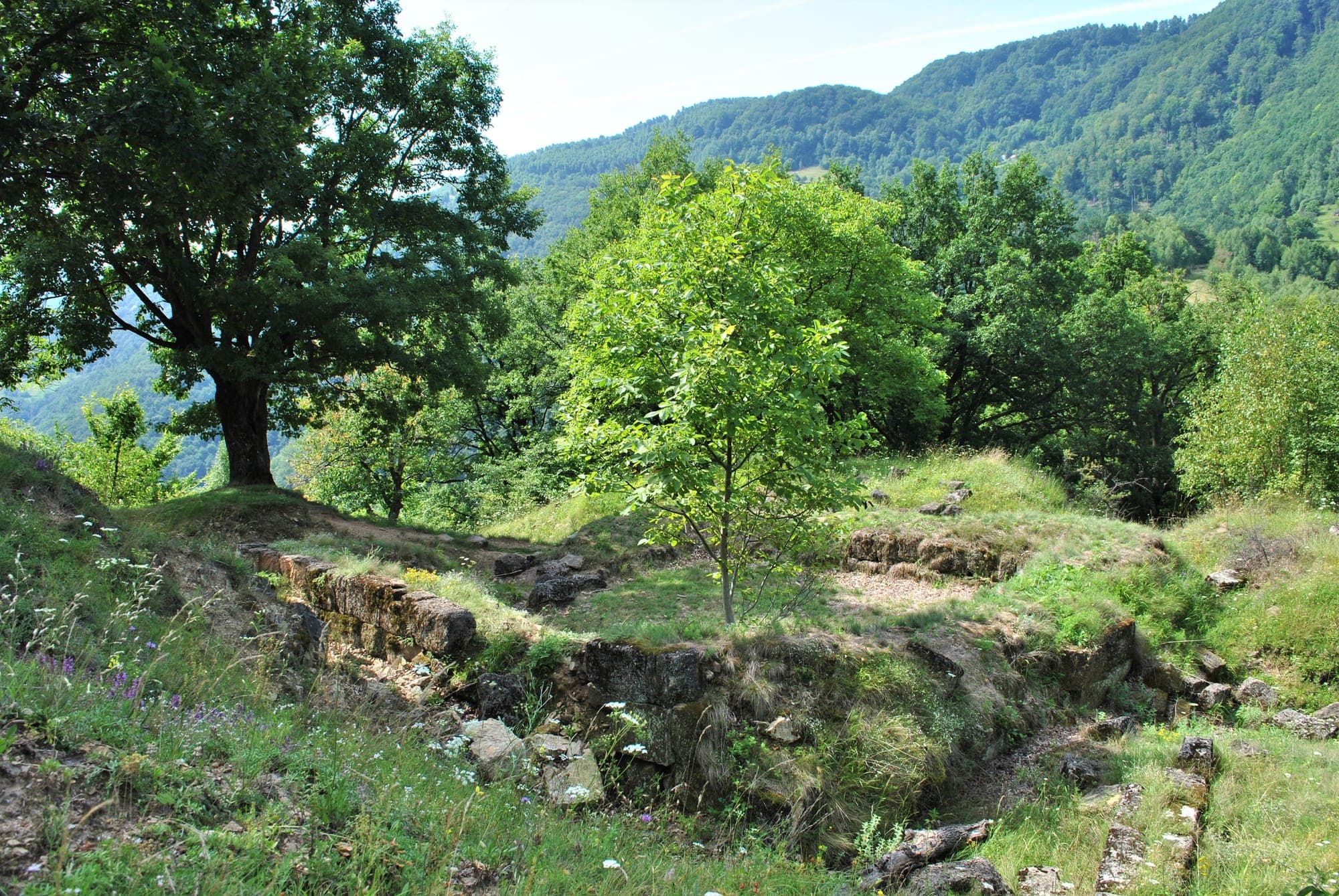
The ruins of a Dacian fortress on a wooded hill above the Sebeș valley: limestone walls in the murus dacicus technique and the base of a tower house, the only Dacian UNESCO site in Alba County.
Fortresses and fortificationsMonuments and historic sitesUNESCO
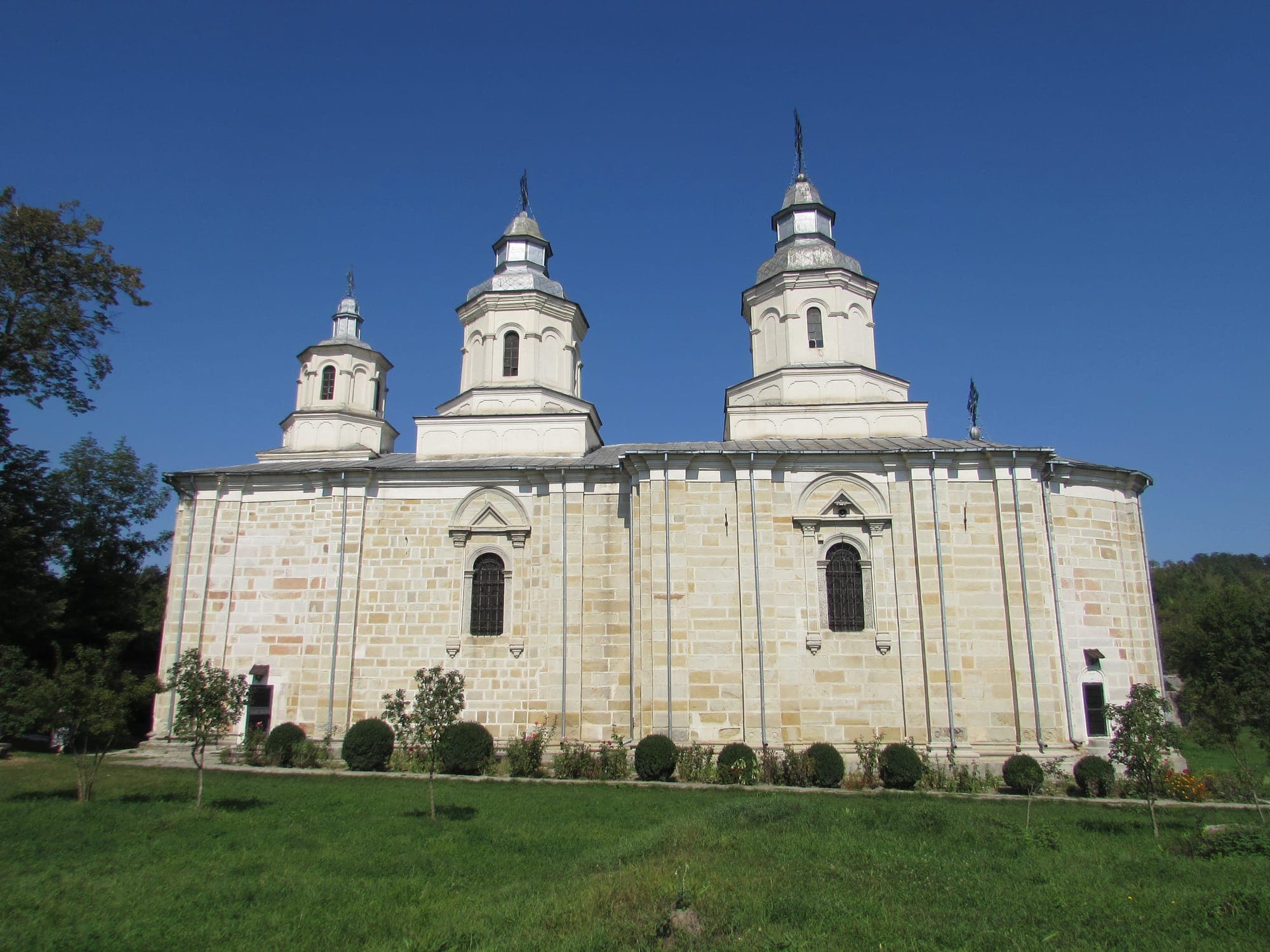
A foundation of Prince Gheorghe Ștefan from 1655–1657: a dressed-stone church inside a walled enclosure with towers, near Onești; today a parish church.
Monasteries and churchesFortresses and fortifications
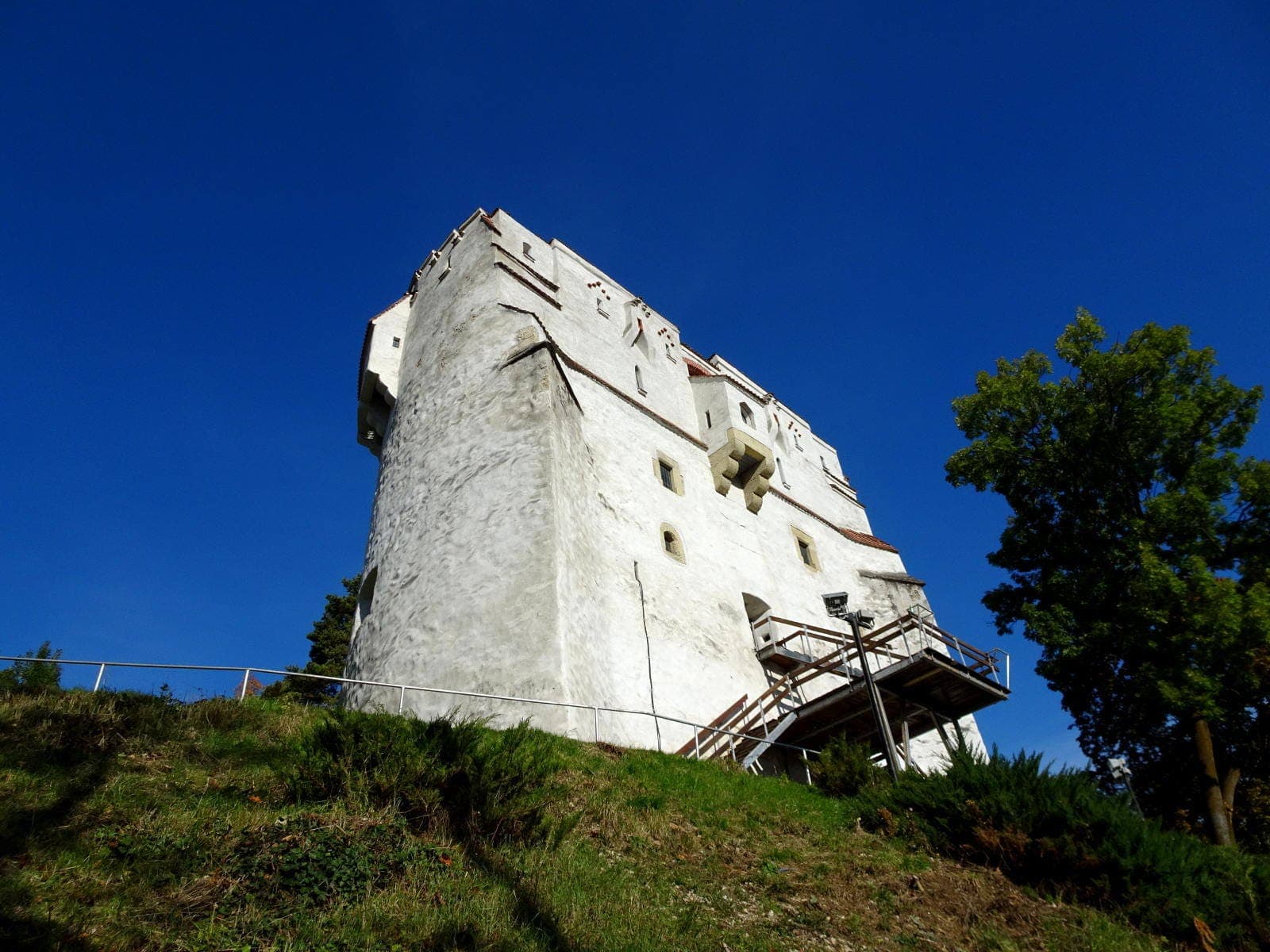
The only surviving medieval gate of Brașov's walled town, a white tower of 1559 with four corner turrets and the town's coat of arms; next to it, the neoclassical Șchei Gate of 1827–1828.
Fortresses and fortificationsMonuments and historic sites
One of the strongest Dacian fortresses in the Orăștie Mountains: murus dacicus walls, six towers and a dog-leg entrance, on a wooded hill above Costești, a UNESCO site.
Fortresses and fortificationsMonuments and historic sitesUNESCO
The largest surviving piece of Timișoara's bastioned fortress, built by the Austrians in the 1730s and restored with EU funds, now home to the National Museum of Banat.
Fortresses and fortificationsMuseums and memorial houses
A Dacian fortress on top of a rocky hill above Luncani, with an ancient paved road of stone steps and tower ruins hidden in the forest; a UNESCO site, far from the crowds.
Fortresses and fortificationsMonuments and historic sitesUNESCO
The northernmost bastion of Roman Dacia: the fort with its reconstructed gates, the paved imperial road, the civil town and the amphitheatre, on the hills at Moigrad in Sălaj.
Monuments and historic sitesFortresses and fortificationsUNESCO
The oldest building in Galați, a merchants' church consecrated in 1647, with walls up to 1.8 m thick, a bell tower and a fortified loft with 28 loopholes, on the bank of the Danube.
Monasteries and churchesFortresses and fortifications
 Top 100