Romulus Vuia National Ethnographic Park
Cluj-Napoca, CJ
Romania's first open-air museum, on Hoia hill: farmsteads, workshops, peasant installations and three wooden churches gathered over ~16 hectares into a scattered village.
23 results
Romania's first open-air museum, on Hoia hill: farmsteads, workshops, peasant installations and three wooden churches gathered over ~16 hectares into a scattered village.
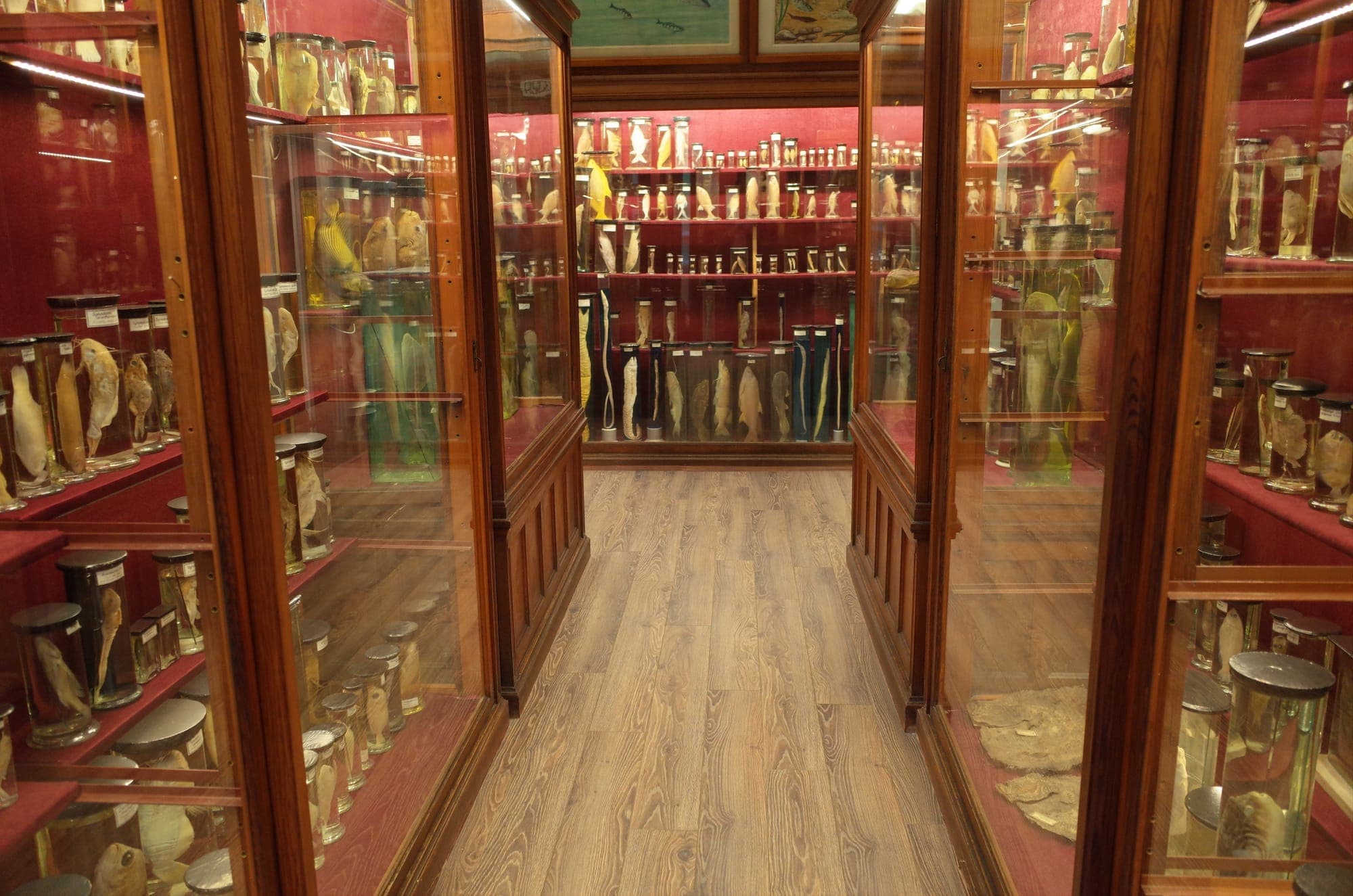
A university museum founded in 1859, in a building on Strada Clinicilor: bird dioramas, 19th-century butterfly and spider collections and an exhibition running from sponges to mammals.

A Gothic house of the 15th century where King Matthias Corvinus was born in 1443; today it belongs to the University of Art and Design and is best seen from the street, with its pointed-arch portal and commemorative plaques.

A Moorish Revival synagogue of 1886–1887, with four towers and a façade in yellow and ochre bands facing Strada Horea; today the Memorial Temple of the Deported Jews of Cluj.

The Roman Catholic church on the site of the old Benedictine abbey of Mănăștur: a medieval Gothic choir, a bell tower designed by Károly Kós and earth ramparts of the fortification.

One of the oldest cemeteries in Cluj-Napoca, founded in 1585 and spread over 14 sloping hectares: crypts, columns and gravestones of notable Transylvanians.
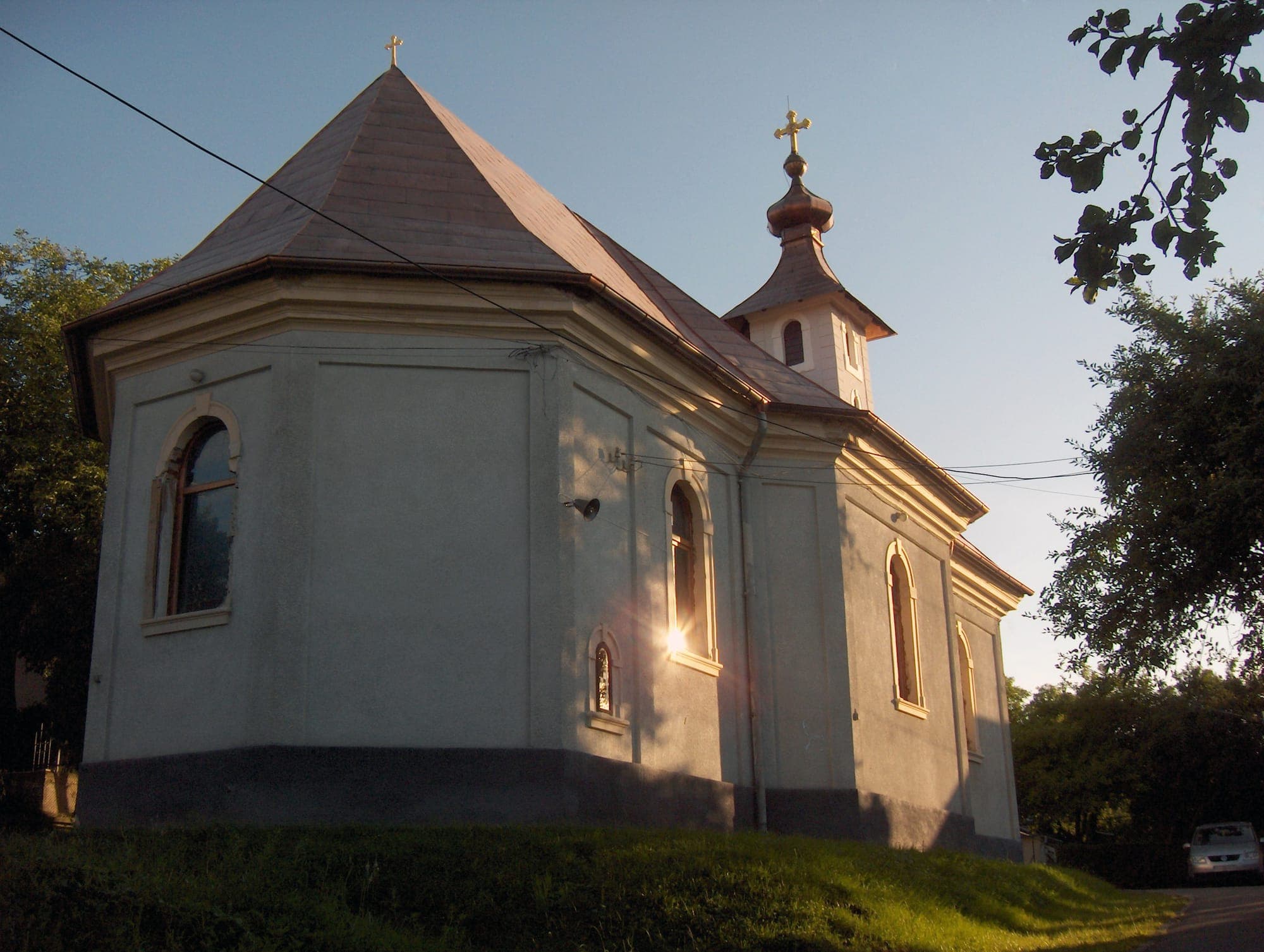
Cluj's first Orthodox church, a Baroque building of 1795–1796 with an octagonal nave, an iconostasis painted in 1796 and a churchyard with an old Orthodox cemetery.

The Gothic hall church on Piața Unirii, built in the 14th–15th centuries, with a 76 m Neo-Gothic tower, a Baroque pulpit and the frescoes of the Schleunig chapel.
Audio tour of historic Cluj-Napoca

Audio walk through Cluj: culture and food
Walking tour of Cluj's historic centre

Not in Cluj-Napoca itself, but in the surrounding area — sorted by distance from Cluj-Napoca.