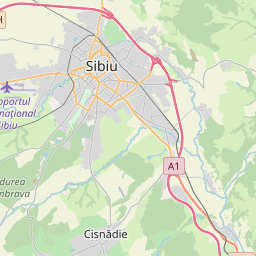
Romania's largest open-air museum, in the Dumbrava forest outside Sibiu: over 300 houses, mills, workshops and wooden churches brought from across the country, along ~10 km of paths.
26 results
Romania's largest open-air museum, in the Dumbrava forest outside Sibiu: over 300 houses, mills, workshops and wooden churches brought from across the country, along ~10 km of paths.

The Baroque palace of Governor Samuel von Brukenthal on Sibiu's Great Square has housed Romania's oldest museum since 1817: a gallery of European painting with van Eyck, Titian and Bruegel.
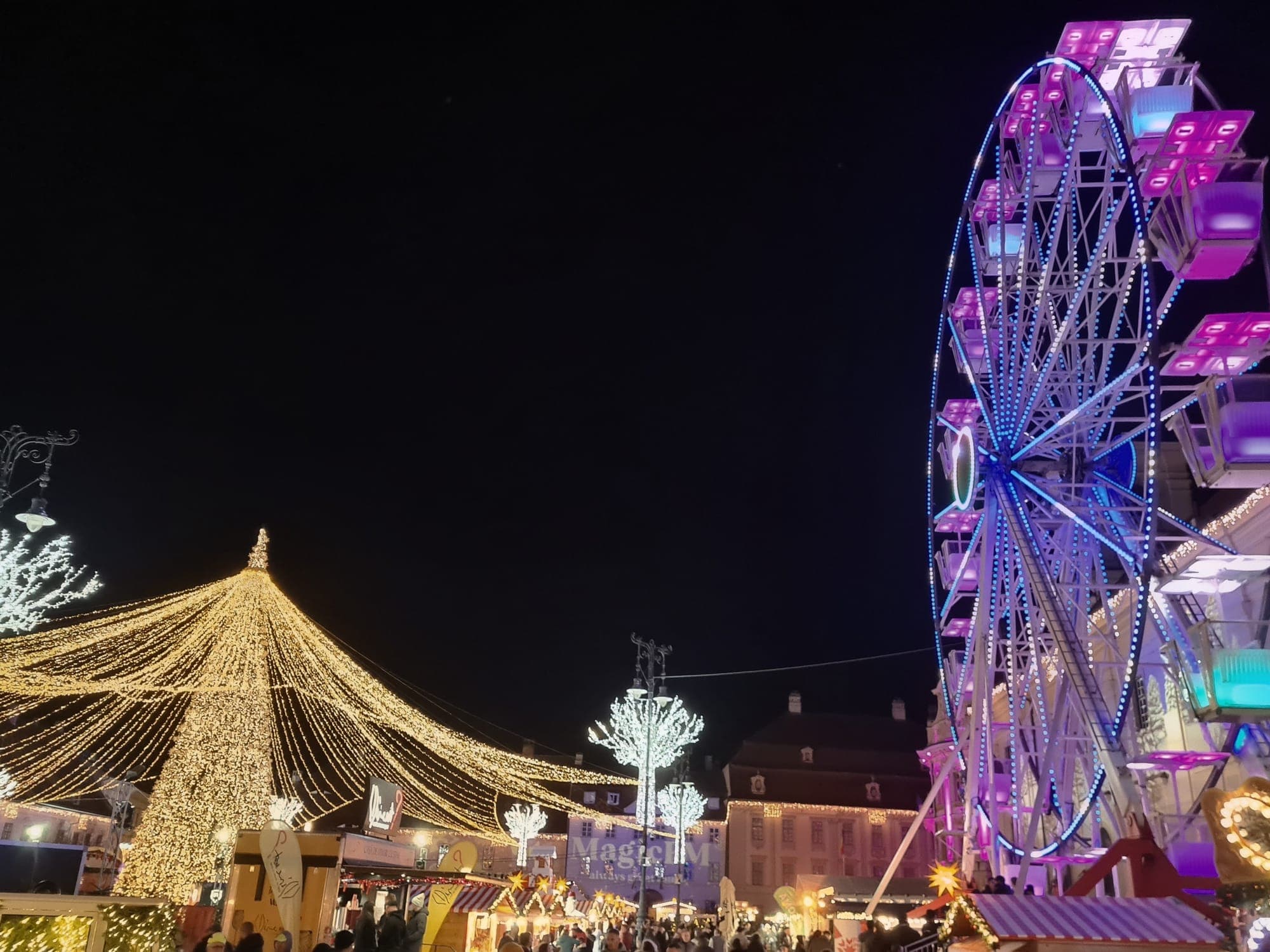
The main square of old Sibiu, about 140 by 90 metres, enclosed by merchants' houses with "eyes" in their roofs, by the Brukenthal Palace, the Jesuit church and the Council Tower.
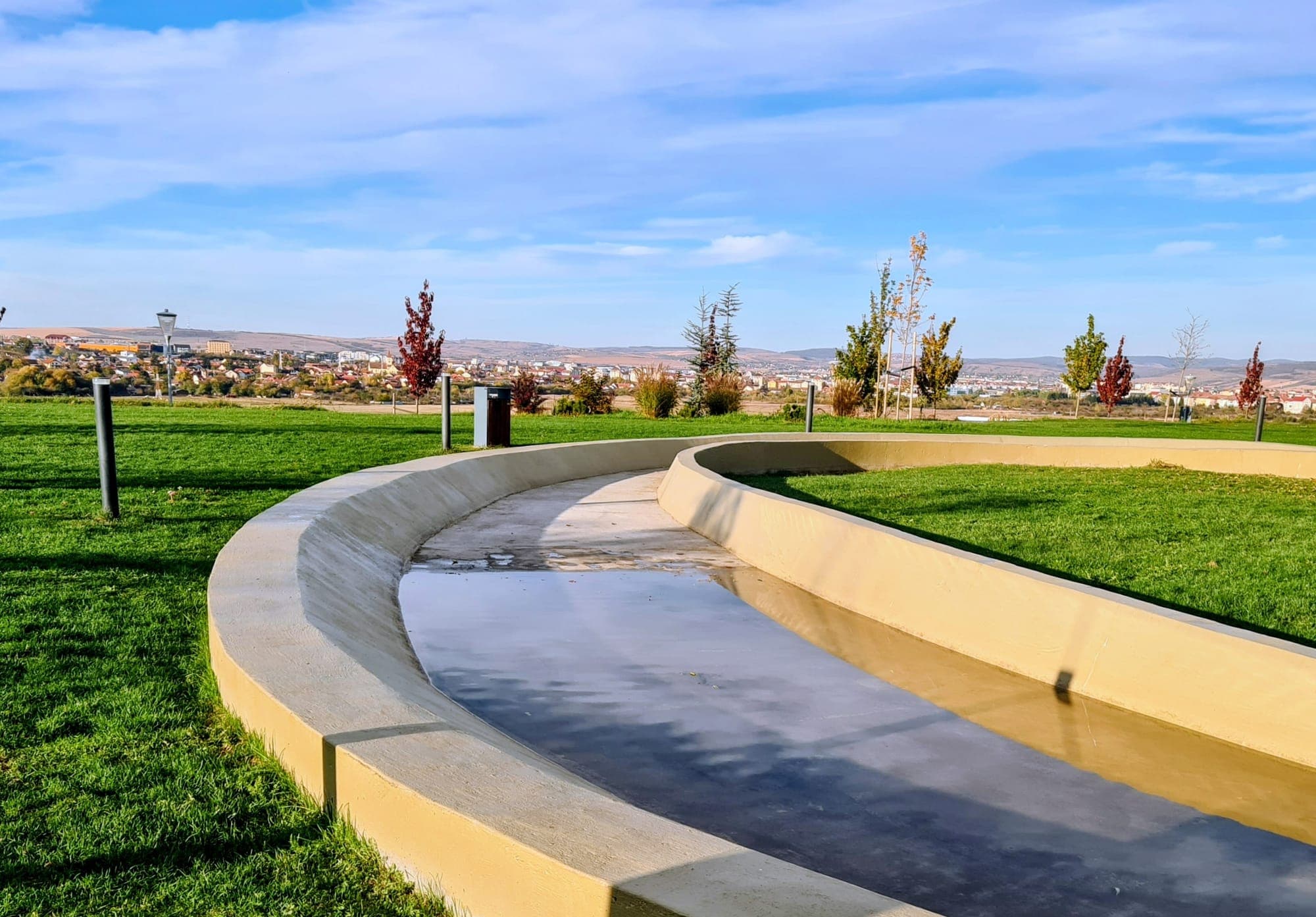
Sibiu's newest park, opened in 2023 on 6.4 hectares in Tilișca on a former rubble dump: terraces with views of the Cindrel Mountains, minigolf, a pump track, playgrounds and sports courts.

The 13th-century gate tower linking the Grand Square and the Small Square, Sibiu's symbol, with an onion-shaped spire; closed for restoration since January 2026, for about two years.

The second square of old Sibiu, with guild houses arcaded at street level, the Arts House and the Bridge of Lies, the 1859 cast-iron footbridge over Ocnei street.

The Gothic church of the Sibiu Saxons, with a 73-metre tower you can climb, the 1914 Sauer organ, the 1445 Crucifixion fresco and the gravestones of the ferula.

The zoo in the Dumbrava forest, opened in 1929 and considered the first in Romania, with tigers, lions, jaguars, white wolves, bears and lakes where you can go boating.

A narrow passage of stone and brick in Sibiu, with vaulted arches, steps and the buttresses of a medieval wall, running down from near Huet Square to the Lower Town.

The best-preserved stretch of Sibiu's third ring of fortifications: a wall with a covered walkway and three guild towers, the Carpenters', Potters' and Arquebusiers' Towers; two can be visited.

The Orthodox cathedral of the Metropolis of Transylvania, built between 1902 and 1906 on the model of Hagia Sophia in Constantinople, with striped brick fronts and a dome painted by Octavian Smigelschi.

The natural sciences department of the Brukenthal National Museum, in a building from 1895: dioramas with sound and light, a Bison priscus skeleton, mammoth bones and a mineral collection.
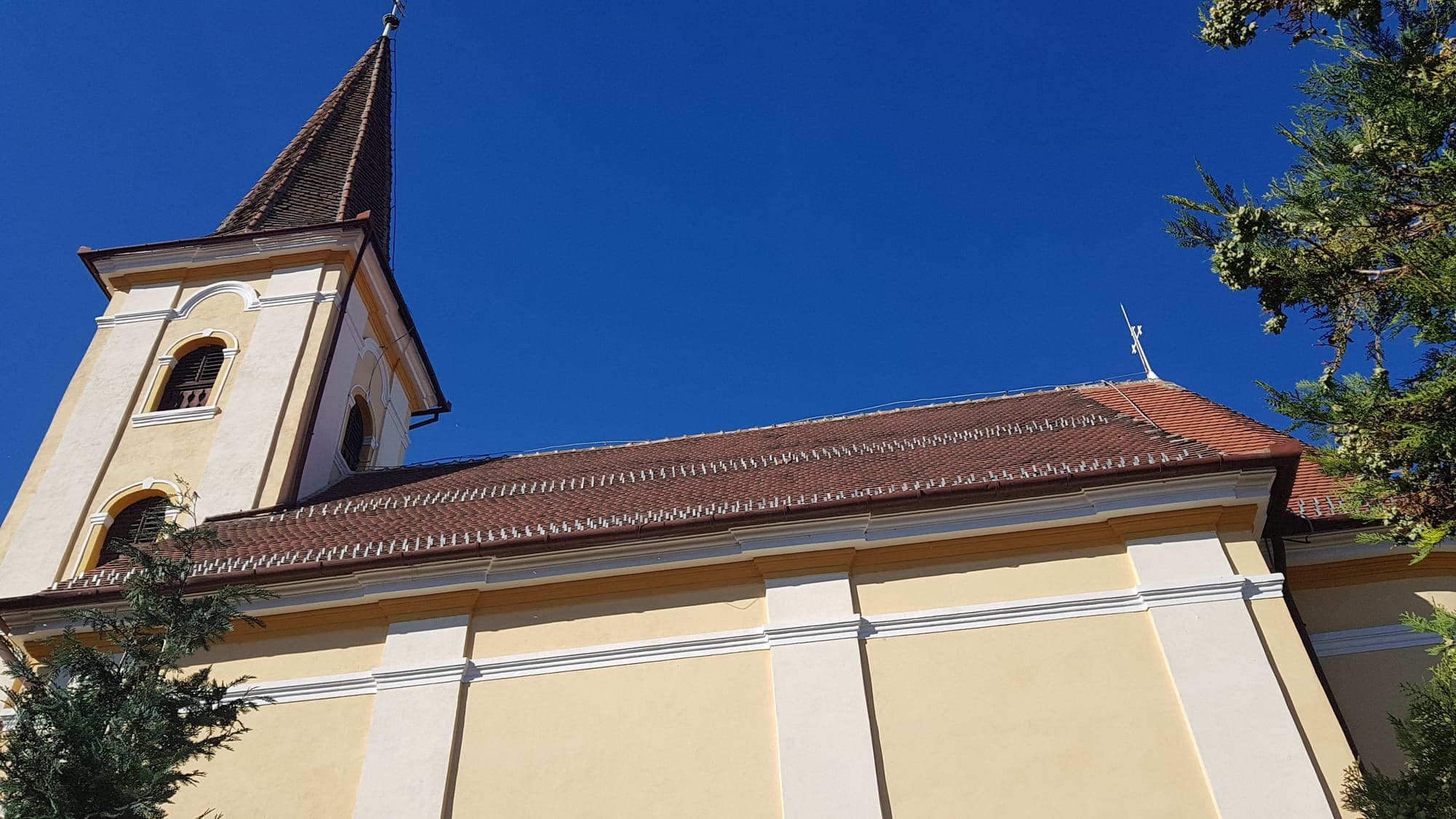
An Orthodox masonry church of 1788–1789 in the Iosefin district, with a bell tower above the porch, portraits of its founders and a cemetery with the graves of men of letters.

The history department of the Brukenthal National Museum, in a civil Gothic complex of the 15th–16th centuries, Sibiu's former town hall: lapidary, arms and armour, treasury and guild objects.
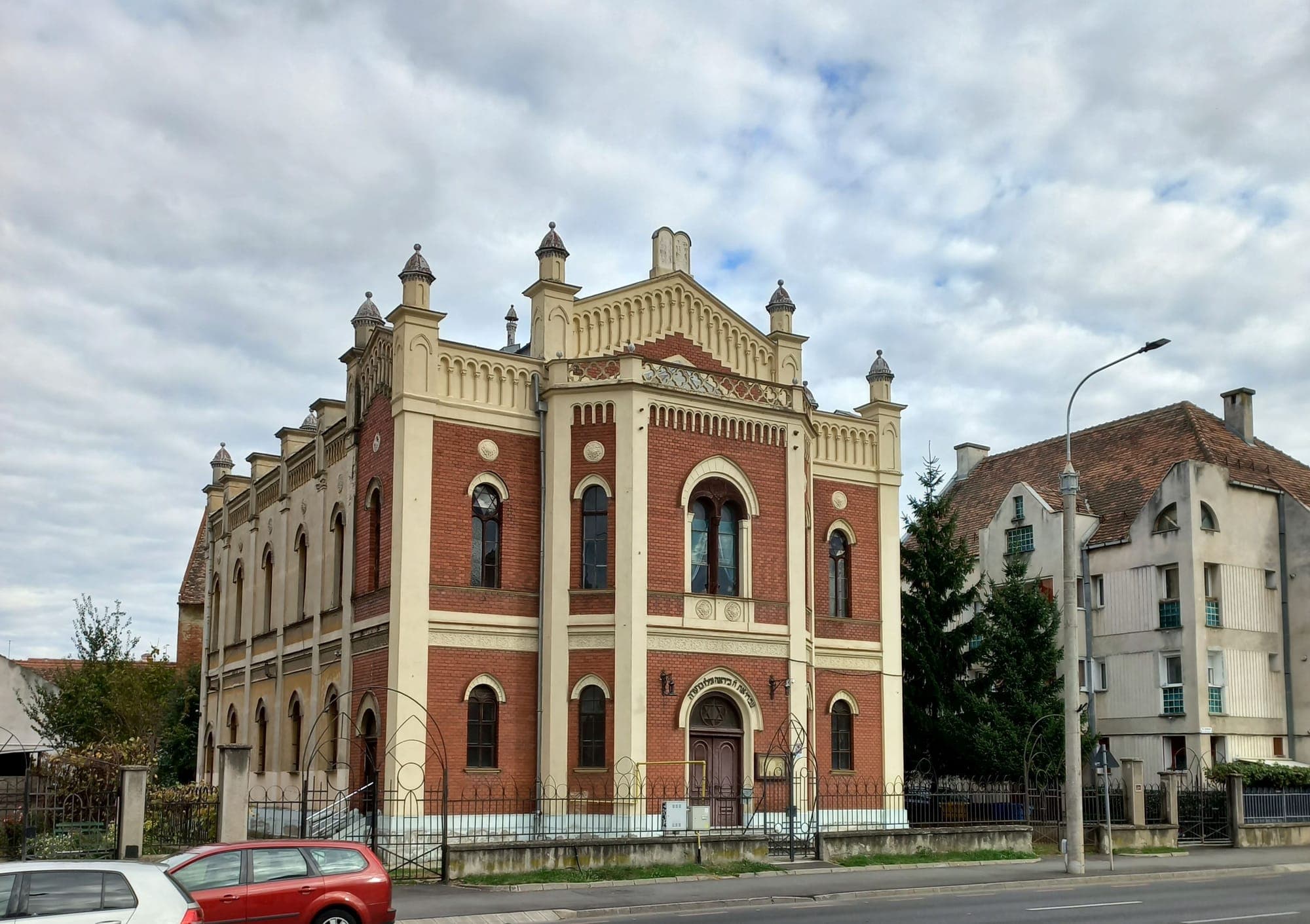
A synagogue of 1898–1899, with a red-brick façade and an interior of three aisles, galleries and a coffered ceiling, built by Sibiu's Jewish community; also known as the Great Synagogue.
Guided tour of Sibiu's Upper Town

Not in Sibiu itself, but in the surrounding area — sorted by distance from Sibiu.