A Roman fort on the Măgura plateau, south-east of Ilișua village, built on the northern frontier of Dacia Porolissensis; at ground level the ruins of the baths from the civil settlement are what you mainly see.
Monuments and historic sitesFortresses and fortificationsUNESCO
A mining museum where 157 steps lead down to 170 m of original Roman galleries of Alburnus Maior, part of the Roșia Montană UNESCO site, plus stamp mills and a Roman lapidarium.
Museums and memorial housesMonuments and historic sitesUNESCO
A church built in 1852–1858 on Calea Șerban Vodă, near Metropolitan Hill, with two towers on the façade and a central dome, paintings by Gheorghe Tattarescu, stained glass made in Vienna and a fragment of the relics of Saint Spyridon.
The ruins of the fortress on the Danube bank, centre of the Banate of Severin in the 13th century: consolidated walls and moat, the surviving north-east tower and a medieval festival each autumn.
Fortresses and fortificationsMonuments and historic sites
The 64-metre main gate tower of Sighișoara Citadel, with a colourful tiled Baroque roof, a clock with wooden figures and the History Museum, climbed all the way to the top gallery.
Monuments and historic sitesMuseums and memorial housesUNESCO
A synagogue of 1877–1878 on the bank of the Crișul Repede, with a broad dome and a Moorish-style painted interior; restored and reopened in 2015, it is now a cultural venue.
The second square of old Sibiu, with guild houses arcaded at street level, the Arts House and the Bridge of Lies, the 1859 cast-iron footbridge over Ocnei street.
A 13th-century Saxon church in the Bartolomeu district, surrounded by a medieval enclosure wall, with a Saxon cemetery and a sundial on its south wall.
The Orthodox church of the Romanians of Șcheii Brașovului, built from 1495 on the site of a wooden one, with Gothic-Baroque towers, painted façades and Nicolae Titulescu's grave in the churchyard.
A defensive tower in Sebeș's town fortifications, built by the tailors' guild at the end of the 14th century and tied to the story of the student who survived the Ottoman siege of 1438.
Fortresses and fortificationsMonuments and historic sites
An Art Deco tower of about 52 m on Calea Victoriei, built in 1931–1933 on a steel frame to plans by Louis Seabury Weeks; for a long time the tallest building in Bucharest.
The ruins of ancient Troesmis near Turcoaia: the base of the Fifth Legion Macedonica, then two Late Roman fortresses on the high bank of the Danube. An undeveloped site with free access.
Fortresses and fortificationsMonuments and historic sites
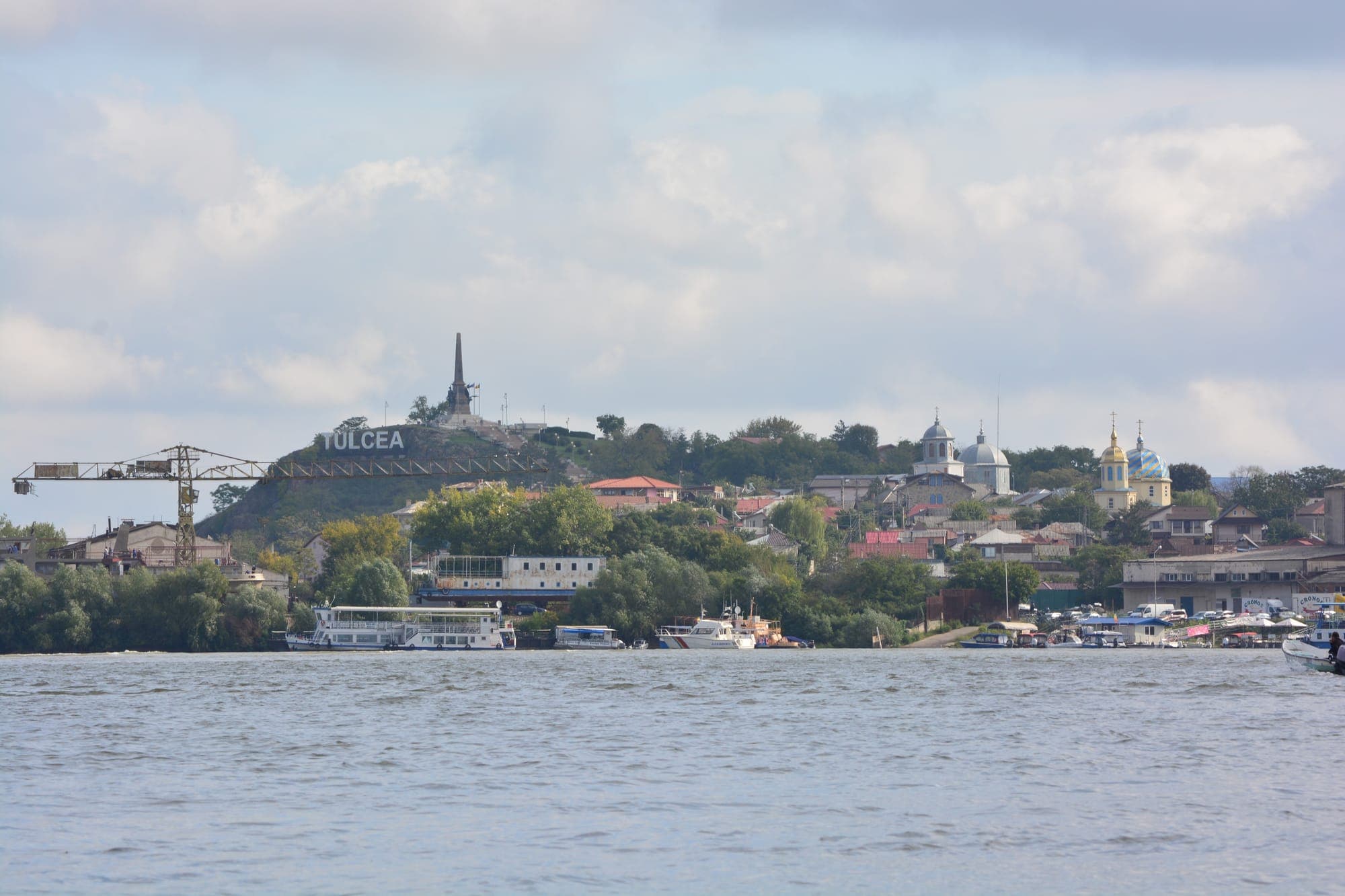
The Danube port town where the ships to the Danube Delta leave from: the waterfront with the River Station, the Independence Monument on the hill, the Azizie Mosque and the aquarium.
A Roman-Byzantine fortress of the 4th–6th centuries in central Dobruja, with 13 towers, an early Christian basilica and ruins uncovered by Vasile Pârvan in 1911–1914.
Monuments and historic sitesFortresses and fortifications
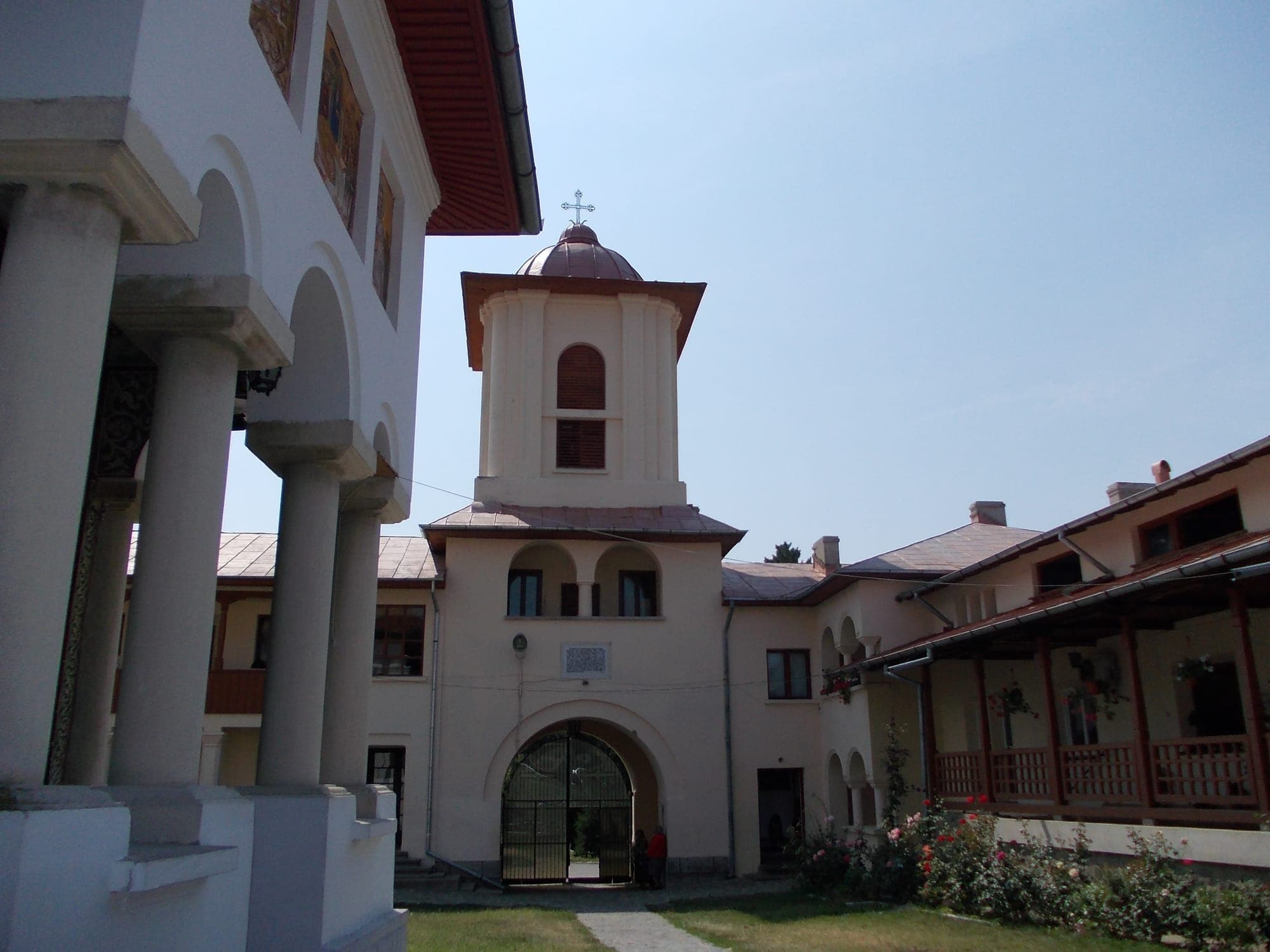
A convent first recorded in 1530, founded by Vlad the Drowned, a few kilometres from Târgoviște: a church with a porch painted with scenes from the Apocalypse, Brâncoveanu votive portraits and cells with wooden verandas.