The two-room cottage in Țicău where Ion Creangă lived from 1872 until his death and wrote “Memories of My Boyhood”. Opened as a museum in 1918, it is Romania's first literary memorial museum.
Museums and memorial houses
Closed45 min16 lei
151 results
The two-room cottage in Țicău where Ion Creangă lived from 1872 until his death and wrote “Memories of My Boyhood”. Opened as a museum in 1918, it is Romania's first literary memorial museum.

The cathedral of the Metropolis of Moldavia, consecrated in 1887 in the centre of Iași and home to the relics of Saint Parascheva, which draw hundreds of thousands of pilgrims every October.

A 17th-century manor given its present look in 1903, set in a park and home to the Mikes Kelemen museum: four memorial rooms for notable people born in Zagon.

A 17th-century Renaissance castle in the centre of Miercurea Ciuc, rebuilt by the Habsburgs as a fortification and now home to the Szekler Museum of Ciuc.

Open-air museum at Curtișoara, near Bumbești-Jiu: over 30 wooden peasant houses from all over Gorj, the Tătărescu ensemble, churches and folk installations, next to the Cornoiu Kula.

The museum in the Post Office Palace on Calea Victoriei shows the Historical Treasury, with the royal crowns and Getic gold, the Lapidarium and a full-size copy of Trajan's Column.
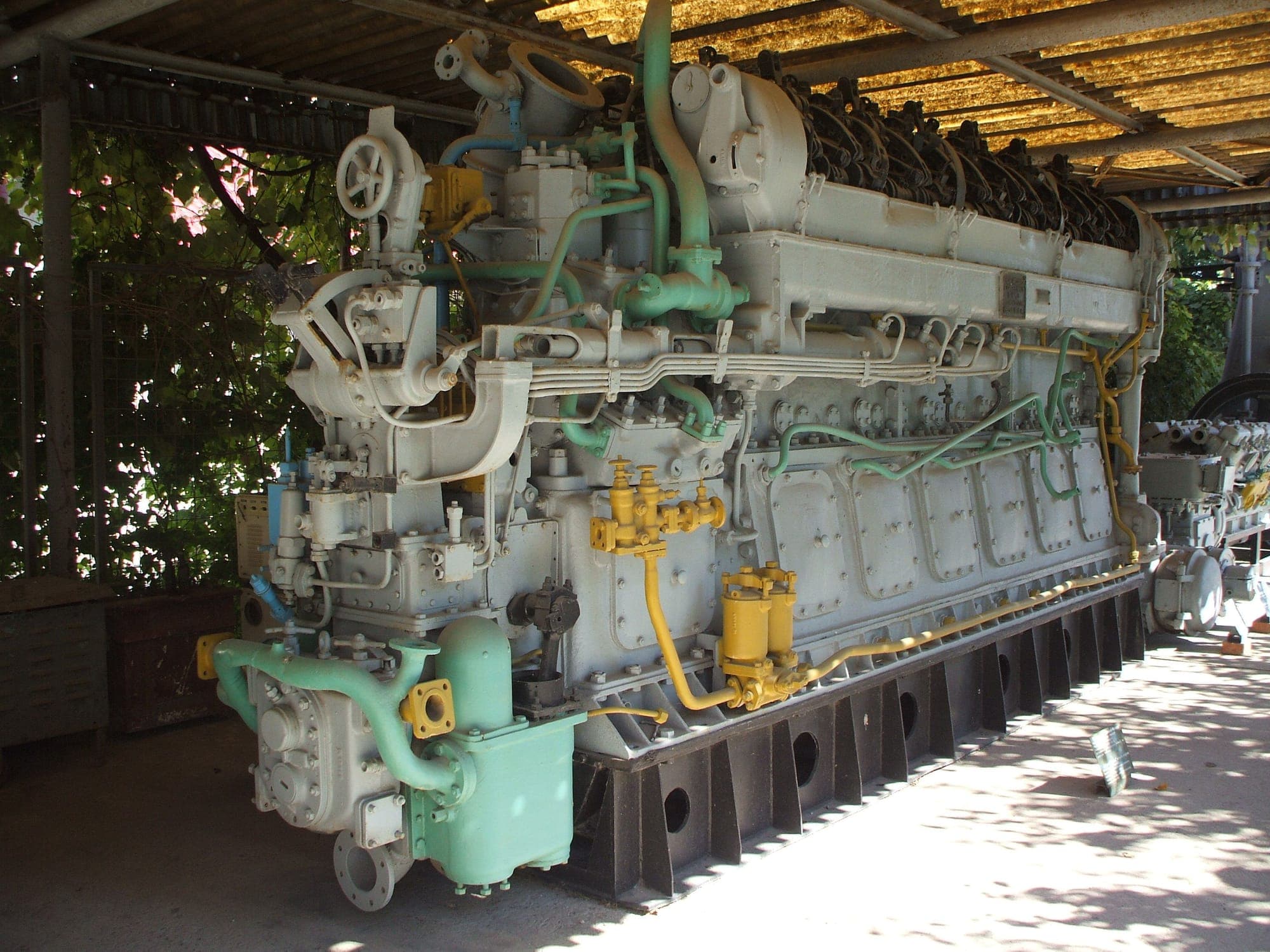
The museum of Romanian naval history, in the former Naval School building in Constanța: a 15th-century dugout boat, ship models and submarine parts. Closed for structural consolidation.

The museum in the Neo-Romanian building on Kiseleff Road, named European Museum of the Year in 1996, keeps over 100,000 objects of peasant art and civilisation.

The oldest and largest monastic settlement in Moldavia, recorded since 1407, with the Church of the Ascension built by Stephen the Great and consecrated in 1497.

The hilltop monastery near Gherla that keeps the icon of the Virgin painted in 1681, which wept in 1699; home to the largest pilgrimage in Transylvania, on the Feast of the Dormition.

The ensemble at Ciucea, the former manor of the poet Octavian Goga, includes the castle, the White House, the Ady Endre House and the poet's mausoleum; the museum is closed for rehabilitation.
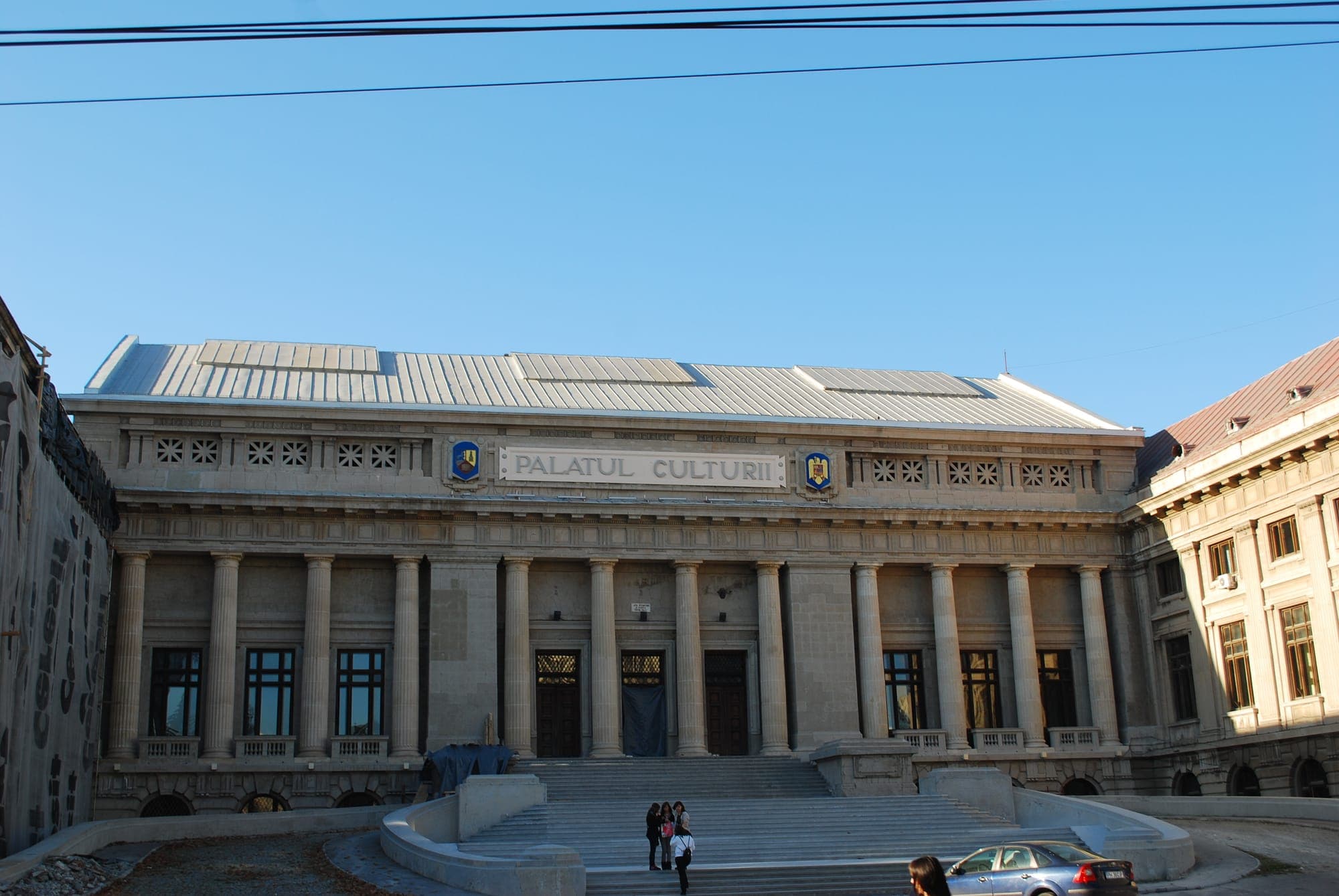
The former Palace of Justice in the centre of Ploiești, inaugurated in 1933, a Neoclassical building with a columned portico; today it houses the Museum of Man, the Aquarium and the “Nicolae Iorga” County Library.

A masterpiece of Transylvanian Secession architecture, completed in 1913, with a gold-ground mosaic façade, the Hall of Mirrors and its 12 stained-glass windows, a concert hall with an organ and the Mureș County Museum's art galleries.

The former communist prison known as the 'prison of silence', where Ion Mihalache, Corneliu Coposu and other political prisoners were held alone in their cells; on UNESCO's Tentative List, currently closed to visitors.

A mining village in the Apuseni Mountains and a UNESCO site since 2021: the Roman galleries of Alburnus Maior in the Mining Museum, the old centre with stone houses, the mining ponds and Piatra Despicată.