Steam Locomotives Museum
Sibiu, SB
An open-air museum inside the CFR depot in Sibiu, opened in 1994: dozens of steam locomotives from 1885 to the 1950s, mainline and narrow-gauge, plus snow ploughs and cranes.
Museums and memorial houses
45 min
151 results
An open-air museum inside the CFR depot in Sibiu, opened in 1994: dozens of steam locomotives from 1885 to the 1950s, mainline and narrow-gauge, plus snow ploughs and cranes.

The oldest museum in Székely Land, in a building designed by Kós Károly in 1911–1912: history, ethnography, natural sciences and a garden with Székely gates.

A 19th-century manor in Câmpia Turzii, restored with PNRR funds and opened to the public in 2026 as a cultural tourism centre, with exhibitions and the Metallurgy House in the basement.

Bihor's county museum, housed since its move in the former Royal Cadet School of 1898: archaeology, history, art, ethnography, natural sciences and a vivarium under one roof.

Archaeology and local history museum in a 15th–16th-century building in Turda's old centre, known as the Princely Palace: finds from the Roman fort of Potaissa, prehistory and medieval Turda.
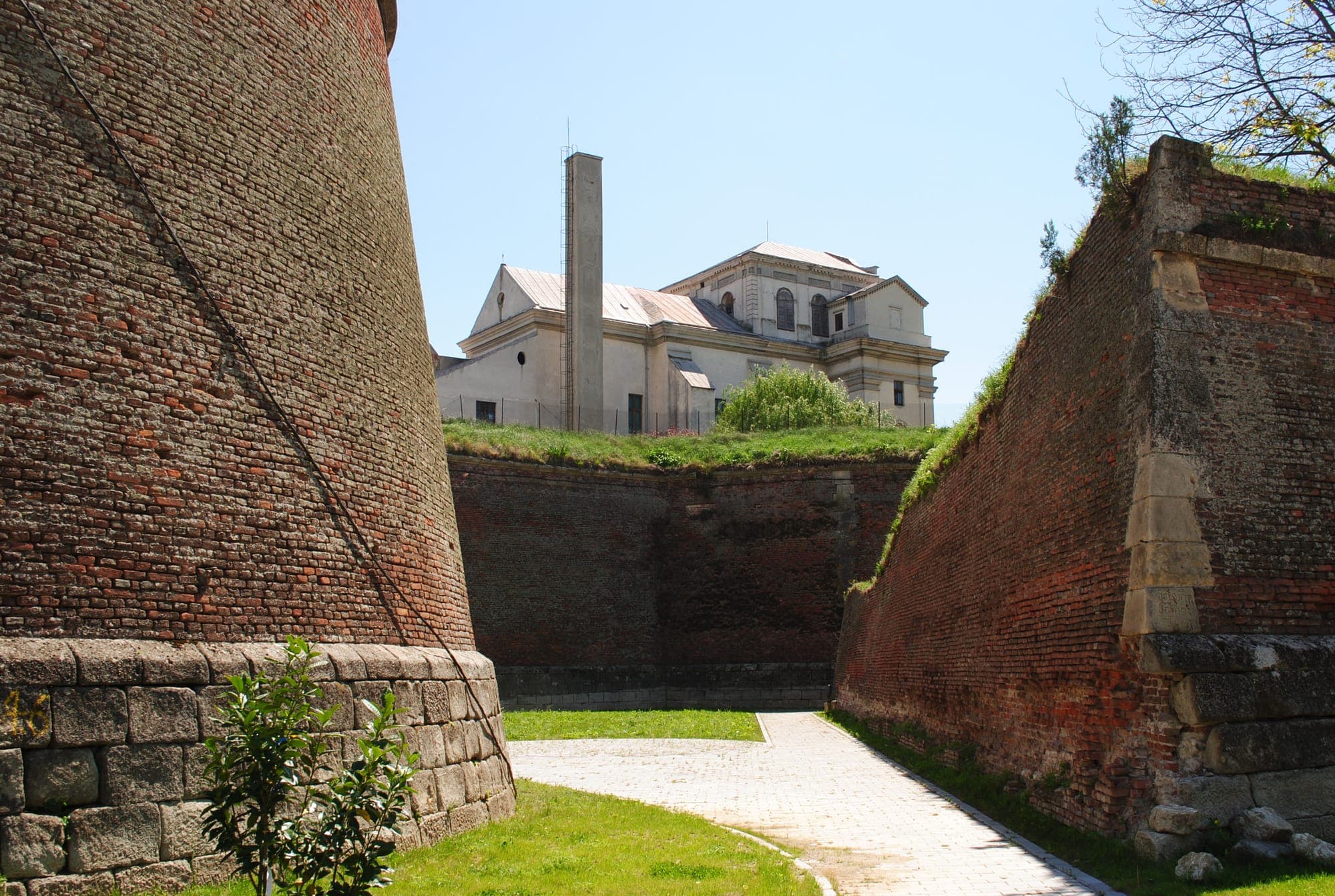
The library in the Alba Carolina Fortress, housed in a former Baroque Trinitarian church: over 50,000 books, nearly 600 incunabula, 1,230 manuscripts and a fragment of the Codex Aureus.
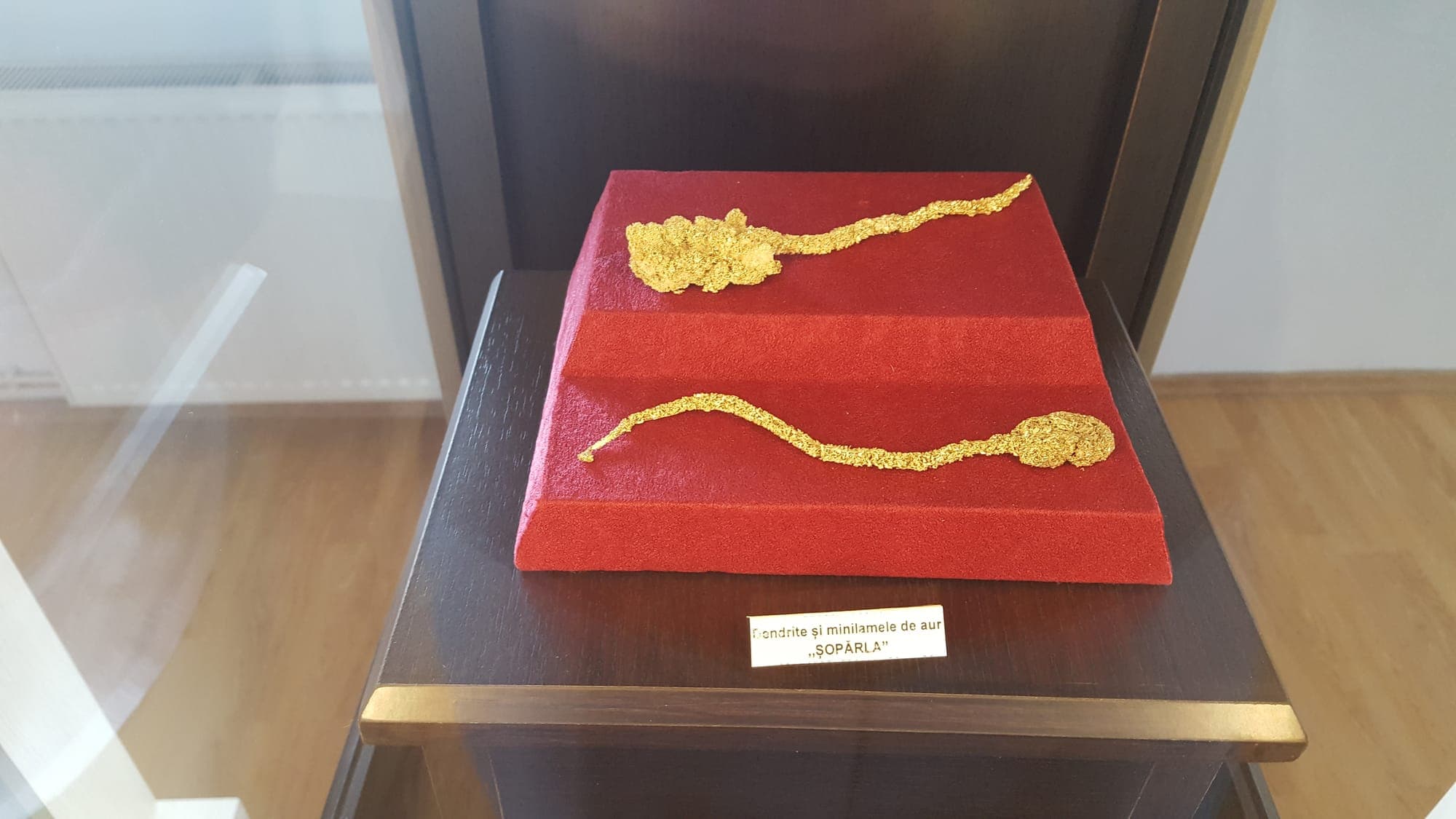
A collection of native gold from the Apuseni Mountains, with unworked gold leaves, wires and crystals, some shaped like animals, alongside minerals from around the world.

A convent in Olt, in the village that Matei Basarab and Constantin Brâncoveanu came from: defensive wall and bell tower of 1634–1640, a Brâncovenesc great church of 1699, and a museum with a lapidary.

Fortified boyar house in Cartiu, near Târgu Jiu, built around 1760 on the core of a kula and wrapped in timber porches; it now houses a museum of Gorj folk costume.
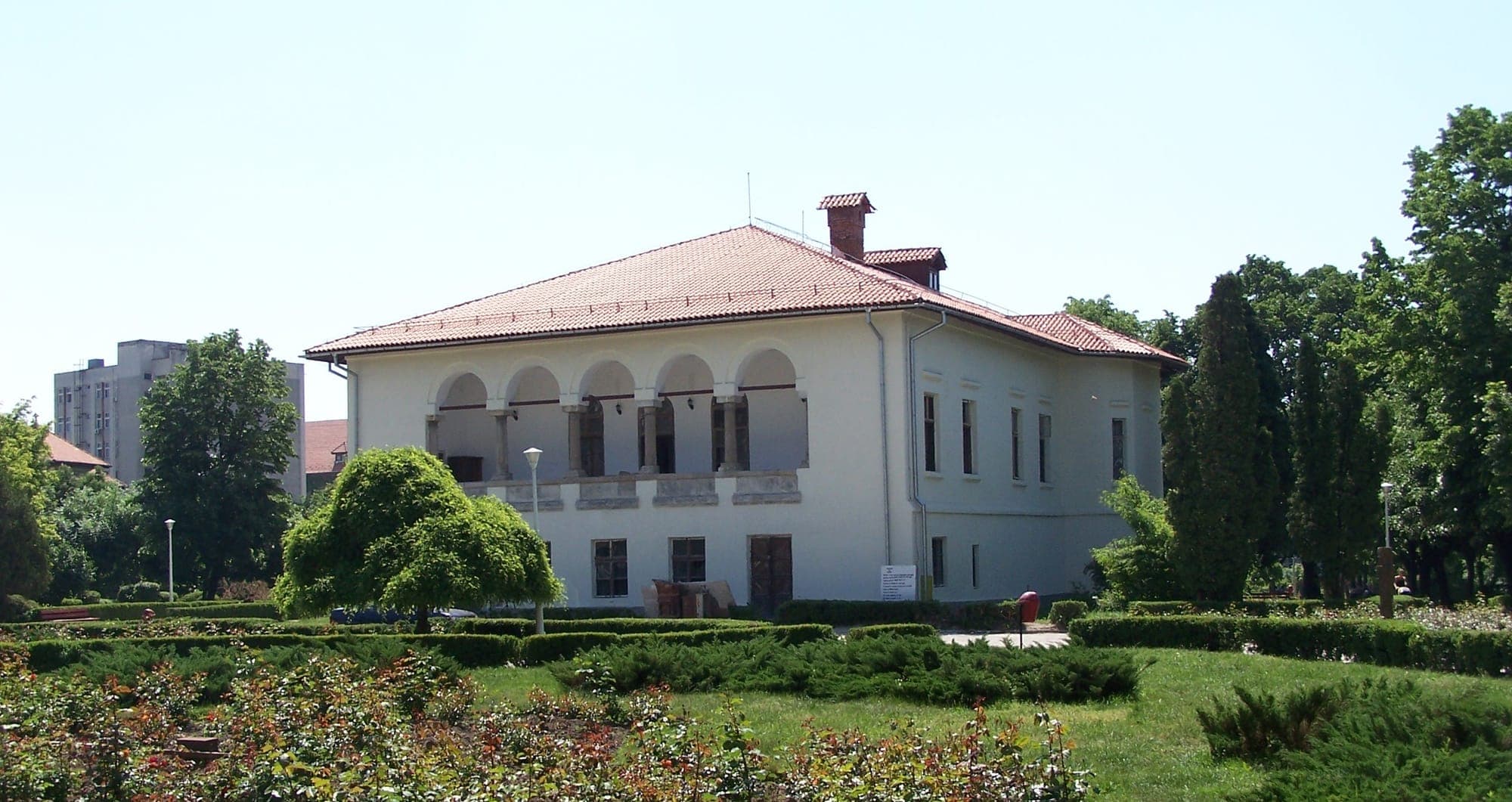
The oldest civil building in Craiova, rebuilt by Constantin Brâncoveanu in 1699, is home to the Ethnography Section of the Oltenia Museum.
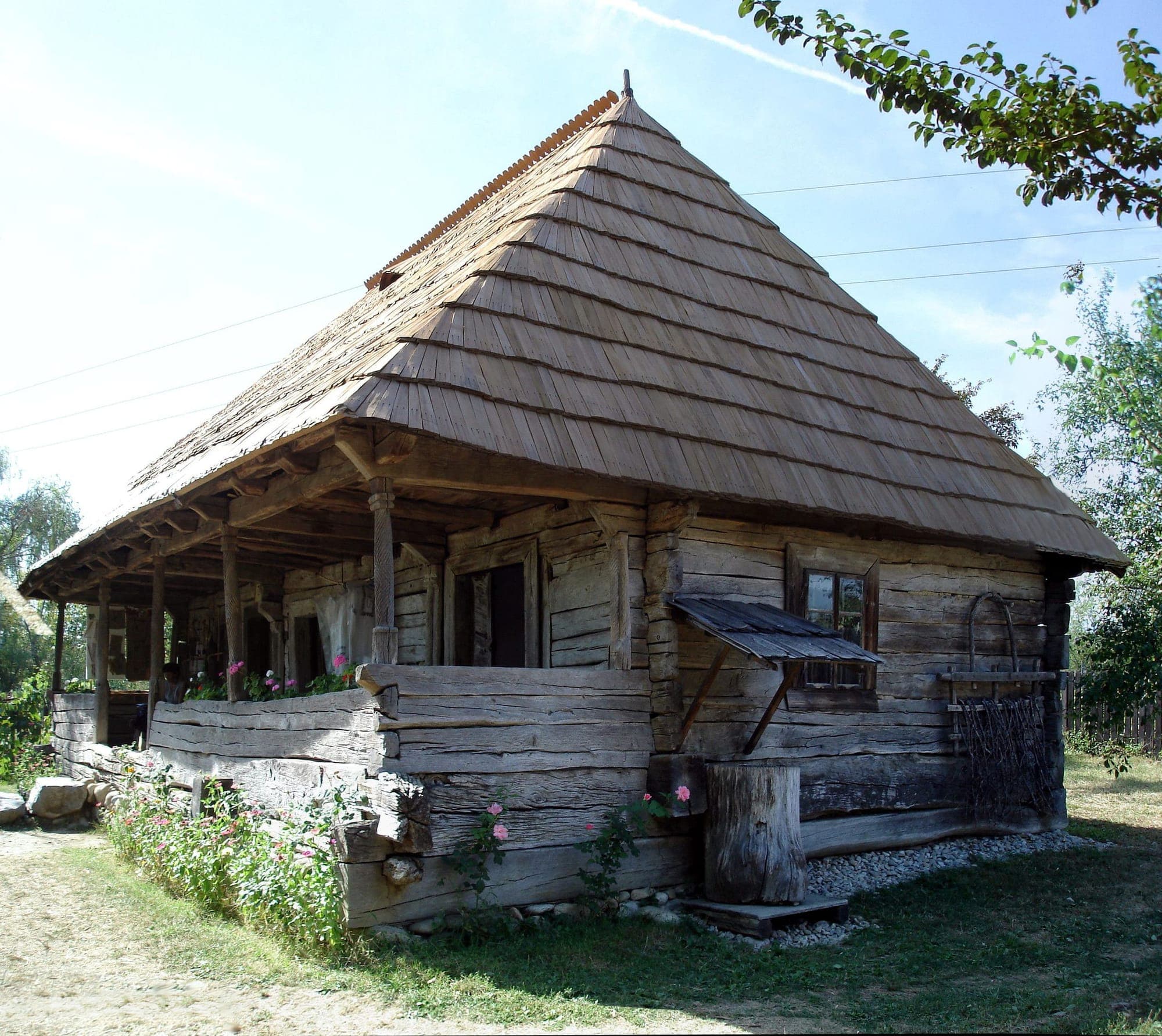
The wooden homestead in the village where Brâncuși was born in 1876: a house with a porch of twist-carved posts, a carved gate, outbuildings and peasant furniture, a museum since 1971.

A museum devoted entirely to the art of the Cucuteni culture, with painted pots and clay figurines 5,500–7,000 years old, in a Neo-Romanian building in the historic centre of Piatra Neamț.

An Oltenian fortified tower-house from 1812–1827, with a massive ground floor and a decorated veranda, built by the Măldărescu family and bought in 1910 by I.G. Duca; now part of the Măldărești Museum Complex near Horezu.

The house of Alexandru Ioan Cuza's parents, now the first house museum founded in Galați (1939), reopened in 2024 after restoration, with an exhibition on the ruler of the Union and on Galați between 1850 and 1930.

The Secession villa of the industrialist Imre Darvas, designed by the Vágó brothers in 1909–1912, now houses Romania's first Art Nouveau museum, with period interiors and a garden.