

Vadu Beach
Vadu, CT
A wild beach of shell-strewn sand at the village of Vadu, inside the Danube Delta Biosphere Reserve: low dunes, not a single building and an earth track down to the sea.
101 results
A wild beach of shell-strewn sand at the village of Vadu, inside the Danube Delta Biosphere Reserve: low dunes, not a single building and an earth track down to the sea.
The longest known cave in Romania, with more than 42 km of passages on several levels, which can only be visited on caving tours with an accredited guide.
A natural cave 162 m long in the village of Peștera, Moieciu commune: a natural monument with bat colonies and traces of Palaeolithic occupation, a few minutes' walk from the village.

Romania's largest glacial lake, at 2,040 m in the heart of Retezat National Park; it can only be reached on foot, after a climb of about two hours from Poiana Pelegii.

An undeveloped cave in the Bihor Mountains near Casa de Piatră: a huge portal, 54 × 45 m, through which the Gârdișoara stream vanishes underground.

A 25 m, two-tier waterfall on the Rupturi stream, in the forests below Toaca peak in Ceahlău National Park; reached on foot from the Durău resort in about two hours.

The land of dwarf dinosaurs around Hațeg, Romania's first geopark: small museums with reconstructions and fossils, themed trails through villages, palaeontological sites and traces of 70-million-year-old volcanoes.

The “Dragoș Vodă” reserve, founded in 1968 in Vânători-Neamț Nature Park: a small zoo with bison, deer and birds, at the edge of the forest where free-ranging bison live.
A cave in the Bihor Mountains, discovered in 1984, with chambers richly decorated with calcite formations; a class A reserve, padlocked and open only to scientific research.

The highest peak in the Eastern Carpathians (2,303 m), above Borșa in the Rodna Mountains. It is climbed in 4–4.5 hours on the blue-stripe trail, past the weather station and Lake Iezer, shaped like a map of Romania.

A geological reserve on the edge of the DN 67, near Horezu: dozens of trovants, the rounded sandstone “living stones”, emerging from the sand of a former quarry at Costești.

A dry limestone gorge in Piatra Craiului National Park, with vertical walls and layers of Jurassic limestone, walked on an easy forest road that also suits children.
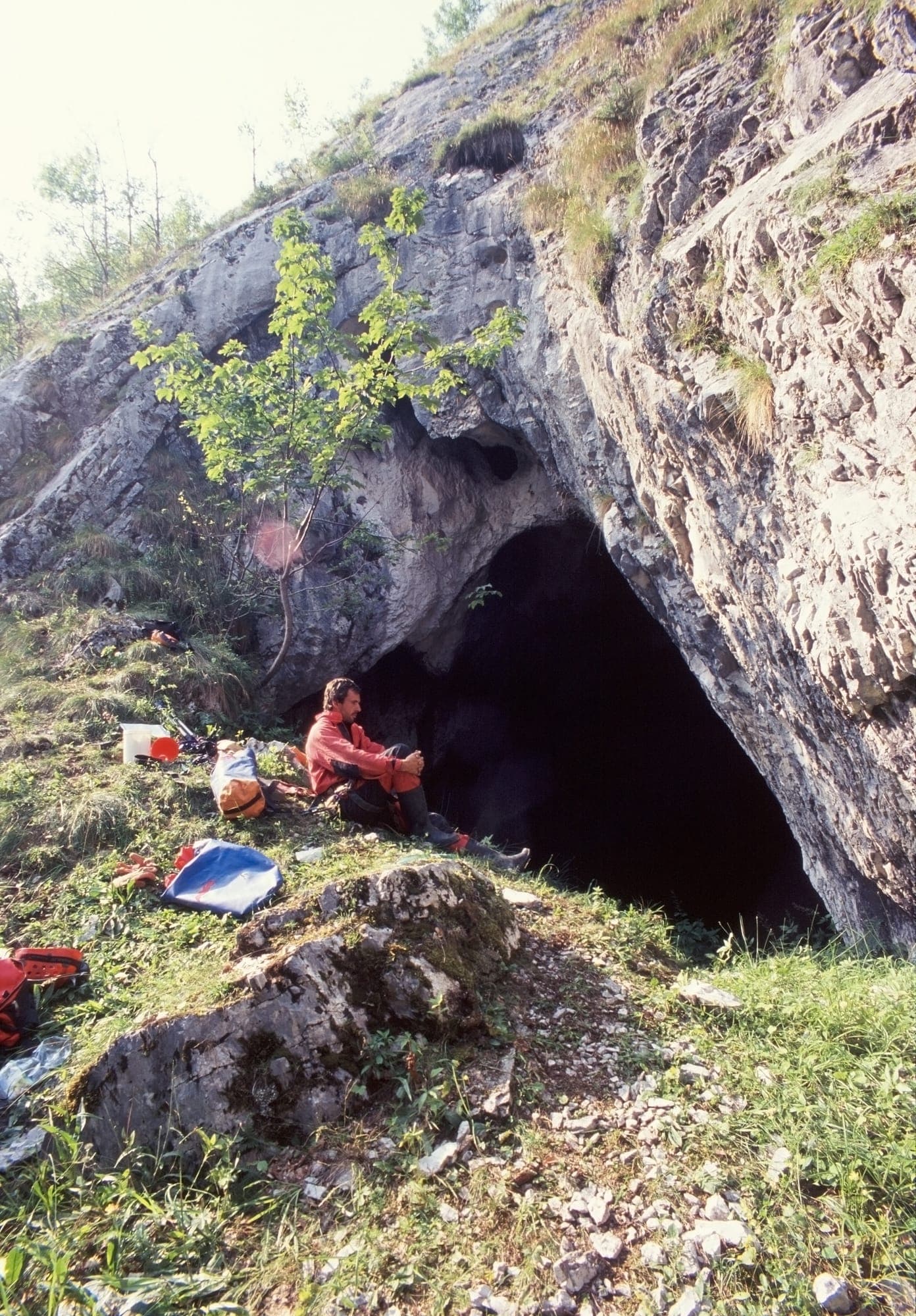
A speleological reserve in the Retezat Mountains, above the Scorota Valley, with a 6 × 8 m portal, a 50 m entrance hall, a chimney and a deep shaft; a vertical cave, closed to tourist visits.
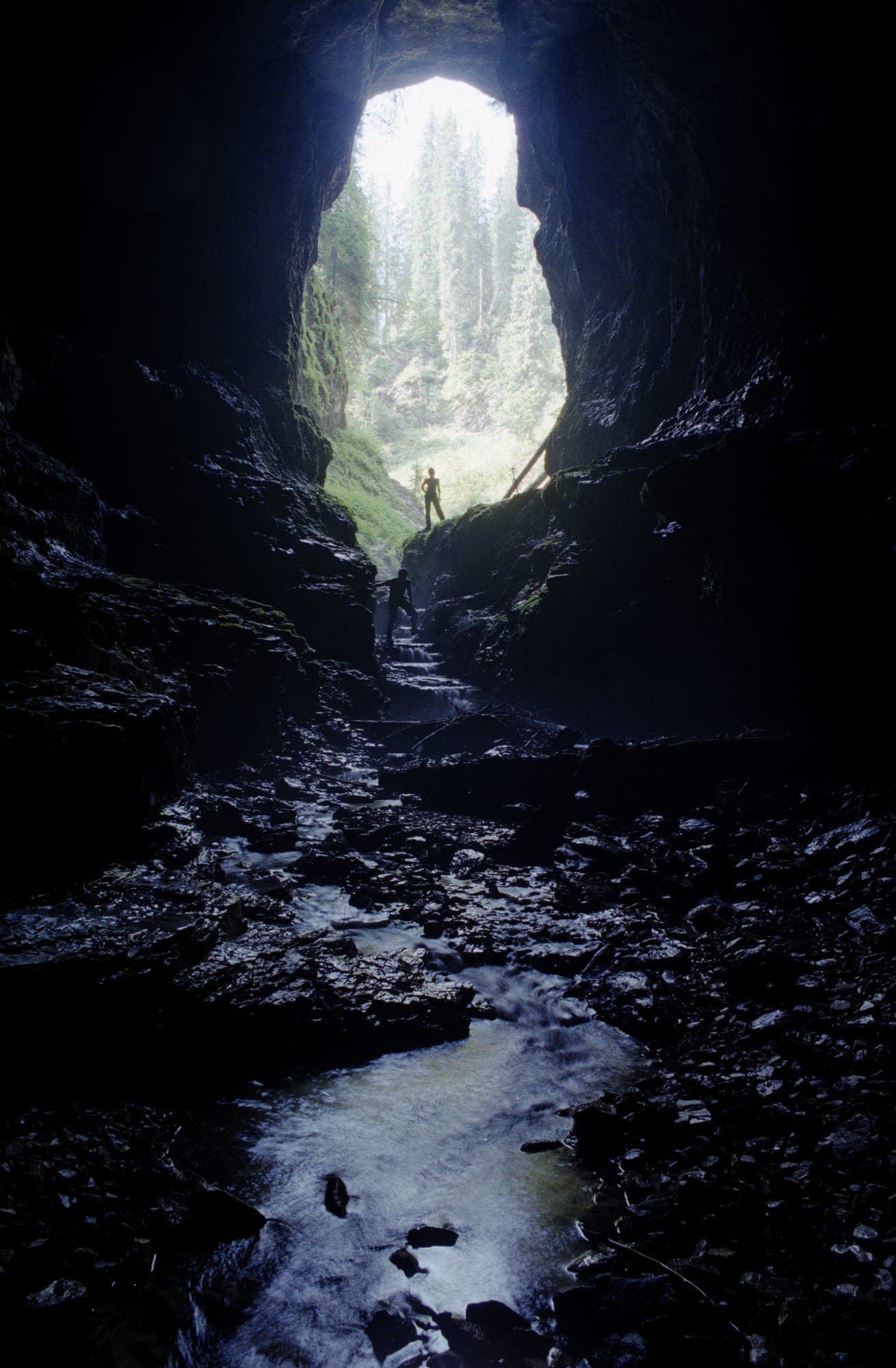
A tunnel cave on the Padiș Plateau, with a portal of about 15 m and 260 m of underground route where the Rădeasa stream runs past boulders, roof openings and a narrow canyon. It is crossed on foot, through the water.

A wild, unlit cave in the Anina Mountains with more than 6 km of passages on three levels, 1,750 m of which you explore with a helmet and head torch, led by the national park's rangers.



