

Corbu Beach
Corbu, CT
The last wild beach at the southern edge of the Danube Delta Biosphere Reserve: shell-strewn sand, dunes and a low earth cliff, with no hotels, sunbeds or lifeguards.
101 results
The last wild beach at the southern edge of the Danube Delta Biosphere Reserve: shell-strewn sand, dunes and a low earth cliff, with no hotels, sunbeds or lifeguards.
A small cave lined with calcite crystals, broken into by miners in a gallery of the Farcu bauxite mine; it is visited with a guide, after an exhibition on mining.

A geological reserve in Sălaj with 10–15 m sandstone towers and spurs, shaped by erosion and named by locals "the Dragon and the Dragoness", "Fata Cătanei" or "the Monks".

Romania's oldest European bison reserve, in the Slivuț forest near Hațeg: the first bison brought from Poland arrived here in 1958, and the herd can be watched from the fence of the enclosure.

Romania's largest natural dam lake, formed by landslides between 1978 and 1991 in the Stânișoarei Mountains, with bare spruce trunks rising out of the water; reached on foot through the forest.

Romania's largest salt lake, a former sea bay next to Eforie: cold mud baths on the Techirghiol shore in summer, flocks of rare birds on water that does not freeze in winter.
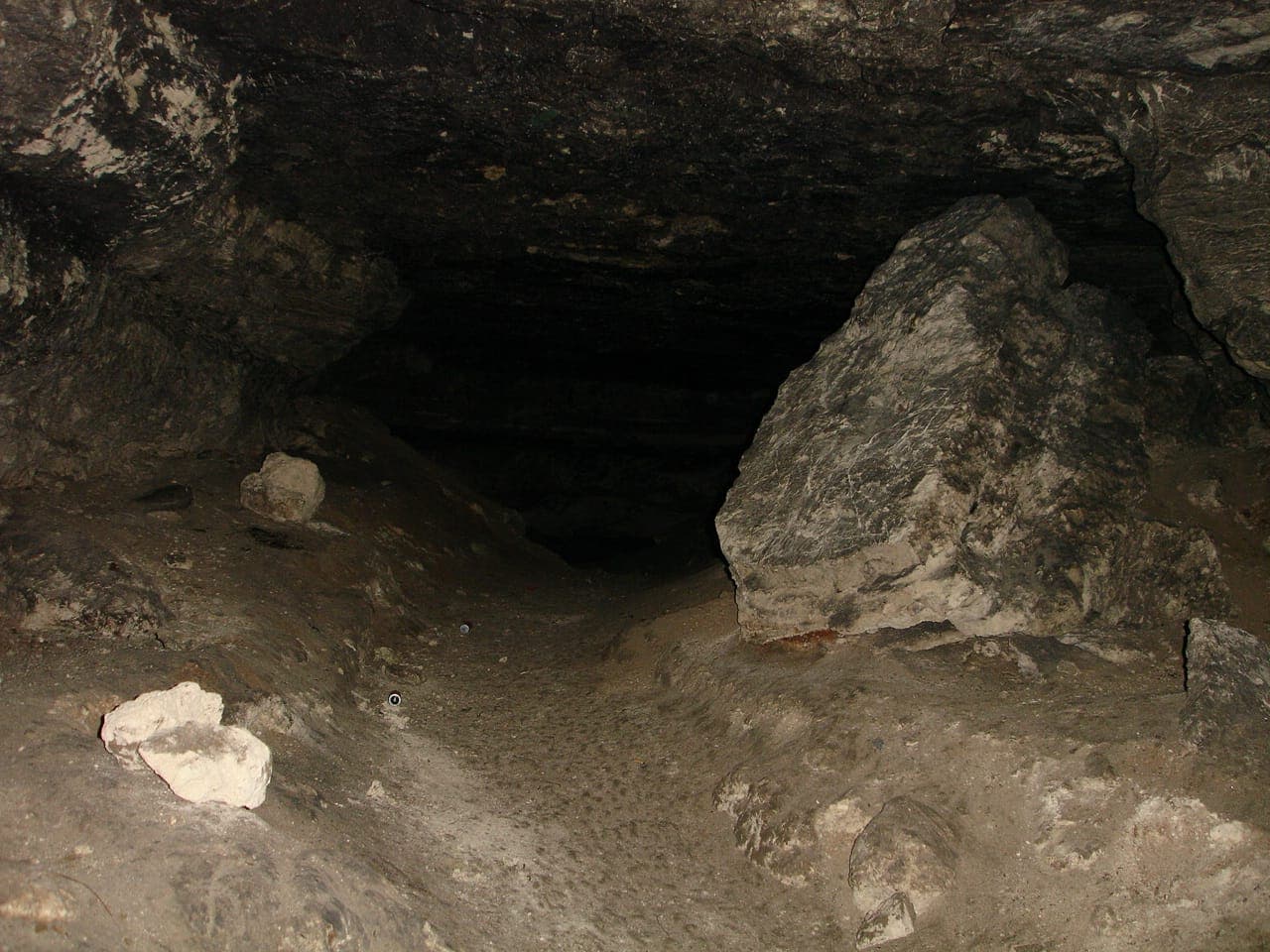
A labyrinth of galleries nearly 4 km long, cut into the limestone beneath the plateau of Limanu commune, close to Mangalia; a nature monument and bat shelter, not a cave developed for tourists.

A waterfall of about 30 m in Cozia National Park, where the stream bursts out of a tunnel cut through the rock; reached on foot along a gentle forest road through the Lotrișor Gorge.

Romania's oldest mountains, Hercynian granite worn down to 467 m, with rocky ridges, steppe and Balkan woodland, land tortoises and hundreds of migrating birds of prey.

Romania's longest gorge, almost 20 km between Șopotu Nou and Sasca Română, with the Devil's Lake, tunnels cut into the rock and a trail crossed by no road at all.

A roughly 30 m, two-tiered waterfall at the foot of the Vlădeasa massif, on the Stanciului valley near Răchițele; the water fans out over the rock like a veil, and in winter the frozen wall is an ice-climbing spot.
A 70–80 m chain of waterfalls, with a 25 m main drop, plunging into a huge sinkhole in the Trascău Mountains and vanishing underground; seen from a wooden balcony a short walk from the road.

An undeveloped cave in the Bihor Mountains, with ice at the entrance and white formations, where a Neanderthal footprint at least 62,000 years old was found in 1974.

Romania's deepest glacial lake, 29 m deep, at almost 2,000 m in the south-west of Retezat National Park; it can only be reached on foot, on a long day hike.
The only marine dunes left on the Romanian coast, protected since 1939 in the grounds of the Agigea Marine Biological Station: rare sand plants, tortoises and a free themed trail.



