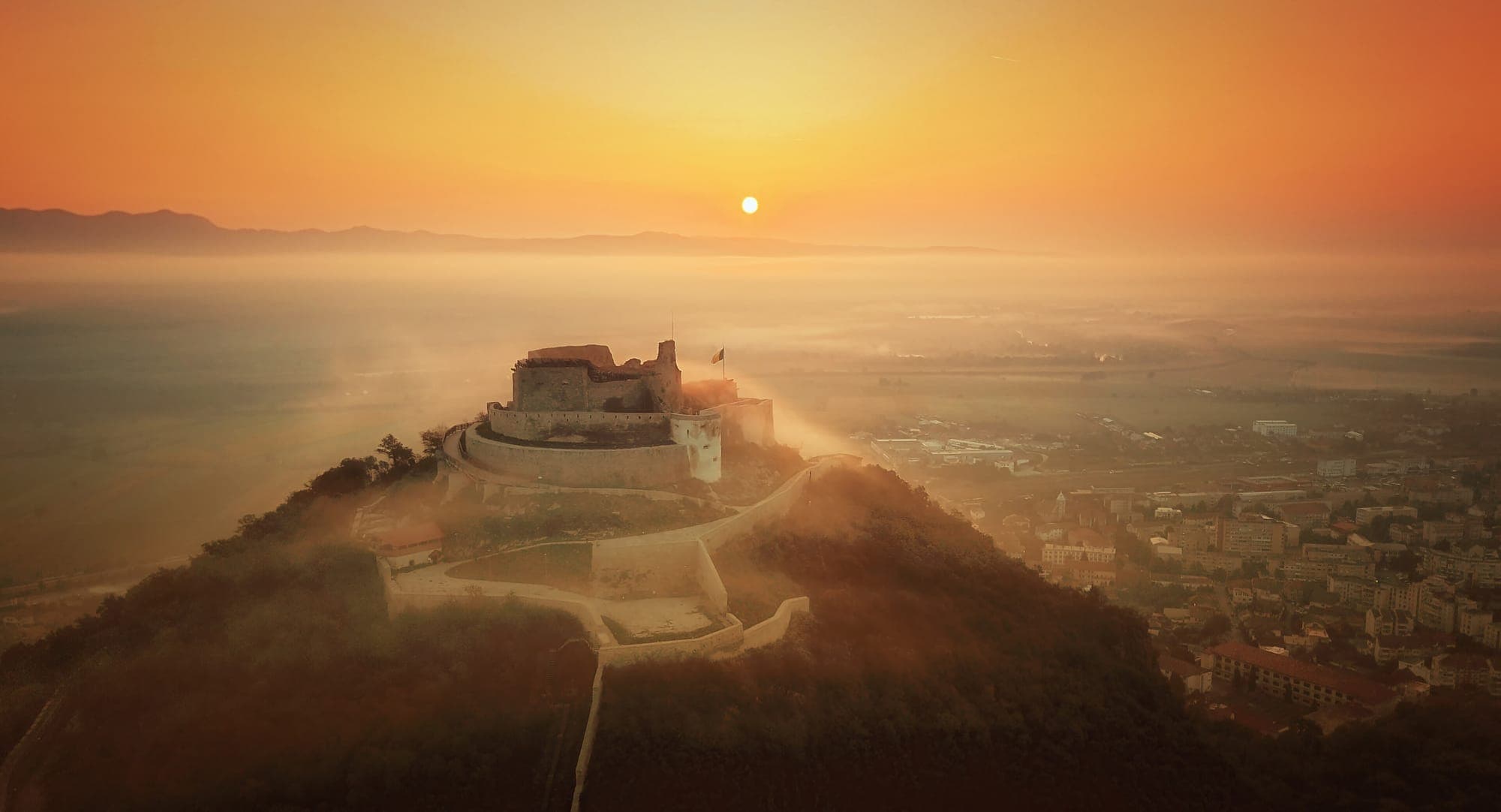
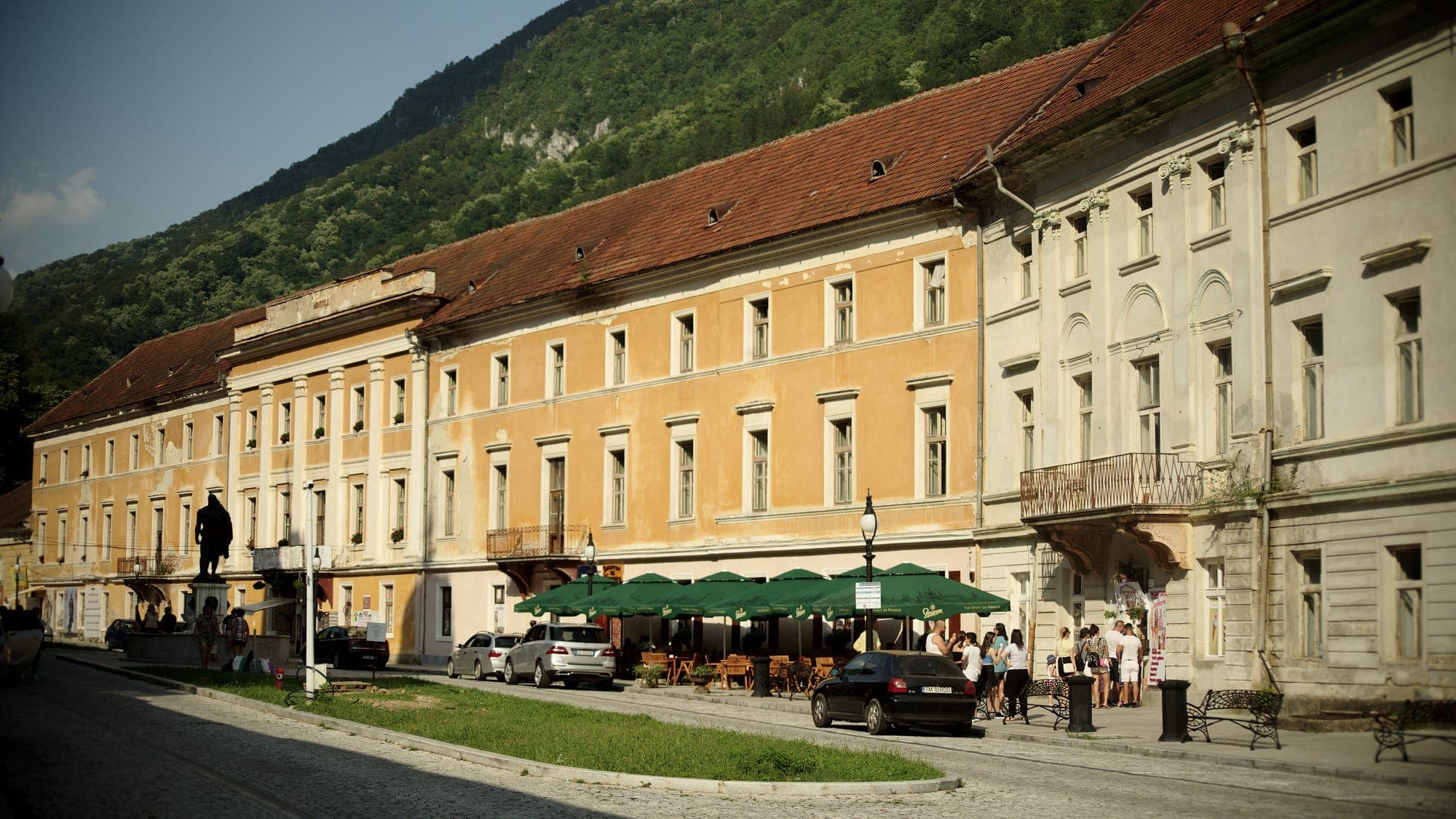
Romania's oldest spa resort, recorded as early as AD 153, in the Cerna valley: hot sulphur springs, a Habsburg old town around the Hercules statue and free thermal tubs on the riverbank.
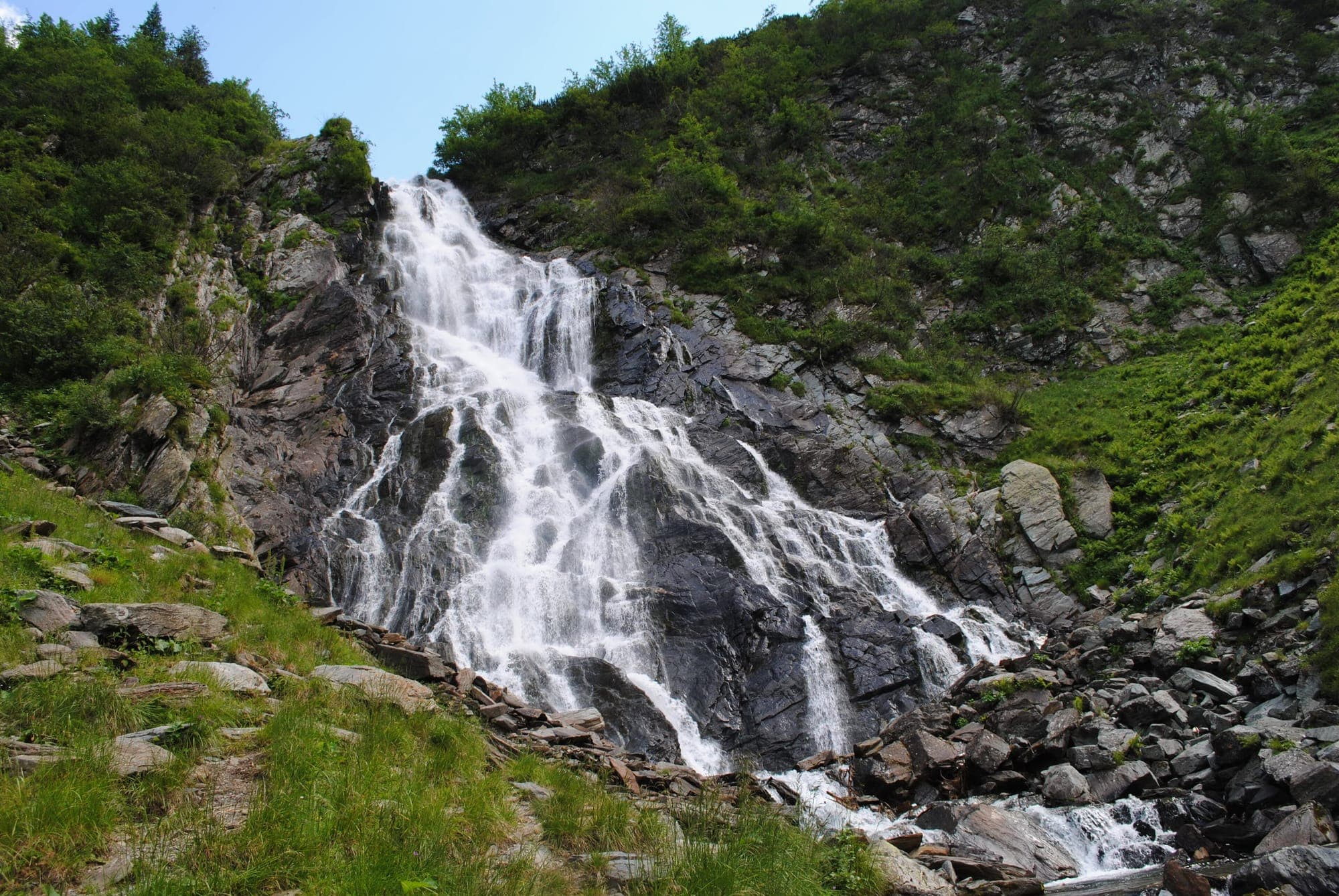
Romania's biggest tiered waterfall, dropping about 60 m over the lower step of the Bâlea cirque in the Făgăraș Mountains; an hour's walk up from the Bâlea Cascadă chalet on the Transfăgărășan.
A moss-clad tufa waterfall whose water fans out in dozens of threads over green steps, in the beech forest of the Cheile Nerei–Beușnița National Park, an hour's walk beyond Ochiul Beiului Lake.
Romania's largest glacial lake, at 2,040 m in the heart of Retezat National Park; it can only be reached on foot, after a climb of about two hours from Poiana Pelegii.
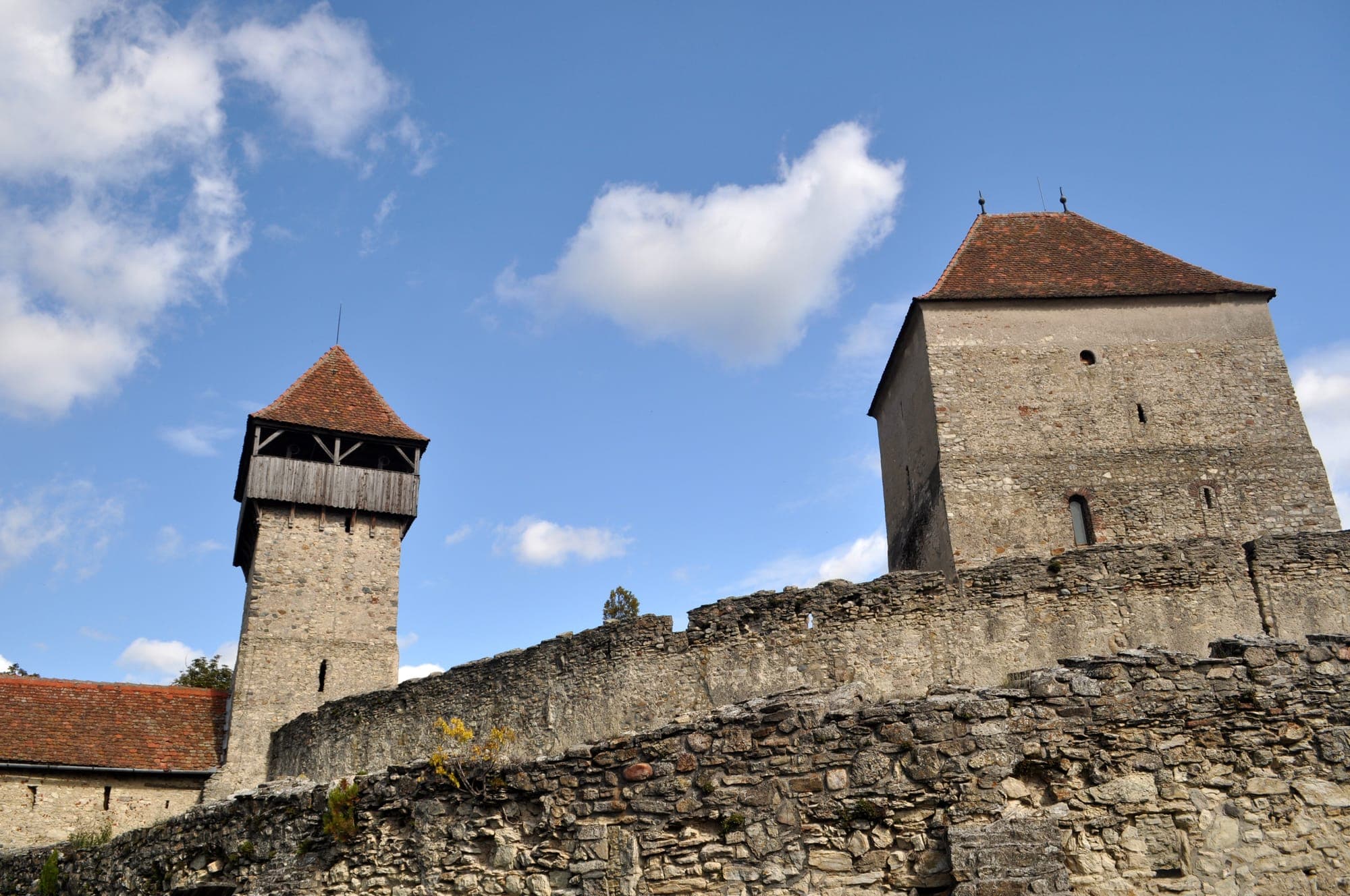
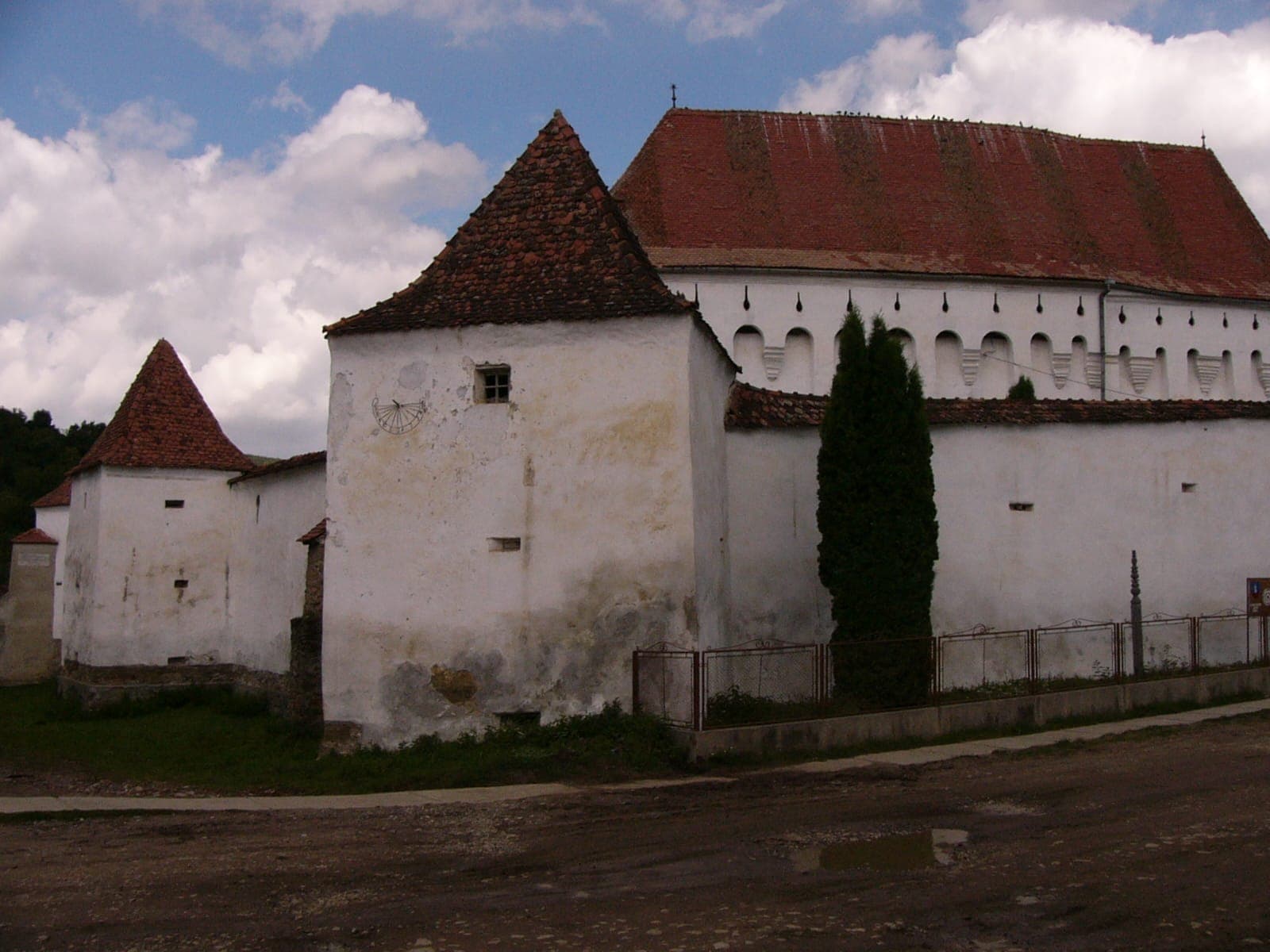
A 13th-century count's residence, bought by the Saxon villagers in 1430 and turned into a peasant fortress: a Romanesque keep, two rings of walls and a chapel, in a valley near Sebeș.
Fortresses and fortificationsMonasteries and churchesUNESCO
A karst complex on the Padiș Plateau: three huge sinkholes with walls over 200 m high and a portal over 70 m tall where the Cetăților stream vanishes into the mountain. Seen from a marked hiking loop, not a show cave.
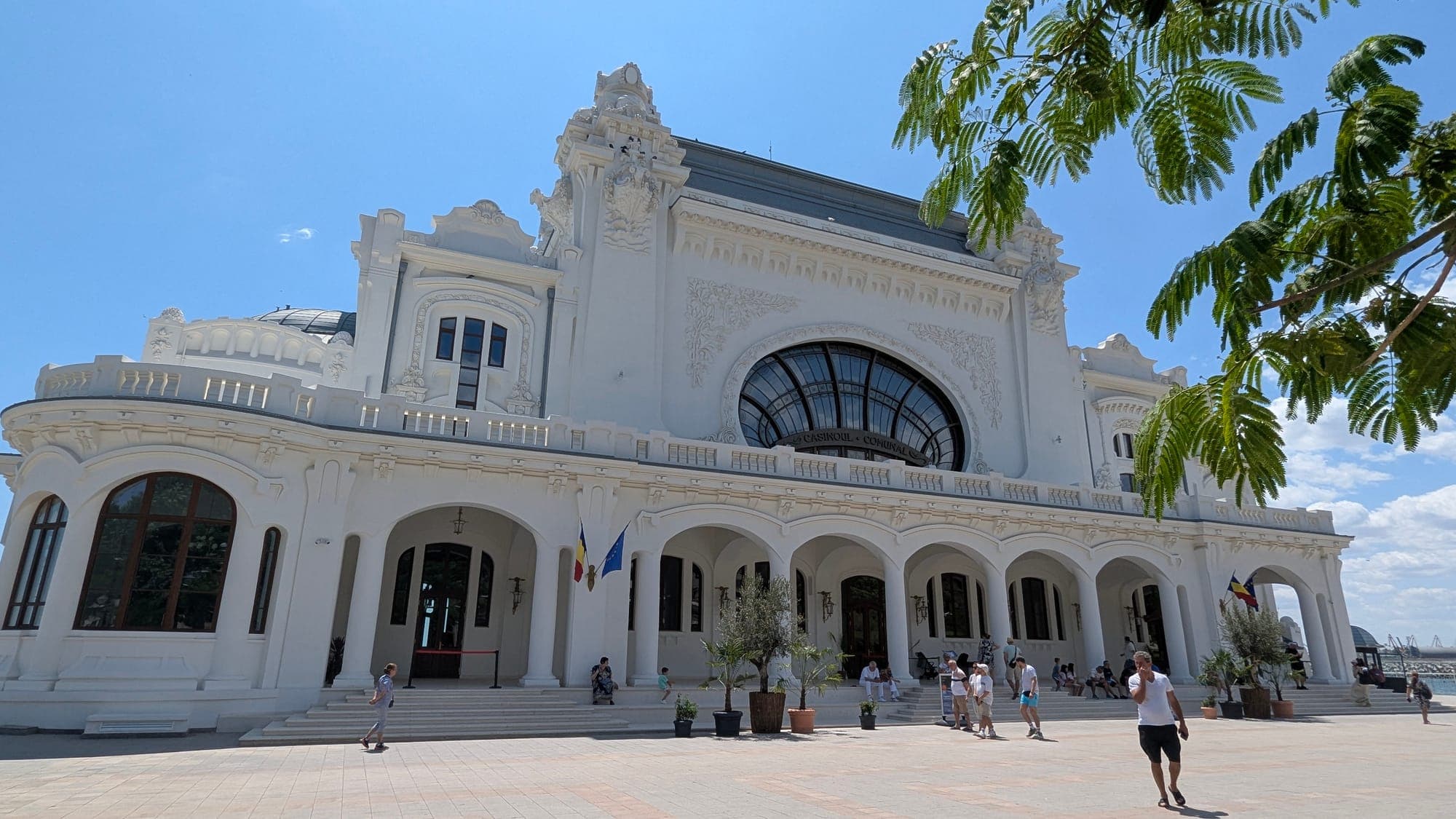
The Art Nouveau building on the Constanța seafront, opened in 1910, left to decay after 1990 and reopened in 2025 after restoration, with exhibitions on its history and on the Black Sea.
Monuments and historic sitesMuseums and memorial housesSeaside
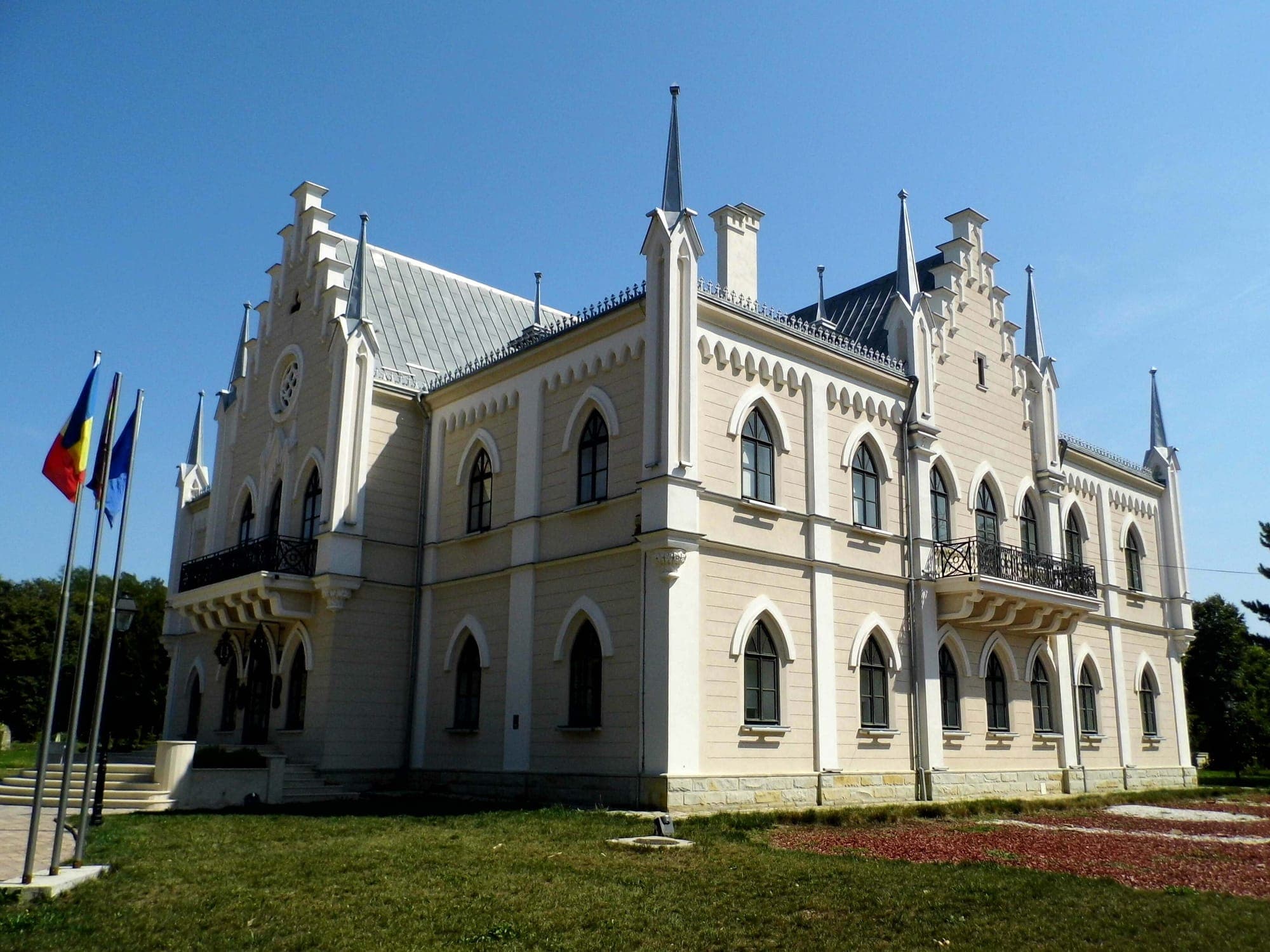
A Neo-Gothic palace of the Sturdza boyars, bought in 1862 by Alexandru Ioan Cuza and made the ruling family's residence; today a memorial museum with rooms recreated from Elena Cuza's inventory.
The narrowest stretch of the Danube Gorge, between Dubova and Ogradena: the river squeezes between limestone walls, with Serbia on the far bank, seen by boat or from Ciucaru Mare.
The only Székely and Unitarian church in the UNESCO fortified-church site: a Gothic church with 1419 frescoes of the legend of Saint Ladislaus, whose fortress villagers still use to store their bacon.
Monasteries and churchesFortresses and fortificationsUNESCO
The 29.35 m column of brass-coated cast-iron modules raised by Constantin Brâncuși in 1938 in Târgu Jiu for the heroes of 1916: the eastern end of the “Heroes' Avenue” ensemble, a UNESCO World Heritage Site.
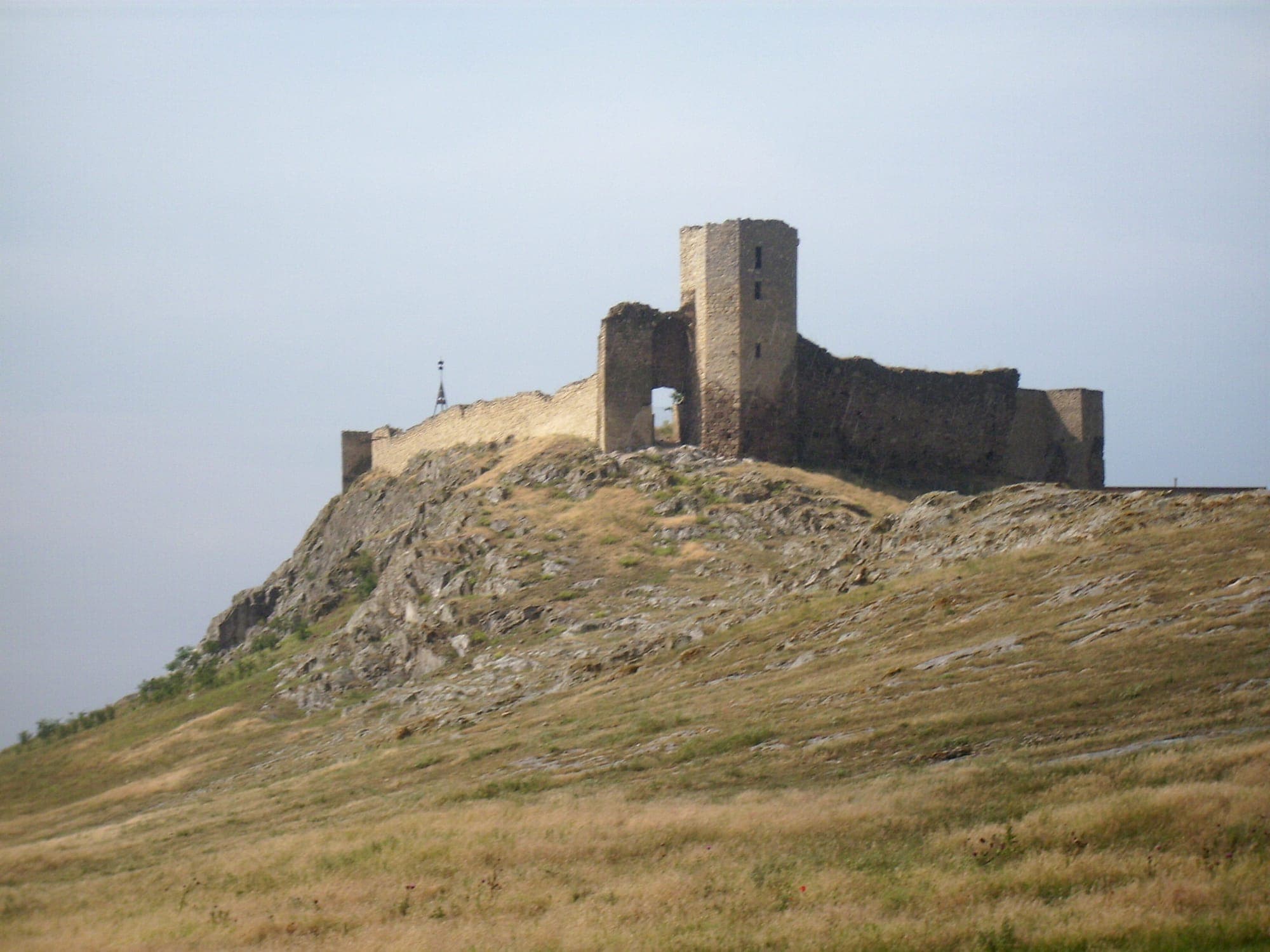
The ruins of a 14th-century fortress, probably built by the Genoese on a limestone hill above lakes Razim and Babadag, with one of the widest views in Dobruja.
Fortresses and fortificationsMonuments and historic sites
A 39 m steel cross raised in the 1920s on the edge of the Caraiman escarpment, at 2,291 m, in memory of the heroes of the First World War; it can be seen from all over Bușteni.
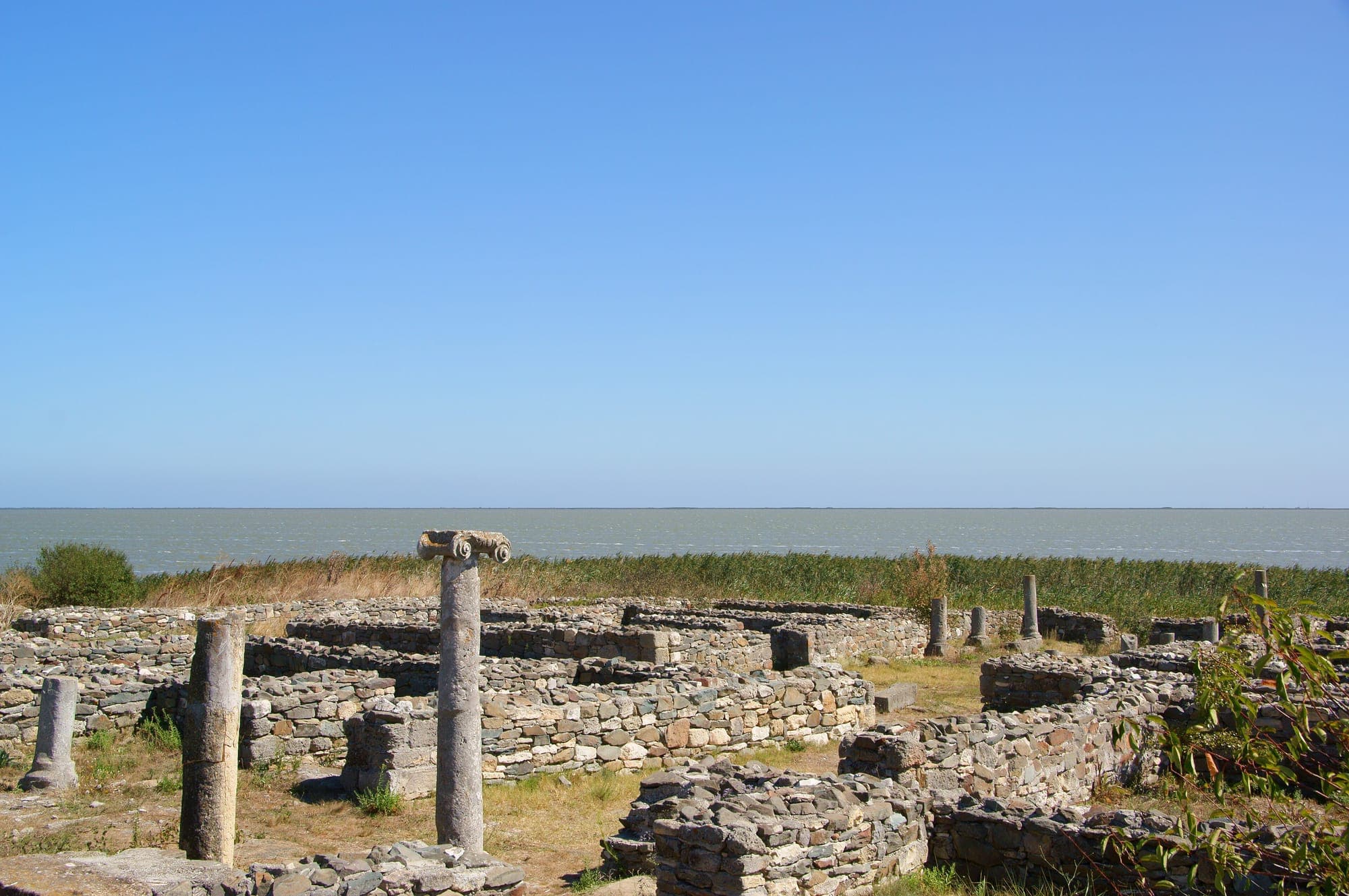
The ruins of the oldest city on Romanian soil, a Greek colony founded by Miletus in the 7th century BC on the shore of Lake Sinoe, with the site museum alongside.
Fortresses and fortificationsMuseums and memorial housesMonuments and historic sites
 Top 100