
Transursoaia
Alba County
National road DN1R, 80 km through the Apuseni Mountains between Huedin and Albac: past Lake Beliș-Fântânele, through the Moți villages and over the Ursoaia Pass, at about 1,320 m.
Scenic roads
Open now2½ – 3 hoursFree
National road DN1R, 80 km through the Apuseni Mountains between Huedin and Albac: past Lake Beliș-Fântânele, through the Moți villages and over the Ursoaia Pass, at about 1,320 m.

A narrow strip of sand below a high earth cliff covered in scrub, next to the oldest working lighthouse on the Romanian coast, with clear, turquoise-green water.
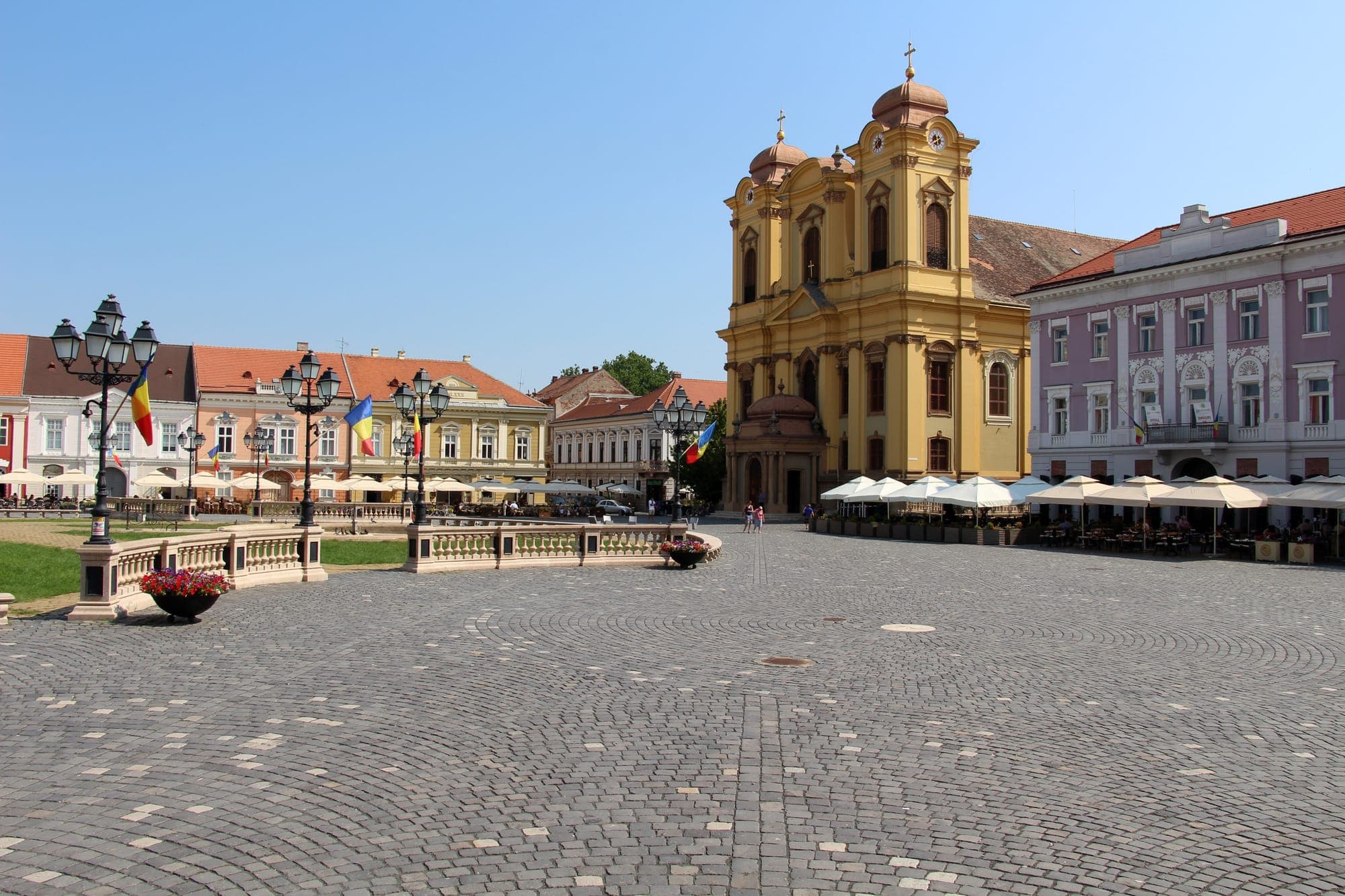
Timișoara's oldest square, about 150 by 110 metres, laid out in the Baroque style around the Roman Catholic Cathedral, the Serbian Cathedral and the Plague Column, among colourful houses from the 18th to the 20th centuries.
 Top 100
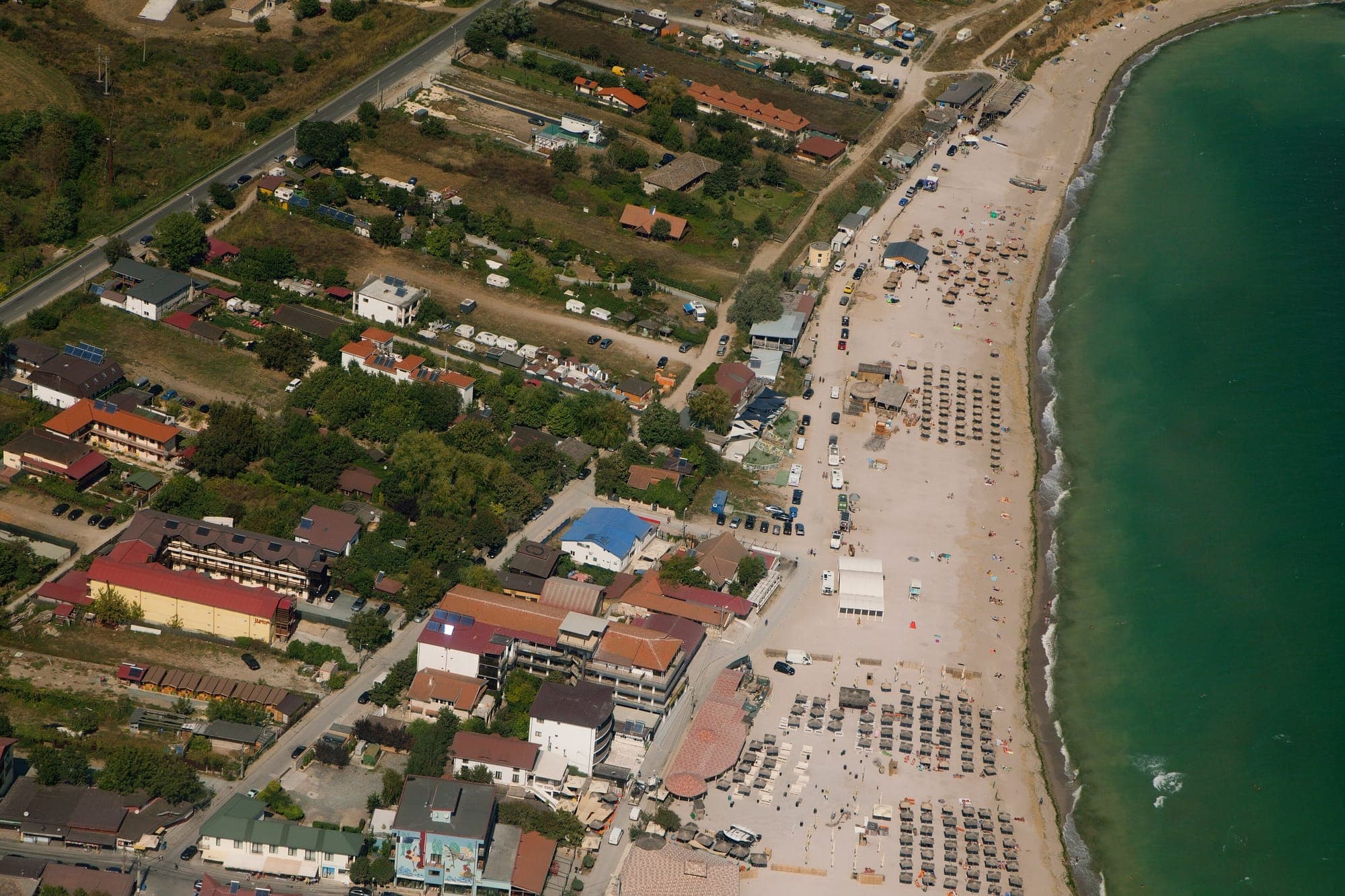
The last village on the Romanian coast, a kilometre from the Bulgarian border: two kilometres of fine sand, terraces open until dawn and the waters of a marine reserve.
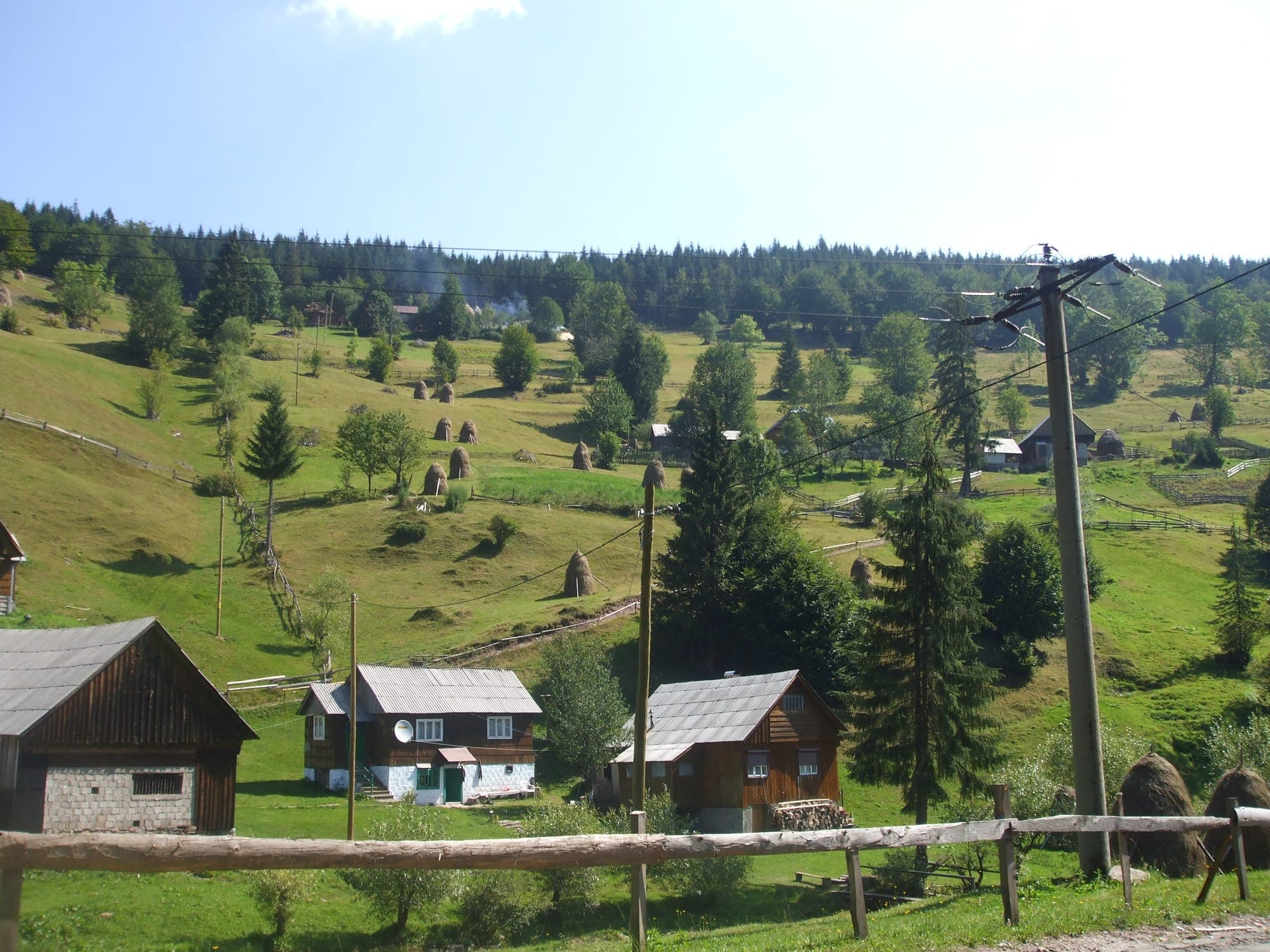
The pass where the DN75 crosses the Bihor Mountains at 1,160 m, between Nucet and Arieșeni: the Vârtop holiday village, ski slopes and trails to Groapa Ruginoasă and Piatra Grăitoare.

A botanical garden of almost 24 hectares in the former park of the Wesselényi castle: a Japanese garden with lakes and pavilions, greenhouses with palms and cacti, aquariums and thousands of tulips in spring.
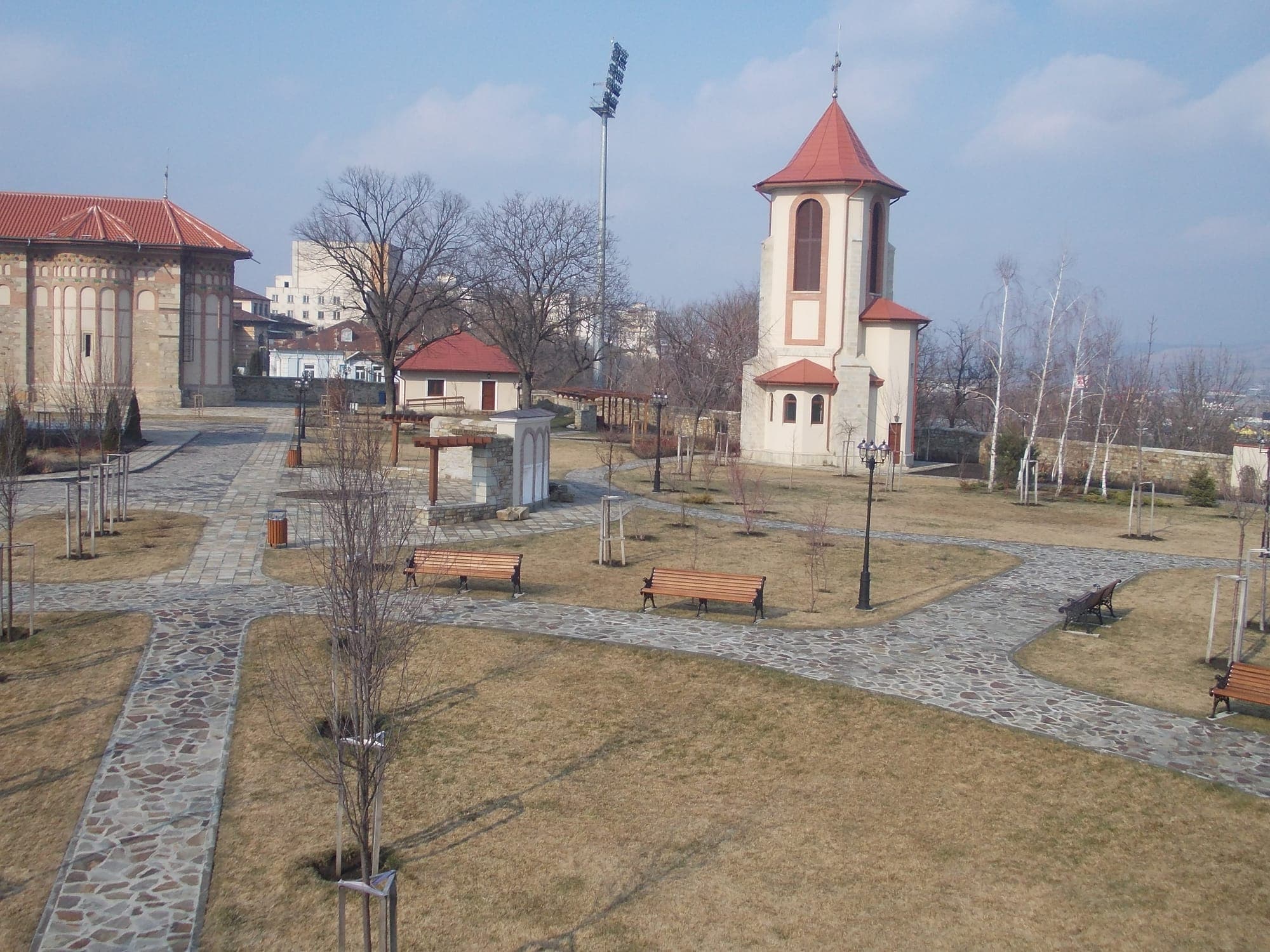
An archaeological park laid out on the site of Moldavia's princely court in Vaslui, with the Church of the Beheading of St John the Baptist, a foundation of Stephen the Great from 1490, in the town centre.
 Top 100
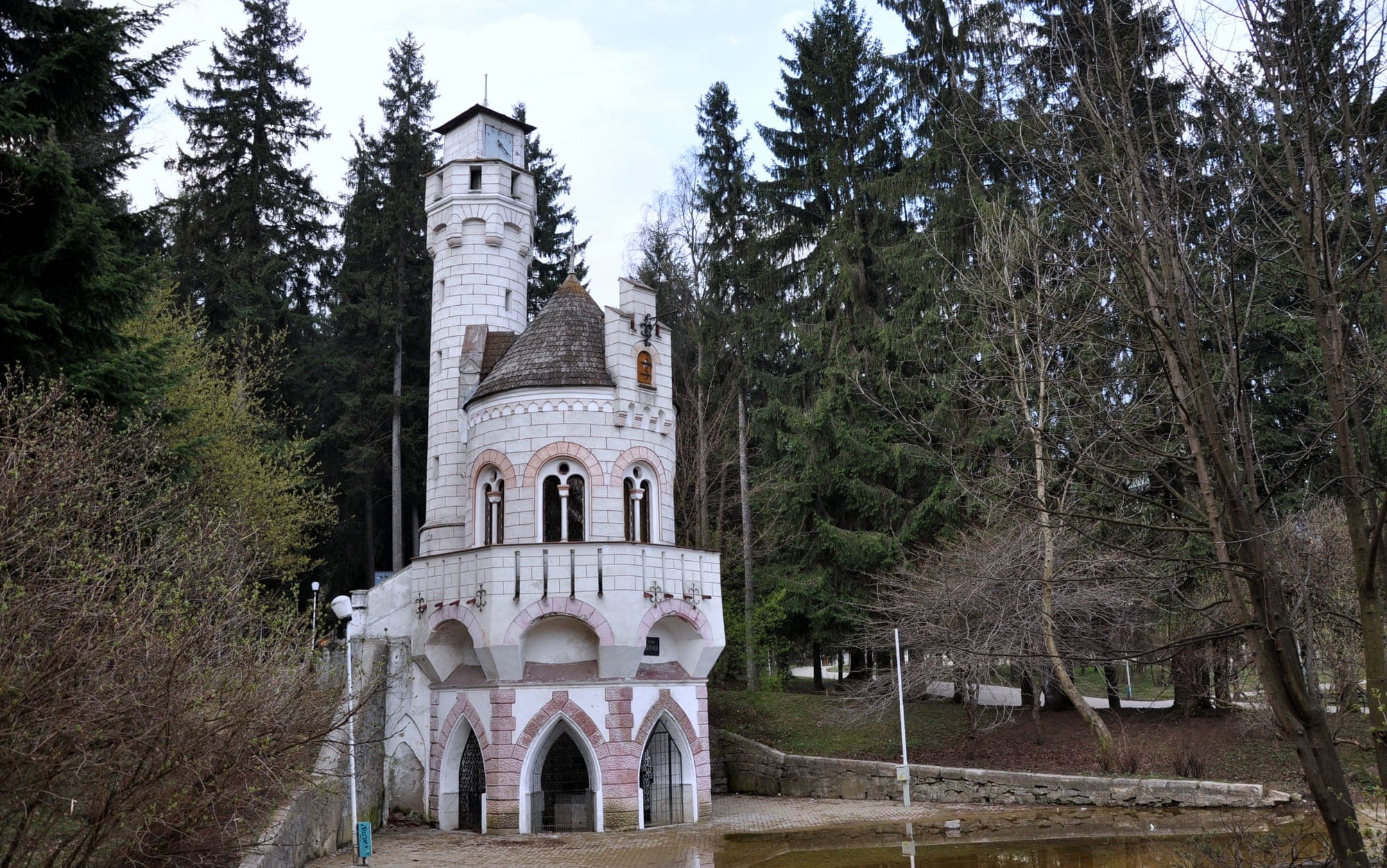
A spa resort more than two centuries old in the Dorna Depression: carbonated springs, peat mud, a park full of squirrels and the Spa Casino, restored and reopened as a museum.

A resort on the southern coast, three kilometres north of Mangalia: a recently widened beach, bays closed off by breakwaters, hotels with women's names set around a lake and sulphurous waters used for treatment.
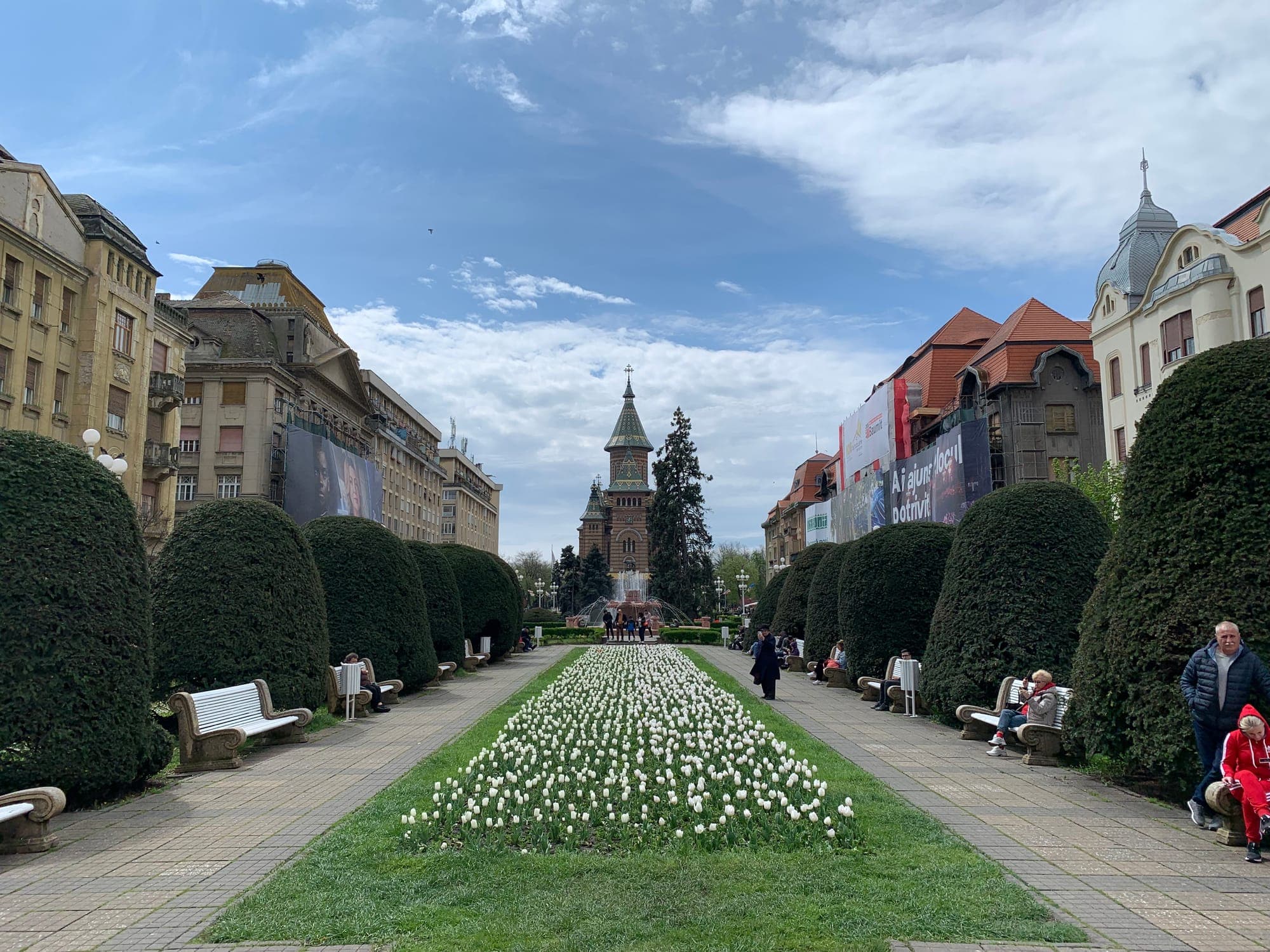
Timișoara's pedestrian esplanade between the Opera in the Palace of Culture and the Metropolitan Cathedral, lined with the Corso palaces and the place where Timișoara was declared the first free city in December 1989.

Romania's deepest glacial lake, 29 m deep, at almost 2,000 m in the south-west of Retezat National Park; it can only be reached on foot, on a long day hike.

A spa resort on the Bărăgan plain, on the shore of Lake Amara, sought out for more than a century for its sapropelic mud, used to treat rheumatism. It has treatment centres in its hotels, lakeside beaches and an arboretum.

The railway bridge over the Borcea branch, part of the complex Anghel Saligny built in 1890–1895 between Fetești and Cernavodă; best seen from a distance, next to the new A2 bridge.
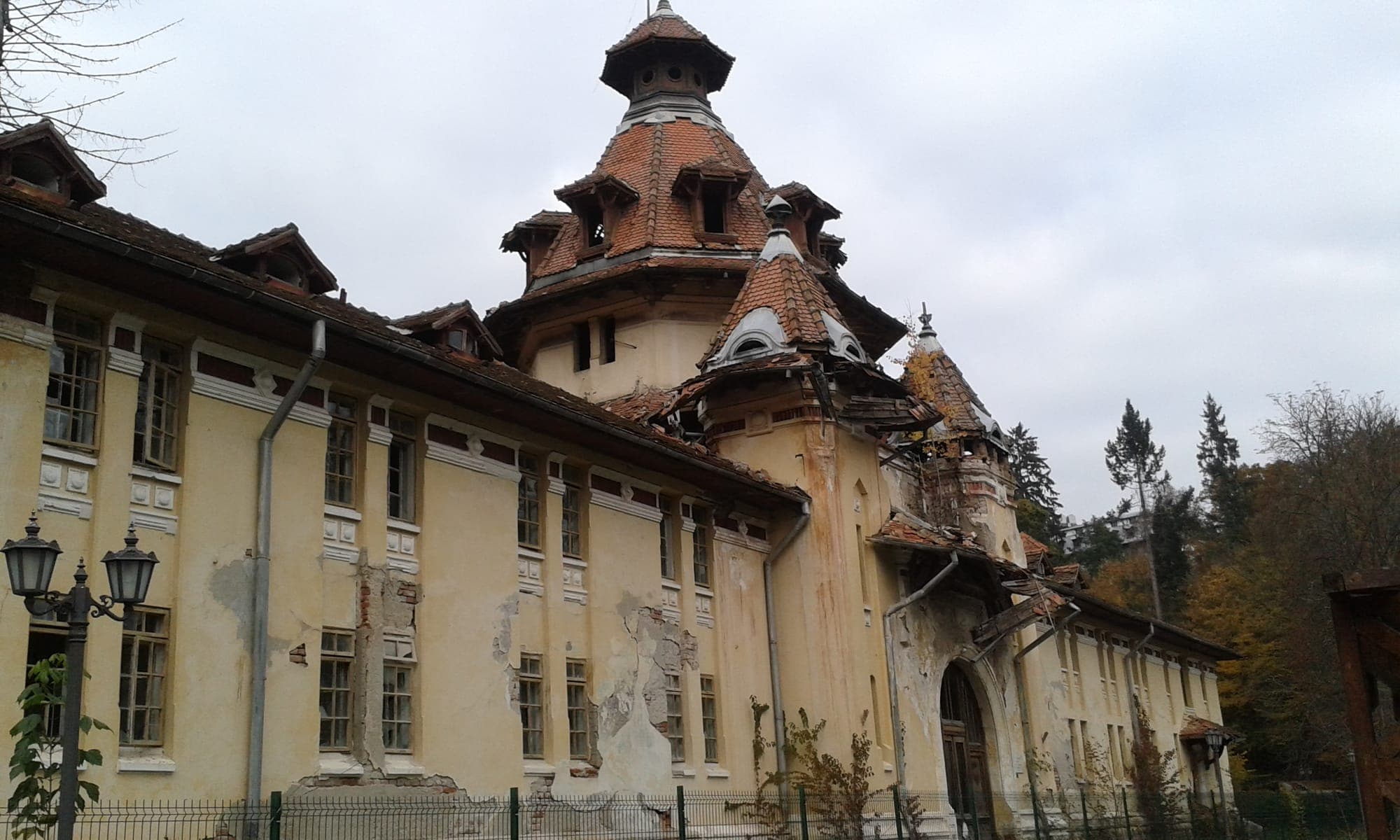
A spa resort in the Vâlcea foothills, with iodine, bromine and sulphur waters, a spa park laid out in 1912 and the Palace Hotel designed by Ernest Doneaud.

The Roman Catholic bishops' residence, built in 1762–1777 by Franz Anton Hillebrandt, is Romania's largest Baroque palace; today it hosts church art exhibitions, and the garden is open daily.
Top 100Top 100