

Ulpia Traiana Sarmizegetusa
Sarmizegetusa, HD
The capital of Roman Dacia in the Hațeg Country: the restored amphitheatre and the ruins of the forum, walls and temples of the city founded by Trajan, plus the site's archaeological museum.
908 results
The capital of Roman Dacia in the Hațeg Country: the restored amphitheatre and the ruins of the forum, walls and temples of the city founded by Trajan, plus the site's archaeological museum.
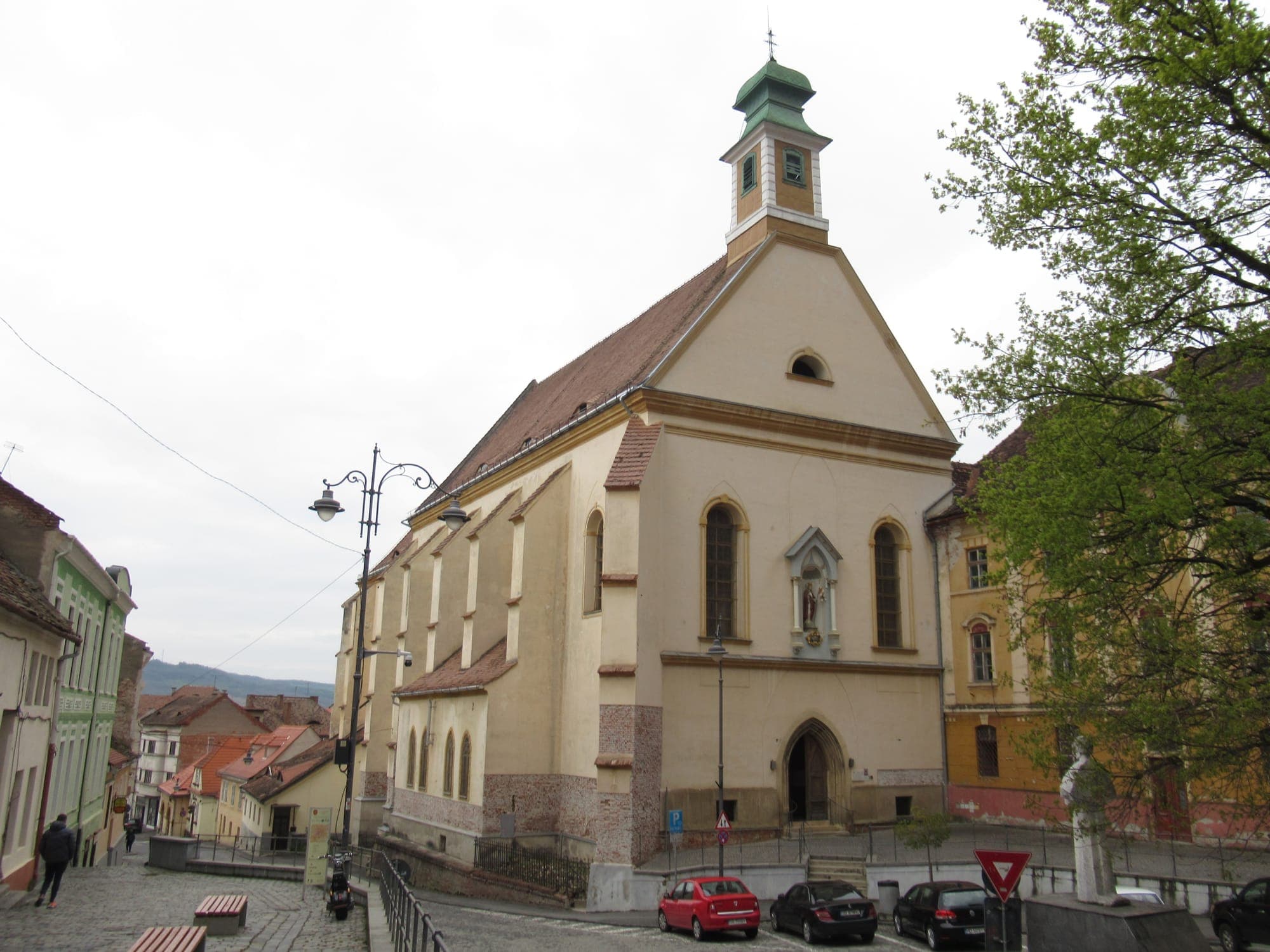
The former Dominican church of the 15th century, rebuilt in Baroque style in 1728–1733 by the Ursulines, with the statue of St Ursula above the late Gothic portal and three Baroque altars.
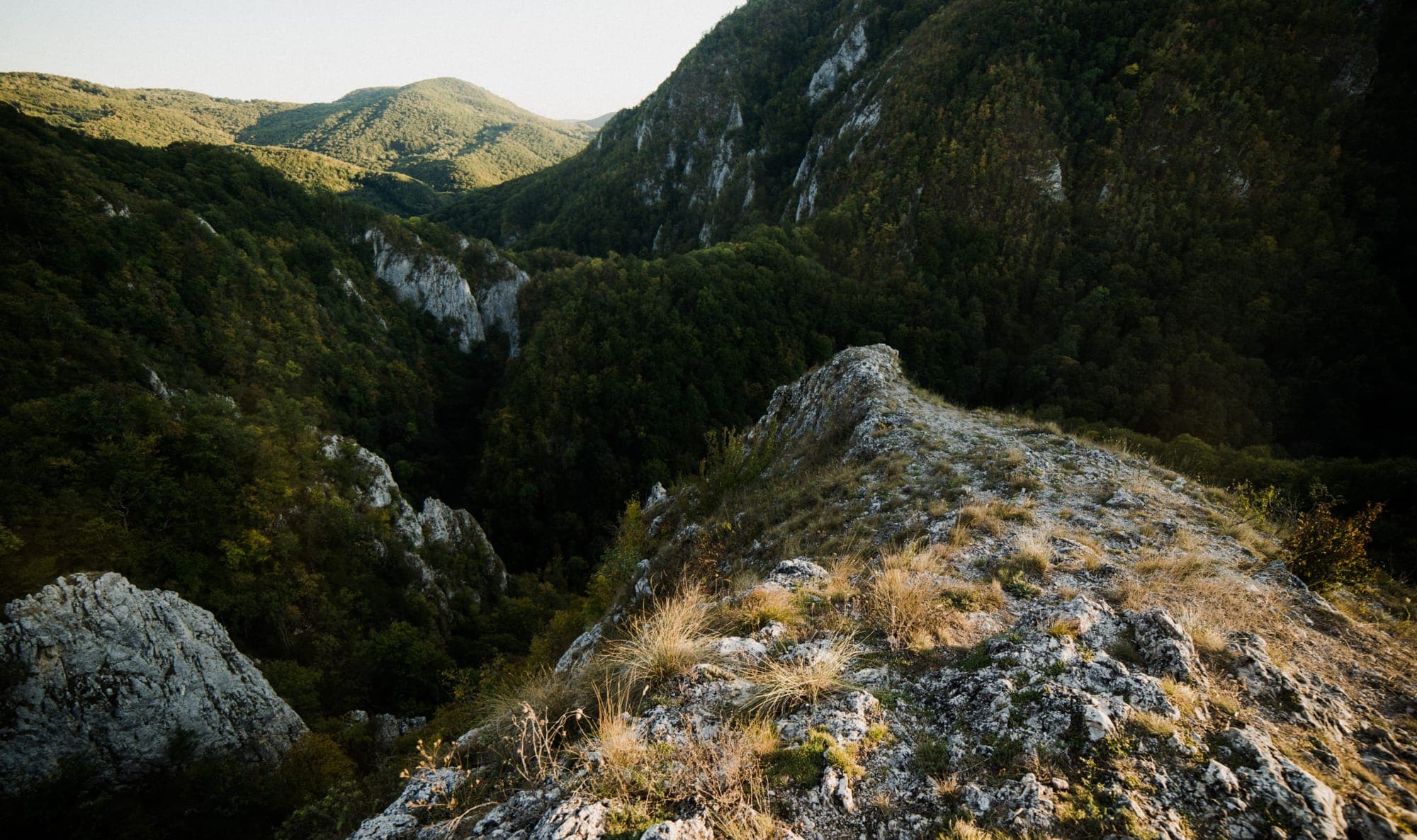
A limestone gorge about 3 km long, with 70–80 m walls and over a hundred caves, between Merești (Harghita) and Vârghiș (Covasna); visited on foot, on marked trails.

A resort on the southern coast, three kilometres north of Mangalia: a recently widened beach, bays closed off by breakwaters, hotels with women's names set around a lake and sulphurous waters used for treatment.

A boyar wooden church of 1756, founded by the Zătreanu family, with a broad shingle roof, an open porch and a richly carved, gilded iconostasis.

The oak-built Greek Catholic church of Șurdești village, with a 54-metre tower and a total height of 72 metres, one of the tallest old timber buildings in Europe and a UNESCO World Heritage monument.

A wooden church of 1723 with a tall pointed bell tower, a carved rope-like belt and a porch whose balustrade is cut with small hearts, in the Bihor village of Beznea.

A wooden church of 1808, built by the village's free peasants, with its original painting kept on the iconostasis and a masonry porch of 1869 painted in bright colours.



