
Roman Fort of Hinova
Hinova, MH
A late Roman fort on the first terrace of the Danube, north of Hinova village, with low stone walls and seven towers; the largest prehistoric gold hoard in Romania was found here.
908 results
A late Roman fort on the first terrace of the Danube, north of Hinova village, with low stone walls and seven towers; the largest prehistoric gold hoard in Romania was found here.

The oldest documented bastion of Brașov's walled town, mentioned in 1416: a hexagonal stone fortification with brick arches and a house from 1794 inside. It can be seen from the outside, from the path.

Timișoara's historic rose garden, laid out in 1929–1934: rose beds edged with clipped hedges, white wooden pergolas and an open-air summer theatre, in a park of nearly four hectares.
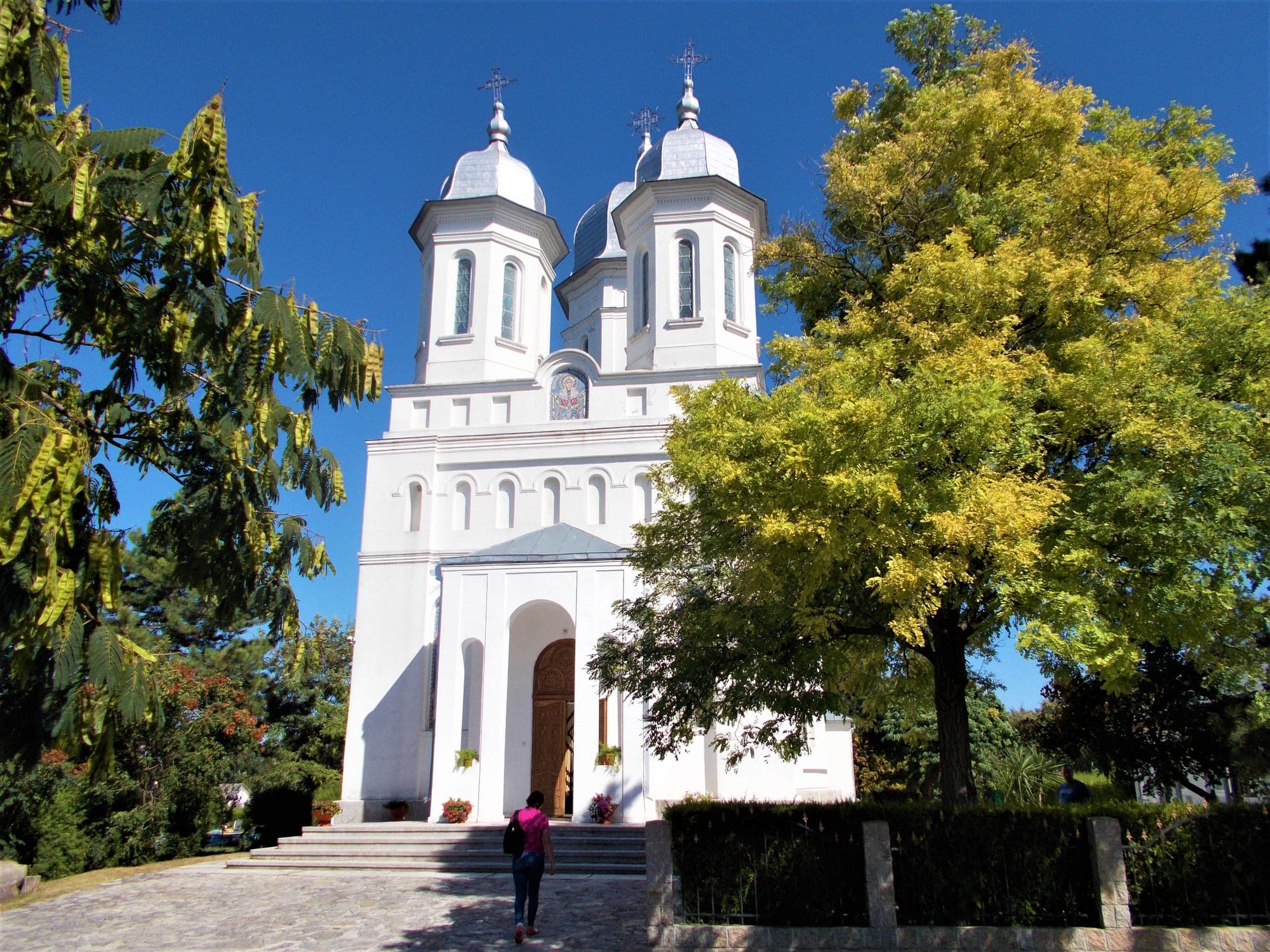
A convent by Lake Saon with a white three-towered church built from 1909 and the old church of 1881, in the commune of Niculițel; a listed historic monument.

A fortress-like monastery in the Neamț mountains, built in 1602 by the high steward Nestor Ureche, with walls up to 3 m thick, a church with its original inscription and a treasury of old church objects.

Romania's oldest dendrological park, on almost 70 hectares beside the Mureș: more than 2,000 taxa, magnolias in spring and paths among centuries-old trees.

The Gothic hall church on Piața Unirii, built in the 14th–15th centuries, with a 76 m Neo-Gothic tower, a Baroque pulpit and the frescoes of the Schleunig chapel.
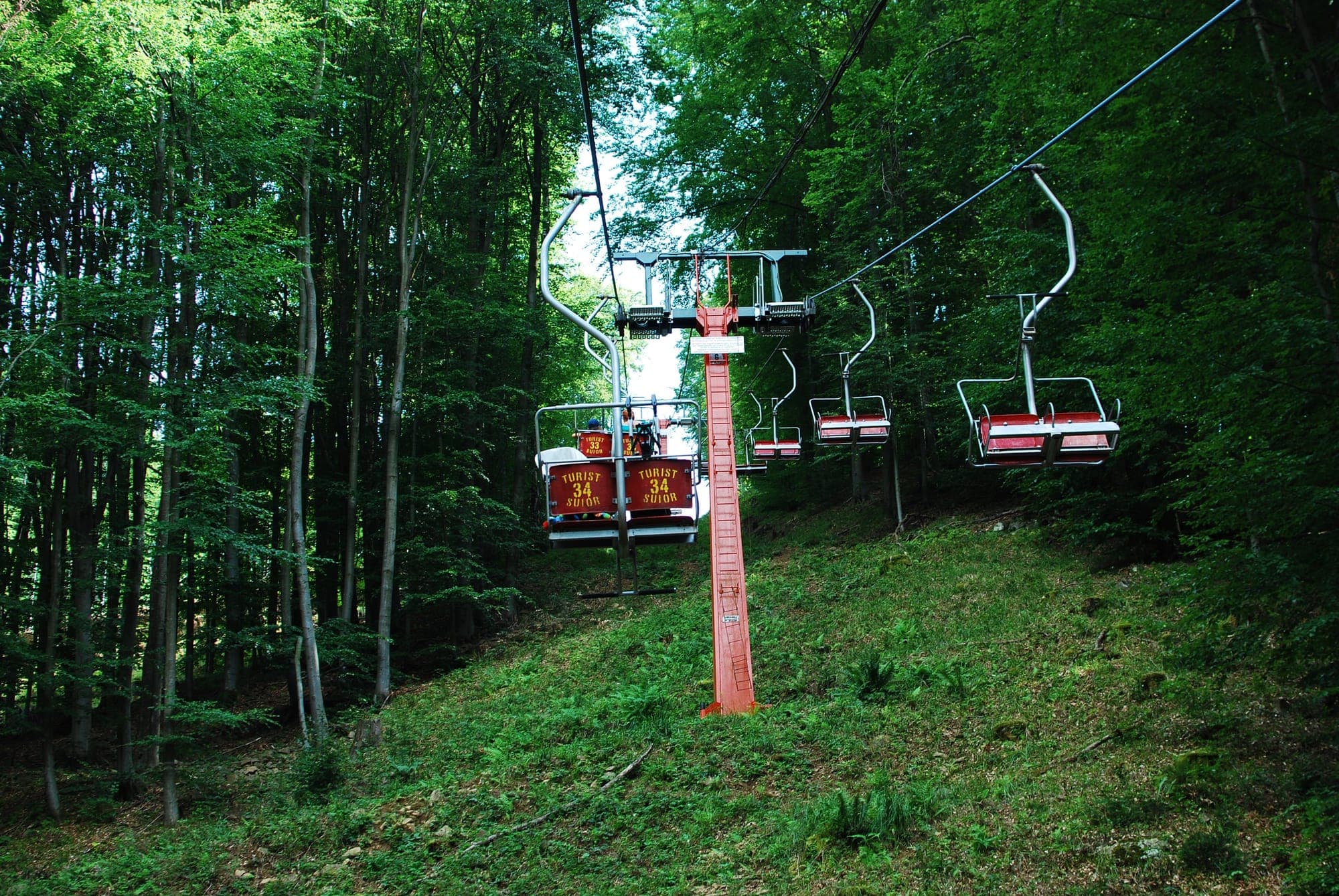
A mountain resort in the Gutâi Mountains near Baia Sprie and Lake Mogoșa, 18 km from Baia Mare: forest slopes between 668 and 1,000 m, a chairlift, floodlit skiing and a summer bike park.
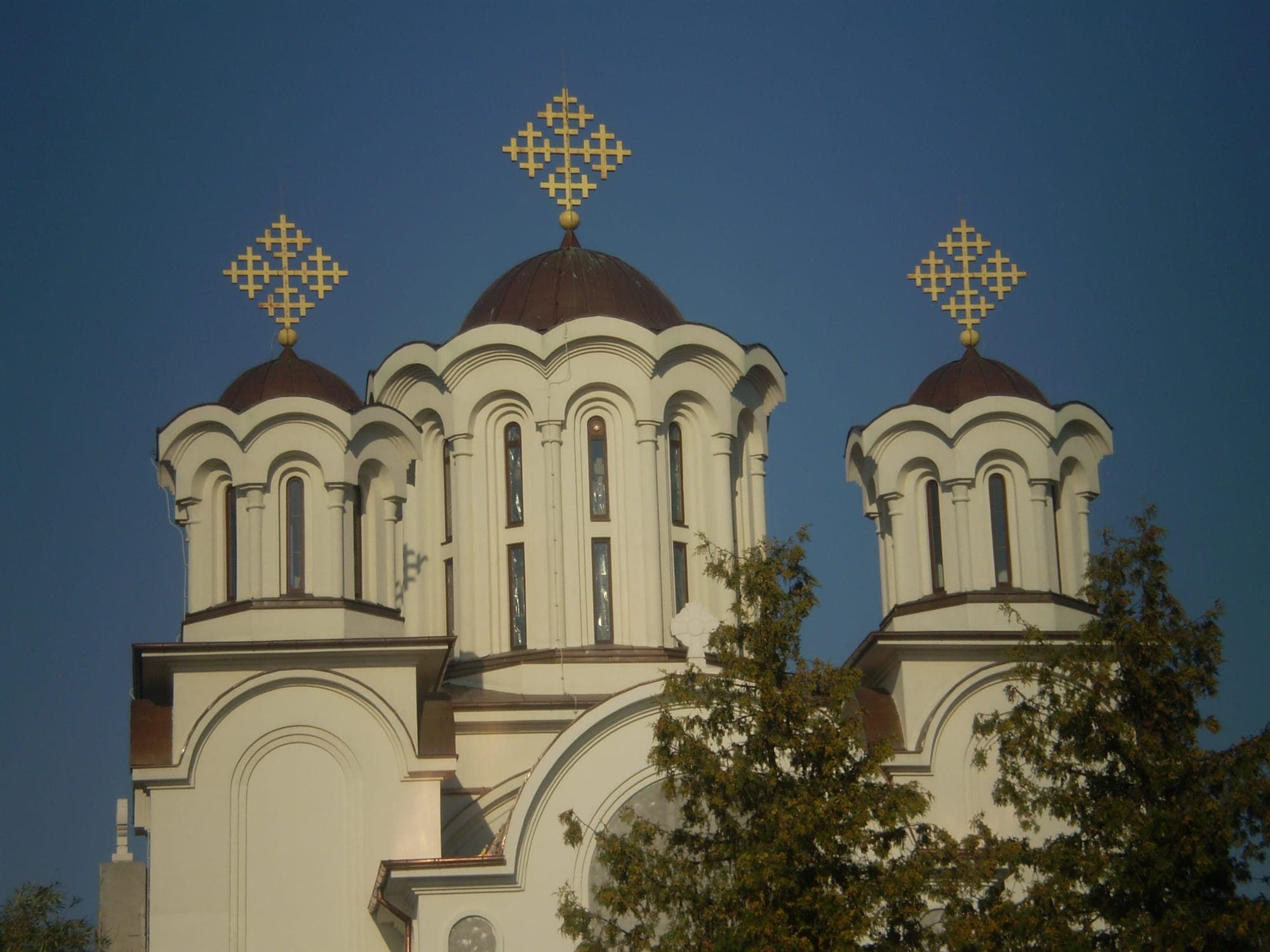
The spa town on the shore of the salt lake, 16 km from Constanța: the balneal sanatorium with 12–18-day stays, the Saint Mary Monastery with its 18th-century wooden church, and accommodation in villas and guesthouses.

Melik House, an 18th-century merchant's house in the Armenian Quarter, holds the Răut collection: canvases and over 800 drawings and engravings by Theodor Pallady, alongside European art and decorative objects.
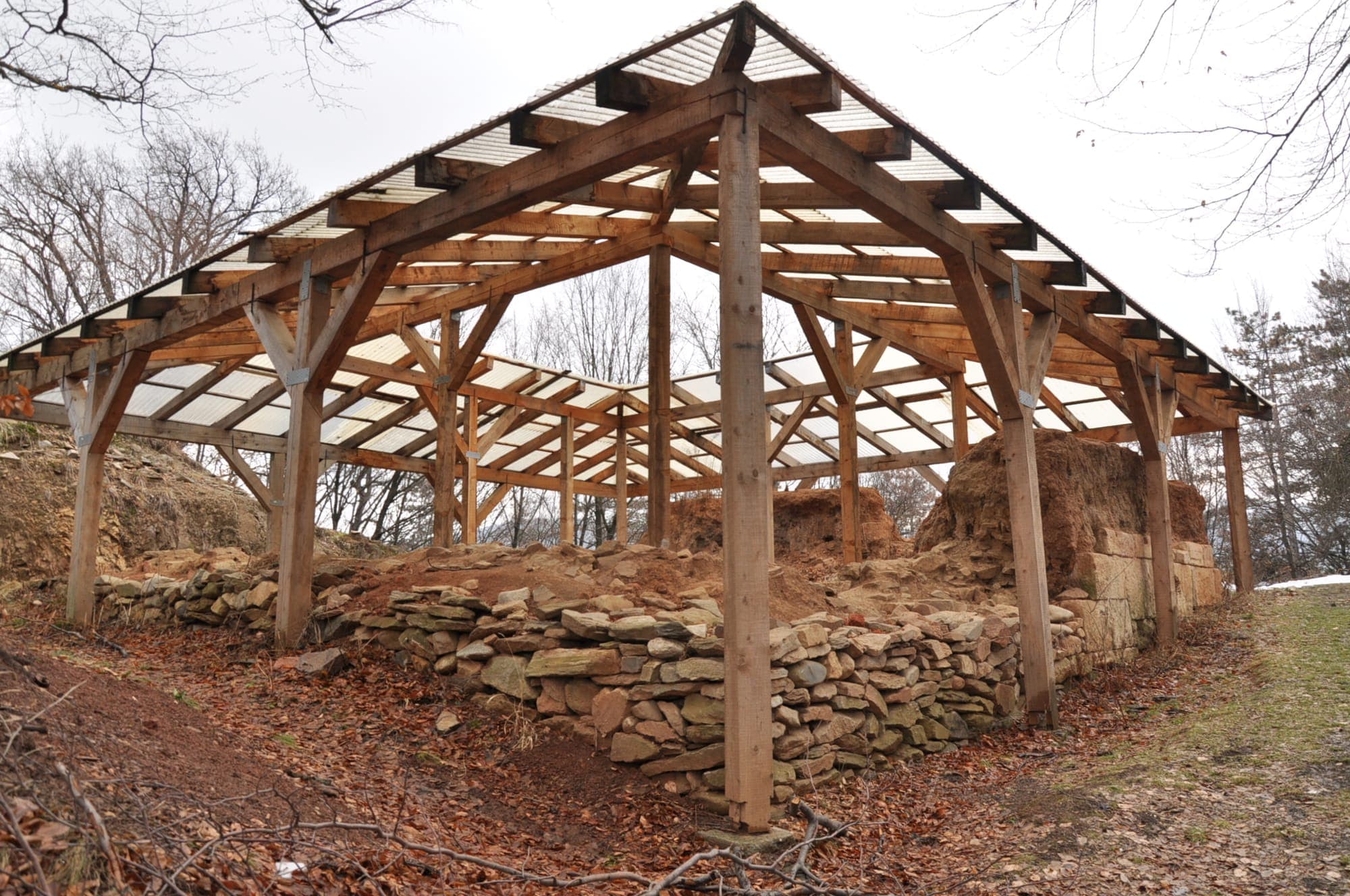
The ruins of a Dacian fortress on Cățănaș Hill, above the village of Tilișca in the Mărginimea Sibiului area: earth ramparts, terraces and a tower house under a protective roof, studied by archaeologists since the 1950s.

National road DN1R, 80 km through the Apuseni Mountains between Huedin and Albac: past Lake Beliș-Fântânele, through the Moți villages and over the Ursoaia Pass, at about 1,320 m.
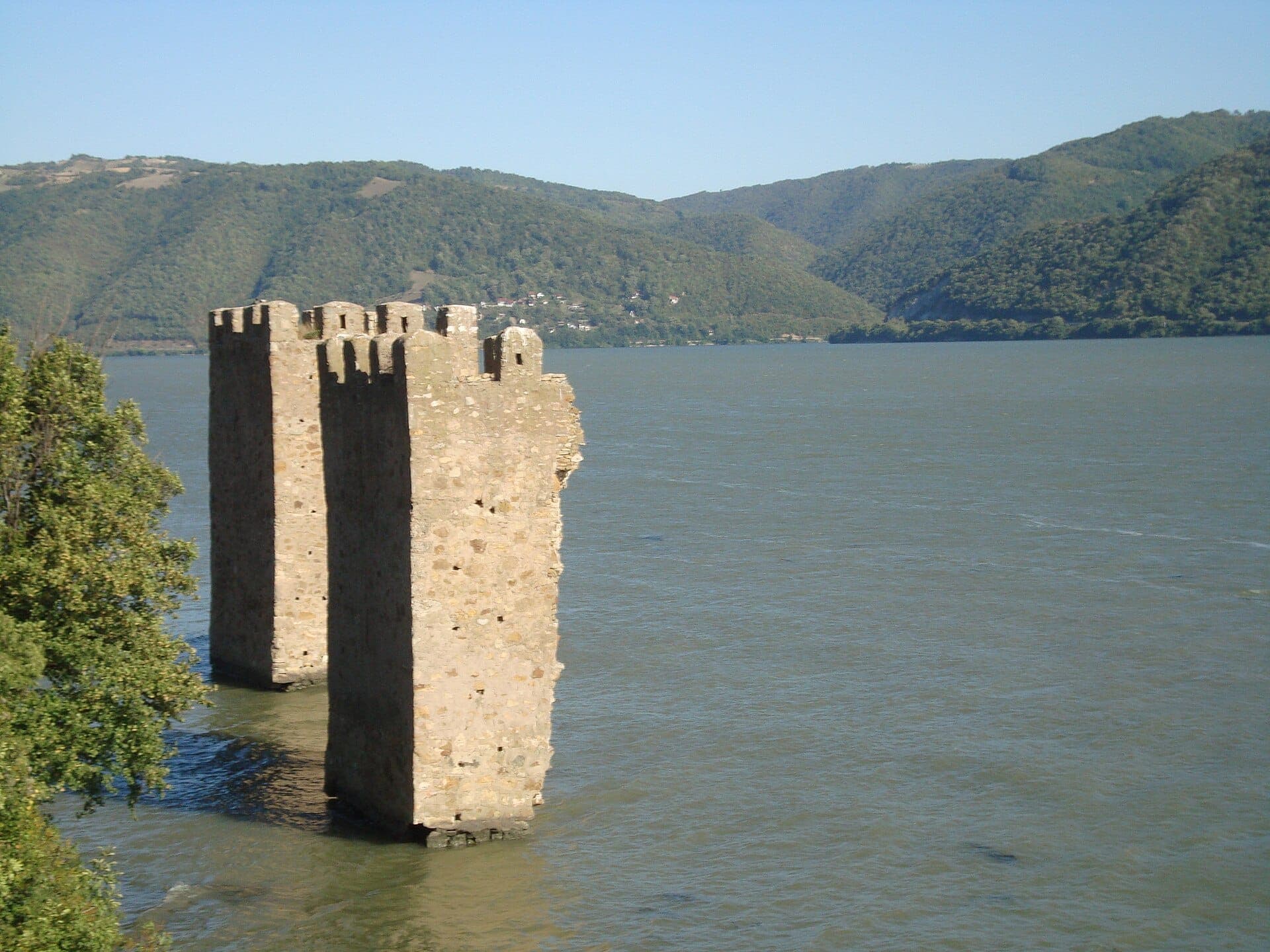
Two crenellated medieval towers rise from the Danube near Svinița. They are the remains of a fortification with three towers arranged in a triangle.

The ruins of a medieval fortress on the Danube bank, documented in the time of Mircea the Elder and held by the Ottomans until 1829, with a consolidated round central tower.
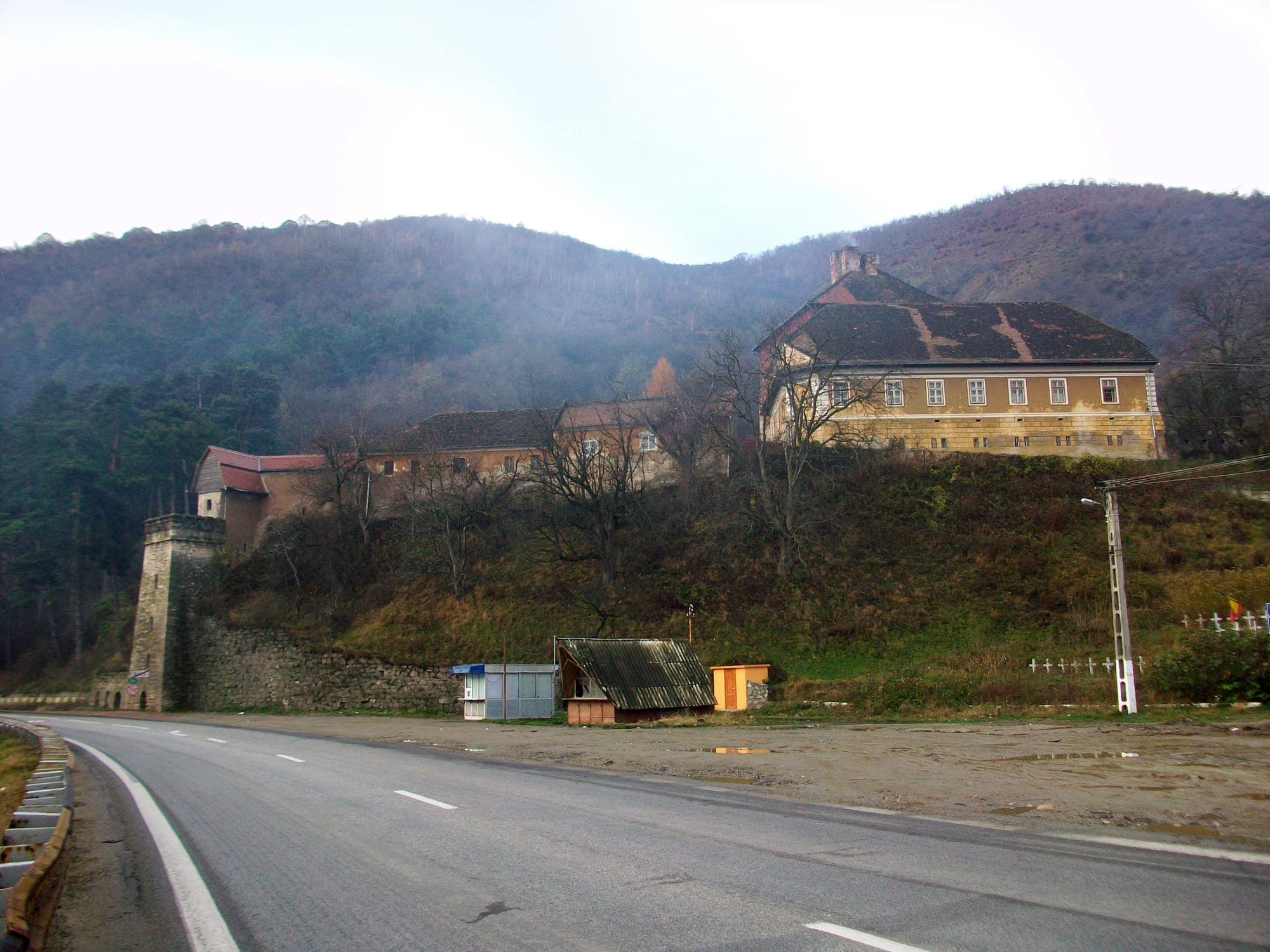
A medieval castle of the 14th century at the northern entrance to the Olt Gorge: stone walls and towers above the DN7, an old customs post between Transylvania and Wallachia.



