
Craiova Zoo
Craiova, DJ
One of the oldest zoos in the country, opened in 1906 in Nicolae Romanescu Park, with its lions, tigers and bears, and free admission.
Zoos and aquariums
1 – 1½ hoursFree
One of the oldest zoos in the country, opened in 1906 in Nicolae Romanescu Park, with its lions, tigers and bears, and free admission.

A Saxon church fortress in the Burzenland, near Brașov: a 19th-century Neoclassical church ringed by a double medieval wall with eight surviving defensive towers.
 Top 100
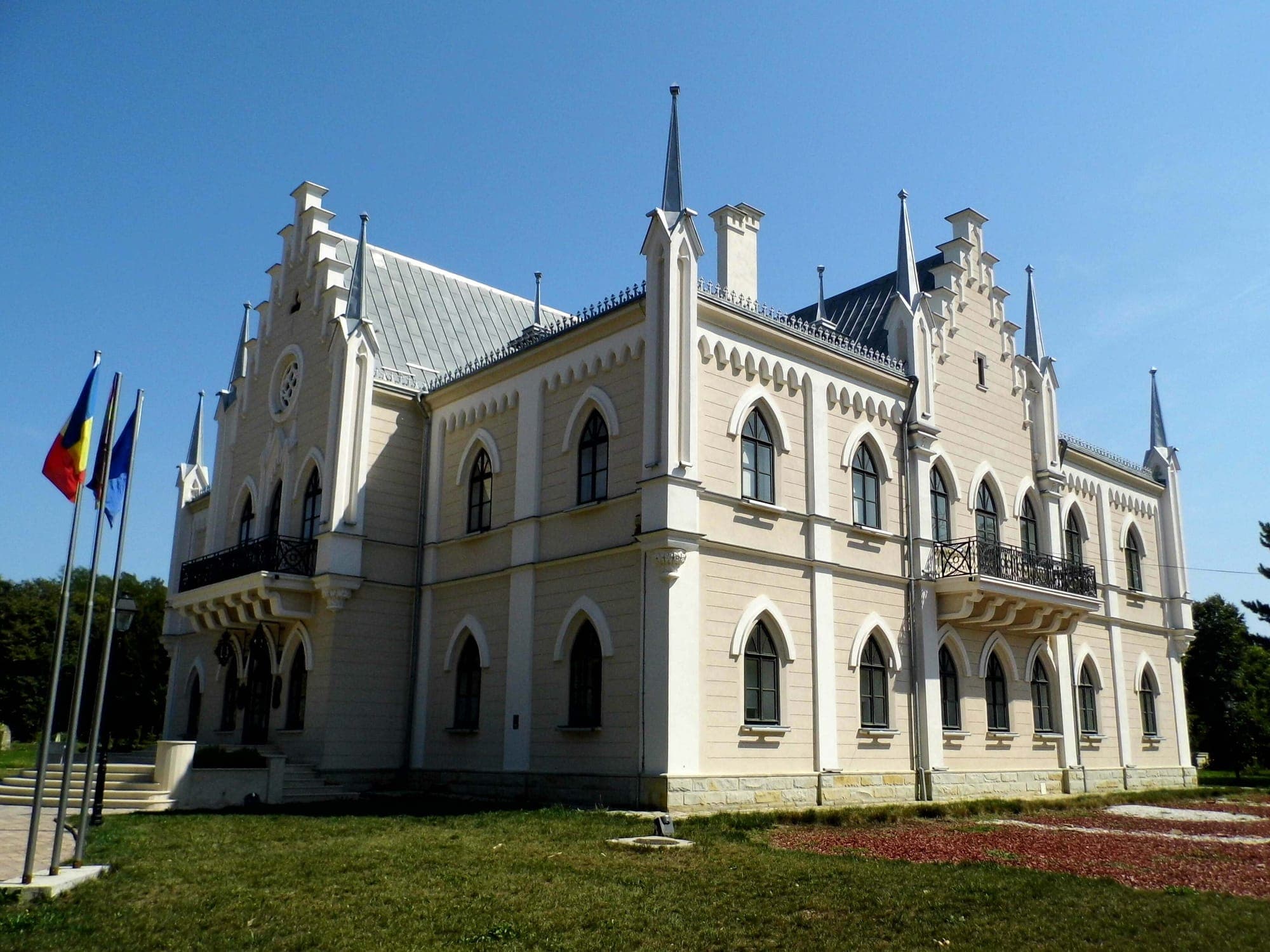
A Neo-Gothic palace of the Sturdza boyars, bought in 1862 by Alexandru Ioan Cuza and made the ruling family's residence; today a memorial museum with rooms recreated from Elena Cuza's inventory.

The former Pannonia Hotel, built in 1901–1902 in Liberty Square to plans by Zoltán Bálint and Lajos Jámbor, is one of the finest Secession buildings in Satu Mare. It can only be seen from outside: it is under restoration.
 Top 100
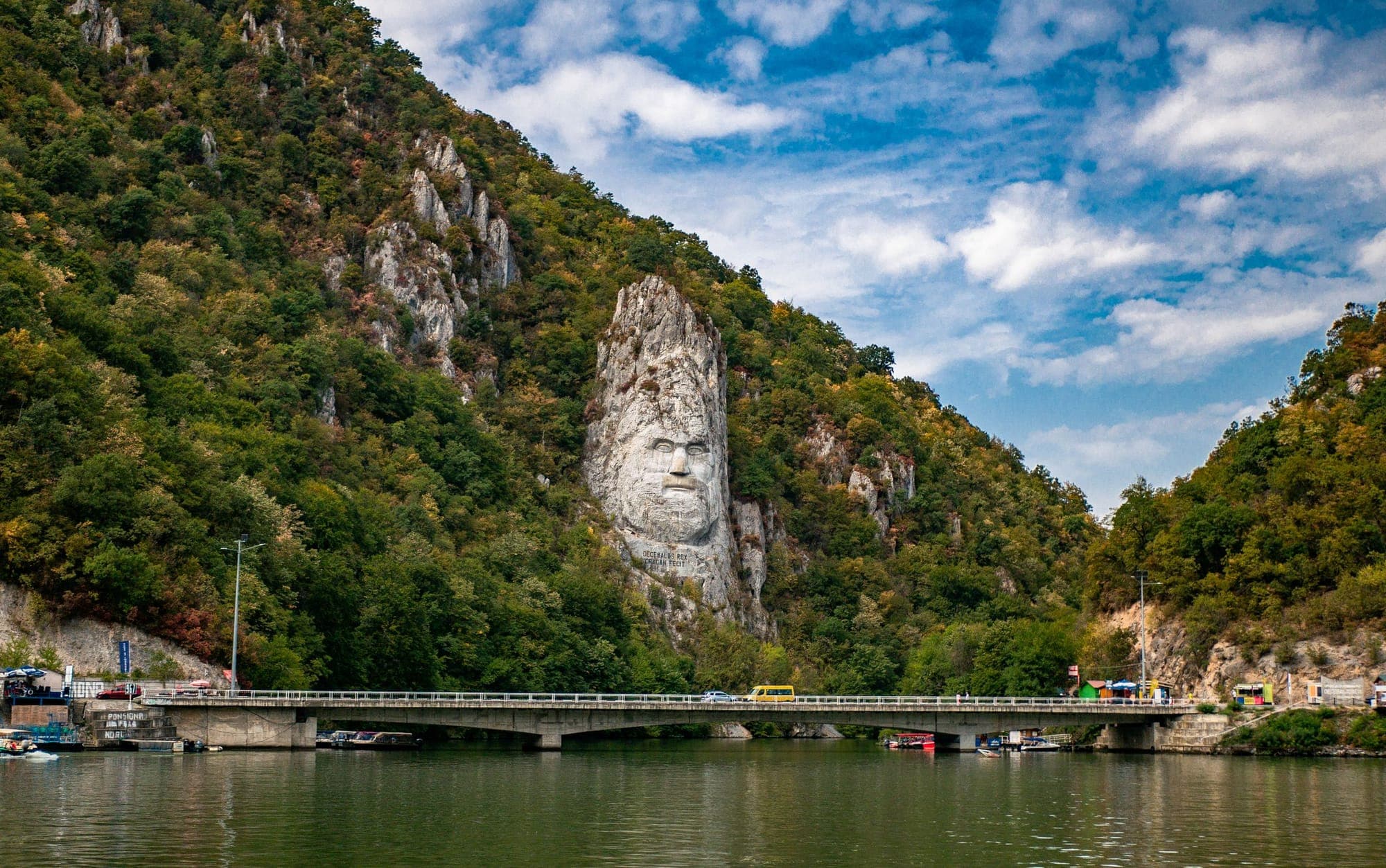
The DN57 runs about 100 km along the Danube from Orșova to Moldova Nouă, through the Great and Small Cauldrons, past the rock face of Decebalus, with Serbia on the far bank.
 Top 100
The narrowest stretch of the Danube Gorge, between Dubova and Ogradena: the river squeezes between limestone walls, with Serbia on the far bank, seen by boat or from Ciucaru Mare.

Galați's 3–4 km promenade, on two levels above the Danube, with metal sculptures from the 1976–1991 camps and restaurants on boats; under redevelopment since 2026.
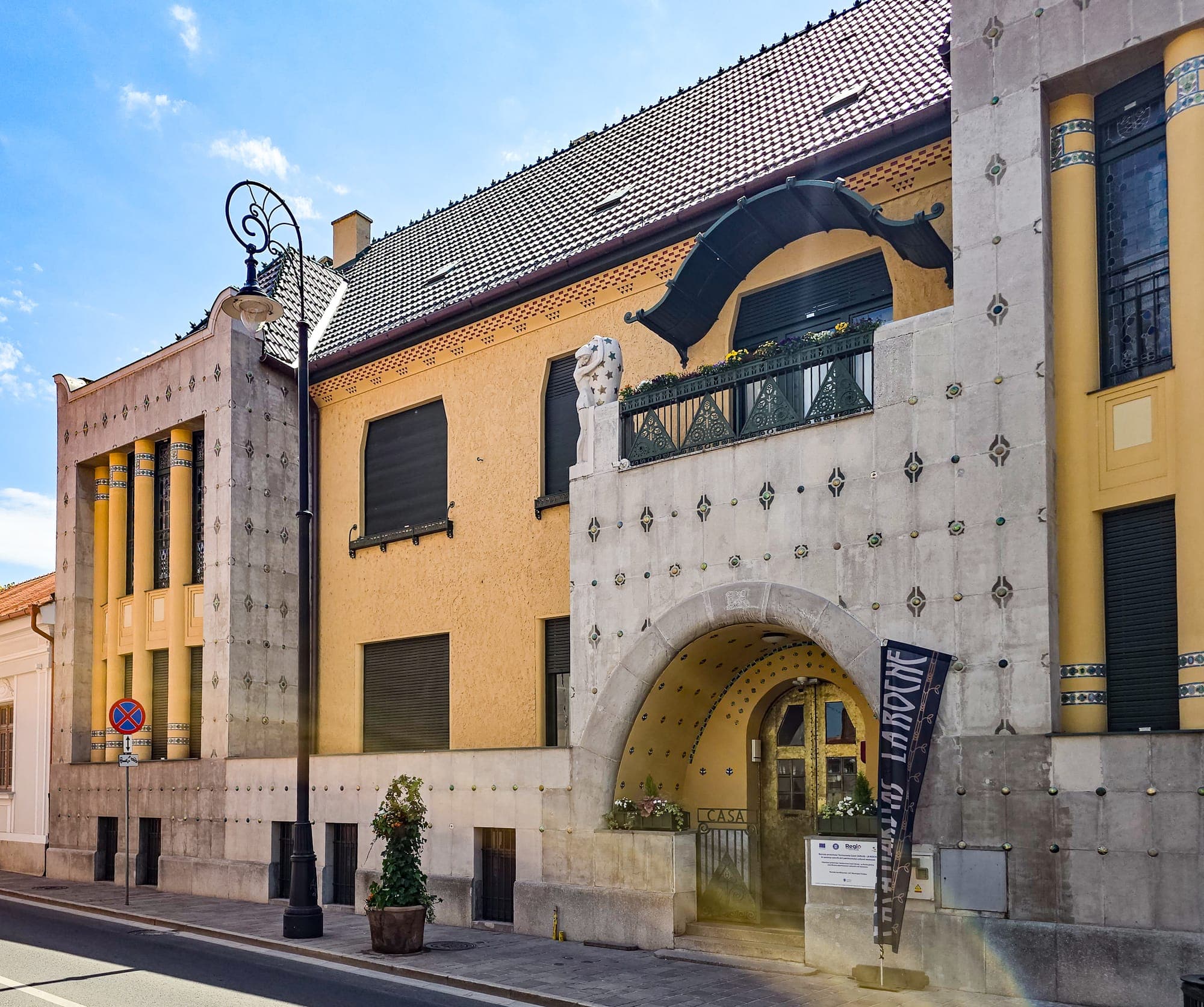
The Secession villa of the industrialist Imre Darvas, designed by the Vágó brothers in 1909–1912, now houses Romania's first Art Nouveau museum, with period interiors and a garden.

An open-air ethnographic museum on the shore of Lake Herăstrău, in the middle of Bucharest: farmsteads, wooden churches, mills and workshops brought from all over the country and rebuilt here since 1936.

A summer lido on two salt lakes formed in collapsed old salt pits, 100 m from the Durgău entrance of the Turda Salt Mine. The very salty water keeps you afloat; the mine is visited separately.
 Top 20
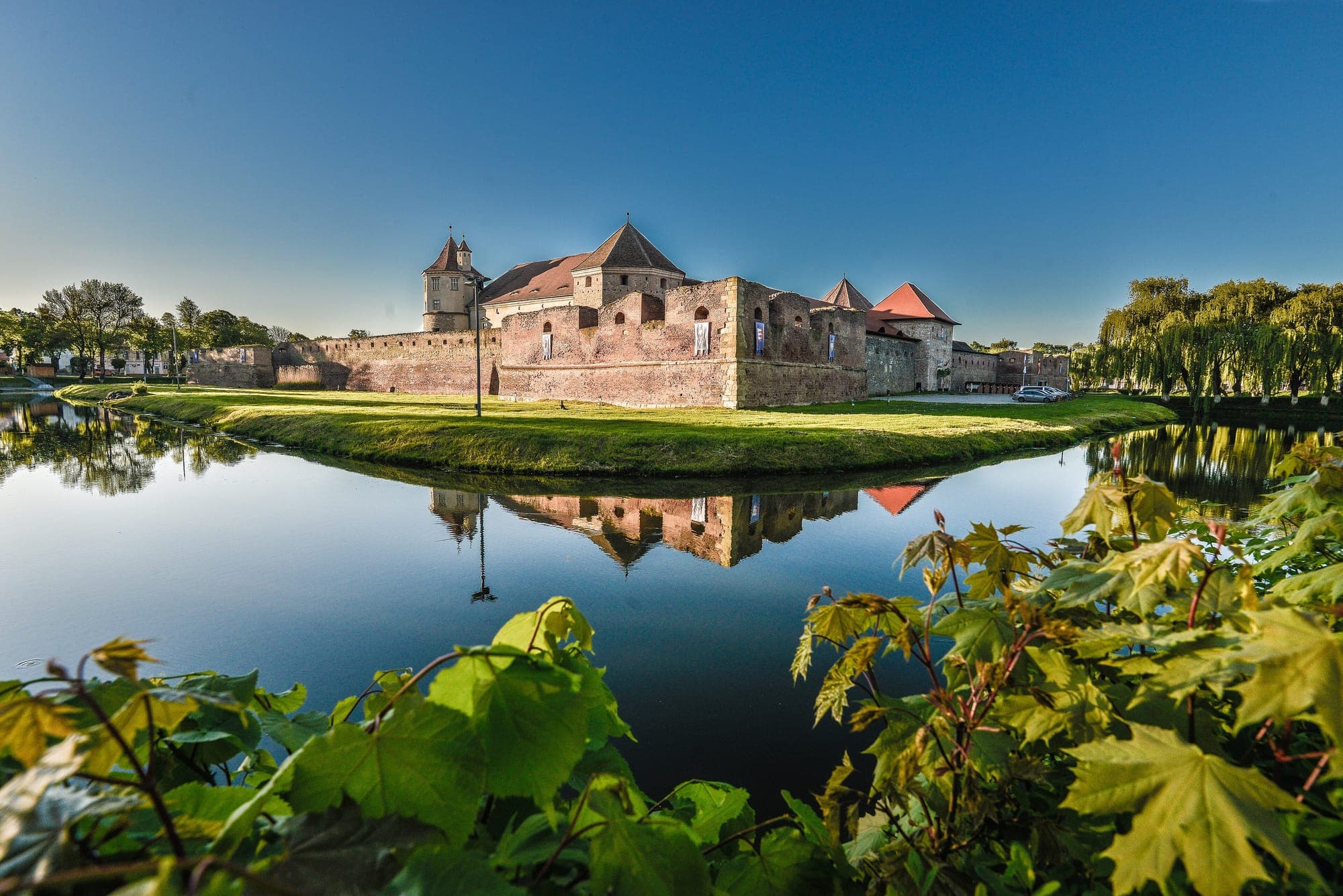
A moated, bastioned fortress in the centre of Făgăraș, seat of the princes of Transylvania in the 17th century and now home to the Făgăraș Land Museum.

An ice cave in the forests of the Galbena Valley near Padiș, reached on foot along a marked trail. Around midday, light pours in through a hole in the roof and falls on the ice.

The museum on Kiseleff Road holds the 1907 dioramas, the Deinotherium skeleton and over 2 million zoological, palaeontological and mineralogical pieces, in a building inaugurated in 1908.
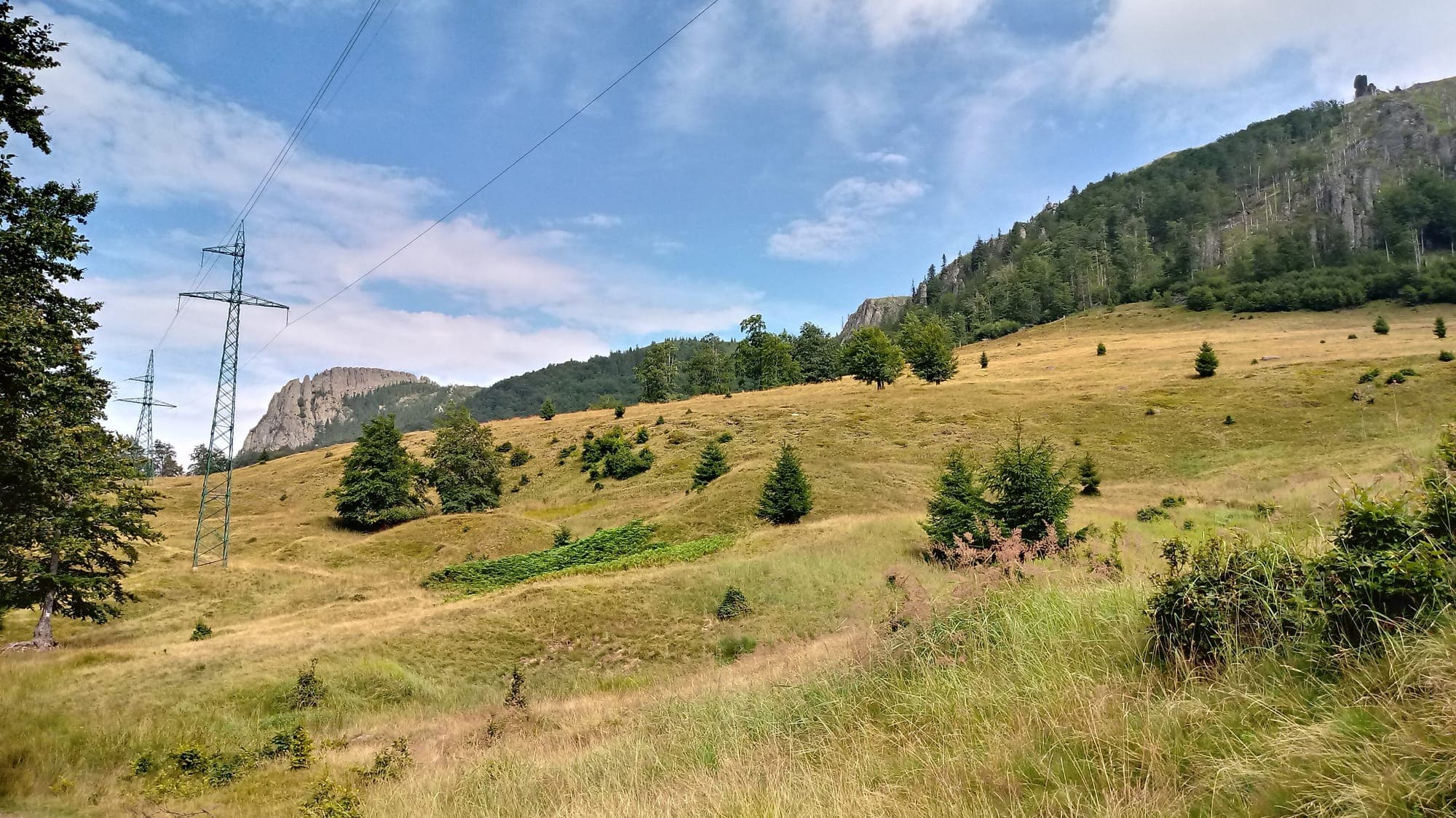
The pass where the DN18 climbs in hairpins from Baia Sprie to 987 m between the Igniș and Gutâi Mountains, then drops towards Mara and the Maramureș Land, an hour from Baia Mare.
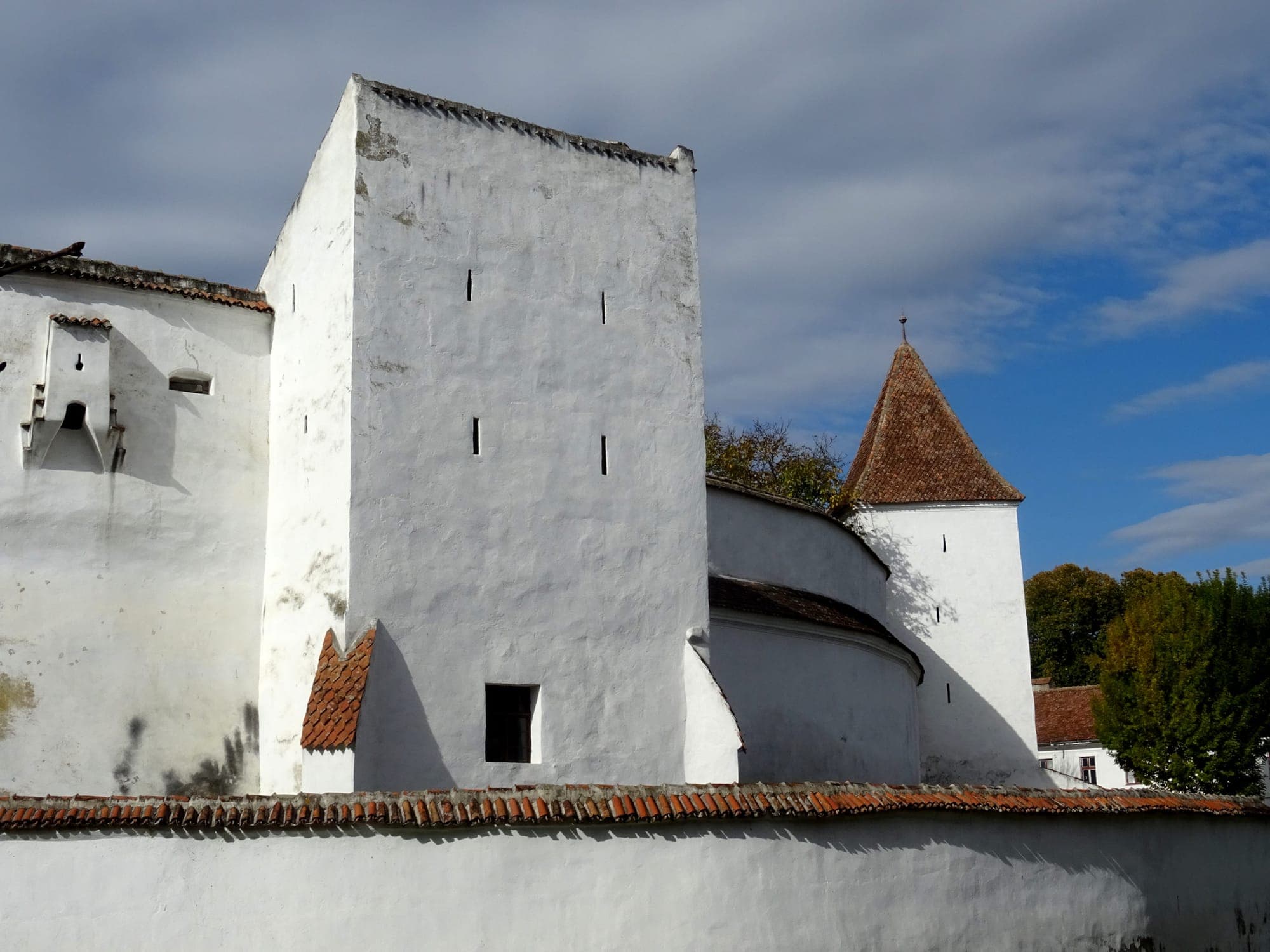
A 13th-century Romanesque basilica enclosed by 12 m walls with seven towers, with the tallest bell tower in the Burzenland and a chapel of 15th-century Gothic frescoes.
Top 100Top 100Top 100Top 20